
When preparing meals for infants and toddlers, cutting food into safe, bite-sized pieces is a daily necessity. Dedicated kids scissors for food offer a quick, portable, and hygienic alternative to knives and cutting boards, especially when dining out. To ensure these tools remain safe, caregivers must prioritize specific design elements: rounded tips to prevent puncture wounds, protective blade guards for safe transport, food-grade materials that resist chemical leaching, and secure locking mechanisms to keep blades closed when stored.
Evaluating these features carefully helps you choose a tool that simplifies meal preparation while protecting your child from physical injuries and chemical exposure. By understanding what makes a pair of food shears safe, you can confidently select a model that fits seamlessly into your family’s daily feeding routine.
Understanding the Risks of Standard Scissors vs. Food Scissors
Standard household, kitchen, or craft scissors are fundamentally unsuitable for preparing baby food. Craft scissors often contain industrial lubricants, heavy metals, or low-grade plastics that are not certified for food contact. These materials can easily leach into warm or acidic foods during cutting, posing chemical risks to a developing child.
Products mentioned in this guide

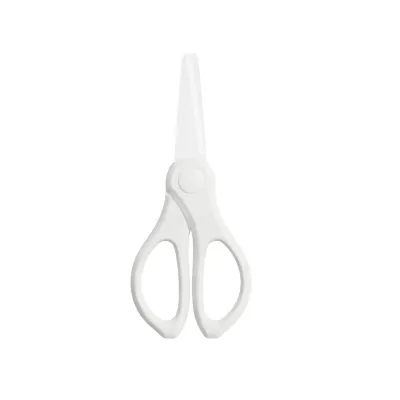
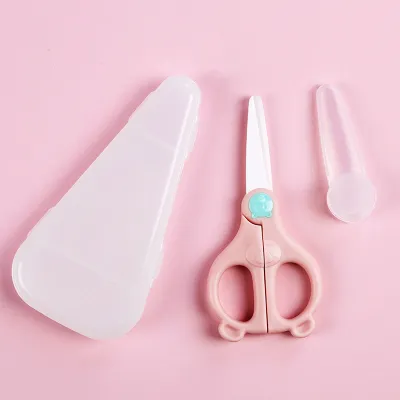
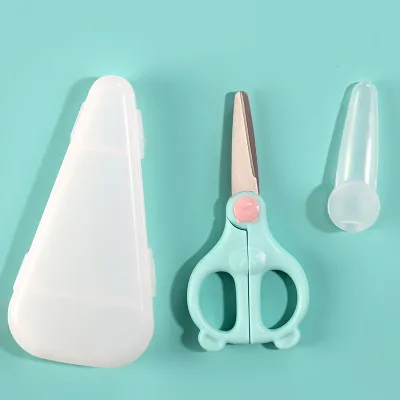
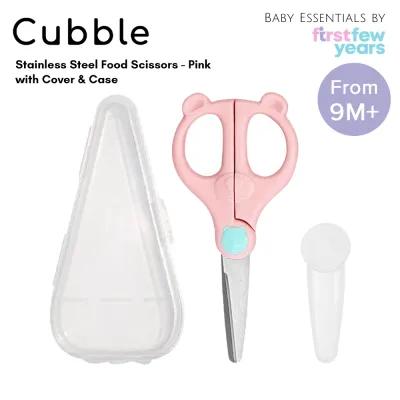
![[CHEAPEST] Baby Little Bear Ceramic Food Scissors / Stainless Steel Food Scissors High Quality with Travel Case Cover Safety Lock [Baebear.sg]](https://img.lazcdn.com/g/p/4b8b926562243d8539977af6f76205f8.jpg_400x400q80.jpg_.webp)
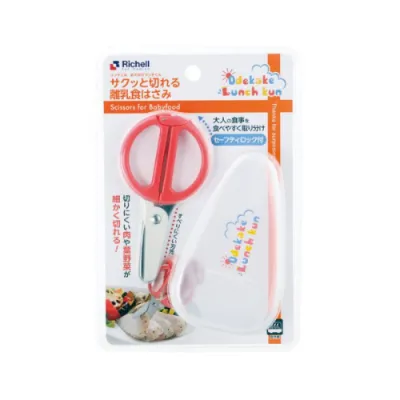
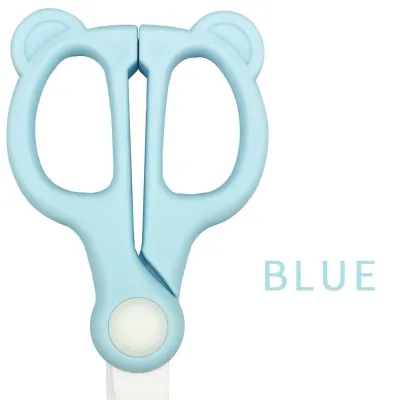
Prices are valid at publication and may change. Please refer to the product page for the latest price.
Furthermore, standard scissors feature sharp, pointed tips designed to pierce paper, cardboard, or fabric. In a busy dining environment—such as a crowded food court or a bustling home kitchen—a sudden movement from a hungry toddler can turn a pointed blade into an immediate puncture hazard. The risk of accidental lacerations increases significantly when using tools not designed with child safety in mind.
Hygienic design is another critical differentiator. Standard scissors often have tight, non-detachable pivot joints where food particles, moisture, and bacteria can accumulate. Over time, these hidden crevices become breeding grounds for pathogens, risking cross-contamination with every cut. Dedicated food shears are engineered to minimize these tight spaces, often featuring detachable blades or seamless joints that allow for thorough sanitization. Using a dedicated tool solely for your child’s meals ensures that raw meat residues or household contaminants never come into contact with their prepared food.
Critical Blade and Tip Safety Features to Evaluate
The physical design of the cutting blades is your first line of defense against accidental injuries. Unlike traditional shears, high-quality kids scissors for food feature blunt, rounded tips. This rounded profile ensures that if the scissors slip while you are cutting noodles, vegetables, or meat directly in a child’s bowl, there is no sharp point to scratch the dish or, worse, injure a nearby hand.

Portability is a major factor for families dining out. Whether you are visiting a local hawker centre or a restaurant, you need to transport the scissors safely in a diaper bag or purse. A secure, form-fitting blade guard or protective sheath is essential. The guard must snap firmly into place, ensuring the blades cannot slide open during transit and cut through bag liners or expose sharp edges when you reach inside.
Blade tension and edge design also play a vital role in operational safety. Look for scissors with micro-serrated edges. These tiny, integrated ridges grip slippery foods—such as soft pasta, steamed broccoli, or cooked meats—preventing them from sliding along the blade during a cut. This grip reduces the force required to slice through food, giving you greater control and minimizing the risk of sudden slips. The blade tension should be firm enough to cut cleanly without requiring excessive hand strength, which can lead to fatigue and accidental drops.
Material Safety: Ensuring Food-Grade and Non-Toxic Components
Because these scissors directly touch the food your child consumes, the chemical composition of every component is paramount. The blades should be constructed from certified food-grade materials. High-grade stainless steel is highly resistant to corrosion, rust, and staining from acidic foods like tomatoes or citrus. Alternatively, high-quality ceramic blades offer an inert, non-reactive cutting surface that does not rust or transfer metallic tastes, though they require careful handling to prevent chipping.
The handles, blade guards, and any plastic connectors must be completely non-toxic. Caregivers should verify that all plastic and silicone parts are free from bisphenol A (BPA), phthalates, lead, and PVC. These chemicals are known endocrine disruptors that can leach into food, particularly when exposed to heat or acidic ingredients.
When shopping, avoid relying on vague marketing terms like “eco-friendly” or “child-safe” without supporting details. Instead, look for specific material disclosures on the product packaging. Reputable manufacturers will explicitly list the types of plastics used (such as food-grade polypropylene or silicone) and the specific grade of metal or ceramic. Checking these detailed labels ensures you are not exposing your child to chemical residues during meal preparation.
Ergonomic Controls and Secure Storage Mechanisms
Meal preparation can be repetitive, making ergonomic design a key safety feature for the caregiver. Look for handles with a non-slip, soft-grip coating, often made from food-grade silicone or thermoplastic rubber. These materials provide a secure hold even if your hands are wet or covered in food oils, preventing the scissors from slipping out of your grasp during use. The finger loops should be comfortably sized for adult hands, allowing for precise control and leverage.
A reliable locking mechanism is indispensable for preventing accidental injuries when the scissors are not in use. Look for built-in locking switches, sliding buttons, or safety clasps that physically prevent the blades from opening. This lock should be easy for an adult to engage and disengage with one hand, yet secure enough that a curious toddler cannot easily bypass it if they happen to find the tool.
Some food scissors incorporate a spring-loaded or assisted-opening mechanism. This design automatically pushes the handles back open after each cut, significantly reducing hand strain when cutting large quantities of food. However, if you choose a spring-loaded model, ensure the safety lock is exceptionally robust, as the spring tension will naturally force the blades open the moment the lock is released.
Verifying Manufacturer Safety Claims and Age Guidelines
Before making a purchase, carefully review the manufacturer’s age guidelines and intended use cases. Some food scissors are designed specifically for soft, early-weaning foods like purees, soft fruits, and noodles, while others are robust enough to cut through dense meats and small bones for older toddlers. Matching the tool to your child’s current developmental stage and your typical meal prep needs prevents premature wear or blade damage.
To validate safety claims, look for recognized food-contact safety marks on the packaging. While specific certifications can vary globally, compliance with major international standards—such as the US Food and Drug Administration (FDA) guidelines or European LFGB standards—indicates that the materials have undergone rigorous testing for food safety. In Singapore, ensuring the product meets reputable international food-contact standards provides peace of mind regarding chemical safety.
Finally, examine the manufacturer’s care, cleaning, and replacement instructions. A reliable manufacturer will provide clear guidelines on how to maintain the structural integrity of the scissors. If the instructions warn against high-temperature sterilization or dishwasher use, heed these warnings, as improper care can degrade the plastics or weaken the blade assembly, creating safety hazards over time.
Safe Cleaning, Maintenance, and Storage Practices
Maintaining strict hygiene is crucial to preventing foodborne illnesses. If your food scissors feature a detachable design, disassemble them fully after every use. This allows you to thoroughly clean the pivot joint, blade faces, and handle crevices where food particles and moisture tend to hide. Wash all parts with mild dish soap and warm water, rinsing thoroughly to remove any soap residue.
After washing, dry the scissors completely with a clean towel before reassembling or storing them. Even high-grade stainless steel can develop rust spots if left wet in humid environments, such as Singapore’s tropical climate. Avoid using harsh abrasive cleaners, steel wool, or scouring pads, as these can scratch the blades and plastic handles, creating microscopic grooves where bacteria can easily colonize.
Storage practices must be strictly managed to keep these tools out of children’s reach. Even with rounded tips and safety locks, food scissors are cutting tools that can cause injury if mishandled by a child. Always store the scissors in a high cabinet, a locked drawer, or a child-proof container. Never leave them on the edge of a dining table or kitchen counter where a toddler could reach them, and always ensure the protective blade guard is securely snapped on before putting them away.
Frequently Asked Questions (FAQ)
Can kids food scissors be sterilized in boiling water or a sterilizer?
Whether you can sterilize food scissors depends entirely on the materials used by the manufacturer. Some stainless steel and high-temperature plastic models can withstand boiling water, steam sterilizers, or UV sterilizers. However, other models with silicone grips or specific plastic components may warp, degrade, or release chemicals when exposed to extreme heat. Always consult the product manual or packaging instructions before attempting any high-heat sterilization.
Are ceramic blades safer than stainless steel for cutting baby food?
Ceramic blades offer distinct advantages, such as being completely rust-proof, non-reactive, and highly resistant to acids, which helps maintain food purity. They also stay sharp longer than steel without needing sharpening. However, ceramic is brittle and can chip or shatter if dropped on hard kitchen tiles or used to cut hard materials like bones or frozen food. Stainless steel is far more durable and impact-resistant, making it a more versatile and robust choice for busy kitchens, though it requires diligent drying to prevent rust.

Community discussion
Share your experience or ask a question. Comments are reviewed before publication.