
A non-slip bathroom stool is an indispensable tool for supporting your toddler’s independence during potty training and handwashing. However, the bathroom is one of the most challenging environments for a young child to navigate safely. To protect your toddler from slips and falls, the most critical safety features to look for are a wide, tip-resistant footprint, robust rubberized base grips that cling to wet tiles, and a highly textured stepping surface. Evaluating these physical design elements, understanding how they interact with wet floors, and establishing safe usage habits are essential steps in creating a secure environment for your child.
Understanding Fall Risks in Wet Bathroom Environments
Bathrooms are inherently prone to moisture accumulation from baths, showers, and handwashing. When water vapor condenses on smooth ceramic or porcelain floor tiles, it creates an incredibly slick surface that drastically reduces traction for both adult feet and tiny toddler feet. Toddlers often navigate these spaces barefoot, which further limits their grip compared to wearing rubber-soled shoes.
In addition to environmental slickness, a toddler’s physical development makes them particularly vulnerable to falls. Young children possess a higher center of gravity relative to adults because their heads and torsos represent a larger percentage of their total body mass. This anatomical reality means that even a minor slip or a sudden shift in weight can easily cause them to lose balance and tip over. Their motor skills and coordination are still developing, making rapid self-correction difficult when they begin to fall.
Products mentioned in this guide
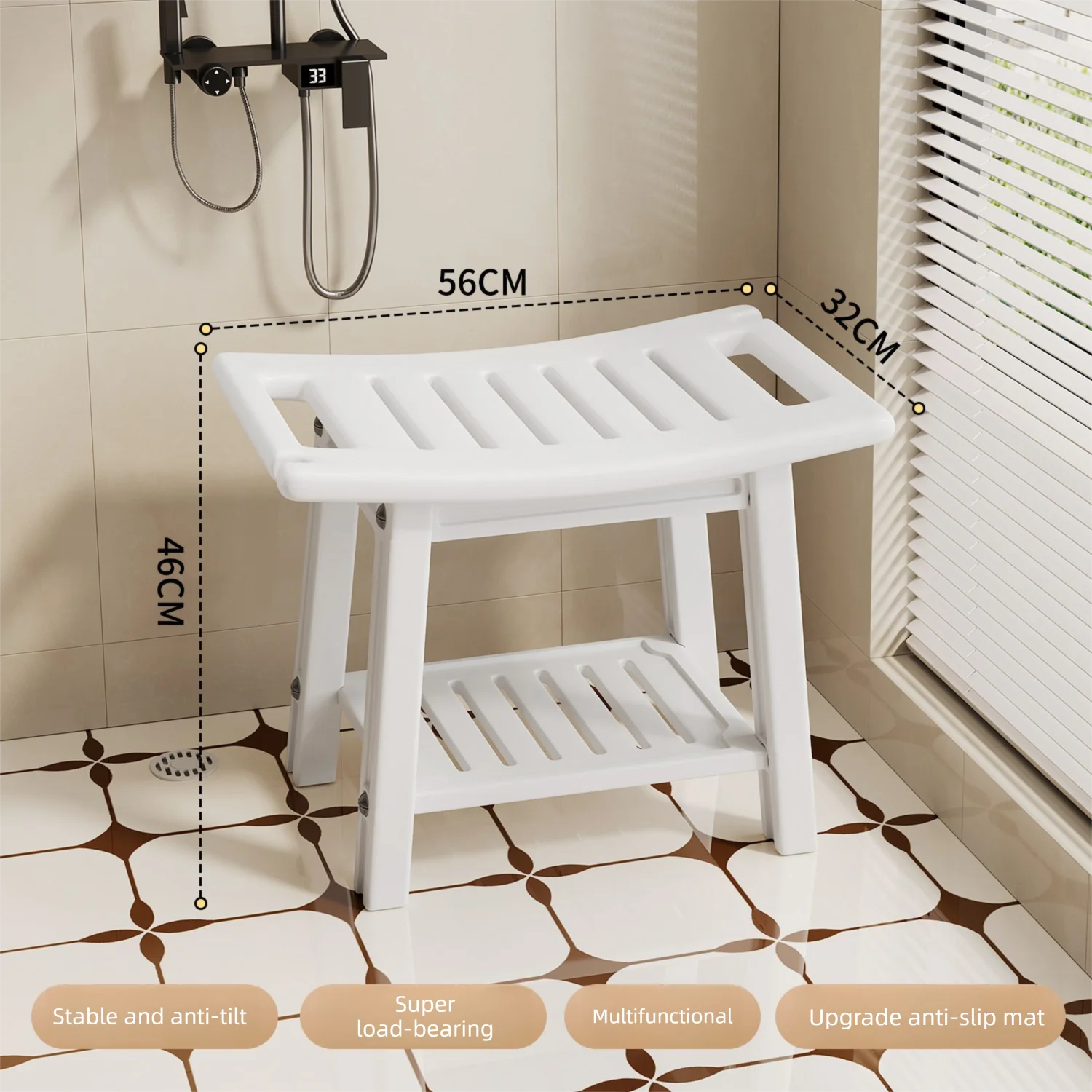
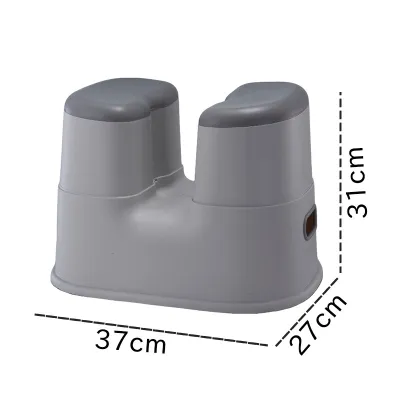
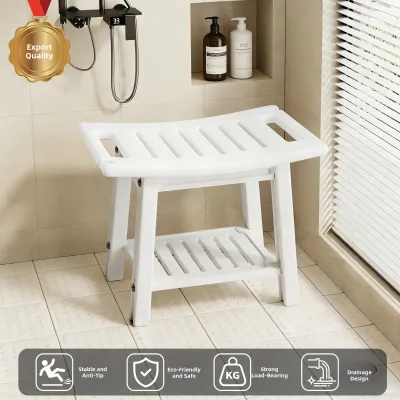
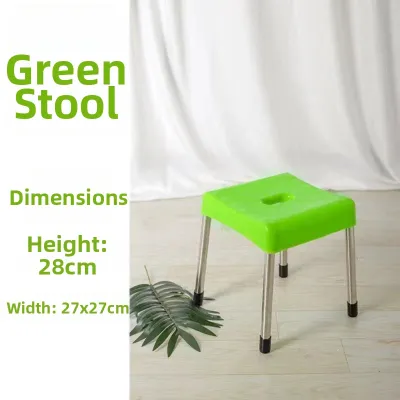
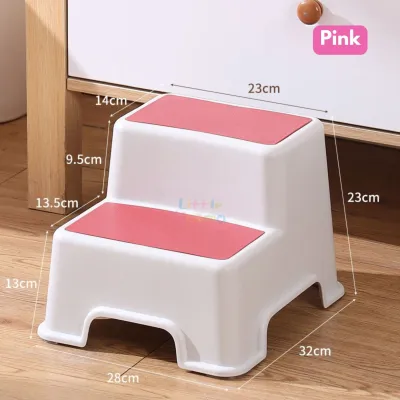
![[SG Stock]Anti Slip Design Bathroom Chair Squat Step Stool Potty Toilet Portable Sturdy Footstool Toilet Training](https://img.lazcdn.com/g/p/6aef88552f03e0481efb01a91808244c.jpg_400x400q80.jpg_.webp)
Prices are valid at publication and may change. Please refer to the product page for the latest price.
The psychological aspect of potty training also introduces unique physical risks. Toddlers are easily distracted by sights and sounds, or they may experience sudden urgency that prompts quick, uncoordinated movements. A child rushing to reach the toilet or turning around hastily on a step stool can easily destabilize a poorly designed platform. Recognizing these combined environmental, physical, and behavioral risks is the first step in selecting a stool that can withstand the dynamic reality of daily bathroom use.
How to Evaluate Non-Slip Grips and Stepping Surfaces
When shopping for a non-slip bathroom stool, the quality of the traction materials is paramount. Begin by inspecting the underside of the stool, specifically focusing on the base grips. High-quality stools feature continuous rubberized borders or large, strategically placed rubber pads on the feet rather than tiny, thin plastic nubs. The grip material should feel pliable and slightly tacky to the touch, indicating high-friction properties, rather than hard and plasticky, which will slide easily on smooth tiles.

Look closely at how these base grips are attached to the stool’s frame. Grips that are co-molded or chemically bonded to the plastic during manufacturing are far more durable than adhesive-backed rubber pads, which can easily peel off when exposed to constant moisture and cleaning chemicals. Deep tread patterns or grooved channels on the bottom of the grips also help disperse standing water, ensuring direct contact with the tile surface.
Next, evaluate the top stepping surface where your toddler will stand. A safe stepping surface must have built-in, raised textures—such as dense patterns of raised rubber nodules, deep molded ridges, or integrated high-traction pads—to prevent bare or sock-covered feet from sliding. Avoid stools with completely smooth plastic tops, as soapy water from handwashing can instantly turn them into a major hazard.
Before allowing your child to use any new stool, perform a simple manual safety check. Place the stool on your bathroom floor and attempt to push it from the side, first on a completely dry surface and then on a slightly damp surface. A secure stool should resist sliding and require significant force to move. If the stool slides easily under moderate hand pressure, its base grips are insufficient for a wet bathroom environment, and it should not be used for potty training.
Checking Structural Stability and Weight Limits
Structural stability is the foundation of a safe toddler stool. To evaluate this, compare the size of the stool’s base footprint to the size of its top stepping surface. A safe design features a base that is significantly wider and longer than the top platform, creating a flared, pyramidal shape. This wide stance lowers the overall center of gravity, ensuring that even if a toddler stands near the edge, their weight remains centered within the footprint to prevent tipping.
The height of the stool must also be proportional to its base width, with taller stools requiring an even wider footprint. If you are considering a double-step stool, verify that each step is deep enough to accommodate your child’s entire foot and that the transition does not cause wobbling. Avoid narrow, lightweight utility stools designed for adults, as these lack the stable, low-slung geometry required for active toddlers.
Always locate and read the manufacturer’s maximum weight capacity label, typically molded into the plastic or printed on a permanent sticker on the underside. Never estimate the weight limit based on appearance. While your toddler may weigh far less than the limit, a higher weight rating indicates stronger structural reinforcement, thicker plastic walls, and better resistance to flexing under dynamic loads.
Examine the physical construction for potential injury points by running your hands along all edges to ensure they are smooth and rounded. Check the entire body for gaps, hinges, or moving parts. In a wet environment, small gaps can trap moisture and breed mold, while moving parts present pinching hazards. A solid, single-piece molded plastic construction is generally the safest and most hygienic option.
Safe Placement and Supervision During Potty Training
Proper placement of the stool is just as important as its built-in safety features. Position it on a flat, level section of the floor, away from direct water splash zones like the edge of the bathtub or shower. Standing water can compromise even the best non-slip grips over time. Ensure the stool is placed flush against the toilet or vanity to eliminate gaps where a foot could slip down.
Be mindful of surrounding fixtures when positioning the stool, keeping it clear of towel racks, toilet paper holders, or wall-mounted cabinets. Toddlers naturally reach out for support when climbing, and pulling on a loose fixture can lead to a serious fall. If your child needs assistance balancing, consider installing dedicated, wall-anchored safety grab bars, or teach them to place their hands on the stable porcelain rim of the toilet bowl.
Teaching your toddler safe habits is a critical component of bathroom safety. Instruct your child to always face the stool when stepping up and down, rather than turning their back to it. Encourage them to stand in the center of the stepping surface rather than leaning on the outer edges. Practice these movements together, reinforcing the rule that the stool is only for standing, never for jumping or sliding.
During the early stages of potty training, active, arms-reach adult supervision is mandatory. Never leave a toddler unattended in the bathroom, even for a brief moment to grab a towel. A caregiver should stand close enough to physically catch the child if they lose their balance. As coordination improves, you can gradually transition to close visual supervision, but maintaining a watchful eye remains essential.
Signs It Is Time to Replace the Bathroom Stool
Like all children’s gear, a non-slip bathroom stool has a limited lifespan and must be inspected regularly. Begin by checking the condition of the base grips. Over time, exposure to moisture, floor cleaning detergents, and friction will cause rubber grips to degrade. Look for smoothing of the textured tread, peeling edges, or rubber that has become hard or brittle. If the grips lose their pliability, they will no longer provide adequate traction on wet tiles.
Inspect the structural integrity of the stool’s frame. Look closely for stress cracks, which often appear as thin, white lines in colored plastic around the legs, corners, and support ribs. Check for any warping of the plastic or unevenness in the legs that causes the stool to wobble on a flat surface. Any compromise in the structural frame can lead to a sudden collapse, making immediate replacement necessary.
Finally, monitor your child’s physical growth in relation to the stool’s specifications. As toddlers grow taller and heavier, their center of gravity shifts, and they may outgrow the physical dimensions of their first step stool. If your child’s feet extend past the edges of the stepping surface, or if their weight approaches the manufacturer’s specified limit, it is time to transition to a larger step solution.
Frequently Asked Questions (FAQ)
Can I add aftermarket non-slip pads to a regular stool?
Before attempting to modify any household stool, always consult the original manufacturer’s guidelines, as unauthorized alterations can compromise the product’s safety and void any existing warranties. Adding aftermarket non-slip tape or adhesive rubber pads to a standard wooden or plastic stool is generally not recommended for wet bathroom environments. The adhesives used on consumer-grade non-slip pads are highly susceptible to failure when exposed to constant humidity, water splashes, and bathroom cleaning agents. Over time, these pads can peel, curl at the edges, or slide out of position under a child’s weight, creating an unexpected tripping hazard. Furthermore, modifying a stool does not alter its fundamental geometry; a standard household stool often lacks the wide, flared base and low center of gravity required to prevent tipping when an active toddler climbs onto it.
Are foldable step stools safe for potty training?
Foldable step stools are popular for their space-saving designs, but they generally present higher safety risks than solid, fixed-structure stools in a wet bathroom setting. The primary concern with foldable designs is the presence of multiple hinges and moving parts, which create potential pinch points for a toddler’s small fingers and toes during setup or use. Additionally, foldable stools rely on locking mechanisms to maintain their structural integrity. In a high-movement environment like potty training, if a locking mechanism is not fully engaged, or if it wears out over time, the stool can collapse unexpectedly under a child’s weight. Uneven bathroom tiles can also prevent the folding legs from locking securely into place. For primary potty training and daily bathroom use, a solid, single-piece molded stool is highly recommended due to its superior rigidity, lack of moving parts, and consistent stability.

Community discussion
Share your experience or ask a question. Comments are reviewed before publication.