
When setting up a baby’s nursery, selecting a kids toys organizer requires prioritizing physical stability and chemical safety over aesthetics. The most critical safety features include robust tip-over prevention (such as wall anchors), non-toxic and certified low-emission materials, and a physical design free of sharp edges, heavy slamming lids, or entrapment gaps. Parents must always verify the manufacturer’s specified age limits and weight capacities rather than assuming a product is safe based on its name or appearance.
Structural Stability and Tip-Over Prevention
A kids toys organizer with a high center of gravity or a narrow base is inherently prone to tipping. When a baby begins to pull themselves up to a standing position, they will naturally use any available ledge for leverage. Look for units that feature a wide, stable base and a low profile, which naturally keeps the center of mass closer to the floor and reduces the risk of accidental tipping.
Wall anchoring is a non-negotiable safety step for any nursery furniture. Many organizers come with basic plastic zip-ties or small brackets, but these may not be sufficient for drywall or concrete walls common in modern apartments. Parents should inspect the packaging to see if heavy-duty wall-anchoring hardware is included. If the provided hardware seems flimsy or is missing, purchasing a separate, high-quality furniture strapping kit (typically costing around S$10 to S$20) is a necessary step to secure the unit firmly to the wall.
Products mentioned in this guide
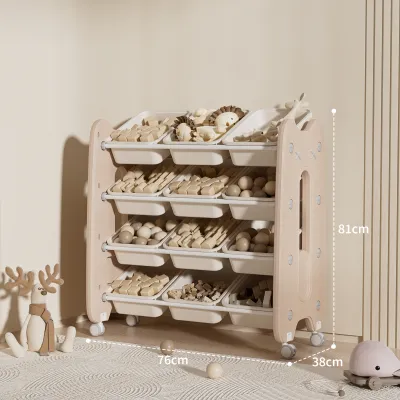
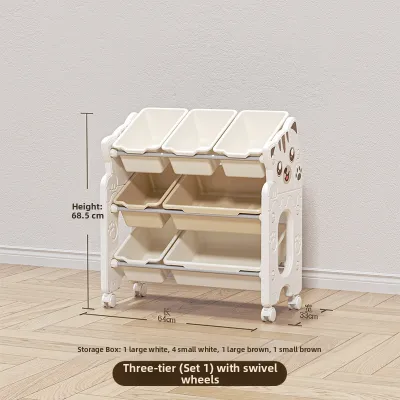
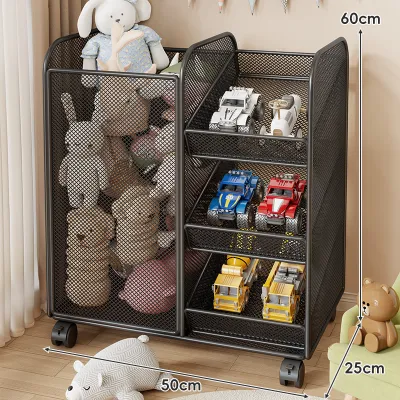
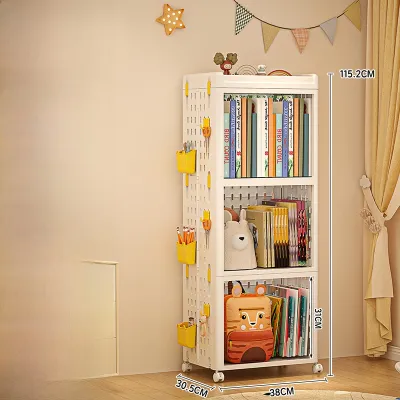
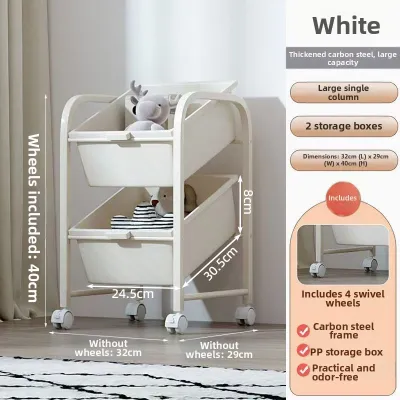
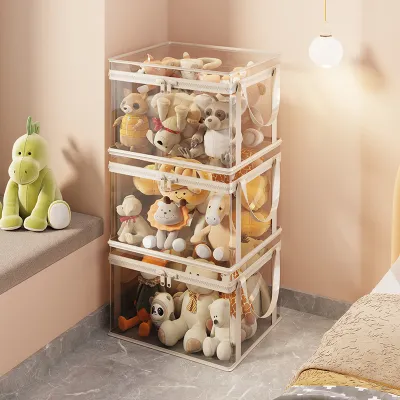
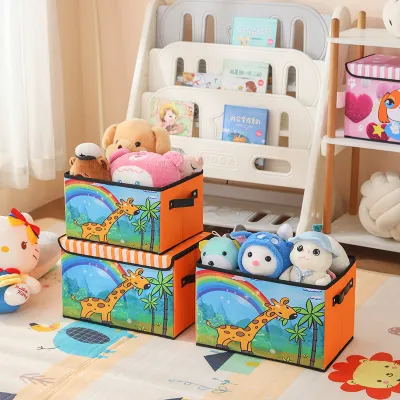
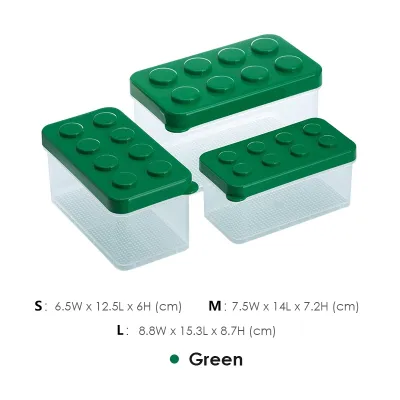
Prices are valid at publication and may change. Please refer to the product page for the latest price.
Drawers and pull-out bins present unique climbing hazards as children grow. Toddlers often view open drawers as a staircase to reach items on top of the organizer. If an organizer features sliding drawers, check for built-in safety stops that prevent the drawer from being pulled completely out of the frame. For units with removable bins, ensure the shelves supporting them are angled or recessed so the bins cannot easily slide off and fall onto a crawling child.
Material Safety and Non-Toxic Finishes
Nursery furniture must be free from harmful chemical emissions to protect your baby’s developing respiratory system. Babies frequently explore their environment with their mouths, making the chemical composition of a kids toys organizer a primary concern. Solid wood with natural oil finishes or water-based, lead-free paints are generally preferred over composite woods like particleboard, which may use adhesives containing formaldehyde. If selecting plastic organizers, verify that the plastic is food-grade and free from Bisphenol A (BPA) and phthalates.

Reading and verifying product labels is essential before bringing any furniture into the nursery. Look for manufacturer declarations regarding chemical emissions and material safety standards, such as compliance with international toy safety regulations or low-VOC (volatile organic compound) certifications. Because these certifications are dynamic and product lines change, parents should cross-reference the manufacturer’s claims with official databases or product manuals rather than relying solely on retail descriptions.
Off-gassing is a common issue with newly unboxed furniture, especially units made with synthetic glues or heavy varnishes. If a strong chemical or paint odor is detected upon opening the packaging, this indicates the release of volatile compounds. It is best to assemble the unit in a well-ventilated space outside the nursery, such as a balcony or a room with open windows, and allow it to air out for several days until the odor completely dissipates before placing it near the baby’s crib.
Physical Design: Edges, Hinges, and Entrapment Risks
Sharp corners pose a significant impact risk for active infants who are learning to navigate their surroundings. As babies learn to crawl and take their first steps, bumps and falls are inevitable. Inspect the kids toys organizer for rounded corners and softened edges. If a preferred wooden unit has sharp corners, consider applying temporary, soft corner guards, ensuring they are securely attached so they do not become choking hazards.
Lids and hinges require careful evaluation to prevent painful pinch injuries. A heavy toy box lid can easily slam down on small fingers or trap a child inside. If the organizer has a lid, it must feature a slow-close safety hinge or lid support that holds the lid open at any angle. Alternatively, look for designs with generous finger clearances—gaps of at least 12 millimeters between the lid and the box—or opt for open-top storage entirely to eliminate this risk.
Entrapment risks also exist in gaps, slats, and open shelving dimensions. Check the spacing between any vertical slats, open shelves, or decorative cutouts on the organizer. Gaps should either be small enough to prevent a child’s limb from entering, or wide enough to ensure that if a hand or head does get through, it can be withdrawn easily without getting stuck. Avoid units with complex lattice designs or narrow openings that could trap fingers.
How to Verify Safety Claims Before Buying
Before making a purchase, always locate the official product manual or detailed manufacturer listing. Do not rely on generic product titles on online marketplaces, which often use buzzwords without backing them up. Check for explicit age recommendations, weight limits for individual shelves, and maximum height restrictions. A kids toys organizer designed for older children may feature small parts or structural elements that are unsafe for an infant’s nursery.
Look for verifiable safety standard markings on the product packaging or description. Depending on the region of manufacture, look for recognized safety compliance labels that indicate the product has undergone physical and chemical testing. If a seller on an ecommerce platform cannot provide documentation of these safety standards, it is safer to choose an alternative product from a transparent manufacturer.
User reviews can provide valuable real-world safety insights that are not mentioned in the product description. Search customer feedback specifically for terms like “wobble,” “smell,” “broken,” or “tipping.” If multiple reviews mention that the unit arrived with stripped screw holes, flimsy anchoring hardware, or a persistent chemical odor, these are clear warning signs that the product may not meet nursery safety requirements.
Safe Placement and Ongoing Maintenance in the Nursery
The physical placement of the kids toys organizer within the nursery is just as important as its design. Position the unit far away from windows to prevent children from climbing the organizer to reach window sills or blind cords, which present serious strangulation hazards. Additionally, keep the organizer clear of the crib, changing table, or other furniture that a child could use as a stepping stone to reach higher, unsecured shelves.
Regular maintenance is required to ensure ongoing safety as your child grows and becomes more active. Over time, daily use can loosen screws and weaken wall anchors. Establish a routine check every few months to inspect the stability of the organizer. Shake the unit gently to check for wobbling, tighten any loose hardware, and inspect the wall straps to ensure they remain securely anchored to the wall stud or masonry.
Know when to retire or repair the organizer to prevent accidents. If you notice cracked wooden panels, stripped anchor screws that no longer hold tight, or a malfunctioning slow-close hinge, immediately restrict access to the unit. Do not attempt temporary fixes with tape or glue. If the structural integrity is compromised and cannot be repaired using original manufacturer parts, the organizer should be removed from the nursery entirely.
Frequently Asked Questions (FAQ)
Are fabric toy bins safer than hard plastic or wood for a nursery?
Fabric bins offer distinct safety advantages for a baby’s nursery, primarily because they lack hard edges and sharp corners, significantly reducing the risk of impact injuries. They are also lightweight, meaning they pose virtually no tipping hazard if pulled down. However, parents must still inspect these bins carefully. Check if the bin has an internal wire or cardboard frame that could bend or expose sharp points if damaged. Additionally, ensure the fabric is durable, free from loose threads or decorative buttons that could become choking hazards, and made from materials that do not retain moisture, especially in humid climates where mold can develop.
At what age should I transition to a toy organizer with a lid?
It is generally safest to avoid toy organizers with heavy lids during infancy and early toddlerhood, typically up to the age of two or three. Crawling babies and young toddlers do not have the motor control or situational awareness to safely manage lids, even those equipped with slow-close hinges. Open-top bins or low, open shelves are much safer alternatives that also encourage independent play and easy cleanup. Consider transitioning to lidded storage only when your child can consistently demonstrate the physical strength and cognitive ability to open and close the lid safely without risk of pinching their fingers or trapping themselves inside.

Community discussion
Share your experience or ask a question. Comments are reviewed before publication.