
Trimming a baby’s paper-thin, rapidly growing nails can be a nerve-wracking task for any parent. Because infants frequently squirm and have incredibly soft skin surrounding their tiny nail beds, using the correct tool is paramount. Selecting a dedicated baby nail clipper with specific physical safeguards ensures you can maintain hygiene without the constant fear of cutting delicate fingertips. While advanced features like LED lights and magnifying glasses offer extra visibility, the core structural design is what physically prevents accidental nicks.
Why Standard Nail Clippers Are Unsafe for Babies
Standard adult nail clippers are designed for thick, rigid nail plates that require a high amount of pressure to cut. An infant’s nails, by contrast, are exceptionally soft, pliable, and closely fused to the underlying skin pad. Using a tool designed for adults on a baby often results in the blade catching the surrounding skin, leading to painful cuts and potential infections.
The physical scale of adult tools is also entirely mismatched for a baby’s tiny fingers. Standard adult clippers feature wide, straight, or deeply curved blades designed for larger surface areas. When used on an infant, these blades easily overlap the tiny nail border, making it nearly impossible to see where the nail ends and the skin begins.
Products mentioned in this guide
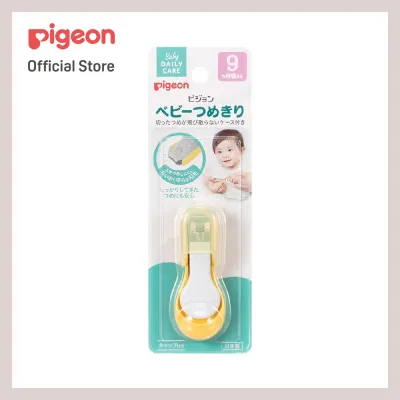
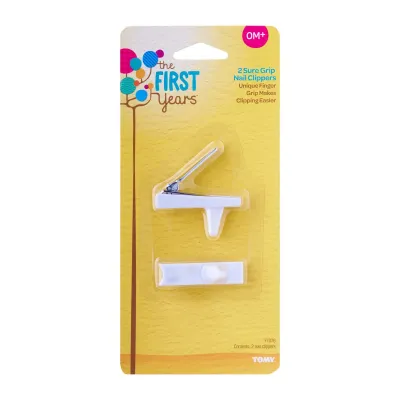
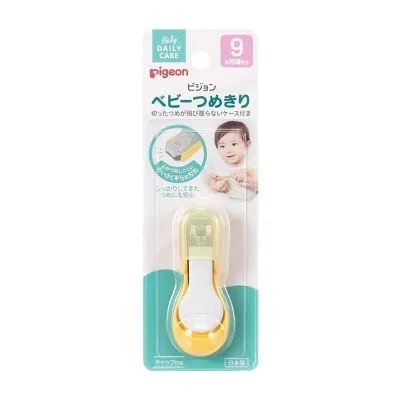
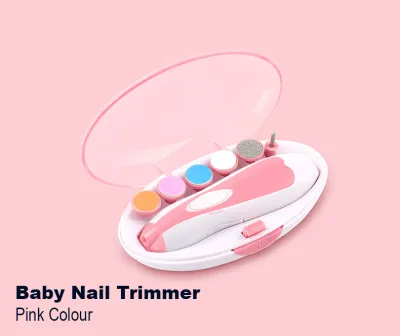

Prices are valid at publication and may change. Please refer to the product page for the latest price.
Furthermore, the developmental transition of a baby’s nails requires different care stages. During the first few weeks of life, a newborn’s nails are so soft and adhered to the skin that manual clipping is generally discouraged. Caregivers typically start with gentle emery boards or files to smooth down sharp edges. As the nail plate gradually hardens and separates slightly from the nail bed, transitioning to a specialized manual clipper becomes necessary to manage the faster, tougher growth safely.
Must-Have Safety Features in a Baby Nail Clipper
When shopping for a baby nail clipper, certain structural designs are non-negotiable for physical safety. The first feature to look for is rounded or blunt outer tips. Unlike adult clippers that often have pointed corners or sharp metal edges near the hinge, baby-specific designs ensure that if the baby jerks their hand suddenly, the tool will not pierce or scratch the skin.

Another essential feature is a built-in safety guard or shield. This physical barrier limits how much of the nail can enter the cutting zone, preventing the blades from reaching the sensitive nail bed or cutting the nail too short. This structural limit acts as a reliable buffer against over-trimming, giving caregivers more confidence during the process.
Ergonomic, non-slip handles are equally critical for maintaining control. Look for clippers with oversized, loop-shaped, or rubberized handles that allow you to maintain a firm, steady grip. A larger handle provides better leverage, reducing the force needed to make a clean cut and preventing the tool from slipping out of your hand mid-trim.
Finally, the cutting edges should have a gentle, shallow curve that mimics the natural contour of an infant’s tiny fingernails. This allows you to trim the nail in a single, smooth motion rather than making multiple straight cuts that leave sharp, jagged corners. A well-designed curved blade ensures a clean finish that reduces the need for subsequent filing.
Advanced Features for Extra Peace of Mind
Beyond the essential structural designs, several advanced features can provide extra peace of mind. Built-in magnifying glasses are a popular addition, featuring a small, fold-away lens attached to the handle. This lens enlarges the tiny nail and cuticle area, helping you align the blades precisely, which is particularly helpful for caregivers who struggle with close-up vision.
Integrated LED lights are another highly useful enhancement. Trimming nails while a baby is asleep is a common strategy, and an integrated light illuminates the fingertip directly. This casts away shadows without requiring you to turn on bright overhead lights that might wake the baby, making it ideal for quiet, low-light environments like air-conditioned nurseries.
However, it is important to evaluate whether these advanced features add genuine value or simply create unnecessary bulk. If a clipper is too heavy or awkward to hold, it may compromise your grip stability. Consider whether you truly need these additions or if a simple, well-designed manual clipper under a good reading lamp is more comfortable for your hand size.
For highly active infants who refuse to sit still, electric nail files serve as an alternative safety mechanism. These devices use rotating cushioned pads to gently file down the nail through friction, virtually eliminating the risk of cutting the skin. However, they do take longer to use, require batteries, and make a soft humming noise that might startle some babies.
How to Verify Safety and Suitability Before Buying
Before making a purchase, it is essential to validate manufacturer claims and ensure the tool matches your baby’s current growth stage. Always check the product packaging for specific age, weight, or developmental recommendations rather than relying on generic marketing. Some clippers are specifically sized for newborns, while others are designed with larger openings for toddlers.
Verify the material safety and durability claims by checking the official packaging and manufacturer specifications. Look for rust-resistant stainless steel blades and BPA-free plastics. High-quality materials ensure the blades remain sharp over time; dull blades can crush or tear the nail rather than cutting it cleanly, which increases the risk of injury.
Immediately upon unboxing, inspect the tool’s physical construction. Check that the blades align perfectly without overlapping unevenly, and test the hinge tension to ensure it moves smoothly without sticking. Verify that any built-in guards or shields are securely attached and do not wobble, as loose parts can compromise safety.
Lastly, recognize the physical signs that indicate it is time to upgrade your grooming tools. As your child grows, their nails will thicken and their fingers will enlarge. If you notice that the clipper’s opening is too narrow to easily fit the nail, or if you have to apply excessive pressure to make a cut, it is time to transition to a toddler-sized tool.
Safe Trimming Practices to Minimize Risks
Even the safest tool requires proper handling techniques to minimize risks. The optimal timing for trimming is when your baby is calm, distracted, or asleep. Many parents find that immediately after a bath is ideal, as the nails are at their softest. Alternatively, trimming during a quiet feeding session or while the baby is in a deep sleep minimizes sudden movements.
Ensure you have a clear, unobstructed line of sight by working in a well-lit room. Position yourself so your own shadow does not fall across the baby’s hand. Holding the baby securely in your lap, facing away from you, allows you to control their arm and hand movements naturally while maintaining a clear view of the fingertips.
When trimming, gently grasp one of the baby’s fingers and use your thumb to pull the skin pad at the tip of the finger downward and away from the nail edge. This isolates the nail plate and creates a safe clearance zone, ensuring the blade only contacts the nail itself. Work slowly, trimming one nail at a time with deliberate movements.
If an accidental nick occurs, do not panic. Immediately apply gentle pressure to the cut using a clean, sterile cloth or tissue until the bleeding stops. Avoid applying standard adhesive bandages to an infant’s fingers, as babies frequently put their hands in their mouths, creating a serious choking hazard. If the bleeding does not stop after several minutes of continuous pressure, or if you notice signs of infection like redness, swelling, or warmth, consult a pediatrician or qualified medical professional.
Frequently Asked Questions (FAQ)
At what age can I start using a baby nail clipper?
You can generally transition to a baby nail clipper once your baby’s nails have hardened and separated slightly from the underlying skin, which often occurs around a few weeks to a couple of months of age. During the first few weeks, using a gentle emery board is usually recommended to prevent skin damage. Always check the specific manufacturer’s age recommendations on the packaging before your first use.
Are electric nail files safer than manual clippers?
Electric nail files are often considered safer for active babies because they use rotating emery pads to file the nail down, eliminating the risk of cutting the skin with a metal blade. However, they do have trade-offs. They require batteries, take longer to complete a full trim, and the gentle vibration or humming sound may occasionally make some infants restless.
What should I do if I accidentally nick my baby's finger?
If you accidentally nick your baby’s finger, press a clean, dry cloth gently against the cut to stop the bleeding. Do not apply standard adhesive bandages, as these can easily slip off and pose a choking hazard if the baby puts their fingers in their mouth. Keep the area clean, and consult a pediatrician if the bleeding persists or if you observe any signs of localized infection.

Community discussion
Share your experience or ask a question. Comments are reviewed before publication.