
When selecting a baby storage box for your nursery, safety must take precedence over aesthetics and convenience. A safe storage box must be free from toxic chemicals, designed without sharp edges or heavy, pinching lids, structurally stable to prevent tipping, and properly ventilated. Parents should look for clear manufacturer declarations regarding materials, inspect physical designs for potential hazards, and integrate the storage unit safely into the nursery layout. By focusing on these physical and chemical safety checks, caregivers can create an organized space that protects curious infants and toddlers as they explore their environment.
Material Safety and Toxicity Checks
Chemical safety in nursery furniture and storage is paramount because babies frequently touch, lick, and chew on nearby objects. When evaluating a baby storage box, the first step is to scrutinize the manufacturer’s material declarations. Look for explicit labels indicating that the product is free from bisphenol A (BPA), phthalates, and heavy metals. For plastic storage containers, check the recycling codes and product documentation to ensure they are made from food-grade or high-density plastics that do not leach harmful chemicals.
Wooden storage boxes offer a classic look but require careful inspection of their finishes. Unfinished solid wood or wood treated with natural, food-safe oils is generally a low-risk option. If the wood is painted, varnished, or lacquered, verify that the manufacturer specifies the use of non-toxic, water-based, or low-volatile organic compound (low-VOC) finishes. Formaldehyde is another chemical of concern, often found in composite wood products like medium-density fibreboard (MDF) or plywood; check for compliance with low-emission standards or opt for solid wood to minimize exposure.
Products mentioned in this guide
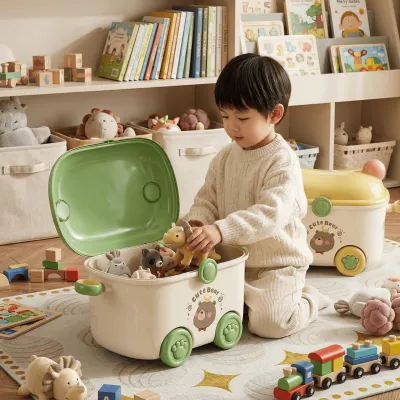
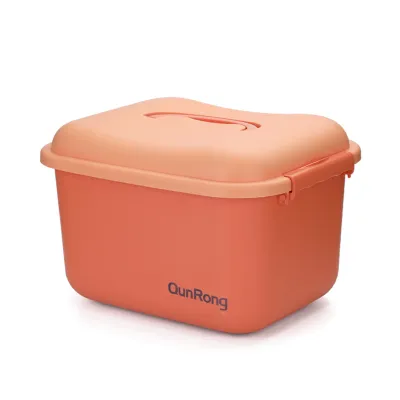
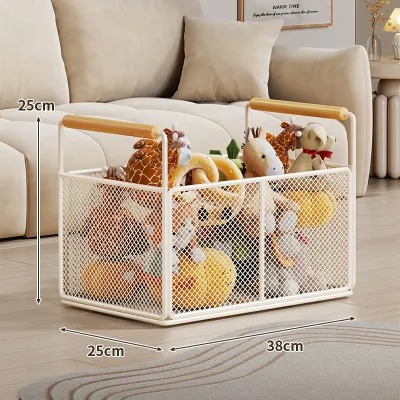
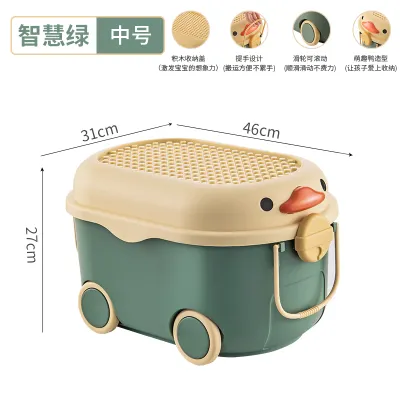
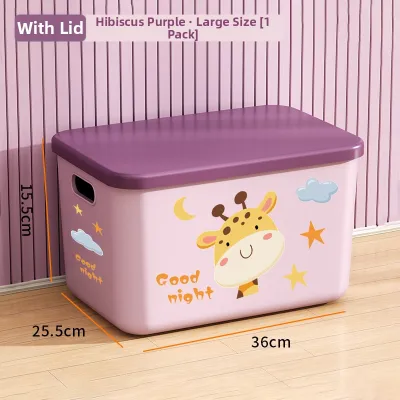
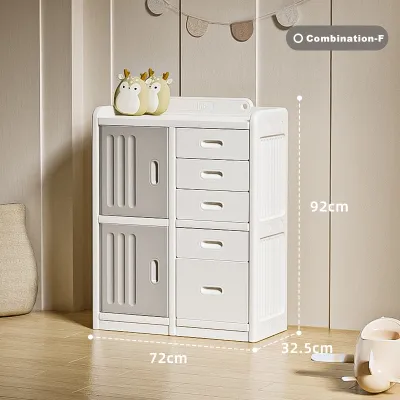
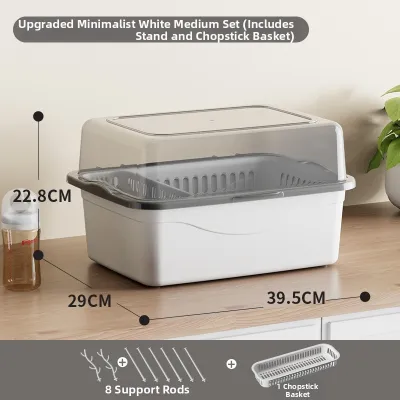
Prices are valid at publication and may change. Please refer to the product page for the latest price.
Fabric storage bins are popular for their soft texture, but they are not automatically free from chemical concerns. Many fabric bins utilize synthetic materials, chemical flame retardants, or water-resistant coatings that can off-gas. Caregivers should check product labels to confirm the fabrics are untreated and, where possible, choose natural fibers like organic cotton, linen, or canvas. If the fabric bin contains a stiffening insert, verify that the insert material is made from safe, odor-free cardboard or non-toxic plastic rather than low-grade composite wood.
A practical sensory check when unboxing any new storage container is the smell test. Strong, pungent chemical odors are a clear indicator of off-gassing volatile organic compounds or residual manufacturing chemicals. If a newly purchased baby storage box emits a noticeable chemical smell, place it in a well-ventilated area outside the nursery, such as a balcony or service yard, to air out for several days. If the odor persists after thorough airing, it is best to return the item and choose an alternative with verified non-toxic credentials.
Physical Design and Pinch-Point Prevention
As babies grow and begin to pull themselves up, they interact directly with nursery furniture, making physical design a critical safety factor. Inspect every edge, corner, and seam of the storage box before placing it in the nursery. A safe baby storage box should feature rounded corners and smooth, sanded edges to prevent scratches, scrapes, and impact injuries during active play. Avoid boxes with sharp plastic molding seams, splintered wooden edges, or exposed metal staples and screws.

Lids present some of the most significant physical hazards in nursery storage, particularly regarding finger pinching and crushing. Heavy, free-falling lids can easily trap small fingers or fall on a child’s head or hands. If you choose a storage box with a lid, look for models equipped with safety hinges or slow-close mechanisms that prevent the lid from slamming shut. Alternatively, look for designs with a built-in pinch-free gap—a deliberate space between the lid and the box frame that remains open even when the lid is lowered.
For many nurseries, lidless storage boxes or soft-lid alternatives are the safest choices. Open fabric bins, plastic baskets without lids, or boxes with soft, removable fabric lids eliminate the risk of lid-related injuries entirely. These options also make it easier for young children to access and put away their toys independently, promoting motor skill development without the physical hazards associated with heavy wooden or plastic lids.
Entrapment and suffocation are rare but severe risks associated with large, enclosed storage containers. If a storage box is large enough for a child to climb inside and features a latching or heavy lid, it must have adequate ventilation. In warm and humid climates like Singapore’s, proper ventilation is also essential to prevent mold and mildew on stored textiles. Verify that the box has built-in air holes, ventilation slots, or a completely open back to ensure a continuous supply of fresh air if a child accidentally becomes trapped inside. Never use airtight plastic storage tubs with snap-on lids for toy storage in areas where children play unsupervised.
Stability and Tipping Hazards
Tipping accidents represent a major hazard in nurseries as toddlers begin to climb furniture to reach toys. In compact living spaces like HDB flats or condominiums, maximizing vertical space is common, but it must not come at the expense of stability. When selecting a baby storage box, evaluate its physical stability by examining its base width and overall profile. Low-profile, wide-bottomed designs are inherently more stable because they have a lower center of gravity, making them much harder for a child to tip over. Avoid tall, narrow storage units or top-heavy designs that can easily wobble when pulled from the front.
Stackable storage boxes offer excellent space-saving benefits but require extra precautions to prevent tipping. If you plan to stack multiple storage units, ensure they feature secure interlocking mechanisms that prevent the upper boxes from sliding off. For any storage setup that exceeds a safe, low height, check if the manufacturer includes wall-anchoring hardware. If anchoring kits are provided, follow the installation manual precisely to secure the unit to a wall stud, preventing the entire stack from falling forward if a child attempts to climb it.
The way you organize and distribute weight within the storage box directly affects its stability. Always place the heaviest items, such as thick board books, wooden blocks, or heavy toys, in the bottom compartments or the lowest boxes. This practice keeps the center of gravity low and reduces the risk of the unit tipping over. Lighter items, like plush toys, blankets, and clothing, should be reserved for the upper shelves or higher storage bins.
Strategic placement within the nursery layout is another essential step in mitigating tipping and climbing hazards. Position storage boxes away from cribs, changing tables, windows, and other climbable furniture. A curious toddler might use a sturdy storage box as a step stool to reach a window latch or climb into a crib, leading to dangerous falls. Keep the area around the storage box clear of other objects that could facilitate climbing, and ensure the box sits on a flat, level surface, preferably secured on a firm rug or carpet.
Safe Usage and Nursery Layout Integration
Maintaining a safe nursery environment requires ongoing vigilance even after you have selected and installed the perfect storage box. Establish a routine maintenance schedule to inspect the storage units every few weeks. Check for loose screws, failing hinges, cracking plastic, or splintering wood that may have developed through daily wear and tear. Tighten any loose hardware immediately, sand down rough spots on wooden boxes, and replace any plastic or fabric bins that show signs of structural failure.
The contents of the storage box must also be managed carefully to prevent secondary hazards. Ensure that the storage box is not used to store items that pose choking, strangulation, or poisoning risks to young children. Keep small toy parts, baby lotions, diaper creams, and cleaning supplies in separate, locked cabinets out of reach, rather than in open nursery storage bins. Additionally, avoid overfilling the boxes to the point where heavy items could spill out and fall onto a child playing nearby.
Teaching children safe boundaries around nursery furniture is a vital part of injury prevention. Consistently reinforce the rule that storage boxes are functional furniture, not toys, and should never be used for hiding, climbing, or riding inside. If you observe your child attempting to climb into a storage bin, gently redirect them to safe play areas and explain the potential dangers. By combining physical safety features with active supervision and clear usage boundaries, you can ensure the nursery remains a secure space for growth and exploration.
Frequently Asked Questions (FAQ)
Are fabric storage bins safer than hard plastic ones?
Fabric storage bins are generally softer and lighter than hard plastic containers, making them less likely to cause impact injuries or bruised fingers if a child bumps into them or drops a bin during play. However, fabric bins are not universally safer; they still require careful verification. Caregivers must check that the fabric is free from harmful chemical treatments, such as flame retardants or stain-resistant coatings, and ensure the bin has no small, detachable parts that could become choking hazards. Additionally, fabric bins lack the structural rigidity of plastic, meaning they can collapse if overloaded, so it is important to respect the manufacturer’s recommended weight limits.
How can I make an existing storage box with a heavy lid safer?
If you already own a storage box with a heavy, free-falling lid, the simplest and safest modification is to remove the lid entirely, transforming the unit into an open-top storage bin. If removing the lid is not structurally feasible or desirable, you can install aftermarket safety hinges, lid supports, or soft-close dampers designed to hold the lid open at any angle and prevent it from slamming shut. While a high-quality safety hinge might add S$15 to S$30 to your setup cost, it is a worthwhile investment for peace of mind. Before purchasing these components, verify their compatibility with the weight and material of your specific storage box. If you are unsure about the installation process or the structural integrity of the modification, consult a qualified professional to ensure the lid is securely counterbalanced.

Community discussion
Share your experience or ask a question. Comments are reviewed before publication.