
To prevent accidental cuts when trimming a baby’s soft, fast-growing nails, the right kids nail cutter must prioritize physical barriers, enhanced visibility, and age-appropriate control. Newborn nails are incredibly thin and closely attached to the underlying skin, making standard adult clippers highly risky. By focusing on specialized safety features—such as physical guards, built-in lighting, and pressure-sensitive electric files—caregivers can confidently maintain hygiene without the fear of painful nicks or skin pinches.
Evaluating Physical Guards and Blade Designs
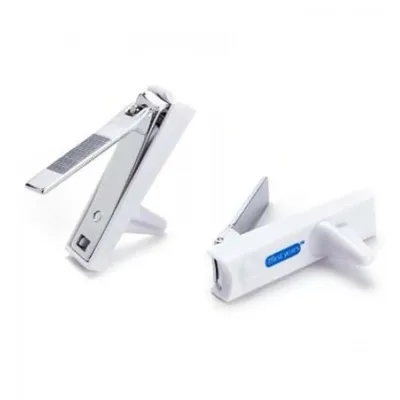
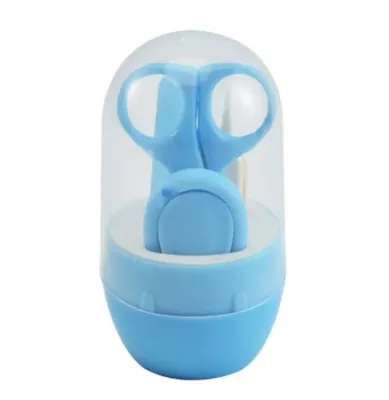
When selecting a manual kids nail cutter, the physical design of the blade is your first line of defense against accidental injuries. Traditional clippers often have wide, straight blades that can easily catch the surrounding skin of a tiny finger. Specialized baby clippers feature highly curved, ultra-short blades that match the natural contour of a child’s small nail bed. This curvature limits the amount of nail that can enter the cutting zone at one time, reducing the risk of taking off too much nail or pinching the fingertip.
Many safety-focused clippers incorporate a physical guard or plastic shield around the cutting edge. This guard acts as a barrier, allowing only the protruding nail to slide into the cutting slot while pushing the delicate skin of the fingertip away from the blades. Before purchasing, inspect the integrity of these plastic shields to ensure they are firmly attached, smooth, and free of sharp plastic flashing that could scratch the baby.
Products mentioned in this guide

![[TPP] Baby Nail Trimmer Pedicure Care Kit 防抓伤多功能婴儿电动磨甲器儿童指甲剪 SG INSTOCK](https://img.lazcdn.com/g/p/d4f9082b86431839465f7b4dd8204268.png_400x400q80.png_.webp)
![[SG SELLER] Electric Baby Nail Trimmer with LED Light 6 in 1 Baby Nail File Kit No Claws Hurt for Newborn Toddler](https://img.lazcdn.com/g/p/02552c6b2758eefb2cb6fa7e9c4e898d.jpg_400x400q80.jpg_.webp)
Prices are valid at publication and may change. Please refer to the product page for the latest price.
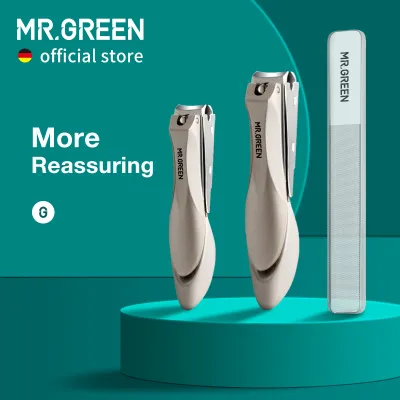
The handle design and overall ergonomics of the tool play an equally critical role in preventing slips. Look for clippers with oversized, non-slip loops or textured rubber grips that fit securely in an adult hand. A wider handle provides better leverage and control, reducing the fine motor strain on the caregiver. Additionally, check for a smooth, controlled spring mechanism that requires deliberate pressure to close, which prevents the blades from snapping shut unexpectedly if the child wiggles.
Utilizing Visual Aids and Lighting Features
Trimming a baby’s nails requires extreme precision, which is often compromised by poor lighting or shadows cast by the caregiver’s own hands. Built-in LED lights integrated directly into the body of the nail cutter help solve this issue by illuminating the exact point of contact. This focused light shines through the translucent edge of the baby’s nail, making the boundary between the nail plate and the sensitive quick highly visible. When evaluating tools with built-in lights, verify that the light is positioned to shine directly on the blade tip without casting a shadow from the tool itself.

Some manual clippers also feature integrated magnifying glasses attached to the top of the handle. These magnifiers typically offer a twofold or threefold magnification, helping caregivers clearly see the tiny nail bed. However, these lenses have specific focal distances and limitations. If the tool is held too close or too far, the image will blur, which can cause misjudgments. Caregivers should test the magnifying attachment to ensure it can be adjusted easily and stays securely in place during use.
Even with built-in visual aids, relying solely on the tool’s lighting is rarely sufficient. Trimming should always be performed in a well-lit room, preferably near a window with soft, natural daylight or under a bright, overhead lamp. Position yourself so your body does not block the light source, and use the tool’s built-in features as supplementary illumination to eliminate micro-shadows around the fingertip.
Considering Electric Nail Trimmers as Alternatives
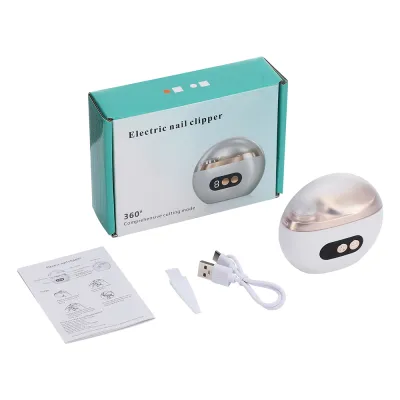
Electric nail trimmers, which use rotating abrasive pads to file down the nail rather than cutting it, offer a highly effective alternative to traditional blades. These devices eliminate the risk of cutting the skin entirely because they do not use sharp edges. Instead, they gently wear down the nail plate. To use these tools safely, caregivers must match the grit of the abrasive pad to the child’s age and developmental stage, as recommended by the manufacturer. Pads are typically color-coded, ranging from ultra-fine grits for newborns to coarser textures for toddlers with thicker nails.
Safety in electric trimmers also relies on built-in mechanical safeguards. High-quality electric files feature cushion-backed filing pads that absorb excess pressure, preventing the rotating head from pressing too hard against the skin. More importantly, look for devices equipped with an automatic stop mechanism. This feature immediately halts the motor if the filing pad encounters too much resistance, such as when it accidentally presses against the soft skin of the fingertip rather than the hard nail.
Motor noise and vibration levels are additional factors that can impact safety. A loud, vibrating motor can startle a sensitive child, causing sudden movements that increase the risk of friction burns or slips. When selecting an electric trimmer, look for models designed with quiet motors that operate with minimal vibration. This allows caregivers to file the child’s nails while they are asleep or relaxed, minimizing resistance and movement.
Establishing Safe Usage Practices and Stopping Conditions
Even the most advanced safety features cannot replace careful preparation and proper technique. The optimal time to trim a baby’s nails is when they are calm, distracted, or sleeping. Many parents find that trimming immediately after a bath is ideal, as the nails are at their softest, or during a quiet feeding session when the child’s hands are relatively still. Ensure the environment is free of sudden distractions and that you have a stable, comfortable seat.
To minimize the risk of nicks, use a secure holding technique. Hold the baby’s hand firmly but gently, and use your thumb to pull the skin of the fingertip backward, away from the nail edge. This action isolates the nail plate and creates a clear gap between the nail and the underlying skin bed. Work on one finger at a time, keeping your fingers positioned to stabilize the joint closest to the nail to prevent sudden jerks.
If an accidental nick does occur, remain calm and execute low-risk first aid immediately. Press a clean, dry cloth or sterile gauze pad firmly against the cut to stop the bleeding. Avoid using liquid bandages, adhesive plastic bandages, or unverified topical ointments on a baby’s hands, as infants frequently put their fingers in their mouths, posing a choking or ingestion hazard. Most minor nicks stop bleeding within a few minutes with gentle pressure alone.
Caregivers must monitor the nick for signs of complications. If the bleeding does not stop after several minutes of continuous, gentle pressure, or if the cut appears deep, seek medical attention. Over the following days, inspect the finger regularly for signs of infection, such as localized redness, swelling, warmth, or discharge. If any of these symptoms develop, stop all trimming activities on that hand and consult a pediatrician promptly.
Frequently Asked Questions (FAQ)
How often should I trim my baby's nails?
A baby’s nails grow surprisingly fast, often requiring trimming once or twice a week during the first few months of life. Observe the length of the nails relative to the fingertip; if the nail extends past the edge of the finger or feels sharp, it is time for a trim. Toddlers may require less frequent trimming, typically once every one to two weeks, depending on their activity level and how quickly their nails grow. Regularly check for jagged edges that could cause scratches on the child’s face or body.
Are adult nail clippers safe for toddlers?
Adult nail clippers are generally unsafe for toddlers because their blades are too wide and have a curvature designed for much larger nail beds. Using adult tools increases the risk of cutting the surrounding skin or clipping too deep into the nail bed. Additionally, adult clippers lack safety guards, have longer handles that provide too much leverage for delicate tasks, and block the caregiver’s view of the tiny fingertip, making accidental cuts far more likely.

Community discussion
Share your experience or ask a question. Comments are reviewed before publication.