
When preparing for daily outings with a newborn, having a reliable nursing bag is essential for keeping your routine structured and stress-free. A well-designed bag acts as a portable organization station, ensuring that feeding supplies, diapers, spare clothes, and personal items are always within arm’s reach. Rather than choosing a bag based solely on style, focusing on functional features like intuitive compartment layouts, durable materials, and ergonomic carrying options will make your transitions out of the house much smoother.
Evaluating Internal Compartments for Newborn Essentials
An organized interior is the foundation of any practical nursing bag, preventing you from rummaging through a chaotic main compartment during urgent moments. When evaluating potential bags, look closely at how the internal space is divided and whether the layout supports your daily routine.
Insulated bottle pockets are key if you plan to carry expressed milk, warm water, or prepared formula. Check the physical dimensions of these pockets to ensure they accommodate your preferred bottle brand, as wide-neck bottles require wider slots than standard narrow bottles.
Products mentioned in this guide
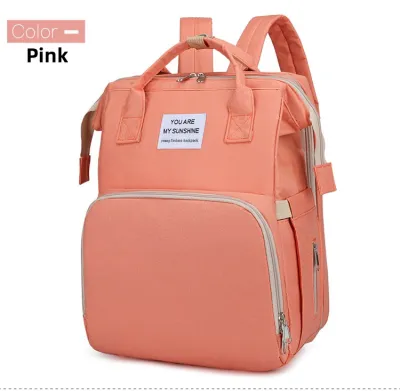
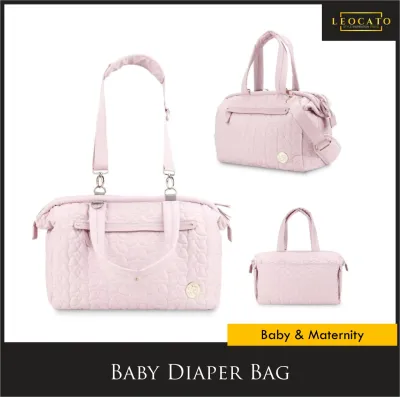
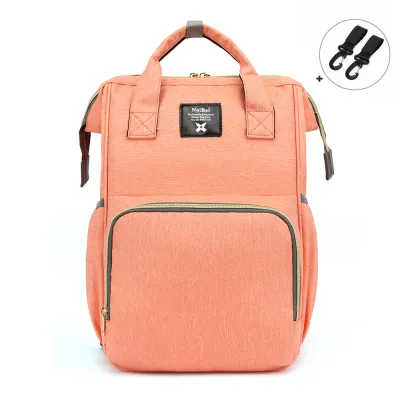
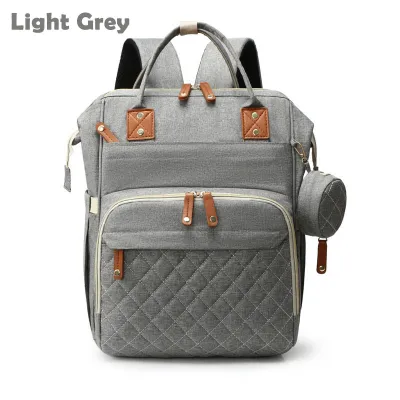
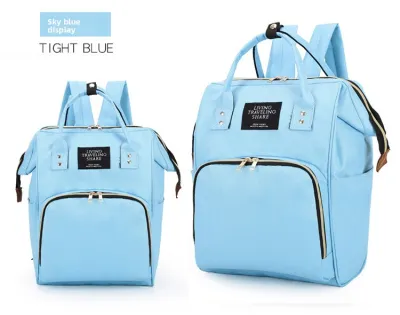
Prices are valid at publication and may change. Please refer to the product page for the latest price.
Quick-access zones are critical for managing sudden diaper changes. Look for dedicated exterior pockets or top-access compartments designed specifically for baby wipes and clean diapers. Some bags feature a specialized side pocket with a slit that allows you to pull out individual wipes without opening the entire bag.
Wet and dry separation is essential for maintaining hygiene on the go. Newborns frequently require clothing changes due to spit-ups or diaper leaks, so a dedicated waterproof compartment or a removable zippered pouch is invaluable for keeping soiled garments isolated from clean items.
Finally, do not overlook your own storage needs. A secure, zippered compartment located near the top or back of the bag provides a safe space for your phone, wallet, and keys, keeping your personal items separated from baby gear.
Choosing the Right Carrying Style and Exterior Material
The way you carry your nursing bag and the materials it is made of will directly impact your physical comfort and the bag’s longevity. Selecting a style that matches your primary mode of transportation is highly beneficial.

Backpacks are the most ergonomic option because they distribute weight evenly across both shoulders, keeping your hands completely free to hold your baby or push a stroller. Totes offer a classic look and a wide top opening for easy visibility, making them convenient for quick car trips, though they can cause shoulder strain if carried for extended periods. Crossbody bags are excellent for short, light outings where you only need a minimal selection of essentials.
Stroller compatibility is highly practical, but it must be approached with safety in mind. Many nursing bags come with integrated stroller straps or clips. Before using them, always consult your stroller manufacturer’s user manual to verify weight limits, as hanging a heavy bag on the handlebar can alter the stroller’s center of gravity and create a serious tip-over hazard.
The exterior material should be durable enough to withstand daily wear while remaining easy to clean. Water-resistant fabrics like high-density nylon or treated polyester are excellent choices, especially in humid or rainy climates. These materials allow you to easily wipe away milk spills and dirt, preventing moisture from soaking into the fabric and causing unpleasant odors.
Additionally, pay close attention to the quality of the hardware. Look for robust, smooth-gliding zippers with large pulls that can be operated easily with one hand. Reinforced stitching at the strap attachment points and heavy-duty metal or high-grade plastic clasps will ensure the bag can handle the weight of a full load.
Assessing Practical Add-ons for On-the-Go Care
Many nursing bags come bundled with various accessories intended to simplify outdoor care. While some of these add-ons are highly practical, others may simply add unnecessary bulk or cost to your purchase.
A portable changing pad is one of the most useful accessories included with a nursing bag. Check if the included pad is sufficiently cushioned to protect your baby from hard public changing surfaces, is made of a completely waterproof, wipe-clean material, and folds up compactly.
Tech integrations, such as built-in USB charging ports, are increasingly common. If you choose a bag with this feature, keep in mind that it typically requires you to supply your own internal power bank. For safety reasons, ensure that the charging port and its internal wiring are positioned well away from bottle pockets or any areas where liquids are stored.
Small organization aids can also enhance your daily efficiency. An internal key leash prevents you from losing your keys at the bottom of a packed bag, while dedicated pacifier clips or pods keep pacifiers clean and easily accessible. If you plan to travel frequently, a built-in luggage sleeve is a highly convenient feature.
Some bags feature fold-out designs that expand into temporary changing stations. While these offer a dedicated space for quick changes, ensure that any fold-out section is used only on flat, stable, and secure surfaces, and never leave your baby unattended. Check if the folding mechanism is easy to pack away and does not compromise the overall durability of the bag.
Matching Bag Features to Your Daily Outing Routine
To find the perfect nursing bag, you must align its features with your family’s specific lifestyle, travel habits, and budget. There is no single bag that suits every parent, so establishing your priorities early will guide you to the right choice.
Consider your typical outing scenarios to determine the ideal bag size. If your daily routine consists of short walks to the local park, a compact, lightweight bag will prevent you from carrying unnecessary bulk. Conversely, if you frequently embark on full-day outings or rely heavily on public transit, a larger bag with comprehensive organization features will be much more practical.
If multiple caregivers will be sharing the bag, look for a design that accommodates everyone. Neutral colors and minimalist aesthetics are often preferred for shared use, ensuring that both parents feel comfortable carrying the bag. Adjustable, generously padded shoulder straps are also essential to ensure a comfortable fit for caregivers of different heights.
When evaluating capacity, remember to balance your packing needs with physical comfort. A fully loaded nursing bag can become surprisingly heavy, causing strain on your neck, shoulders, and back over long distances. Prioritize bags that offer structured organization rather than just raw volume, as smart compartment placement allows you to pack efficiently.
Finally, weigh the S$ price tag against the overall durability and utility of the bag. Investing in a high-quality bag made of premium, water-resistant materials with reinforced hardware can save you money in the long run by eliminating the need for a replacement. Focus on purchasing a bag that offers the specific features you will use daily, rather than paying extra for complex add-ons that do not fit your lifestyle.
Frequently Asked Questions (FAQ)
Can I use a regular backpack instead of a dedicated nursing bag?
You can certainly use a standard backpack, but it will lack the specialized features designed specifically for infant care. Regular backpacks typically do not include insulated bottle pockets, waterproof wet-dry compartments, or quick-access wipe slots, which can make organizing baby gear more challenging. If you prefer to use a standard backpack, you can adapt it by using modular packing cubes, insulated bottle sleeves, and portable changing pads to keep your items organized. However, a dedicated nursing bag offers integrated convenience and hygiene features that are specifically tailored to the demands of traveling with a newborn.
How do I clean and maintain a nursing bag to prevent odors?
To keep your nursing bag clean and prevent unpleasant odors, establish a routine of wiping down the interior linings with a damp cloth and a mild, baby-safe detergent after any spills or leaks. Always consult the manufacturer’s care label before attempting to machine wash the bag or use harsh chemical cleaners, as these can degrade water-resistant coatings and damage the fabric. After cleaning, open all the compartments and zippers fully, and allow the bag to air-dry completely in a well-ventilated area. This is especially important in humid climates to prevent the growth of mold and mildew.

Community discussion
Share your experience or ask a question. Comments are reviewed before publication.