
Selecting the right storage box for kids toys in a nursery is a decision that directly impacts your daily routine, your child’s safety, and the overall organization of your home. A well-chosen storage solution does far more than simply hide clutter at the end of the day. It serves as a practical tool that supports your child’s developmental milestones, encourages independent play, and keeps their sleeping environment hygienic and safe.
In a nursery setting, where space is often shared with sleeping, feeding, and changing essentials, every piece of furniture must earn its place. The ideal toy storage system must balance structural stability with easy accessibility, allowing your little one to explore their toys safely while making cleanup manageable for parents. Furthermore, in humid tropical climates like Singapore, material selection becomes a critical factor in preventing moisture buildup and maintaining a healthy indoor environment. By focusing on key safety features, durable materials, and child-friendly designs, you can select a storage solution that grows alongside your family.
Prioritize Safety and Structural Stability
Safety is the absolute baseline when introducing any new item into a nursery. Children frequently use furniture to pull themselves up, lean against, or even attempt to climb, making structural stability your primary concern. When evaluating a storage box for kids toys, look for solid construction with a low center of gravity to prevent tipping. If you are considering taller shelving units, modular cubbies, or stacked bins, verify whether the manufacturer includes wall-anchoring hardware. Securing these units to the wall is a crucial step in preventing tip-over accidents as your child becomes more mobile.
Products mentioned in this guide
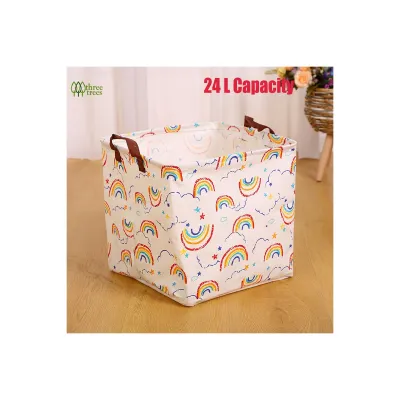
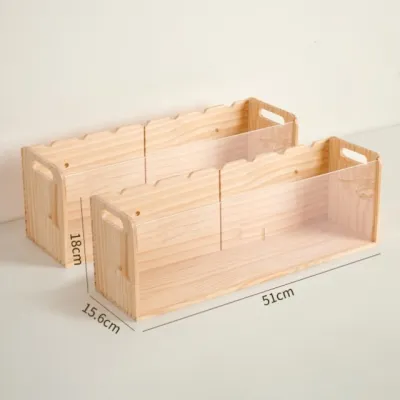
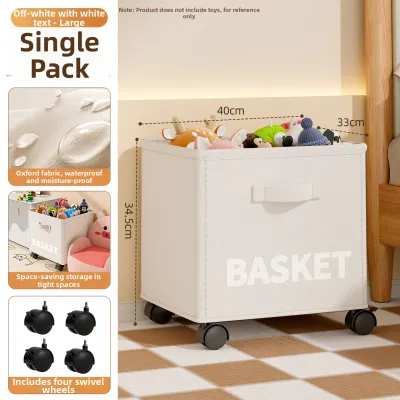
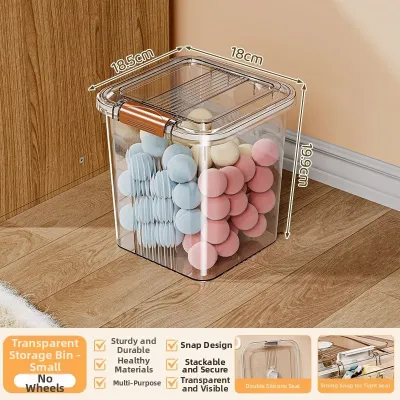
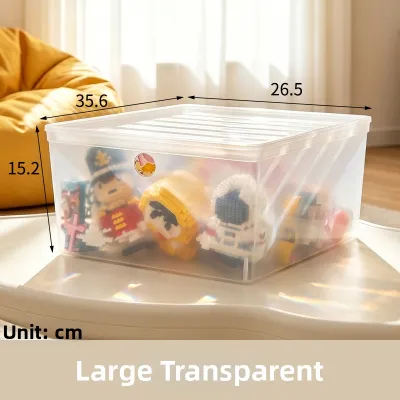
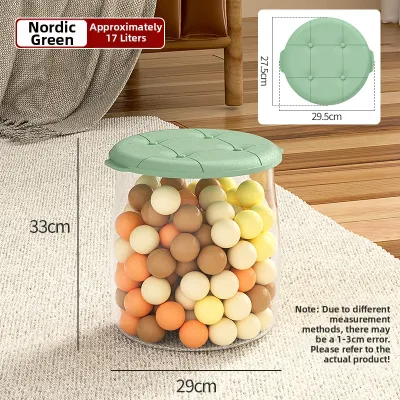
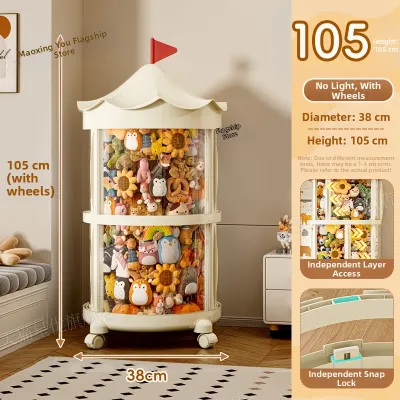
Prices are valid at publication and may change. Please refer to the product page for the latest price.
Lid design is another critical safety area where minor details can prevent painful injuries. Traditional heavy wooden toy chests with free-falling lids pose a significant risk of pinching small fingers or trapping a child inside. To mitigate this risk, prioritize lidless designs, lightweight fabric lift-off lids, or boxes equipped with slow-close safety hinges. These specialized pneumatic or torsion hinges hold the lid open at any angle and prevent it from slamming shut unexpectedly. If you choose a storage box with a lid, ensure it features ventilation cutouts or hand gaps that allow air to circulate even if the lid is fully closed.
Finally, inspect the physical finish of the storage box before placing it in the nursery. Run your hands along all edges and corners to ensure they are rounded and completely smooth, minimizing the risk of bumps and scrapes. For wooden storage, check that the surface is free of splinters and finished with non-toxic, lead-free paints or sealants. For plastic options, verify that the material is BPA-free and does not emit strong chemical odors. Always check the manufacturer’s age recommendations and weight limits to ensure the product is suitable for your child’s current developmental stage.
Evaluate Materials for Durability and Easy Cleaning
Nursery storage boxes must withstand heavy daily use, frequent spills, and the occasional crayon mark. The materials you choose will determine how long the storage lasts and how easy it is to keep sanitary. Plastic storage bins are highly popular because they are lightweight, water-resistant, and incredibly easy to wipe down with a damp cloth and mild soap. However, low-quality plastics can become brittle over time and crack, creating sharp edges that pose a safety hazard. When opting for plastic, look for thick, high-density polyethylene or polypropylene options that resist cracking under impact.

Wooden toy boxes offer classic aesthetic appeal and exceptional durability, but they require specific maintenance to stay in top condition. Ensure the wood is sealed with a moisture-resistant, non-toxic finish that prevents liquid spills from soaking into the grain. In humid environments, unsealed wood can absorb ambient moisture, leading to warping, splitting, or the growth of mold and mildew. Regularly inspect wooden joints and fasteners to ensure they remain tight and secure, as loose screws can compromise the structural integrity of the box.
Fabric bins and woven baskets provide a softer texture that complements cozy nursery decor, but they require careful selection to ensure longevity. Look for fabric options featuring reinforced seams, double stitching, and heavy-duty handles that can support the weight of heavy wooden blocks or books. To prevent fabric bins from sagging or collapsing when filled, choose designs with rigid bottom inserts made of thick cardboard or plastic panels. In humid climates, prioritize breathable fabrics like cotton canvas or polyester blends, and verify if the fabric covers are removable and machine-washable to make sanitizing straightforward.
Design for Child Accessibility and Independent Play
An effective nursery toy storage system should empower your child to access and put away their toys independently. This self-directed interaction is a core tenet of early childhood development, fostering confidence, decision-making skills, and a sense of responsibility. To facilitate this, prioritize low-profile storage solutions that sit directly on the floor or at a height your child can easily reach without stretching or climbing. Open-front bins and low shelving units allow toddlers to see their options clearly and make choices without needing constant adult assistance.
Visual accessibility is key to helping young children identify where their toys belong. Storage boxes with transparent plastic fronts, mesh panels, or low-cut open tops make it easy for a child to scan the contents at a glance. You can also enhance organization by using picture labels or color-coded bins to categorize different types of toys, such as soft plushies, building blocks, or books. This visual structure turns cleanup into a simple matching game, reducing the frustration often associated with tidying up.
Conversely, avoid storage boxes with complex latches, heavy lids, or deep, cavernous compartments where toys get lost at the bottom. Deep toy chests often force children to dump the entire contents onto the floor just to find a single item, creating unnecessary mess and frustration. High shelves that require an adult to retrieve items limit your child’s independence and can tempt adventurous toddlers to climb the furniture. By keeping storage simple, open, and low to the ground, you create an inviting environment that supports both active play and easy cleanup.
Balance Nursery Aesthetics with Spatial Constraints
While functionality and safety are paramount, your toy storage should also harmonize with the nursery’s design and physical layout. Before purchasing any storage unit, carefully measure your available floor space, taking into account the swing of doors, the placement of the crib, and the clearance needed for walking paths. In smaller nurseries, maximizing vertical space with secure, low-profile shelving or utilizing under-crib rolling drawers can free up valuable floor space for active play.
To maintain a calming and cohesive nursery environment, select storage boxes that complement your existing furniture and color palette. Neutral tones, soft pastels, and natural wood finishes blend seamlessly into most decor styles and can easily transition as your child grows into a toddler and school-aged child. Avoid overly bright, highly themed plastic bins that your child may quickly outgrow, opting instead for timeless designs that can be repurposed in other areas of your home in the future.
Modular and stackable storage systems offer excellent flexibility, allowing you to expand your storage capacity as your child’s toy collection inevitably grows. These systems let you start with a few basic bins and add matching units over time, maintaining a consistent look without cluttering the room. When using stackable bins, ensure they feature secure interlocking mechanisms to prevent the top units from sliding off, and always place heavier items in the bottom bins to maintain a stable base of gravity.
Comparing Common Toy Storage Types
To help you weigh the practical trade-offs of different storage formats, the table below compares the three most common types of nursery toy storage across key performance and safety criteria.
| Storage Type | Weight & Portability | Cleaning Ease | Safety Profile | Best Suited For |
|---|---|---|---|---|
| Fabric Bins & Baskets | Extremely lightweight; easy for toddlers to carry and move. | Moderate; requires spot cleaning or machine washing. | High; soft structure eliminates pinch points and impact injuries. | Soft toys, plushies, lightweight plastic toys, and baby blankets. |
| Wooden Toy Chests | Heavy; stationary design that is difficult to move. | Easy; requires wiping with a damp cloth and wood-safe cleaner. | Moderate; requires safety hinges and wall anchoring to prevent tipping. | Heavy wooden blocks, books, board games, and heirloom toy collections. |
| Plastic Drawer Systems | Lightweight to moderate; easy to reposition when empty. | Extremely easy; highly resistant to moisture and simple to sanitize. | High; low risk of injury, though drawers must have built-in stops. | Small action figures, craft supplies, bath toys, and building bricks. |
Each storage type has distinct maintenance requirements and wear-and-tear indicators that you should monitor regularly. Fabric bins should be checked for frayed seams, torn handles, or sagging sides, which can make them difficult to slide in and out of shelves. Wooden chests require periodic checks for loose screws, splintering edges, or failing safety hinges; if a lid hinge loses its tension, stop using the chest immediately until it is repaired. Plastic drawers should be inspected for hairline cracks or warped tracks that could cause the drawers to stick or fall out when pulled.
Your Pre-Purchase Verification Checklist
Before finalizing your purchase of a storage box for kids toys, perform these essential checks to ensure the product is safe, durable, and a perfect fit for your nursery:
- Verify Dimensions: Measure your designated nursery space twice, accounting for baseboards, wall trim, and nearby furniture clearance. Compare these measurements against the product's exact exterior dimensions to ensure a proper fit.
- Check Safety Certifications: Look for manufacturer labels indicating compliance with recognized safety standards, such as non-toxic finishes, lead-free paint, and BPA-free plastics.
- Inspect Lid Mechanisms: If the box has a lid, confirm it features slow-close safety hinges, a lightweight lift-off design, or generous ventilation gaps to prevent finger pinching and entrapment.
- Assess Tipping Risk: For any storage unit taller than toddler height, verify that the package includes a wall-anchoring kit and clear installation instructions.
- Read User Reviews: Search online marketplaces for real-world feedback, paying close attention to comments regarding long-term durability, hinge failures, fabric tearing, or strong chemical odors.
- Review Return Policies: Confirm the retailer's return policy, shipping weight, and assembly requirements, especially if you are purchasing heavy wooden furniture that may require complex home assembly.
Frequently Asked Questions (FAQ)
How do I prevent toy storage from becoming a dumping ground?
To keep your nursery organized, avoid using a single, massive toy chest where items are simply piled on top of one another. Instead, utilize smaller, categorized bins that assign a specific home to each type of toy, making it easier for both you and your child to find and put away items. Implementing a regular toy rotation system also helps; keep only a curated selection of toys active in the nursery while storing the rest out of sight, swapping them every few weeks to keep playtimes engaging and cleanup manageable.
Are wooden toy chests safer than plastic bins?
Neither material is inherently safer than the other; safety depends entirely on the specific design features and construction quality of the product. Wooden toy chests offer excellent stability and durability but can pose pinching and tipping hazards if they lack safety hinges or wall anchors. Plastic bins are lightweight and eliminate the risk of heavy lid injuries, but low-quality plastics can crack over time, creating sharp edges or small choking hazards. Always prioritize rounded edges, sturdy construction, and non-toxic materials regardless of the base material you choose.

Community discussion
Share your experience or ask a question. Comments are reviewed before publication.