
Navigating daily outings with a baby in Singapore requires careful preparation, where a sudden tropical downpour or a quick transition from humid outdoor heat to air-conditioned shopping malls can catch parents off guard. A practical diaper organizer bag serves as the central command center for these excursions, ensuring that diapers, wipes, bottles, and spare clothes remain dry, organized, and easily accessible. Rather than choosing a bag based solely on aesthetic appeal, parents must evaluate how well its materials, structural layout, and carrying options perform under local environmental conditions and transit demands. By focusing on functional specifications, you can select a bag that minimizes physical strain and simplifies on-the-go baby care.
Weather-Resistant Materials and Breathability for Singapore's Climate
Singapore’s tropical climate, characterized by high relative humidity and sudden, heavy rain showers, demands a diaper organizer bag constructed from highly resilient materials. When evaluating potential options, prioritize exterior fabrics that offer robust water resistance or waterproof coatings, such as high-density nylon, treated polyester, or polyurethane-coated canvas. These materials allow water to bead up and roll off rather than soaking through to contaminate clean diapers and clothing. Additionally, look closely at the zipper construction; bags equipped with rubberized or inverted zippers provide an extra layer of defense against moisture seepage during unexpected downpours.
While keeping water out is crucial, managing moisture on the inside of the bag is equally important. The combination of high outdoor temperatures and cold items, such as chilled breast milk or formula bottles, inevitably leads to condensation. To prevent this moisture from creating a breeding ground for mold, mildew, and unpleasant odors, look for bags that feature breathable mesh pockets or dedicated, well-ventilated insulated bottle holders. These ventilated zones allow air to circulate, helping to dissipate condensation before it can saturate surrounding fabrics.
Products mentioned in this guide
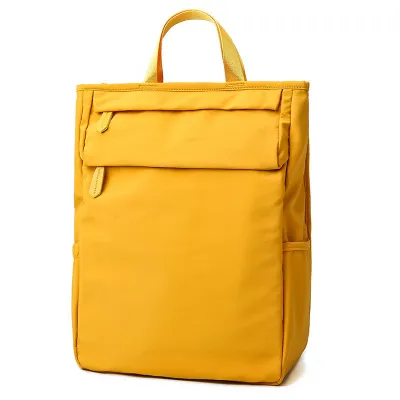
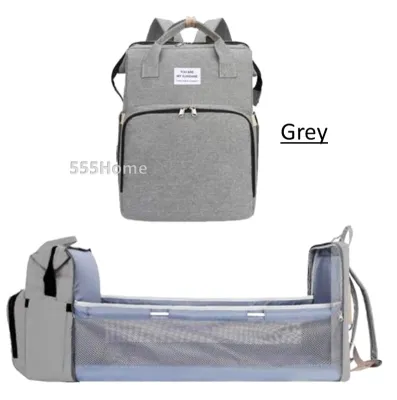
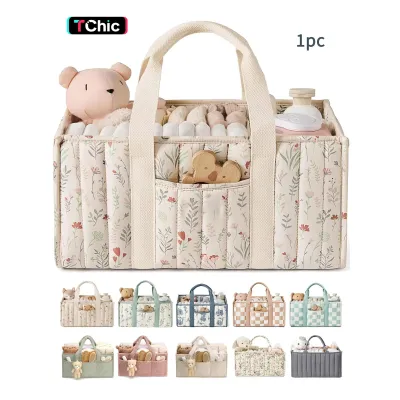
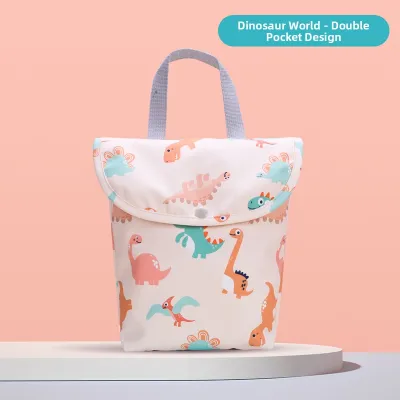
Prices are valid at publication and may change. Please refer to the product page for the latest price.
The interior lining of the bag should be just as resilient as the exterior. Look for smooth, non-porous, and easy-to-wipe interior linings, such as high-grade polyester or nylon with a water-repellent finish. These linings allow you to quickly clean up spills with a simple wipe, preventing liquids from absorbing into the bag’s structural layers. In a humid environment, absorbed moisture can quickly lead to deep-seated odors that are difficult to eliminate, making a non-absorbent interior lining a critical feature for long-term hygiene.
Finally, always check the manufacturer’s care labels and product documentation before finalizing your choice. Some materials require specialized spot-cleaning, while others are fully machine-washable. In Singapore’s humid climate, being able to thoroughly wash and quickly dry the bag is a major advantage. Ensure the manufacturer’s drying instructions are compatible with your home setup, as bags that require prolonged air-drying may struggle to dry completely in high-humidity environments without adequate ventilation or air conditioning.
Smart Compartments and Quick-Access Organization for Daily Essentials
An organized diaper bag prevents the frustration of rummaging through a deep, dark main compartment while trying to soothe a fussy baby. When assessing the internal layout, start by matching the bag’s total volume to your typical outing duration. For short trips to the local supermarket or a nearby park, a compact bag with a smaller volume is often sufficient and prevents unnecessary bulk. For full-day excursions across the island, a larger capacity is necessary, but it must be balanced with structured compartments to prevent items from shifting and becoming disorganized.

Quick-access exterior pockets are essential for high-frequency items that you need to retrieve in seconds. Look for a diaper organizer bag that features dedicated, easily accessible pockets on the outside for items like baby wipes, pacifiers, tissues, and hand sanitizers. Some bags include a specialized side pocket with a slit designed specifically for dispensing wipes directly without removing the pack from the bag. Having these items within arm’s reach allows you to manage sudden spills or clean your hands without opening the main compartment.
Insulated compartments are another critical feature, particularly for storing expressed breast milk, prepared formula, or warm baby food. Because ambient temperatures in Singapore are consistently warm, maintaining the temperature of these consumables is vital for safety. When reviewing bags with insulated pockets, verify the manufacturer’s specifications regarding how long the insulation can maintain safe temperatures. Keep in mind that these durations are often tested under controlled conditions, so using a supplementary ice pack is highly recommended for extended outings.
As your baby grows from a newborn into a toddler, their daily gear requirements will change significantly. A bag with fixed, rigid compartments may become less useful over time. To ensure long-term utility, look for diaper organizer bags that offer modularity, such as removable inserts, adjustable hook-and-loop dividers, or color-coded organizing pouches. This flexibility allows you to reconfigure the interior space, transitioning from holding multiple small newborn bottles and diapers to accommodating larger toddler snack cups, water bottles, and change of clothes.
Carrying Comfort, Weight Distribution, and Stroller Compatibility
The physical strain of carrying a fully packed diaper bag can quickly lead to fatigue, especially when navigating Singapore’s public transportation network or walking along outdoor pathways. Comparing different carrying styles is essential to finding a bag that aligns with your daily routine. Backpack-style diaper bags are highly popular because they distribute weight evenly across both shoulders, leaving your hands completely free to push a stroller, hold your child, or tap your transit card at MRT gantries. Crossbody bags and totes offer quick access to contents without needing to take the bag off, but they can cause uneven shoulder strain during long walks.
To mitigate discomfort in hot weather, pay close attention to the ergonomic features of the bag’s straps and back panel. Look for wide, heavily padded shoulder straps that are fully adjustable to ensure the bag sits comfortably against your upper back. Additionally, a back panel lined with breathable, moisture-wicking 3D mesh is highly beneficial. This design promotes airflow between your back and the bag, reducing sweat buildup and keeping you cooler as you walk between air-conditioned environments.
Before you even begin packing your baby’s essentials, the empty weight of the diaper bag itself must be taken into consideration. Heavy hardware, thick canvas, or excessive metal frames can add significant base weight. A bag that is heavy when empty will quickly become uncomfortable once loaded with water bottles, diapers, and spare clothes. Prioritize lightweight yet durable synthetic materials that offer structural integrity without adding unnecessary bulk to your daily load.
Stroller compatibility is another crucial factor for parents who frequently use a stroller. Many diaper organizer bags come equipped with integrated stroller straps or clips that allow you to hang the bag directly from the stroller handlebar. However, you must verify that these attachment mechanisms are compatible with your specific stroller model. Furthermore, always consult your stroller manufacturer’s user manual to check the maximum weight limit allowed on the handlebar. Hanging a heavy diaper bag from the handlebar can alter the stroller’s center of gravity, posing a serious risk of the stroller tipping backward when your child is removed.
Building Your Personalized Diaper Bag Shortlist
To find the ideal diaper organizer bag, start by defining your family’s non-negotiable requirements based on your primary mode of transport and daily routine. If you rely heavily on public buses and the MRT, a compact, lightweight backpack with quick-access card pockets may be your top priority. If you travel primarily by car or taxi, a larger tote bag that can sit easily on a car seat and open wide for quick access might be more practical. Writing down these daily scenarios will help you filter out options that do not align with your lifestyle.
Next, create a physical checklist of the bag’s external dimensions and compare them against the storage spaces you use daily. Measure the under-seat storage basket of your stroller to ensure the bag can be tucked away easily when not worn. If you frequently travel by air or use specific transit storage, check those dimensions as well. A bag that is too wide or bulky to fit into standard storage spaces will quickly become a source of frustration during outings.
Durability is key to ensuring your investment lasts throughout your baby’s early years. When researching potential bags, pay close attention to user feedback and product specifications regarding the quality of the zippers, seams, and hardware. Look for reinforced stitching at high-stress points, such as where the shoulder straps attach to the bag body. Additionally, review the manufacturer’s warranty terms and return policies to understand what coverage is provided in the event of a manufacturing defect or premature wear.
Finally, establish a realistic budget in S$ that reflects your functional needs rather than temporary aesthetic trends. While designer diaper bags may offer appealing styles, high-quality materials and thoughtful organization can be found across a wide range of price points. Prioritize functional longevity, weather resistance, and carrying comfort over brand names. Investing in a well-constructed, mid-range diaper organizer bag that meets all your practical criteria will provide far greater value and utility over years of daily outings.
Frequently Asked Questions (FAQ)
Can I use a regular backpack instead of a dedicated diaper organizer bag?
Yes, you can use a regular backpack, but you may find it lacks the specialized features that make on-the-go baby care efficient. Standard backpacks typically do not have insulated compartments to keep bottles at safe temperatures, nor do they feature water-resistant, easy-to-wipe interior linings to handle spills. They also tend to lack dedicated quick-access pockets for wipes and pacifiers, which can lead to items getting lost at the bottom of the bag. If you prefer to use a regular backpack, consider purchasing a removable diaper bag organizer insert. These structured inserts slide directly into a standard backpack, providing multiple compartments and pockets to keep your baby’s essentials organized and accessible.
How do I prevent mold and odors in the bag's insulated compartments?
Preventing mold and odors in a humid climate requires consistent maintenance. After every outing, empty the insulated compartments completely and leave all zippers fully open to allow air to circulate. Avoid storing damp clothes, wet wipes, or used bottles directly in these pockets for extended periods. If a spill occurs, wipe it up immediately with a clean, damp cloth. Before using any disinfectants, sanitizing wipes, or odor-absorbing products inside the insulated zones, always consult the manufacturer’s cleaning guidelines to ensure the chemicals will not damage the insulation material or leave harmful residues that could contact your baby’s feeding equipment.
What is the best way to clean a diaper bag after a spill?
When a spill occurs, immediate action is the best way to prevent permanent staining and bacterial growth. First, remove all items from the affected compartment and use a clean cloth or paper towel to blot up as much liquid as possible. Be sure to check the seams, corners, and zipper tracks, as liquid can easily pool in these hidden areas. Once the bulk of the spill is contained, wipe the area down with a mild soap solution or a damp cloth. Always consult the product’s care label before attempting to machine wash the bag or use harsh chemical cleaners, as improper washing can strip away water-resistant coatings and damage structural elements.

Community discussion
Share your experience or ask a question. Comments are reviewed before publication.