
Selecting the right toddler carrier is a critical decision for active families. As your child transitions from a lightweight infant to a heavier, highly active toddler, the physical demands of babywearing change dramatically. To ensure both your comfort and your child’s physical safety, the key ergonomic features to look for are an adjustable, extra-wide seat base that supports the natural “M” position, a highly structured and thick waistband that shifts weight to your hips, and robust, adjustable shoulder straps that prevent upper-body strain. Unlike carrying a newborn, carrying a toddler requires a carrier specifically engineered to distribute a heavier, shifting load.
Why Ergonomic Specs Matter More for Heavier Toddlers
Toddlers are not just larger infants; they are active, curious, and constantly shifting their weight. Carrying a child weighing anywhere from 10 kg to over 20 kg introduces unique biomechanical challenges. A toddler’s center of gravity is higher, and their sudden movements—such as leaning back to look at something or squirming to get down—can place unexpected, sharp forces on your spine, shoulders, and pelvis.
Without a carrier designed specifically to manage these dynamic forces, caregivers often experience lower back fatigue, shoulder pinching, and neck strain. Understanding the engineering behind toddler carriers allows you to make an informed choice that protects your long-term physical health while keeping your child close. Prioritizing correct specifications is the first step toward pain-free carrying as your child grows.
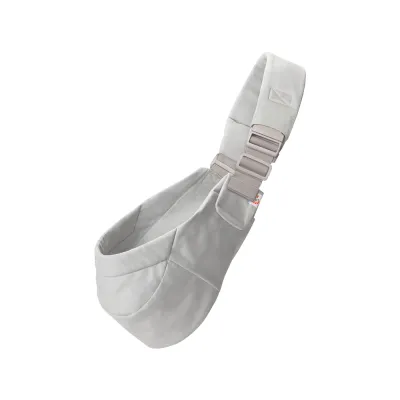
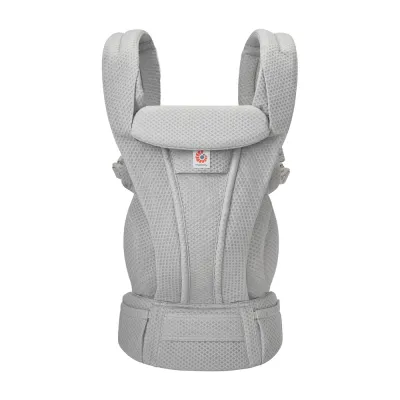
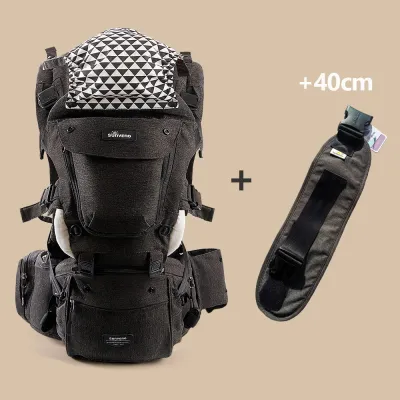
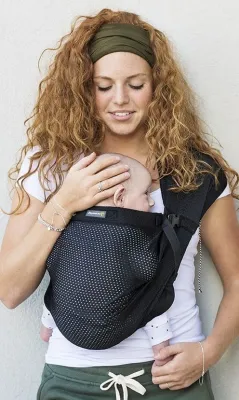
Products mentioned in this guide
![[Ready stock] Ergo baby Carrier Ergonomics Kangaroo Infant Omni Breeze All-In-One Breathable Air Mesh 0-48 Months 3-20kg](https://img.lazcdn.com/g/p/d6948befeffb2fca708dbf5ed12936a6.jpg_400x400q80.jpg_.webp)
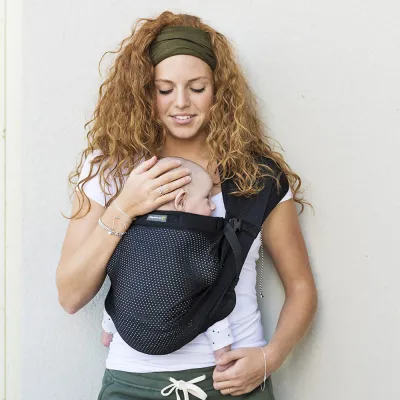
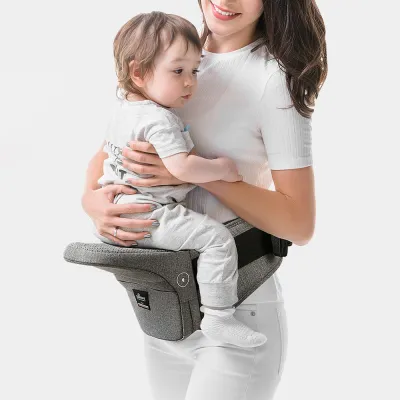
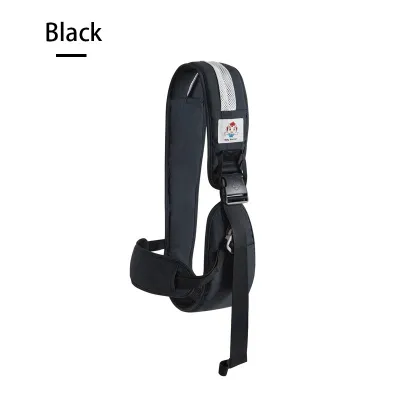
Prices are valid at publication and may change. Please refer to the product page for the latest price.
Core Ergonomic Specs Decoded for Toddler Carriers
To evaluate any toddler carrier, you must look at how it manages weight across three critical structural zones: the seat, the waistband, and the upper harness. Each zone plays a distinct role in maintaining the child’s developmental alignment and distributing their weight evenly across your body. When these three zones work in harmony, they minimize the physical toll of carrying a heavier child.

Seat Width, Depth, and Hip Positioning
The seat of a carrier is the foundation of your toddler’s physical comfort. In ergonomics, the gold standard is the “M” position, where the child’s knees are supported higher than or level with their bottom, and their spine forms a gentle, natural curve. To achieve this in a toddler, the carrier must have a wide, deep seat that provides complete knee-to-knee support.
If the seat is too narrow, the fabric will only support the crotch, leaving the legs to dangle straight down. This dangling puts unnecessary pressure on the hip joints and can cause discomfort during longer walks. Because toddlers grow rapidly, look for carriers with adjustable seat widths—often controlled by buttons, velcro, or sliding tracks—that can expand as your child’s thighs lengthen.
Always verify the manufacturer’s specific weight, height, and age guidelines to ensure the seat can safely accommodate your child’s current developmental stage. If your child has pre-existing orthopedic conditions, consult a pediatric specialist before selecting a carrier.
Waistband Structure and Weight Distribution
A high-quality waistband is the single most important component for preventing caregiver fatigue. When carrying a heavier child, the waistband must act as a load-bearing belt, transferring up to 70% of the child’s weight away from your shoulders and onto your hips and pelvis.
Look for a waistband that is wide, firm, and constructed with high-density foam that does not collapse under pressure. It should be worn snugly around your pelvic bones rather than your soft waist, creating a stable shelf for the carrier’s body. This placement utilizes your skeletal structure to support the load, protecting your lower back muscles from strain.
Many premium ergonomic carriers also feature a dedicated lumbar support pad—a semi-rigid piece of foam that sits against your lower back to fill the natural curve of your spine. This small addition prevents the waistband from digging into your back and helps maintain a neutral posture, even during extended outings.
Shoulder Straps and Back Panel Height
The upper harness of the carrier manages the remaining weight and keeps the child’s center of gravity close to your torso. Shoulder straps should be thick, contoured, and padded with breathable foam. There are two primary configurations to consider: cross-back (X-back) and parallel (H-back) straps.
X-back straps cross over your upper back, pulling the child’s weight diagonally and preventing the straps from slipping off narrow or sloping shoulders. H-back straps run parallel and are secured by a chest strap; this style is often easier to adjust quickly when multiple caregivers share the carrier.
Alongside the straps, evaluate the height of the back panel. A toddler needs a taller back panel than an infant to support their longer torso and prevent them from leaning too far backward. However, the panel should not be so tall that it presses against the back of their neck or completely restricts their arm movement, as active toddlers prefer to have their arms free to explore.
How to Verify Ergonomic Fit in the Real World
Before committing to a specific carrier, it is essential to perform a physical fit test. Start by fastening the waistband tightly around your hips, ensuring it remains perfectly horizontal and does not sag or tilt forward once the child’s weight is added. Place your toddler in the carrier and adjust the seat width so the fabric extends fully to their knee creases without forcing their lower legs outward.
Tighten the shoulder straps so your child’s torso is held snugly against your chest or back; you should be able to bend forward slightly without the child pulling away from your body. The straps should rest comfortably on your shoulders without digging into your neck or armpits.
In Singapore’s warm and humid tropical climate, material selection is a vital component of real-world ergonomics. Carrying a toddler generates significant body heat, which can quickly lead to overheating and skin irritation for both of you. Look for carriers constructed with advanced 3D mesh panels, lightweight ripstop cotton, or specialized moisture-wicking fabrics. These materials promote airflow and help keep you cool during outdoor walks along the Marina Bay Waterfront or trips to the Singapore Botanic Gardens.
Finally, always check the physical product label to verify that the carrier’s weight limits and safety certifications match your child’s current measurements, and never leave a child unsupervised in a carrier.
Carrier Features You Can Safely Deprioritize
When shopping for a toddler carrier, it is easy to get distracted by extra features that drive up the price without adding ergonomic value. Large zippered storage pockets, integrated hoods, toy loops, and highly complex multi-strap buckle systems are often unnecessary. In fact, packing heavy items like water bottles or keys into carrier pockets can alter the balance of the carrier, shifting the center of gravity away from your body and causing muscle strain.
Similarly, toddler carriers do not require complex infant inserts or head support cushions, as toddlers already possess full head and neck control. Focus your budget and attention on the core structural elements: adjustable seat width, high-density waistband padding, and robust strap construction. In Singapore, premium ergonomic models generally range from S$150 to S$300, and investing in structural quality over aesthetic add-ons will yield much better long-term comfort.
Frequently Asked Questions (FAQ)
At what weight should I switch to a toddler-specific carrier?
There is no single weight threshold that dictates when to make the switch. Instead, watch for signs of physical mismatch: if your child’s knees hang down because the seat no longer reaches their knee creases, or if you experience persistent shoulder and lower back pain during use, they have likely outgrown the infant carrier’s ergonomic capabilities. Always refer to the manufacturer’s specific guidelines, as many standard carriers are safety-rated up to 15 kg or 20 kg, but lose their ergonomic comfort long before reaching that limit.
Can a standard baby carrier be used safely for a toddler?
Yes, provided the child remains within the manufacturer’s specified weight and height limits, and the carrier is in good structural condition. However, standard carriers often have narrower seats and shorter back panels, which can cause older toddlers to dangle uncomfortably or lean too far back. A dedicated toddler carrier is specifically engineered with a wider base, a taller panel, and reinforced padding to handle heavier loads comfortably over longer periods.

Community discussion
Share your experience or ask a question. Comments are reviewed before publication.