
Returning to work in Singapore presents unique challenges for breastfeeding mothers. Balancing back-to-back meetings, commuting on public transport, and finding time to express milk requires a reliable strategy. Choosing between Elvie and Medela often comes down to how you value hands-free discretion versus traditional, high-efficiency suction. Elvie represents the modern wave of wearable, tubeless technology, while Medela offers time-tested, hospital-grade performance in both portable and tabletop formats. Your choice will depend on your office layout, your daily schedule, and how your body responds to different suction patterns.
Design and Portability for the Office Environment
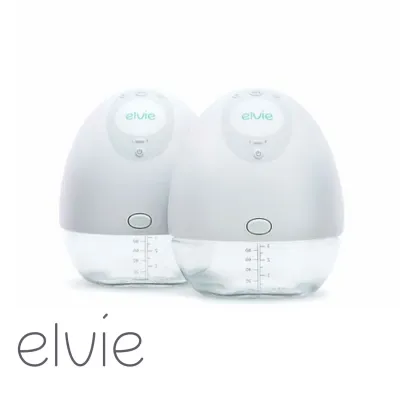
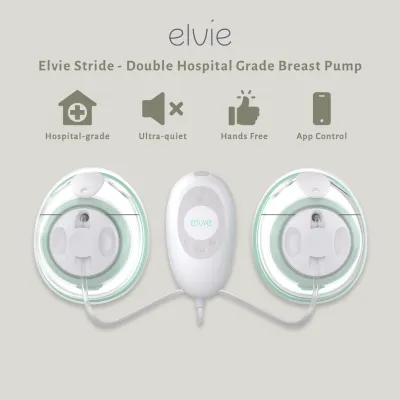
Elvie’s flagship wearable pump fits entirely inside a standard nursing bra. It has no external tubes, wires, or dangling bottles, making it highly discreet. This design allows you to keep your hands free to type, write, or even walk around the office. The profile is smooth, though it does add noticeable volume to your chest, which you can easily camouflage with structured clothing, blazers, or scarves.
Medela offers several form factors, ranging from highly portable, pocket-sized models to larger, hospital-grade units. Medela’s portable models still require tubing that connects the breast shields to a separate motor unit. While you can clip the motor to your waistband or slip it into a pocket, the bottles and shields remain visible under your clothes, meaning you will need a private space to pump.
Products mentioned in this guide
Prices are valid at publication and may change. Please refer to the product page for the latest price.
Weight and bag space are critical when commuting in Singapore’s warm climate. Carrying a heavy bag can be exhausting. Elvie’s lightweight, self-contained hubs slip easily into a small handbag or tote. Medela’s portable setups require carrying the motor, tubing, bottles, and shields, which generally demands a dedicated cooler bag or a larger backpack.
Battery life and charging methods also differ. Elvie pumps typically charge via USB cables, allowing you to charge them directly from your office laptop or a portable power bank. Medela’s portable pumps also feature rechargeable batteries with USB charging options, but you must verify the specific model’s charging port and voltage requirements before relying on a standard office setup. Always check the battery indicators on your device before leaving for work to avoid mid-session power failures.
Pumping Performance, Comfort, and Noise Levels
Suction performance is where these two brands diverge most significantly. Medela is famous for its 2-Phase Expression technology, which mimics a baby’s natural sucking rhythm—starting with a fast, light stimulation phase to trigger let-down, followed by a slower, deeper expression phase. Many mothers find this pattern highly effective for maximizing milk yield. Medela pumps offer a wide range of vacuum intensity levels, allowing you to fine-tune the suction to your comfort level.

Elvie also utilizes a two-phase system with smart sensors that automatically switch from stimulation to expression mode when they detect milk flow. However, because wearable pumps use smaller, integrated motors, the suction sensation can feel different from traditional pumps. Some mothers find wearable suction gentler, which may require slightly longer sessions to empty the breasts fully, while others adapt quickly and maintain their usual output.
Noise levels are a major consideration in quiet office environments or shared cubicles. Elvie is designed to be exceptionally quiet, utilizing technology that minimizes mechanical noise. In a typical office setting with ambient air conditioning or computer hums, Elvie is virtually inaudible, allowing you to pump during virtual calls or at your desk without drawing attention. Medela’s portable pumps, while relatively quiet, do produce a distinct rhythmic humming sound and vibration that is noticeable in a silent room.
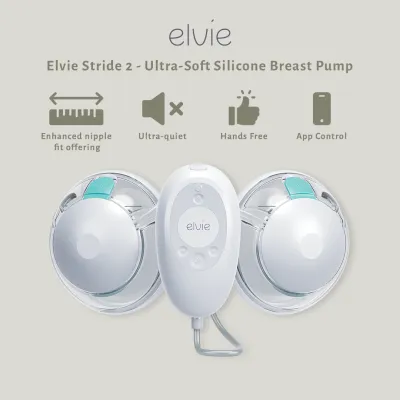
Flange fit is crucial for both comfort and milk expression. Medela’s breast shields feature a soft, flexible rim and an oval shape that can be rotated to fit your breast shape better. They offer a wide range of sizes. Elvie comes with standard shield sizes, with additional sizes available separately. Because a poor fit can cause nipple damage or reduced milk flow, you must measure your nipple size accurately and verify that your chosen brand offers a compatible shield or insert. If you experience persistent pain or a drop in supply, consult a certified lactation consultant.
Daily Setup, Cleaning, and Maintenance Time
Time is a precious commodity for working mothers. The time spent assembling and cleaning your pump during office hours directly impacts your productivity and stress levels. Elvie features a streamlined design with only a few parts to clean: the breast shield, the valve, the spout, the seal, and the reusable bottle. There are no tubes to wash or dry, which significantly reduces the risk of moisture buildup.
Medela’s portable setups involve more components, including breast shields, connectors, membranes, bottles, and tubing. While the tubing itself rarely requires washing unless milk backs up into it, the connectors and membranes have small crevices that require careful cleaning.
In a Singapore office pantry, hygiene is paramount. You must wash all milk-contact parts with warm, soapy water after every use. Elvie’s parts are dishwasher-safe on the top rack, but in an office, you will likely hand-wash them. Medela parts are also generally dishwasher-safe and can withstand steam sterilization.
Drying parts in Singapore’s humid climate can be slow. Leaving wet pump parts on a communal pantry drying rack may raise privacy or hygiene concerns. Many working mothers use dedicated, portable drying bags or quick-drying microfibre mats. Ensure all parts are completely dry before reassembling, as moisture can compromise suction or damage the motor.
Upfront Costs, Warranties, and Replacement Parts
Investing in a high-quality breast pump is a significant financial decision. Elvie sits at the premium end of the market, with double pump systems typically ranging from S$600 to over S$900, depending on the retailer and current promotions. Medela offers a broader price spectrum, with single portable pumps starting around S$200 and advanced double portable systems ranging from S$400 to S$700.
Warranty coverage is vital for protecting your investment, especially when relying on the device daily for work. Medela has a long-established presence in Singapore, with an official local distributor and a dedicated service center. This makes sourcing replacement parts, claiming warranties, or getting a loaner pump during repairs relatively straightforward. Elvie, while widely available through local baby boutiques and online marketplaces, may have different warranty terms depending on whether you purchase an official local set or an import. Always verify that your purchase includes a local Singapore warranty to avoid shipping costs and long wait times for overseas repairs.
Consumables like valves, membranes, and tubing wear out over time and must be replaced to maintain optimal suction. Medela parts are exceptionally easy to find in Singapore; they are stocked in major department stores, baby shops, and local online marketplaces. Elvie replacement parts, such as extra bottles, seals, and valves, are also available but may require ordering online or visiting specialty stores, and they generally carry a higher price tag than Medela’s equivalents.
Decision Framework: Which Brand Fits Your Workday?
To make the right choice, evaluate your specific workplace environment and daily routine.
Choose Elvie if:
- You work in an open-plan office or shared workspace without a private lactation room.
- Your job requires you to attend frequent meetings, travel between locations, or multitask while pumping.
- You prefer a highly discreet, quiet, and tubeless setup that fits entirely inside your clothing.
- You are comfortable with a gentler suction style and are willing to invest a higher upfront cost for maximum convenience.
Choose Medela if:
- Your workplace provides a dedicated, private lactation room equipped with comfortable seating and power outlets.
- Your body responds best to strong, traditional, hospital-grade suction patterns to initiate let-down and empty your breasts efficiently.
- You prefer a highly reliable system with readily available, affordable replacement parts across Singapore.
- You want a more budget-friendly option or prefer the reassurance of an established local service center.
Before making your final purchase, check with your company’s Human Resources department regarding lactation support. Knowing whether you have access to a private room with a refrigerator and power outlets will heavily influence whether you need the extreme portability of a wearable pump or can comfortably use a traditional portable setup.
Frequently Asked Questions (FAQ)
Can I use a wearable breast pump while commuting or in meetings?
Yes, many mothers successfully use wearable pumps like Elvie during commutes or virtual meetings due to their quiet operation and discreet profile. However, you must follow manufacturer guidelines regarding movement. Wearable pumps rely on a secure seal against the breast; excessive bending, leaning forward, or vigorous physical activity can break this seal, leading to leaks or a sudden loss of suction. It is best to remain relatively upright and avoid sudden movements while pumping.
How often should I replace the pump parts?
To maintain optimal suction and hygiene, consumable parts must be replaced regularly. For daily use at work, silicone valves and membranes should generally be replaced every 1 to 3 months, as they stretch and degrade with frequent washing. Breast shields and connectors should be inspected regularly and replaced if you notice any cracks, discoloration, or warping. Always refer to your specific pump’s user manual for the manufacturer’s recommended replacement schedule.

Community discussion
Share your experience or ask a question. Comments are reviewed before publication.