
An electric nail trimmer can be a safe and highly effective tool for grooming a newborn’s nails, provided you choose the correct age-appropriate attachment and follow precise operational precautions. Many new parents find the prospect of trimming tiny, paper-thin infant nails daunting, fearing they might accidentally clip the delicate skin underneath. An electric trimmer addresses this anxiety by using a rotating, cushioned filing pad to gently wear down the nail edge rather than cutting it with sharp blades. However, safety is not automatic; it depends entirely on your preparation, device inspection, and handling technique.
To ensure your baby remains safe and comfortable, you must understand how these devices operate and recognize when to pause a grooming session. While these tools are designed to minimize the risk of cuts, improper use can still cause friction burns or thin the nail bed excessively. By learning the correct techniques and safety checks, you can confidently maintain your baby’s nails and prevent accidental scratches.
Understanding How Electric Trimmers File Delicate Infant Nails
To appreciate why an electric nail trimmer is often recommended for newborns, it helps to understand how its mechanism differs from traditional cutting implements. Standard baby clippers and scissors rely on two opposing blades coming together to pinch and sever the nail. Because a newborn’s nails are exceptionally soft, thin, and closely adhered to the underlying nail bed, distinguishing between the nail edge and the skin can be difficult. A slight slip or a sudden movement from your baby can easily result in a painful nick.
Products mentioned in this guide

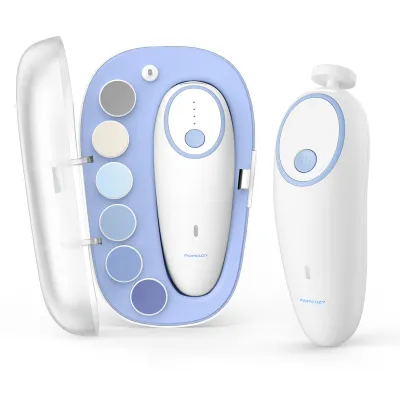
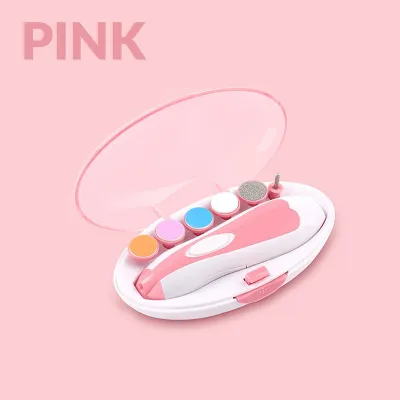
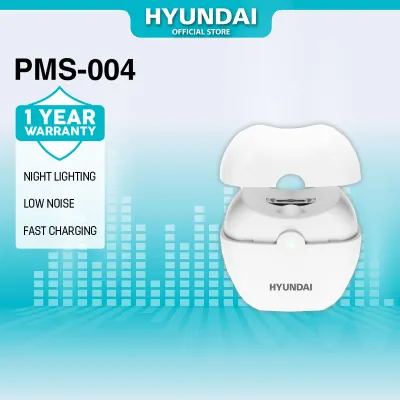
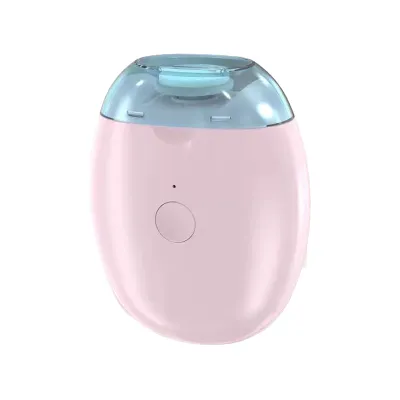
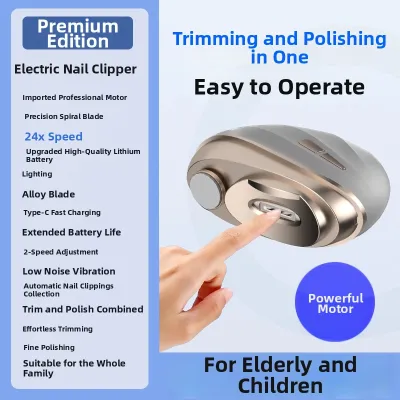
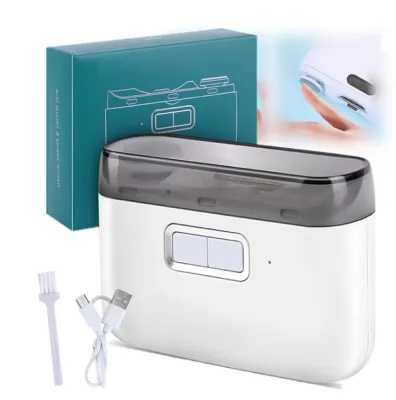
Prices are valid at publication and may change. Please refer to the product page for the latest price.
In contrast, an electric nail trimmer utilizes a rotary filing action. The device features a small, battery-operated motor that spins a circular pad covered in a mild abrasive material. Instead of snapping the nail in a single motion, the rotating pad gradually files, smooths, and shortens the nail edge through gentle friction. This gradual reduction gives you significantly more control over how much nail is removed, allowing you to stop the moment the nail is flush with the fingertip.
Newborn nails are uniquely structured compared to adult nails. During the first few weeks of life, an infant’s nails are highly pliable, almost resembling thick skin rather than hard keratin. They grow rapidly and often have ragged edges that can easily scratch the baby’s face. Because these nails are so soft, they bend easily under the pressure of traditional clippers, which can lead to tearing. The gentle, high-frequency vibration of an electric trimmer smooths these soft edges without bending or pulling the nail away from the delicate nail bed.
Essential Safety Checks Before the First Use
Performing a series of safety checks before using an electric nail trimmer is vital to protect your newborn’s hands. Your first step should always be to read the product manual and packaging thoroughly. Manufacturers design these devices with specific motor speeds and torque limits, and they will explicitly state the age, weight, or developmental milestones required for safe operation. Never assume that all electric trimmers are universally safe for day-one newborns; always verify the manufacturer’s guidelines first.

Next, inspect the color-coded or labeled filing pads included with your device. Electric trimmers typically come with a variety of pads, each featuring a different grit level tailored to specific age groups. For a newborn, you must identify and use the finest, softest grit pad available in the kit—often color-coded specifically for babies aged zero to three months. Using a pad intended for older infants, toddlers, or adults can quickly cause painful friction burns on a newborn’s ultra-sensitive skin, as those pads feature much coarser abrasive surfaces.
Finally, conduct a physical inspection of the device itself before bringing it near your baby. Check the plastic housing for any cracks, loose parts, or battery compartment issues that could compromise its structural integrity. Ensure the rotating head is securely attached and that the filing pad is completely flat and centered on the attachment point. An irregular or peeling pad surface can cause uneven friction or catch on the nail, leading to discomfort or minor injury. If you notice any defects, do not use the device and contact the manufacturer.
Step-by-Step Precautions for Trimming a Newborn's Nails
A safe nail-trimming session requires careful preparation and a calm approach. Timing is perhaps the most critical factor when grooming a newborn. Attempting to file the nails of an active, alert, or hungry baby increases the risk of sudden movements and accidental skin contact. Instead, choose a window when your baby is deeply relaxed, feeding, or fast asleep. Many parents find that trimming nails during a nap or immediately after a feed provides the quietest, most cooperative environment.
Positioning and lighting are equally important for a successful session. Sit in a well-lit room, or use a small, focused light source to clearly illuminate your baby’s fingertips. Hold your baby securely in your lap or work while they are lying safely in their crib. When holding the baby’s hand, gently but firmly grasp a single finger at a time, pressing the finger pad slightly downward and away from the nail edge. This action exposes the nail fully and creates a safe clearance zone between the rotating pad and the delicate skin of the fingertip.
When you begin filing, apply minimal pressure and keep the trimmer moving continuously across the nail curve. Holding the rotating pad in one spot for too long can generate localized friction heat, which can cause discomfort or skin irritation even if the pad is soft. Guide the trimmer in a gentle arc, following the natural shape of the nail. Strictly avoid pressing the pad directly against the cuticles or the surrounding skin folds. Let the speed of the device do the work; there is no need to push hard against the nail to achieve a smooth finish.
Recognizing Risks and When to Stop the Session
You must remain highly attentive to your baby’s reactions and physical cues during the session. Always monitor your infant for sudden jerks, pulling away, whimpering, or crying. If your baby shows any signs of distress or discomfort, pause the device immediately. Forcing the session when a baby is agitated increases the likelihood of a slip or over-filing, turning what should be a calm routine into a stressful experience for both of you.
Regularly inspect the nail and the surrounding skin throughout the session. Look closely for any signs of redness, mild swelling, or friction burns. Because newborn skin is incredibly thin, it can irritate quickly under continuous friction. If you notice the skin turning pink or if the nail itself appears excessively thin and translucent, stop filing immediately. It is always safer to leave a nail slightly longer than to over-file and expose the sensitive nail bed underneath.
In the rare event that the trimmer causes minor skin irritation or a superficial scrape, remain calm and take immediate, low-risk first-aid steps. Turn off the device and gently clean the affected area with cool water, then pat it dry with a clean, soft cloth. Avoid applying harsh antiseptics, alcohol, or adhesive bandages, as bandages pose a choking hazard for newborns who frequently put their hands in their mouths. If you observe any broken skin, persistent bleeding, swelling, or signs of infection such as warmth or discharge, consult your pediatrician promptly for professional guidance.
Comparing Electric Trimmers with Traditional Nail Care Methods
Choosing a nail care method involves comparing the electric trimmer with traditional tools to see what fits your comfort level. Traditional baby nail clippers offer excellent speed and can remove long nail growth in a single clip. However, they require high precision and carry a distinct risk of pinching the skin if the baby moves suddenly. Baby nail scissors provide slightly better visibility than clippers, but they still feature sharp metal edges that require a very steady hand and a cooperative baby.
Manual glass files or emery boards are exceptionally safe and offer maximum control, as you control the speed and pressure directly with your fingers. The trade-off is that manual filing can be a slow, tedious process, especially if your baby has fast-growing nails that require frequent maintenance. An electric trimmer bridges this gap by offering the safety of a file with the speed and efficiency of a motorized tool. It quickly smooths away sharp edges, though some babies may initially be startled by the low humming noise or the physical sensation of the vibration.
To find the best approach, you do not have to limit yourself to a single tool. Many parents find success in a combined framework. For instance, you might use baby nail scissors to carefully snip the bulk of a long nail when your baby is calm, and then use the electric trimmer’s softest pad to smooth out any remaining sharp corners or jagged edges. Alternatively, you can rely solely on the electric trimmer during the first few weeks of life when the nails are at their softest, transitioning to other tools as the nails naturally harden over time.
Frequently Asked Questions (FAQ)
At what exact age or weight can I start using an electric nail trimmer?
There is no single, universal age or weight threshold for starting to use an electric nail trimmer, as specifications vary by manufacturer. Some brands design their devices with ultra-gentle pads and low-torque motors suitable for use from birth, while others recommend waiting a few weeks. You must consult your specific product’s manual and packaging to verify the manufacturer’s age guidelines. Many parents choose to wait until their baby is a few weeks old, allowing the nails to harden slightly so they are easier to distinguish from the surrounding skin.
What should I do if the trimmer accidentally touches my baby's skin?
If the rotating pad of the trimmer makes contact with your baby’s skin, turn off the device immediately and inspect the area. Most baby-specific electric trimmers are designed to stop rotating or slip harmlessly when they encounter resistance, minimizing the risk of injury. If you notice mild redness or a superficial scrape, gently clean the area with cool water and pat it dry. Do not apply bandages, which are choking hazards. If the skin is broken, bleeds persistently, or shows signs of infection, contact your pediatrician.
How often should I trim or file a newborn's nails?
Newborn nails grow remarkably fast, often requiring attention once or twice a week to prevent your baby from scratching their face. Because their nails are so soft, you do not need to wait for them to grow very long before filing. Instead of following a rigid calendar schedule, inspect your baby’s hands every few days. If you feel sharp edges or notice your baby scratching themselves, perform a quick, light filing session to smooth the edges. Adjust the frequency based on your baby’s individual nail growth rate.

Community discussion
Share your experience or ask a question. Comments are reviewed before publication.