
Trimming a newborn’s paper-thin, rapidly growing nails can be one of the most nerve-wracking tasks for new parents. Electric baby nail clippers offer a popular alternative to traditional metal clippers, utilizing a motorized, rotating filing pad to gently grind down the nail edge rather than cutting it with sharp blades. When used correctly and under the right conditions, these devices are generally safe for newborns and significantly reduce the risk of accidental skin nips. However, their safety is not absolute; it depends heavily on your technique, the baby’s cooperation, and choosing a device specifically designed with appropriate speed settings and age-graded filing pads.
Understanding how these devices operate helps demystify their safety profile. Unlike adult nail files or traditional clippers that pinch and cut, baby electric trimmers use a cushioned sandpaper pad that spins at controlled speeds. This design is intended to file away the soft nail keratin while being gentle enough that brief, accidental contact with the surrounding skin typically does not cause cuts or bleeding. Despite this protective mechanism, parents must remain vigilant, as improper use or using the wrong attachment can still cause discomfort or minor skin irritation.
Understanding the Safety of Electric Nail Clippers for Newborns
To evaluate whether an electric nail trimmer is right for your home, it is essential to understand the mechanics of the rotating filing pad. These devices operate on a rotary mechanism where a small motor spins a circular, cushioned pad covered in fine grit. When you press the spinning pad gently against the edge of your baby’s nail, it gradually wears down the excess nail length. Because the pad is cushioned, it yields slightly under pressure, which helps distribute the friction and reduces the likelihood of digging too deeply into the nail bed.
Products mentioned in this guide
![[TPP] Baby Nail Trimmer Pedicure Care Kit 防抓伤多功能婴儿电动磨甲器儿童指甲剪 SG INSTOCK](https://img.lazcdn.com/g/p/d4f9082b86431839465f7b4dd8204268.png_400x400q80.png_.webp)
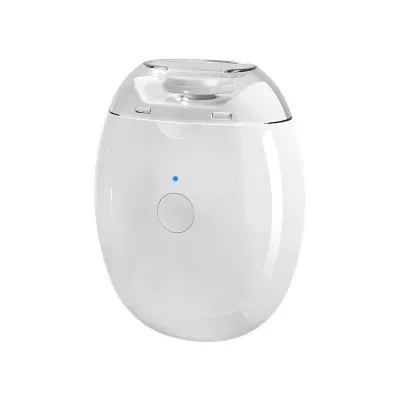
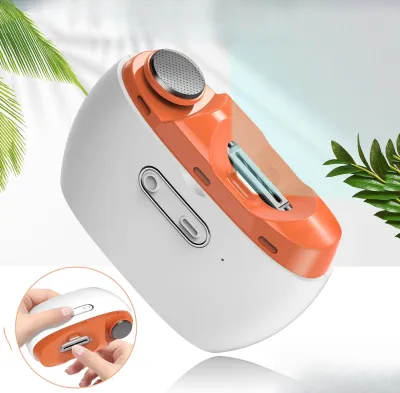
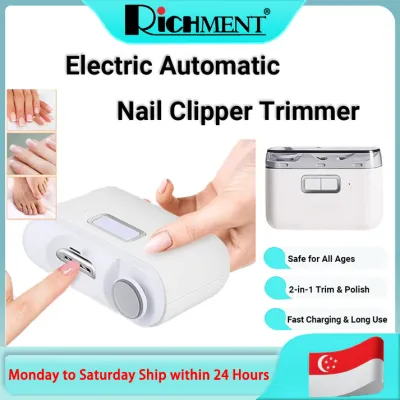
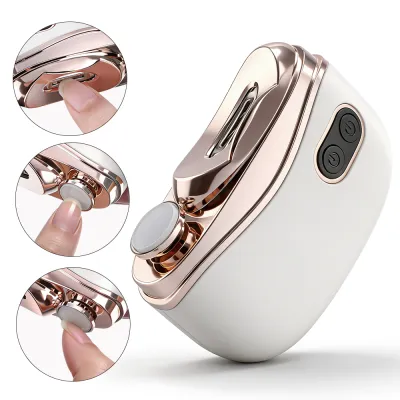
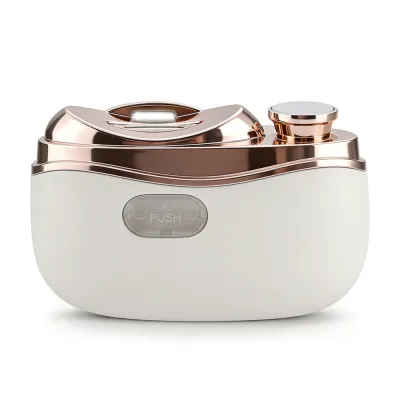
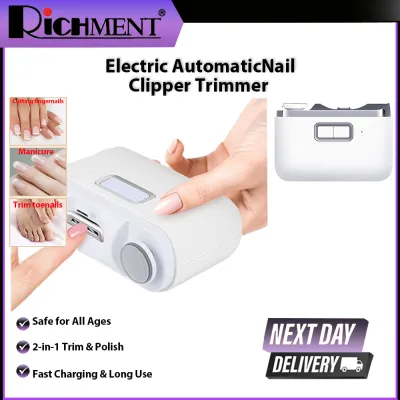
Prices are valid at publication and may change. Please refer to the product page for the latest price.
This grinding action offers a distinct advantage over traditional metal clippers or baby scissors. Standard clippers require you to slide a metal blade beneath the nail, making it incredibly easy to accidentally catch the highly sensitive skin of the fingertip or the nail bed, especially if the baby squiggles. An electric trimmer eliminates this blind cutting action, allowing you to see exactly where the filing surface meets the nail throughout the entire process.
However, safety remains conditional and is not a guaranteed feature of the device itself. The effectiveness and safety of an electric nail clipper rely heavily on your ability to maintain a steady hand and guide the tool properly. If a baby is actively resisting, crying, or pulling their hands away, the risk of the spinning pad slipping and rubbing against the delicate surrounding skin increases. Therefore, the tool should only be used when you can secure the baby’s hand comfortably and work in a calm environment.
Furthermore, selecting an age-appropriate device is critical. Many electric nail clippers sold on online marketplaces are marketed for the whole family, featuring multiple attachments with varying levels of grit. Using an adult-strength filing pad or an excessively high speed setting on a newborn can quickly wear down their thin nails and damage the underlying skin. Parents must verify that the device they choose includes ultra-fine, cushioned pads specifically labeled for newborns aged zero to three months.
Potential Risks and Side Effects for Delicate Baby Skin
While electric nail clippers are designed to minimize the risk of deep cuts, they are not entirely without hazards. One of the most common physical risks is friction heat buildup. When a rotating filing pad is held against a single spot on the nail or the surrounding skin for more than a few seconds, the friction generates heat. Because a newborn’s skin is exceptionally thin and sensitive, this rapid heat buildup can cause sudden pain or even mild thermal irritation, leading the baby to pull away abruptly.

Another risk involves catching the cuticle or the lateral nail folds. If the device lacks a well-designed protective guard, or if you hold the trimmer at an improper angle, the edge of the spinning pad can rub directly against the soft skin surrounding the nail. While it may not slice the skin like a metal blade, the abrasive grit can quickly scrape away the delicate outer layers of the epidermis, resulting in redness, soreness, or minor abrasions that are susceptible to infection.
Over-filing is also a significant concern when using motorized tools on soft newborn nails. A newborn’s nails are incredibly pliable and thin, meaning the electric file can wear them down much faster than you might expect. If you apply too much pressure or file for too long, you risk grinding past the free edge of the nail and into the sensitive nail bed. This over-filing can cause localized pain, peeling of the nail plate, and may even predispose the baby to developing painful ingrown nails as the nail attempts to grow back.
Finally, the sensory impact of the device can pose indirect safety challenges. The noise and vibration of the motor, even in models marketed as quiet, can startle a highly sensitive newborn. A sudden startle reflex during trimming can cause the baby to jerk their hand, leading to accidental slips. If the vibration feels unpleasant or tickles excessively, the baby may become distressed and uncooperative, turning what should be a calm grooming routine into a stressful struggle that increases the likelihood of accidental injury.
Essential Safety Features to Verify Before Purchase
When shopping for an electric baby nail clipper on any online marketplace, parents should look past marketing claims and carefully verify specific physical features. The first and most critical feature to check is the presence and structural design of a protective guard or shield. A well-designed guard physically limits how much of the spinning pad can make contact with the surrounding skin, acting as a barrier that prevents the edge of the file from digging into the baby’s cuticles or fingertips.
Adjustable speed settings are another non-negotiable safety feature. A safe baby trimmer must offer multiple speed modes, including a dedicated ultra-low speed setting designed specifically for newborns. This low-speed mode reduces the rotation rate of the filing pad, which minimizes friction heat, lowers the risk of over-filing, and gives the parent much greater control over the device. Avoid single-speed models that spin too rapidly for delicate infant nails.
Parents must also examine the material and grit specifications of the included filing pads. Newborn-safe pads should feature an extremely fine, soft grit, often color-coded by the manufacturer to indicate age suitability. Before purchasing, verify that the product description explicitly lists a pad suitable for infants aged zero to three months. The backing of these pads should also have a soft, foam-like cushion layer to absorb excess pressure if you accidentally press too hard against the nail.
Lastly, consider the physical ergonomics of the handle and the noise level of the motor. The handle should fit comfortably in your hand and feature a non-slip grip, allowing you to maintain precise control even if your hands are slightly damp. The motor should operate at a whisper-quiet decibel level to prevent startling your baby. Checking user manuals or manufacturer specifications for low-decibel ratings can help ensure the device will not cause sensory distress during use.
Best Practices for Safely Trimming a Newborn's Nails
To ensure a safe and stress-free grooming session, parents should establish a careful routine and follow precise techniques. Timing is everything when it comes to trimming a newborn’s nails. The optimal time to use an electric trimmer is when your baby is deeply asleep, feeding, or in a highly relaxed state. Attempting to file the nails of an active, alert, or fussy infant increases the risk of sudden movements and accidental skin contact.
Bright, direct lighting is absolutely essential for safety. Never attempt to trim your baby’s nails in a dimly lit room, even if they are sleeping. Use a focused nursery lamp or a device with a built-in LED light to clearly illuminate the boundary between the baby’s nail edge and the underlying skin. This visibility allows you to monitor the filing progress closely and avoid grinding down the sensitive nail bed.
Proper holding technique is vital for maintaining stability. Hold the baby’s hand firmly but gently, isolating one finger at a time between your thumb and forefinger. Gently press the pad of the baby’s fingertip downward and away from the nail edge to expose the nail fully and clear the surrounding skin from the path of the filing pad. Hold the electric trimmer securely in your other hand, keeping your wrist relaxed to allow for fluid movements.
When applying the trimmer to the nail, always use a “touch and go” or sweeping motion. Gently touch the spinning pad to the nail edge for a second or two, then pull it away, moving across the nail curve in a continuous, light sweep. Never hold the rotating pad stationary against one spot, as this rapidly generates friction heat. Let the speed of the motor do the work; do not apply downward pressure, as the cushioned pad is designed to file with minimal force.
Establish clear stop conditions before you begin. If your baby starts to fuss, squirm, or pull their hand away, immediately turn off the device and pause the session. Never force the process. Additionally, inspect the skin around the nail frequently; if you notice any redness, warmth, or signs of irritation, stop filing immediately and allow the skin to rest.
When to Choose Alternatives to Electric Nail Clippers
While electric nail clippers are a highly effective tool for many families, they are not the ideal solution for every baby. Some newborns are exceptionally sensitive to the physical sensation of vibration or the humming sound of the motor. If your baby consistently becomes distressed, cries, or panics when the device is turned on, forcing its use can create a negative association with grooming and increase the risk of injury. In these cases, it is advisable to switch to manual alternatives.
Additionally, some newborns are born with extremely soft, paper-thin nails that naturally peel or wear down on their own during the first few weeks of life. For these ultra-soft nails, a motorized file may be unnecessary and could easily over-file the nail bed. Instead, a simple, gentle manual emery board designed specifically for babies can be used to softly smooth away any sharp corners without the risk of friction heat or motor vibration.
Baby nail scissors with rounded safety tips are another excellent alternative to consider. Unlike traditional clippers, rounded scissors allow for a highly controlled, visible cut, making it easier to trim long, thin nails in a single, clean motion. Many parents find that a combination of tools works well, using rounded scissors to remove excess length and a manual emery board to smooth out any remaining rough edges.
Finally, there are situations where professional guidance is warranted. If your newborn has pre-existing skin conditions around the fingertips, such as eczema, or if you notice signs of a localized infection, swelling, or abnormal nail growth, do not use any grooming tools at home. Instead, consult your pediatrician or a qualified healthcare professional for safe, clinical guidance on how to manage your baby’s nail care.
Frequently Asked Questions (FAQ)
At what exact age can I start using an electric nail clipper on my baby?
You can generally begin using an electric nail clipper from birth, provided you use the specific ultra-fine filing pad designed for newborns. Manufacturer age guidelines vary, so it is essential to check the product packaging and user manual for explicit age, weight, or developmental recommendations before the first use. Always verify that you are using the correct color-coded pad designated for the zero-to-three-month age range to ensure the grit is gentle enough for newborn nails.
How do I clean and maintain the electric nail clipper to prevent infections?
To maintain proper hygiene and prevent the buildup of bacteria, you should clean the device after every use. Start by turning off the trimmer and removing the filing pad, then use a small, dry brush or a clean microfiber cloth to sweep away any accumulated nail dust from the pad and the protective guard. Never submerge the motorized base in water or use harsh chemical disinfectants, as moisture can damage the internal electronics and compromise safety. If the manufacturer’s instructions allow, you can wipe the exterior plastic handle with a slightly damp cloth or a mild sanitizing wipe, ensuring it dries completely before storage. Replace the filing pads promptly once they show signs of wear, smoothing, or reduced filing efficiency.

Community discussion
Share your experience or ask a question. Comments are reviewed before publication.