
Trimming a newborn’s tiny, paper-thin nails can be one of the most nerve-wracking tasks for new parents. An auto nail clipper, often designed as a motorized rotary file, offers a compelling alternative to traditional metal clippers or sharp scissors. When engineered specifically for infants and used with the correct age-graded attachments, these electric files are generally safe and can significantly reduce the risk of accidental skin nips. However, safety is not automatic; it depends entirely on choosing a device with the right protective features and using it with a careful, controlled technique.
Newborn nails are incredibly soft, flexible, and closely fused to the underlying skin of the nail bed. Traditional clippers require precise positioning, and a single sudden movement from a startled baby can lead to painful cuts. Electric files mitigate this risk by using gentle abrasion to wear down the nail edge gradually rather than cutting through it in one sharp motion. This makes them a popular choice for parents seeking peace of mind during grooming sessions.
Despite their safety appeal, not all motorized files are suitable for a brand-new infant. Parents must evaluate specific design elements, such as motor speed, grit texture, and noise levels, before introducing an electric device to their baby’s routine. In Singapore’s warm, humid climate, babies often rub their faces frequently, making smooth, scratch-free nails even more critical to prevent skin irritation. Understanding how these tools function and recognizing their limitations is essential to keeping your newborn’s hands safe.
Products mentioned in this guide
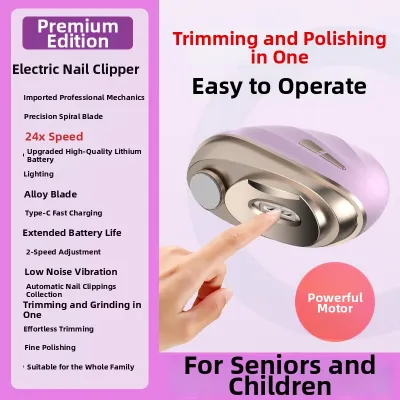
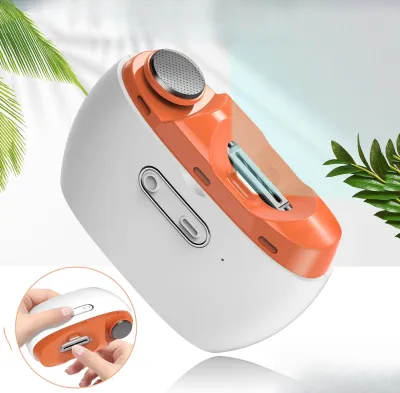
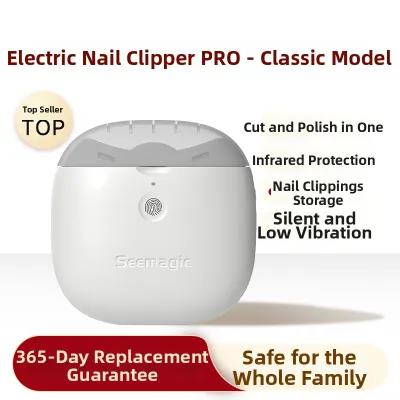
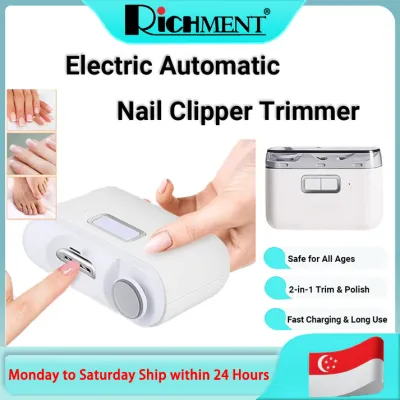
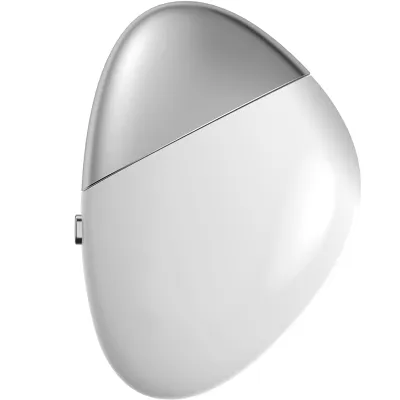
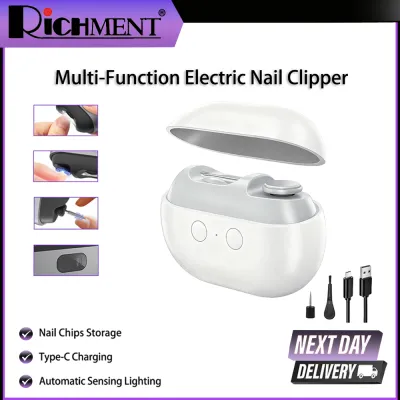
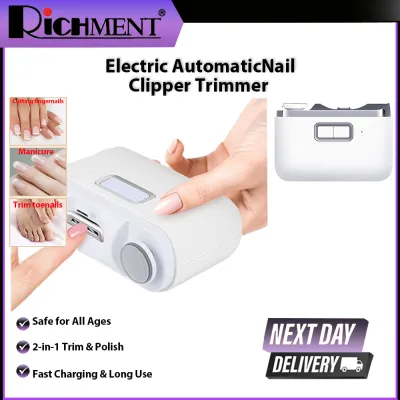
Prices are valid at publication and may change. Please refer to the product page for the latest price.
How Auto Nail Clippers Differ from Manual Trimmers
To understand why an auto nail clipper is often recommended for infants, it helps to look at how the mechanical action differs from traditional manual tools. Manual clippers and baby scissors rely on a shearing force, where two metal blades meet to cut through the nail. Because a newborn’s nails are exceptionally thin and tightly adhered to the surrounding skin, distinguishing between the nail edge and the delicate fingertip can be incredibly difficult, especially when working with a squirming baby.
In contrast, an electric baby nail trimmer operates on a principle of gentle rotary abrasion. Instead of cutting, the device uses a spinning disc covered in a fine, sandpaper-like grit to buff and file the nail down. This filing action wears away the nail tip incrementally, allowing parents to shape the nail smoothly without applying sharp edges near the skin. The gradual nature of this process gives caregivers much greater control over how much nail is removed.
This abrasive method is particularly well-suited for the unique structure of infant nails. During the first few weeks of life, a baby’s nails are highly pliable and may even peel naturally. Filing these soft edges prevents them from snagging on clothing or scratching the baby’s sensitive face. The buffing motion also rounds out the corners of the nail, eliminating the sharp points that manual clippers often leave behind.
However, this motorized rotation is only safe when paired with baby-grade attachments. While adult electric files use high-speed motors and coarse metal or stone grinding heads, baby-specific models utilize soft, cushioned foam pads topped with ultra-fine grit. These cushioned backings absorb excess pressure, ensuring that the filing surface yields slightly when it comes into contact with the soft skin of the fingertip.
Potential Risks and Safety Concerns for Newborns
While an auto nail clipper is designed to minimize the risk of cuts, it is not entirely without hazards. One primary concern is the generation of friction heat. When a motorized filing pad spins rapidly against a single spot on the nail, the friction can quickly create a warm sensation. Because a newborn’s skin is exceptionally thin and sensitive, even a brief buildup of heat can cause discomfort or a mild burn if the device is held stationary for too long.

Skin snagging is another potential risk, particularly with poorly designed devices or when applying excessive pressure. Although the filing pads are cushioned, the outer edge of the spinning disc can still catch the delicate cuticle or the lateral nail folds if angled incorrectly. If a parent presses the device too firmly against the finger, the friction can pinch or abrade the surrounding skin, leading to redness and irritation.
Over-filing is a common mistake when parents are adjusting to the speed of an electric trimmer. Because the filing process is quiet and gradual, it can be easy to lose track of how much nail has been removed. Filing past the natural nail line can expose the highly sensitive nail bed underneath. This not only causes immediate pain and distress for the baby but also leaves the area vulnerable to dirt and minor localized infections.
Finally, sensory overload from the device’s motor can make the grooming experience challenging. The vibration and humming sound of an electric motor, even a quiet one, can startle a newborn. A baby who is frightened by the noise may flinch or thrash their hands unpredictably, increasing the likelihood of accidental contact with the spinning pad or causing the parent to lose their grip on the tiny finger.
Essential Safety Features to Verify Before Purchasing
When shopping for an auto nail clipper on an online marketplace or at a local baby specialty store, parents should look beyond aesthetic designs and focus on specific safety features. The most critical component to verify is the inclusion of age-specific attachments. Infant nail files should come with color-coded grinding heads tailored to different developmental stages. For a newborn, the kit must include an ultra-fine grit pad, usually cushioned with soft foam, designed specifically for babies aged zero to three months.
Adjustable speed settings are equally vital for maintaining control during the grooming process. A safe baby trimmer should offer at least two speed modes: a low-speed setting for delicate newborn nails and a slightly higher speed for older infants with thicker nails. Operating the device on the lowest speed setting minimizes the risk of friction heat and allows the parent to react quickly if the baby makes a sudden movement.
The quality of the motor plays a significant role in both safety and comfort. Look for a device equipped with a whisper-quiet motor that produces minimal vibration. A loud, vibrating tool held close to a baby’s face or hands can easily trigger a startle reflex. A quiet motor allows parents to trim nails while the baby is asleep, which is often the easiest and safest time to perform the task.
Additionally, check for protective casing and safety guards around the rotating head. Some advanced models feature recessed pads or built-in LED lights that illuminate the tiny fingernails during use. An integrated light is highly beneficial for ensuring precision, especially when trimming in dimly lit rooms while the baby rests. The overall ergonomic design of the handle should also provide a secure, non-slip grip for the parent, preventing accidental slips during operation.
Best Practices for Safe and Effective Trimming
Establishing a calm and structured routine is key to using an electric nail file safely on your newborn. Timing is perhaps the most crucial factor. Attempting to trim a baby’s nails when they are hungry, alert, or active increases the risk of sudden movements. Instead, choose a window when the baby is deeply asleep, feeding, or in a highly relaxed state. Trimming during a nap ensures that the baby’s hands remain relatively still, allowing you to focus entirely on the task.
When using the device, apply a gentle and continuous technique. Hold the baby’s finger securely between your thumb and forefinger, gently pressing the finger pad downward to expose the nail edge and clear the surrounding skin. Lightly touch the spinning pad to the nail, keeping the device moving in a slow, continuous arc across the nail tip. Never hold the file in one spot for more than a second or two, as this prevents the buildup of friction heat.
The physical environment also influences safety. Always work in a well-lit room, or utilize the device’s built-in LED light if available, to maintain clear visibility of the boundary between the nail and the skin. Sit in a comfortable, stable position where you can rest your elbows on a flat surface to steady your hands. This stability prevents sudden jerks if the baby shifts their weight.
Frequent inspection is necessary throughout the session. Pause every few seconds to feel the nail edge with your own finger, checking for smoothness and ensuring you have not filed too close to the nail bed. It is always safer to leave the nail slightly longer than to risk over-filing. Once the sharp edges are rounded off, stop the process immediately.
Warning Signs: When to Stop Using the Electric File
Even with the safest tools, parents must remain vigilant and know when to pause or discontinue using an electric file. Stop the device immediately if you notice any signs of skin irritation, redness, or swelling around the baby’s cuticles or fingertips. If the baby whimpers, pulls their hand away, or shows any signs of physical discomfort, turn off the trimmer and inspect the area under bright light to ensure the skin has not been abraded.
You should also pause the grooming session if the baby becomes fussy, restless, or begins to move unpredictably. Forcing the process when a baby is agitated increases the risk of accidental skin contact and can create a negative association with nail care. It is far better to trim one or two nails at a time over the course of a day than to rush through a complete session with an uncooperative infant.
Finally, recognize the physical limits of a rotary file. If your newborn has exceptionally thick nails, an ingrown nail, or signs of a localized skin infection such as pus or extreme redness, do not attempt to use an electric trimmer. In these situations, consult a pediatrician or a qualified healthcare professional for guidance on safe treatment, as rotary files are not designed to address medical nail conditions.
Frequently Asked Questions (FAQ)
Can I use a regular adult electric nail file on my newborn?
No, you should never use an adult electric nail file or manicure tool on a newborn. Adult devices operate at much higher speeds and with significantly stronger motor torque, which can easily cause friction burns or severe skin damage on an infant’s delicate fingers. Furthermore, the grinding attachments for adults feature coarse, abrasive grits that are far too harsh for the soft, thin nails of a newborn and lack the protective foam cushioning required to safeguard baby skin.
How often should I trim my newborn's nails with an electric clipper?
Newborn nails grow surprisingly fast, often requiring trimming once or twice a week to prevent accidental scratching. The exact frequency depends on your baby’s individual growth rate and their scratching habits. Instead of sticking to a rigid schedule, inspect your baby’s fingernails every few days, feeling for sharp edges or looking for visible growth beyond the fingertip, and file them only when necessary to keep the edges smooth.

Community discussion
Share your experience or ask a question. Comments are reviewed before publication.