
Quick Answer: Which Tool Is Safer for Your Newborn?
Caring for a newborn brings a wave of joy, along with a few unexpected anxieties—one of the most common being the first time you need to trim those tiny, paper-thin fingernails. When deciding between an electric baby nail trimmer and manual clippers, safety is not about finding a single, universally superior tool. Instead, the safest choice depends on your baby’s age, the hardness of their nails, and your own comfort level as a caregiver.
For newborns, electric trimmers are widely considered the safer and more forgiving option because they file the nail down gently, significantly reducing the risk of accidentally cutting the delicate skin. Manual clippers, on the other hand, offer the clean precision required for older infants whose nails have begun to harden. Before making a purchase, always check the manufacturer’s age recommendations and safety warnings on any baby nail cutter set to ensure it aligns with your child’s current developmental stage.
Electric Trimmers vs. Manual Clippers: How They Compare in Safety and Use
Understanding how each tool operates can help you choose the right grooming method for your family.
Products mentioned in this guide
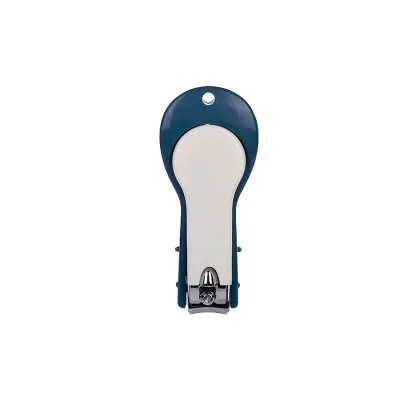
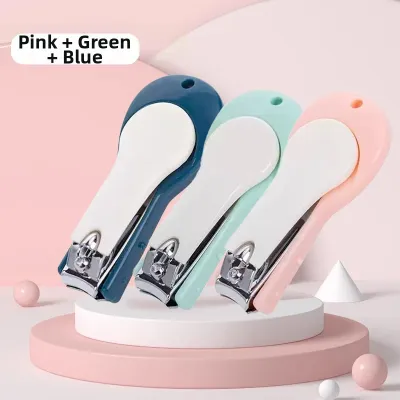
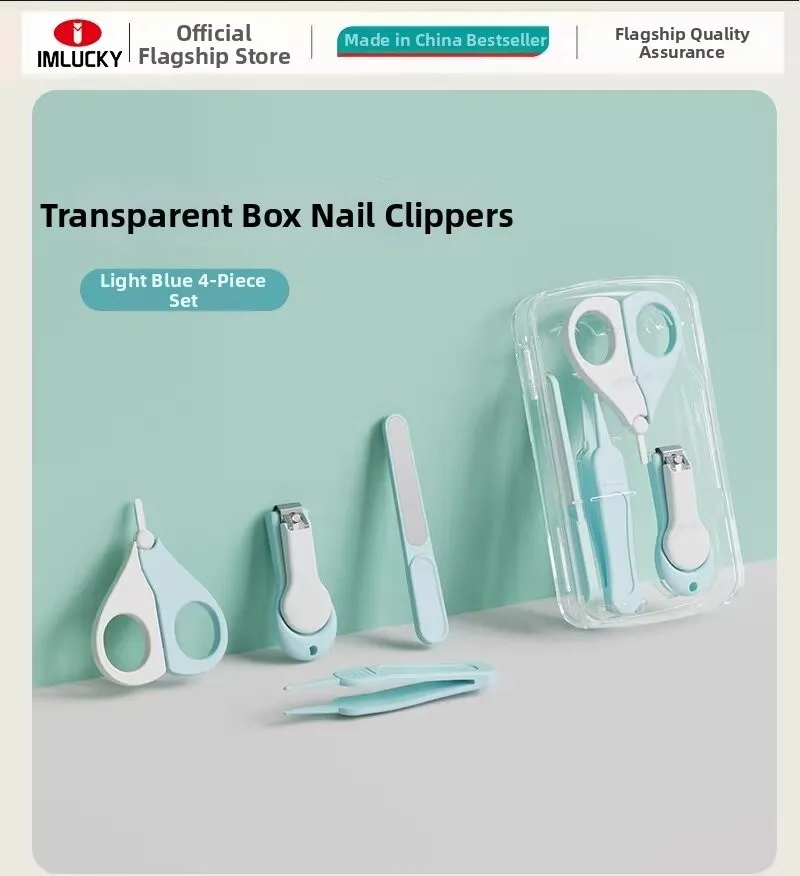
![[NEW] Titania Baby Manicure Set Baby Scissors Baby Nail Clipper Sand Nail File (1 set only)](https://img.lazcdn.com/g/ff/kf/S69ae3674fe1a4220adce156eac659fecV.jpg_400x400q80.jpg_.webp)
Prices are valid at publication and may change. Please refer to the product page for the latest price.

Safety Mechanisms
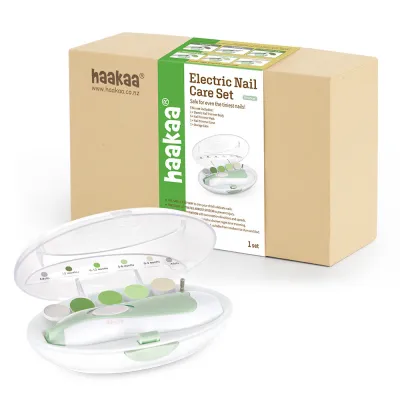
Electric baby nail trimmers operate using a battery-powered rotating disc covered in a cushioned, fine-grit sandpaper pad. This design relies on gentle friction to gradually wear down the nail edge. A key safety feature of most electric trimmers is that the motor is calibrated to stop or slip if the pad is pressed too firmly against your baby’s skin, preventing friction burns or cuts. Manual clippers, conversely, utilize two curved metal blades that meet to shear the nail in a single motion. While highly efficient, this shearing action requires you to place the blade directly beneath the nail plate, which leaves very little margin for error if your baby makes a sudden movement.
Ease of Use
The learning curve for these tools varies greatly. Electric trimmers are highly forgiving, allowing you to file from almost any angle without worrying about perfect alignment. Many models also feature built-in LED lights to help you see clearly in low-light conditions, which is particularly useful since many parents prefer to trim nails while the baby is sleeping. However, the gentle hum and vibration of the motor can occasionally startle sensitive infants. Manual clippers are completely silent and require no batteries, but they demand excellent hand-eye coordination, steady lighting, and a very cooperative baby. Trying to align tiny metal blades on a wiggling infant can be a high-stress task for many parents.
Precision and Finish
One of the main advantages of an electric trimmer is the smooth, rounded finish it leaves behind. Because the filing pad moves in a circular motion, it naturally buffs away sharp corners, minimizing the risk of your baby scratching their own face. Manual clippers cut the nail in straight or slightly curved segments, which can leave sharp, jagged edges at the corners. To prevent scratches after using clippers, you will often need to follow up with a manual baby emery board to smooth out the remaining rough spots.
Age Suitability
A baby’s nails undergo significant changes during their first year. In the newborn stage, nails are incredibly soft, flexible, and closely attached to the underlying skin bed. Electric trimmers are ideal during these early weeks because they can safely file down paper-thin nails without pulling on the delicate nail bed. As your baby reaches three to six months of age, their nails gradually become thicker and more rigid. At this stage, filing can become a slow, tedious process that quickly wears out the trimmer pads. This is when manual clippers become highly practical, allowing you to quickly and cleanly snip through tougher nail growth.
Side-by-Side Comparison: What to Check Before You Buy
When evaluating different options, it helps to compare their core features side by side. Since exact specifications, motor speeds, and accessories vary by brand, always verify the manufacturer’s product label before purchasing.
| Feature | Electric Baby Nail Trimmer | Manual Baby Clippers |
|---|---|---|
| Mechanism | Rotating cushioned filing pads | Curved metal shearing blades |
| Cut Risk | Extremely low; pad slips on skin | Moderate; requires precise placement |
| Noise & Vibration | Low hum and gentle vibration | Completely silent |
| Maintenance | Requires battery/pad replacements | Simple cleaning; no power source |
| Best Age Group | Newborns and younger infants | Older infants and toddlers |
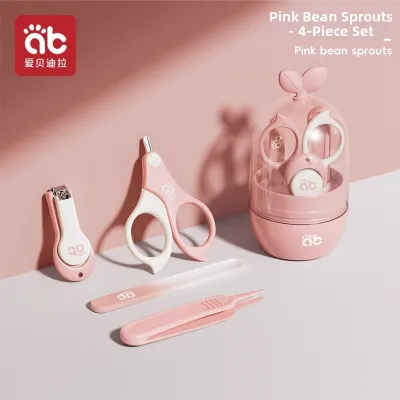
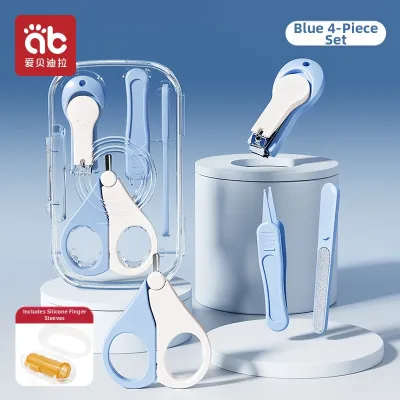
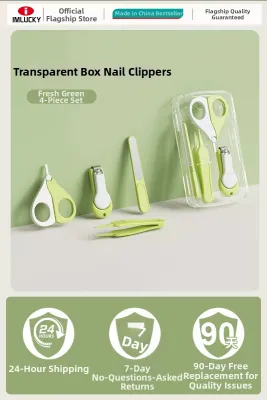
Many parents find that purchasing a comprehensive baby nail cutter set is the most practical solution. These multi-piece kits often include both an electric trimmer with interchangeable filing pads graded for different ages, and a pair of specially designed infant manual clippers. When shopping, look for sets that offer clear age-grade labeling, adjustable speed settings, and a protective travel case to keep the tools clean and organized.
Decision Guide: Choosing the Right Baby Nail Cutter Set
Selecting the right grooming tool comes down to assessing your personal comfort level, your baby’s temperament, and their current developmental stage.
Choose an Electric Trimmer if:
- You are a first-time parent experiencing high anxiety about accidentally cutting your newborn's skin.
- Your baby is under three months old with very soft, paper-thin nails that grow rapidly.
- You prefer to groom your baby while they are asleep and want the assistance of a built-in light.
- You want a tool that automatically rounds out the nail edges to prevent self-scratching without needing a secondary file.
Choose Manual Clippers if:
- Your baby is older, and their nails have hardened to the point where filing takes too long.
- You prefer a simple, traditional tool that is highly portable, battery-free, and always ready to use.
- Your baby is easily startled by the sound or vibration of electric motors.
- You have a steady hand and feel confident aligning the blades on a calm infant.
Verify First if:
- Your baby has any pre-existing skin conditions, eczema, or extreme sensitivity around their fingertips, in which case you should consult a healthcare professional before grooming.
- The product packaging lacks clear safety certifications, age-grade labeling, or detailed instructions from the manufacturer. Always prioritize brands that provide transparent safety guidelines.
Safe Nail Trimming Practices for Newborns
Regardless of the tool you choose, establishing a calm, safe routine is the key to preventing accidents and reducing grooming anxiety for both you and your baby.
Choose the Right Timing
Never try to force a nail-trimming session when your baby is fussy, hungry, or highly active. The safest time to trim is when your baby is relaxed, feeding, or fast asleep. During deep sleep, their muscles relax, and their hands naturally open, making it much easier to handle their tiny fingers without resistance.
Master the Proper Hold
Work in a well-lit room to ensure maximum visibility. Hold your baby’s hand securely but gently, isolating one finger at a time. Use your thumb to gently press the sensitive skin pad of the baby’s fingertip downward and away from the nail edge. This simple action creates a clear gap between the nail and the skin, giving you a safe zone to position your clipper blade or electric filing pad without catching the surrounding tissue.
Know When to Stop
Always monitor your baby’s skin closely during the process. If you notice any accidental nicks, persistent redness around the nail bed, swelling, or signs of an ingrown nail, stop trimming immediately. Keep the area clean and dry, and consult your pediatrician or a qualified healthcare professional for guidance on proper care and to prevent potential infections.
Frequently Asked Questions (FAQ)
When should I start trimming my newborn's nails?
Newborn nails grow incredibly fast and can become sharp enough for them to scratch their delicate faces within the first week of life. While you may need to address sharp edges early on, it is highly recommended to consult your pediatrician or healthcare provider during your initial checkups. They can advise you on the safest timing and demonstrate the proper technique for your baby’s specific development.
Can I use adult nail clippers on my baby?
No, using adult nail clippers on an infant is highly discouraged. Adult clippers are designed with larger, flatter blades and much stronger leverage, which makes it incredibly difficult to see or control the cut on a tiny finger. Baby-specific clippers feature scaled-down, curved blades designed to match the natural contour of miniature nails, significantly reducing the risk of catching the surrounding skin.
What should I do if I accidentally cut my baby's finger?
Accidents can happen to even the most careful caregivers, so it is important not to panic. Immediately apply gentle pressure to the nick using a clean, sterile cloth or gauze pad until the bleeding stops. Avoid using adhesive bandages on your baby’s fingers, as these can easily loosen and present a serious choking hazard if the baby puts their hand in their mouth. If the bleeding does not stop after a few minutes of direct pressure, or if you notice signs of infection later, seek professional medical assistance promptly.

Community discussion
Share your experience or ask a question. Comments are reviewed before publication.