
Potty training is a major milestone for toddlers, but the transition from diapers to underwear can generate significant waste. For eco-conscious parents in Singapore, switching to sustainable training pants offers a practical way to minimize environmental impact while supporting a child’s independence. Finding the right balance between absorbency, comfort in a humid climate, and environmental footprint requires understanding the options available in the local market. By focusing on material composition, verification standards, and functional designs, caregivers can confidently select high-quality reusable or biodegradable options that suit their family’s lifestyle and laundry routine.
What Makes Training Pants Eco-Friendly?
To make an informed choice, it is essential to distinguish between the two primary categories of eco-friendly training pants: reusable cloth options and plant-based disposable alternatives. Reusable cloth training pants are designed to be washed and worn repeatedly, mimicking traditional underwear while incorporating built-in absorbent layers. Because they are reused dozens of times, they significantly reduce landfill waste over the course of potty training. In contrast, plant-based or biodegradable disposable training pants are single-use options designed for convenience, such as during travel or outings. These disposables aim to replace petroleum-derived plastics with renewable materials, though their environmental benefits depend heavily on how they are manufactured and disposed of.
When evaluating eco-friendly claims, parents should look closely at the material composition of the training pants. Sustainable options often utilize natural fibers like organic cotton, bamboo viscose, or hemp for their absorbent cores and inner linings. Organic cotton is highly breathable and gentle on sensitive skin, making it well-suited for Singapore’s warm and humid weather. Bamboo viscose is prized for its high absorbency and silky texture, while hemp offers exceptional durability and natural antimicrobial properties, though it can feel slightly stiffer and takes longer to dry. The outer waterproof layer of reusable pants is typically made from Thermoplastic Polyurethane (TPU) or Polyurethane Laminate (PUL), which prevents leaks while remaining breathable.
Products mentioned in this guide
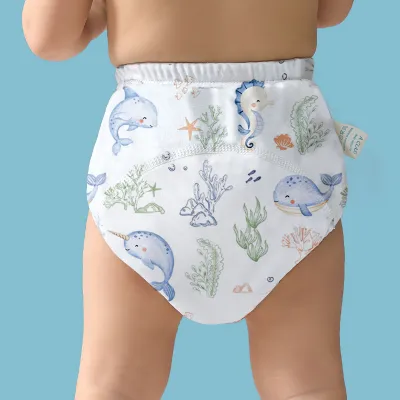
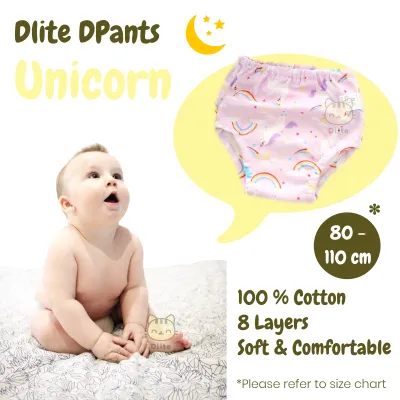
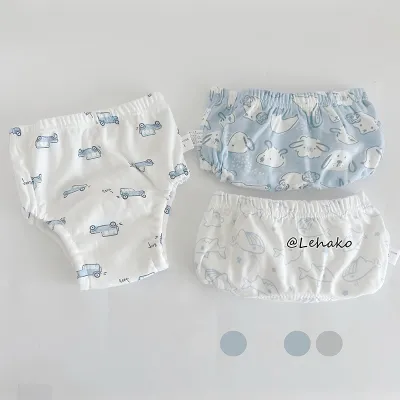
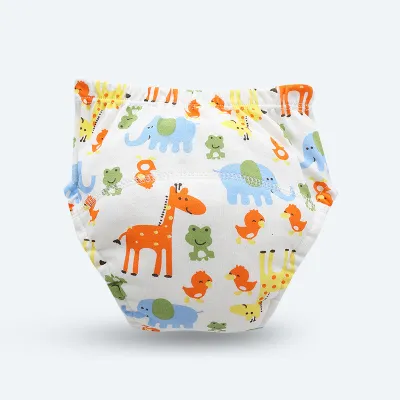
![[SG Ready Stock] Baby Toilet Training Pants 6 Layers Cotton Toddler Kid Potty Training Underwear Washable Cloth Diaper Children Day Gifts](https://img.lazcdn.com/g/p/3987f2eec680cd64554d9932f24c6993.jpg_400x400q80.jpg_.webp)
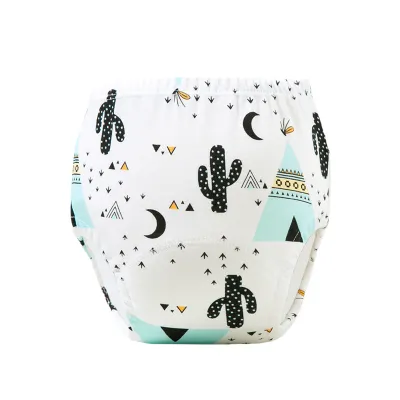
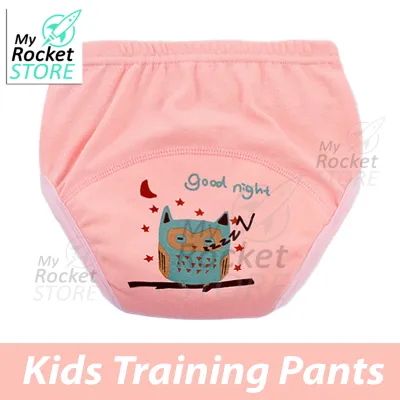
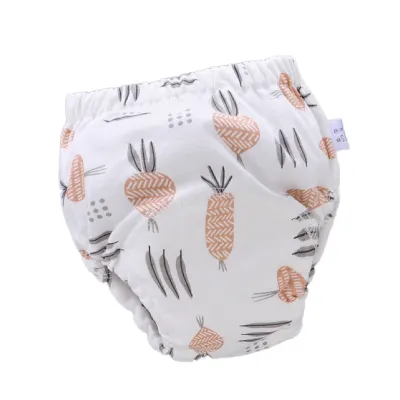
Prices are valid at publication and may change. Please refer to the product page for the latest price.
It is important to note that terms like “eco-friendly,” “green,” or “biodegradable” are not always regulated, and greenwashing is common in the baby product industry. True sustainability requires verification through material composition and manufacturing transparency. Caregivers should look for brands that openly share their supply chain practices, sourcing methods, and chemical-use policies. By choosing products made from certified organic or renewable resources, parents can ensure they are supporting genuine environmental practices while keeping harmful chemicals away from their child’s skin.
Key Features to Evaluate for Potty Training Success
Choosing the right training pants involves balancing environmental goals with practical functionality. The primary purpose of training pants is to help toddlers recognize the sensation of wetness while containing minor accidents, facilitating the transition to regular underwear.

Absorbency is a critical factor to evaluate when selecting training pants. Unlike standard diapers, which are engineered to keep moisture away from the skin, training pants should allow the child to feel dampness. This sensory feedback is crucial for potty training progress, as it helps the child connect the physical sensation of urinating with the resulting wetness. The absorbent core should be thick enough to catch a single accident to prevent puddles on the floor, but not so thick that it mimics the dry feel of a diaper.
The physical design of the training pants also affects daily usability and the child’s independence. Pull-up designs mimic traditional underwear, allowing toddlers to practice pulling them up and down on their own, which builds confidence and fine motor skills. Side-snap options, however, are highly practical for containing messy accidents, particularly bowel movements. They allow caregivers to remove the pants quickly and cleanly without pulling waste down the child’s legs, making them an excellent choice for the early stages of potty training.
Fit and elasticity are essential for leak prevention, especially around the waist and thighs. In Singapore’s humid climate, tight elastics can trap moisture and sweat, leading to chafing, redness, or heat rashes. Caregivers should look for wide, gentle elastic bands that provide a secure seal without digging into the child’s skin. Checking the manufacturer’s sizing charts against the child’s current weight and thigh measurements is the most reliable way to ensure a proper fit, as sizing can vary significantly between brands.
How to Find and Verify Reliable Eco-Friendly Brands
Navigating the market to find genuine eco-friendly training pants requires a systematic approach to sourcing and verification. Parents can find sustainable options through several reliable retail channels in Singapore. Specialized baby boutiques and eco-conscious specialty stores often curate high-quality cloth diapering products and can offer personalized advice. Official brand websites provide direct access to complete product specifications, sizing guides, and customer support, while established online marketplaces offer a broad selection of international and local brands with convenient delivery options.
To verify a brand’s environmental and safety claims, caregivers should inspect product labels and descriptions for recognized certifications. Look for standards such as OEKO-TEX Standard 100, which verifies that the textiles are free from harmful levels of toxic substances, or the Global Organic Textile Standard (GOTS) for organic fiber content. For disposable options, certifications like the Forest Stewardship Council (FSC) ensure that the wood pulp used in the absorbent core is sourced from responsibly managed forests. These independent certifications provide assurance that the materials are safe for direct contact with a toddler’s skin and have been produced under environmentally responsible conditions.
Analyzing parent reviews is another valuable step in the decision-making process. While marketing materials highlight ideal performance, real-world reviews from other parents offer practical insights into durability, washability, and actual absorbency. Look for feedback on how well the elastics hold up after multiple washes, whether the fabric pills or stiffens over time, and how long the pants take to dry in local humidity. Reviews from parents living in warm, tropical climates are particularly useful for assessing the breathability and comfort of the training pants.
How to Wash and Care for Reusable Training Pants
Proper maintenance is key to preserving the hygiene, absorbency, and lifespan of reusable training pants. Establishing a consistent laundry routine ensures the garments remain functional throughout the potty training journey.
A standard washing routine begins with a pre-rinse. Immediately after an accident, solid waste should be flushed down the toilet, and the training pants should be rinsed under cold running water to prevent staining and odor buildup. Store the damp pants in a dry pail or a breathable wet bag until laundry day to prevent mold growth, which can occur quickly in Singapore’s humid environment. It is best to wash the training pants within two days of use to maintain optimal hygiene.
When washing, select a gentle, residue-free detergent that does not contain fabric softeners, optical brighteners, or chlorine bleach. These additives can coat the fibers of the absorbent core, drastically reducing its ability to absorb liquid over time. Wash the pants in cold or warm water according to the manufacturer’s temperature guidelines; excessively hot water can damage the waterproof laminate layer and degrade the elastic bands. Running an extra rinse cycle can help ensure all detergent residue is thoroughly removed from the fabric.
Drying methods have a significant impact on the longevity of the materials. Hanging training pants to dry in a well-ventilated area with indirect sunlight is highly effective, as natural sunlight acts as a mild sanitizer and stain remover. However, avoid prolonged exposure to direct, intense midday sun, which can dry out and crack the elastic bands and waterproof linings. If using a clothes dryer, always select a low-heat setting to protect the delicate components, and avoid using dryer sheets, which can also leave absorbency-reducing residues.
Regularly inspect the training pants for signs of wear and tear. Stretched-out elastics, delaminated waterproof layers, or persistent odors that do not resolve after a deep clean indicate that the garment’s functional lifespan has ended. If you notice a drop in absorbency, you may need to “strip” the pants by washing them with a residue-clearing treatment to remove mineral or detergent buildup, following the manufacturer’s specific care instructions.
Frequently Asked Questions (FAQ)
How many pairs of reusable training pants do I need?
The ideal number of reusable training pants depends on your child’s current stage of potty training and your household’s laundry schedule. In the early stages, when accidents are frequent, a toddler may go through six to eight pairs per day. If you plan to wash laundry every other day, a starting set of 12 to 15 pairs is practical to ensure you always have clean pants available while others are washing and drying. As your child gains better bladder control and accidents decrease to one or two a day, you can comfortably manage with a smaller rotation of six to eight pairs.
Can eco-friendly training pants be used overnight?
Standard daytime training pants are generally not designed to handle the high volume of urine released during extended overnight sleep. Because their primary purpose is to let the child feel wetness quickly, they lack the heavy-duty absorbency and comprehensive leak guards found in overnight diapers. For nighttime use, caregivers should check the manufacturer’s guidelines to see if the training pants support additional absorbent inserts. If your child is still wetting heavily during sleep, using a dedicated overnight cloth diaper or a highly absorbent, plant-based disposable option may be necessary until they achieve nighttime dryness.

Community discussion
Share your experience or ask a question. Comments are reviewed before publication.