
Transitioning your toddler from diapers to potty training pants is a major developmental milestone, and choosing reusable options is an impactful way to reduce your household’s environmental footprint. While disposable pull-ups offer temporary convenience, they contribute significantly to local waste streams. Reusable training pants, made from sustainable fabrics, provide a practical, cost-effective, and eco-friendly alternative that supports your child’s natural learning process.
By focusing on material integrity, ease of washing, and proper fit, you can navigate this transition smoothly while staying true to your sustainable parenting values. Selecting the right options involves understanding how different fabrics perform in humid climates and how to verify the environmental claims of various brands.
Why Switch to Reusable Potty Training Pants?
Every year, millions of single-use disposable diapers and pull-ups are incinerated, contributing to landfill ash and carbon emissions. In Singapore, where waste management is a critical environmental priority, reducing household waste directly supports local sustainability goals. Choosing reusable training pants prevents hundreds of disposable products from entering the waste stream during the active potty training phase.
Products mentioned in this guide
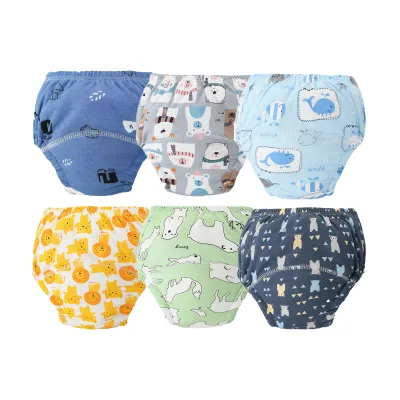
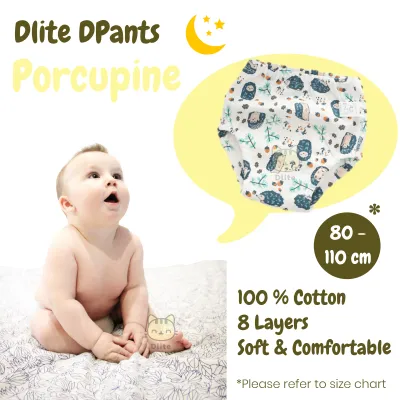
![[4 at $10.90] Baby Toilet Training Pants 6 Layers Reusable Cloth Diaper Waterproof Underwear Nappy Potty Highly Absorbent](https://img.lazcdn.com/g/p/197076b91cd3cd72b6ad2647e18e82e9.png_400x400q80.png_.webp)
![[SG Ready Stock] Baby Toilet Training Pants 6 Layers Cotton Toddler Kid Potty Training Underwear Washable Cloth Diaper Children Day Gifts](https://img.lazcdn.com/g/p/3987f2eec680cd64554d9932f24c6993.jpg_400x400q80.jpg_.webp)
![[SG Ready Stock] Baby Toddler Girls Boys 6 Layer Cotton Toilet Potty Training Pants Rewashable Underwear Diapers [Little Gems] BLO005](https://img.lazcdn.com/g/p/81afa0b07219e9cddc0d2f8d334f8fbc.jpg_400x400q80.jpg_.webp)
![[LIL BUBBA SG] SIZE XL 3-PCS SET GIRL DESIGN 6-LAYER POTTY TRAINING PANTS | KIDS UNDERWEAR| NO MORE DIAPER](https://img.lazcdn.com/g/p/466dc1098522f057ff37bbfc5f1856df.jpg_400x400q80.jpg_.webp)
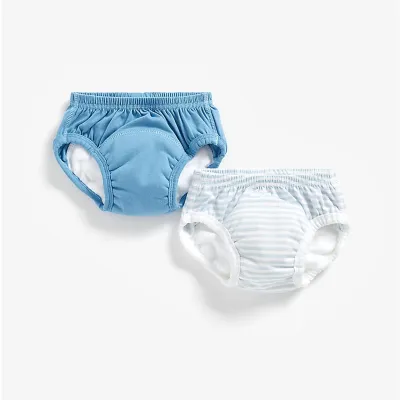
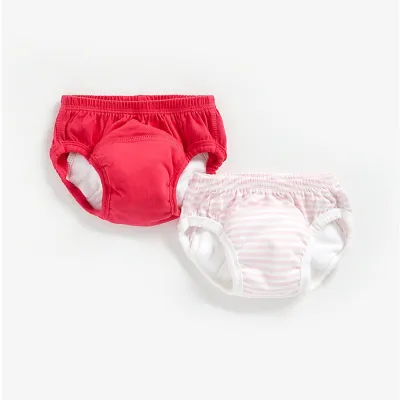
Prices are valid at publication and may change. Please refer to the product page for the latest price.
While the upfront cost of purchasing a stash of reusable training pants is higher than buying a single pack of disposables, the long-term financial savings are substantial. Parents typically find that investing in a set of high-quality reusable pants costs less over several months than continuously purchasing disposable pull-ups. These savings multiply if the pants are cared for properly and saved for younger siblings.
Beyond environmental and financial benefits, reusable pants play a vital role in the developmental process of potty training. Disposable pull-ups are designed to wick moisture away instantly, leaving the toddler unaware that they have urinated. Reusable pants allow the child to feel the wetness immediately, creating a sensory link between the urge to go and the physical sensation of a wet garment. This natural feedback loop often helps toddlers recognize their bodily cues more quickly, accelerating daytime dryness.
Core Features to Look for in Eco-Friendly Training Pants
When selecting reusable training pants, balancing absorbency with wetness feedback is essential. The ideal training pant should hold one small accident to protect your floors and furniture, but it should not be so absorbent that the toddler feels completely dry. Look for designs that feature a targeted absorbent core paired with a semi-permeable or waterproof outer layer.

Fit and ease of use are critical factors for both toddlers and caregivers. Pull-up styles mimic real adult underwear, which boosts a toddler’s independence as they learn to pull them up and down during toilet visits. Conversely, snap-on designs featuring side snaps are highly practical for messy accidents, allowing you to remove the pants easily without pulling waste down your child’s legs. Many local preschools and childcare centers prefer snap-on styles for quick and hygienic changes during the school day.
Durability determines the true environmental impact of the product. Because training pants undergo frequent, rigorous washing cycles, the elastics and stitching must be highly resilient. Check the manufacturer’s specifications regarding elastic longevity and wash-cycle ratings to ensure the pants will not lose their shape or leak after a few weeks of use.
Packaging is another area where truly eco-conscious brands differentiate themselves. Look for manufacturers that ship their products in minimal, plastic-free, or compostable packaging. Brands committed to sustainability often use FSC-certified cardboard or paper-based wraps, minimizing the secondary waste associated with your purchase.
Comparing Sustainable Fabrics and Absorbent Layers
Organic cotton is a popular choice for the inner lining of training pants because of its exceptional breathability and softness against sensitive toddler skin. It provides a reliable baseline of absorbency and is widely available. Choosing certified organic cotton ensures that the fiber was grown without synthetic pesticides, protecting both the soil and the agricultural workers involved in production.
Bamboo viscose and lyocell are highly absorbent materials that offer a silky texture and excellent moisture-wicking properties. Lyocell, often produced under closed-loop manufacturing processes, is highly regarded by eco-conscious parents because the water and solvents used in production are recycled repeatedly. While bamboo viscose is incredibly soft, parents should verify the manufacturer’s chemical processing methods to ensure they align with clean production standards.
Hemp blends represent one of the most durable and sustainable fabric options available. Hemp cultivation requires minimal water and no pesticides, making the raw crop highly eco-friendly. When blended with organic cotton, hemp provides excellent absorbency speed and capacity, and the fabric actually becomes softer with subsequent washes. It also possesses natural antimicrobial properties, which helps manage odors between washes.
Waterproof outer layers are necessary to prevent leaks, and they typically consist of either Thermoplastic Polyurethane (TPU) or Polyurethane Laminate (PUL). TPU is heat-bonded, whereas PUL is chemically bonded, making TPU the preferred choice for parents seeking to minimize chemical solvents in their children’s clothing. In Singapore’s hot and humid climate, breathability is vital to prevent heat rash and skin irritation. Look for lightweight, breathable TPU layers that allow heat to escape while keeping moisture contained.
How to Spot Greenwashing and Verify Eco-Certifications
As demand for sustainable baby products grows, so does the prevalence of greenwashing. Vague marketing terms like “natural,” “green,” or “eco-friendly” carry no legal weight and do not guarantee sustainable practices. To ensure you are purchasing genuine eco-friendly products, look for verified third-party certifications on the brand’s website or product labels.
The Global Organic Textile Standard (GOTS) is the gold standard for organic fibers, ensuring environmental and social criteria are met along the entire supply chain. Another crucial certification is the Oeko-Tex Standard 100, which tests the final product for harmful levels of toxic chemicals and heavy metals. Parents should verify these certification numbers directly on the official registry databases of the certifying bodies to confirm they are active and valid.
Transparency regarding the supply chain is a hallmark of truly sustainable brands. Reputable manufacturers openly share details about their factory locations, labor standards, and raw material sourcing. Be cautious of brands that advertise organic materials on the outside but hide a thick, undisclosed polyester microfiber core on the inside. While microfiber is highly absorbent, it is a synthetic material that sheds microplastics during washing.
Consider the brand’s commitment to product circularity and longevity. Some eco-conscious brands offer replacement elastics, repair guides, or take-back recycling programs to extend the usable life of their products. Choosing a brand that supports repair and reuse is far more sustainable than buying from companies that treat training pants as disposable commodities once a single seam unravels.
Washing and Care Routines to Maximize Lifespan
Proper maintenance is essential to preserve the functionality of reusable training pants and uphold their eco-friendly benefits. When an accident occurs, shake any solid waste directly into the toilet. For wet pants, a quick rinse under cold running water before storing them in a breathable wet bag helps prevent stains and minimizes ammonia buildup, which can degrade fabrics over time.
Select a residue-free, biodegradable detergent that does not contain optical brighteners, synthetic fragrances, or fabric softeners. These additives leave a chemical coating on the natural fibers, which severely reduces the absorbency of the pants over time. Plant-based detergents formulated for sensitive skin are generally excellent options for maintaining fabric integrity and protecting your toddler’s skin.
Wash the training pants according to the manufacturer’s temperature guidelines, typically around 40°C. High temperatures can sanitize the fabrics but may damage the waterproof TPU or PUL outer layer and degrade the elastic bands. Avoid using chlorine bleach, which weakens natural fibers and can void the manufacturer’s warranty.
In Singapore’s humid climate, drying laundry efficiently requires careful planning. Line-drying your training pants in a well-ventilated indoor area or near a window with indirect sunlight is the gentlest method to preserve the waterproof membrane and elastics. Avoid hanging TPU or PUL layers in direct, intense midday sun, as extreme heat can cause the laminate to crack. If you must use a clothes dryer, select a low-heat or air-dry setting to protect the structural integrity of the pants.
Frequently Asked Questions (FAQ)
Can reusable potty training pants be used overnight?
Reusable potty training pants are primarily designed for daytime use, when toddlers are awake and can respond to the sensation of wetness. They generally do not have the absorbency capacity required to hold multiple bladder releases over a long night of sleep. For overnight protection, it is recommended to use dedicated overnight cloth diapers or to add a highly absorbent hemp booster insert inside a pocket-style training pant. If your child is still waking up wet, continuing with overnight cloth diapers is usually the most reliable and leak-free approach.
How many pairs of reusable training pants do I need?
For parents washing laundry every other day, a starting stash of 6 to 10 pairs of training pants is typically sufficient. This quantity allows for three to four changes per day, with enough clean backups available while the dirty pairs are in the wash and drying. If your toddler is in the early stages of training or attends a local childcare center that requires multiple daily changes, you may want to increase your stash to 12 or 15 pairs to ensure you never run out during consecutive rainy days.
Is it safe to buy second-hand reusable training pants?
Buying second-hand reusable training pants is an excellent, highly sustainable option that keeps usable textiles out of landfills. To ensure hygiene, pre-loved pants should undergo a thorough sanitization process, such as a sanitizing wash cycle with an appropriate laundry sanitizer or a diluted bleach soak according to cloth diaper safety guidelines. Before purchasing, inspect the elastics to ensure they are still tight and check the inner waterproof laminate layer for any signs of peeling, cracking, or delamination, which would render the pants prone to leaking.

Community discussion
Share your experience or ask a question. Comments are reviewed before publication.