
Finding the best reusable swimming diaper for your baby in Singapore involves balancing reliable containment, skin safety, and true environmental responsibility. Unlike single-use alternatives, high-quality reusable swim diapers from reputable brands like Bummis, Bambino Mio, and Beau & Roar offer a sustainable, cost-effective solution tailored to Singapore’s tropical climate. By selecting diapers made from certified recycled materials and maintaining them properly, you can enjoy year-round pool sessions while minimizing your ecological footprint.
Why Switch to Reusable Swim Diapers?
Single-use swim diapers contribute significantly to municipal waste. In Singapore, where waste is incinerated and the ash is sent to the Semakau Landfill, reducing plastic waste is a vital action for eco-conscious households. Every disposable swim diaper contains synthetic plastics that do not break down, meaning a single baby can generate hundreds of pieces of non-biodegradable waste before they are potty trained.
Switching to a reusable swimming diaper dramatically reduces this environmental burden. A small set of reusable diapers can last through infancy and toddlerhood, and can even be passed down to younger siblings. This long-term lifecycle prevents thousands of disposables from entering the waste stream, aligning perfectly with a zero-waste lifestyle.
Products mentioned in this guide
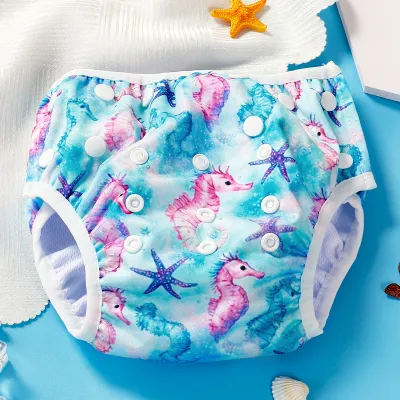
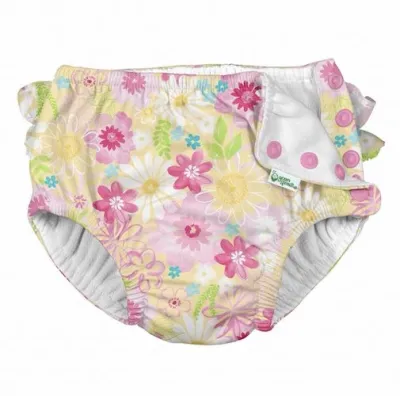
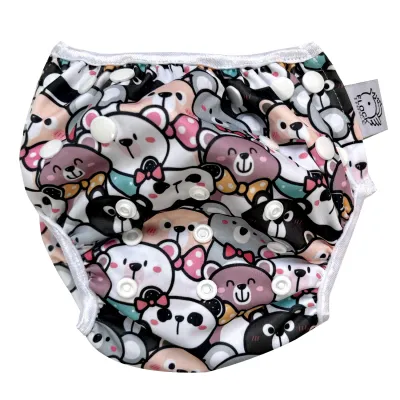
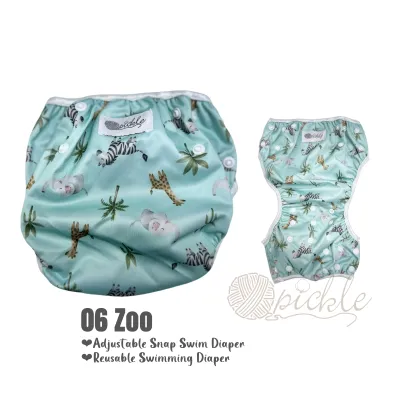
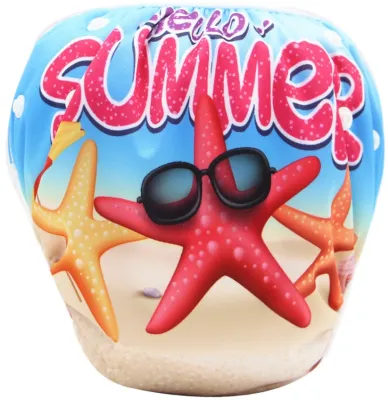
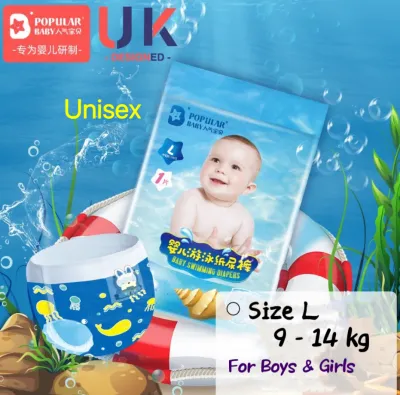
Prices are valid at publication and may change. Please refer to the product page for the latest price.
A common misconception among parents is that swim diapers are meant to absorb urine. In reality, no swim diaper—whether disposable or reusable—is designed to be absorbent. If a swim diaper absorbed liquid, it would immediately fill with pool water, swelling up and becoming extremely heavy. This extra weight would pull the baby down, creating a serious safety hazard in the water.
Instead, the primary function of a swim diaper is to allow liquid to pass through while securely containing solid waste. This design ensures that the pool water remains clean and hygienic for everyone. Understanding this function helps parents manage their expectations, knowing that the diaper is meant to contain messes, not to act as a standard daytime diaper.
From a financial perspective, reusable swim diapers are highly cost-effective, especially in Singapore’s tropical climate. With year-round warm weather, swimming is a frequent, weekly activity for many local families rather than a seasonal occurrence. Purchasing packs of single-use swim diapers week after week quickly adds up to a substantial expense, whereas a few high-quality reusable diapers represent a one-time investment that pays for itself within a few months.
Key Criteria for Choosing Sustainable Swim Diapers
Evaluating reusable swim diapers requires looking past vague marketing claims and focusing on verified materials and structural designs.

Material & Certifications When shopping, look closely at the product labels to identify the exact fiber composition. Sustainable brands often utilize recycled polyester (often labeled as rPET), which is made from post-consumer plastic bottles. This process diverts plastic from landfills and oceans, giving it a second life as durable, quick-drying swimwear.
To ensure the fabrics are truly safe and eco-friendly, look for independent certifications rather than generic “green” claims. The Oeko-Tex Standard 100 certification guarantees that every component of the diaper, including the threads and snaps, has been tested for harmful substances and is safe for your baby’s sensitive skin. The Global Organic Textile Standard (GOTS) is another excellent certification to look for if the diaper incorporates natural organic fibers.
Design & Containment The effectiveness of a reusable swimming diaper relies entirely on its physical construction. Snug leg gussets and a highly elastic waistband are critical features that create a secure seal around your baby’s body. These elastics must fit closely against the skin without being so tight that they cause deep red marks or restrict blood flow.
You will also need to choose between snap closures and hook-and-loop (velcro) fasteners. Snap closures are highly durable, resistant to chlorine degradation, and difficult for curious toddlers to undo themselves. Hook-and-loop closures offer a highly adjustable fit that can be customized to your baby’s waist, but they can collect lint over time and may scratch delicate skin if not aligned carefully.
Climate Suitability Singapore’s intense heat and humidity make breathability a primary consideration for baby gear. Heavy, non-breathable fabrics can trap moisture and heat against your baby’s skin, leading to painful friction burns or diaper rashes. Look for lightweight materials with a breathable outer layer and a fine mesh inner lining that allows air to circulate.
Quick-drying properties are equally important in a humid climate. Fabrics that retain water for extended periods can develop musty odors and become breeding grounds for mold and mildew. Synthetic blends like recycled polyester and nylon are excellent choices because they dry rapidly after washing, ensuring the diaper is ready for the next swim session.
Adjustability & Longevity Babies grow at an astonishing rate, and buying a new swim diaper for every minor growth spurt is neither cost-effective nor sustainable. Many modern reusable swim diapers feature adjustable sizing systems, such as front rise snaps. These snaps allow you to shorten or lengthen the diaper, enabling a single item to adjust to your growing baby’s dimensions.
By choosing an adjustable diaper, you ensure that the product remains useful across multiple stages of development. This multi-size design maximizes the lifecycle of the diaper, reducing the need to manufacture and purchase multiple single-sized swim diapers over the years. If your baby develops skin irritation or a persistent rash, stop using the diaper immediately and consult a pediatrician or qualified healthcare professional. Additionally, always check the manufacturer’s specific sizing and usage instructions to ensure proper fit and safety.
Notable Reusable Swim Diaper Brands to Explore
The following brands are popular choices within the global cloth diapering community and serve as excellent starting points for your research. Because manufacturing practices, material sourcing, and stock availability can change, always verify the latest product specifications and certifications directly with the manufacturer or local retailer before purchasing.
Bummis Swimmi
The Bummis Swimmi is widely recognized for its simple, highly effective containment design that has helped parents manage pool trips for years. It typically features a snug-fit design with a stretchy nylon and Lycra exterior that moves comfortably with your baby as they splash and kick. The interior is lined with a soft, lightweight polyester mesh designed to catch solid waste while allowing water to pass through freely.
This brand is particularly appreciated for its secure hook-and-loop closure system, which allows for quick, fuss-free adjustments at the poolside. The side closures make it easy to wrap the diaper snugly around your baby’s waist, ensuring a customized fit that prevents gaps.
When researching the Bummis Swimmi, it is important to check the manufacturer’s current material sourcing and production standards. Because product lines can undergo changes over time, verify whether the specific diaper you are purchasing carries independent environmental certifications. Ensure the retailer provides clear information regarding fabric safety to guarantee the material is gentle on your baby’s skin.
Bambino Mio Swim Nappy
Bambino Mio is a prominent name in the cloth diapering world, offering dedicated swim nappies that combine practical design with vibrant, kid-friendly patterns. Their swim nappies typically feature a convenient pull-up style, making them feel like real swimwear and allowing older toddlers to step into them easily.
The interior of the Bambino Mio swim nappy features a super-soft cotton terry lining that is exceptionally gentle on your baby’s skin. This is paired with a water-resistant outer layer and snug, elasticated leg and waist cuffs designed to contain solid messes securely without restricting your baby’s natural movements in the water.
Eco-conscious parents should review the brand’s latest sustainability reports and product labels to verify their environmental claims. Check if their current swim line incorporates recycled plastics or other eco-certified materials. As a larger, established brand, they frequently provide transparent updates on their manufacturing processes and carbon reduction initiatives.
Beau & Roar Reusable Swim Diaper
The Beau & Roar reusable swim diaper is often highlighted by parents who want a combination of reliable containment, sun protection, and modern design. These diapers frequently feature dual-purpose designs, incorporating UPF-rated fabrics that help shield your baby’s sensitive skin from harmful UV rays during outdoor swimming sessions.
The construction of these diapers typically utilizes high-quality recycled polyester blends, supporting circular manufacturing by repurposing plastic waste. The fabric is lightweight and breathable, making it highly suitable for Singapore’s humid climate, and it dries exceptionally fast once out of the water.
Before purchasing, always check the brand’s specific sizing guides and measure your baby’s waist and thighs carefully. A precise, snug fit is absolutely critical for preventing leaks, and relying solely on general age or weight recommendations may result in an improper seal. Additionally, verify the exact percentage of recycled content in the fabric to ensure it meets your family’s sustainability standards.
Caring for Reusable Swim Diapers in a Tropical Climate
Proper care is essential to maintain the hygiene, elasticity, and overall lifespan of your reusable swimming diaper, especially in Singapore’s hot and humid environment.
Immediate Post-Swim Care Chlorine, saltwater, and biological waste can rapidly degrade the elastic fibers and waterproof polyurethane laminate (PUL) layers of swim diapers. As soon as your baby leaves the water, rinse the diaper thoroughly in clean, cool tap water to remove chemical residues. If a solid waste incident occurs, shake the solids directly into a toilet and rinse the diaper immediately to prevent permanent staining and odor build-up.
Washing Guidelines Always consult the manufacturer’s care label before washing your swim diaper. Generally, you should machine wash the diaper on a gentle cycle with cold or warm water. Use a mild, baby-safe, eco-friendly detergent that is free from optical brighteners, enzymes, and synthetic fragrances, as these additives can irritate your baby’s skin and leave residues on the fabric.
Avoid fabric softeners and bleach entirely. Fabric softeners coat the fibers of the diaper, reducing its breathability and deteriorating the elastic and waterproof layers over time. Bleach is too harsh for the delicate synthetic fibers and can destroy the vibrant prints and waterproof linings.
Drying & Mildew Prevention Singapore’s high humidity presents a significant challenge for drying cloth items, making mold and mildew a constant risk. To prevent this, hang the diaper to air-dry in a well-ventilated area immediately after washing. Hanging the diaper outdoors in a shaded spot with plenty of air movement is the most effective way to dry it quickly.
While the natural UV rays of the sun can help sanitize the fabric and fade minor stains, avoid leaving the diaper in direct, intense sunlight for prolonged periods. Excessive heat can dry out, crack, and degrade the elastic bands and the waterproof PUL layer. A balanced approach of partial sun or well-ventilated shade is best.
Storage Before storing the swim diaper, make sure it is completely bone-dry. Even a tiny amount of trapped moisture can lead to mildew growth in a warm, humid drawer, which can ruin the diaper and cause skin irritation during the next swim. Store the clean, dry diaper in a cool, dry place, or keep it in a breathable wet bag until your next trip to the pool.
Where to Shop and Verify Eco-Claims in Singapore
Finding authentic, high-quality sustainable swim diapers in Singapore requires choosing the right purchasing channels and knowing how to evaluate environmental claims.
Purchasing Channels To ensure you are buying genuine, safe products, shop through specialty local baby stores, official brand websites, or reputable online retailers that focus on sustainable and eco-friendly parenting goods. These sellers typically curate their collections carefully and can provide reliable information about material sourcing. Avoid unverified third-party sellers on general online marketplaces, where counterfeit items or products with misleading eco-claims are common.
Verifying Claims Do not rely solely on terms like “natural” or “eco-friendly” printed on the packaging. Look for physical tags or product descriptions that display recognized third-party certification logos, such as Oeko-Tex Standard 100 or GOTS. If a brand’s website does not clearly state where their materials are sourced or how they are manufactured, contact their customer service team for clarification; transparent brands are always happy to share this information.
Pre-Purchase Checks Before completing your purchase, review the retailer’s return and exchange policies. Because a snug fit is absolutely essential to prevent leaks, you may need to exchange the diaper if the size does not fit your baby perfectly. Additionally, check local shipping timelines, and consider choosing retailers that offer carbon-neutral shipping or plastic-free packaging to align with your eco-friendly goals.
Frequently Asked Questions (FAQ)
Do reusable swim diapers hold urine?
No, reusable swim diapers are not designed to absorb urine. Their sole purpose is to contain solid waste while allowing liquids to pass through. If they were designed to absorb liquid, they would quickly fill with pool water, become heavy, and pull your baby down, creating a serious safety hazard.
Can I use a regular cloth diaper for swimming?
You should not use a regular cloth diaper for swimming. Regular cloth diapers contain highly absorbent inserts designed to hold urine. In a pool, these inserts will immediately saturate with water, making the diaper extremely heavy, causing it to sag, and preventing it from containing solid waste effectively.
How many reusable swim diapers do I need for a pool trip?
It is highly recommended to bring at least two reusable swim diapers for a pool trip. This ensures you have a clean backup ready in case your baby has a bowel movement, or if you want to change them into a dry diaper after swimming while the first one is being rinsed and dried.

Community discussion
Share your experience or ask a question. Comments are reviewed before publication.