
Transitioning your toddler from diapers to underwear is a major developmental milestone, but the environmental cost of disposable pull-ups can weigh heavily on eco-conscious families. Traditional disposable training pants rely on synthetic plastics and super-absorbent chemicals that take centuries to decompose. For parents in Singapore looking for a sustainable alternative, reusable potty training pants for kids offer a practical, waste-reducing solution that supports your child’s natural learning process.
Selecting the right reusable training pants requires balancing fabric performance, ease of use, and adaptability to Singapore’s unique tropical climate. By focusing on certified organic materials, durable construction, and breathable designs, you can curate a reliable stash of potty training pants kids can wear comfortably while protecting their sensitive skin. This guide breaks down the essential selection criteria, design comparisons, and maintenance strategies to help you make an informed investment.
Why Switch to Reusable Potty Training Pants?
Reducing the Burden on Semakau Landfill
Every disposable diaper and pull-up used during the toddler years contributes directly to Singapore’s single landfill at Pulau Semakau, which is projected to reach capacity in the coming decades. Traditional disposables are primary contributors to non-biodegradable municipal waste. By switching to reusable potty training pants, you significantly reduce your household’s plastic footprint, preventing thousands of single-use items from entering the waste stream during the training phase.
Products mentioned in this guide
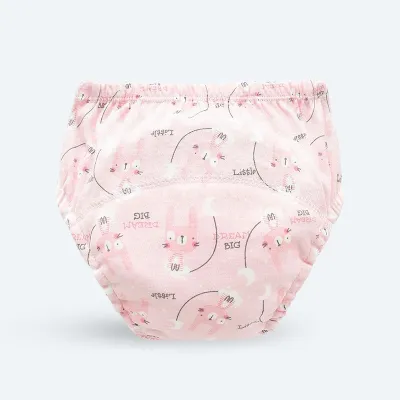
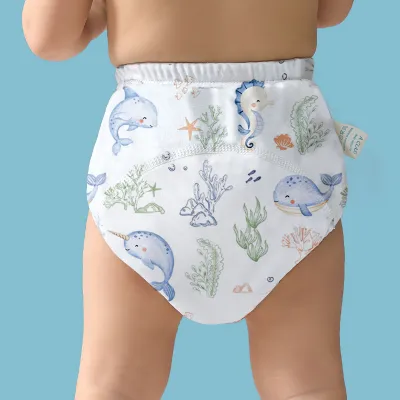
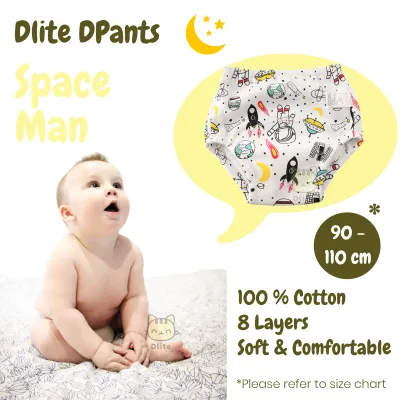
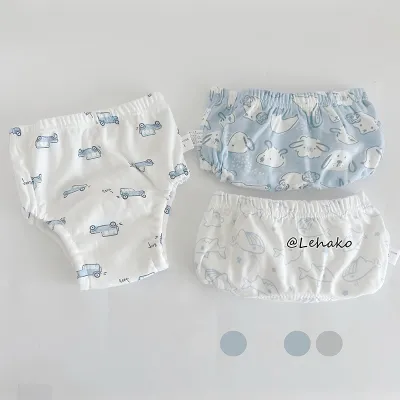
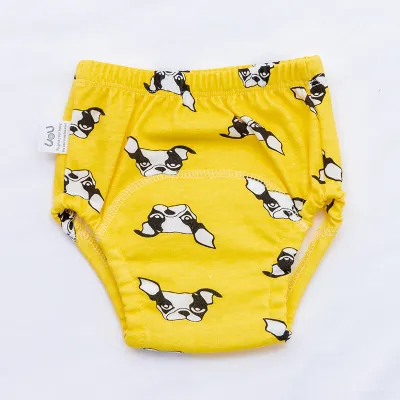
![[4 at $10.90] Baby Toilet Training Pants 6 Layers Reusable Cloth Diaper Waterproof Underwear Nappy Potty Highly Absorbent](https://img.lazcdn.com/g/p/8ddde1677384c797b9de2af14f2beb0f.png_400x400q80.png_.webp)
![[SG Ready Stock] Baby Toilet Training Pants 6 Layers Cotton Toddler Kid Potty Training Underwear Washable Cloth Diaper Children Day Gifts](https://img.lazcdn.com/g/p/3987f2eec680cd64554d9932f24c6993.jpg_400x400q80.jpg_.webp)
![[SG Ready Stock] Baby Toddler Girls Boys 6 Layer Cotton Toilet Potty Training Pants Rewashable Underwear Diapers [Little Gems] BLO005](https://img.lazcdn.com/g/p/81afa0b07219e9cddc0d2f8d334f8fbc.jpg_400x400q80.jpg_.webp)
Prices are valid at publication and may change. Please refer to the product page for the latest price.
Supporting Potty Training Psychology Through Biofeedback
Disposable pull-ups are engineered with highly advanced absorbent gels that instantly wick moisture away from the skin, keeping the child feeling dry even after an accident. While convenient, this technology masks the physical sensation of urination, delaying the cognitive link between bladder release and the resulting wetness. Reusable cloth training pants allow your toddler to feel the immediate dampness of an accident. This natural sensory feedback is a vital psychological tool, helping kids recognize their bodily cues and encouraging them to use the toilet sooner.
Long-Term Financial Value
While the upfront cost of a reusable training pant stash is higher than a single box of disposables, the long-term savings are substantial. A typical toddler may spend six months to over a year in the potty training phase, consuming hundreds of disposable pull-ups that can easily cost upwards of S$50 to S$80 per month. A high-quality set of reusable pants can be washed and reused hundreds of times, easily paying for itself within a few months. Furthermore, well-maintained cloth training pants can be preserved for younger siblings or passed down to other families, extending their economic and environmental value.
Key Features of Truly Eco-Friendly Training Pants
Prioritizing Sustainable Materials
When evaluating eco-friendly claims, look closely at the fiber composition on the product label. Truly sustainable training pants prioritize natural, renewable fibers for the layers resting directly against your child’s skin:

- Organic Cotton: Highly breathable, durable, and cultivated without synthetic pesticides or fertilizers. It is exceptionally gentle on sensitive skin and holds up well under frequent hot washes.
- Bamboo Viscose: Known for its extreme softness and high absorbency. Bamboo grows rapidly without requiring heavy irrigation, though parents should verify that the manufacturing process minimizes chemical waste.
- Hemp: A highly sustainable crop that produces incredibly absorbent, durable, and naturally antimicrobial fibers. Hemp is often blended with organic cotton to create a fabric that becomes softer with every wash.
Verifying Independent Textile Certifications
To protect your toddler from potentially harmful chemical residues, do not rely solely on generic “green” or “organic” marketing claims. Instead, verify that the brand holds reputable, independent textile certifications:
- Global Organic Textile Standard (GOTS): This certification ensures that at least 70% (or up to 95% for the "organic" label) of the fibers are certified organic, and that the entire supply chain meets strict environmental and social criteria.
- Oeko-Tex Standard 100: This standard guarantees that every component of the garment, from the thread to the snaps and linings, has been rigorously tested for harmful substances and is safe for infant skin.
To verify these claims, check the brand’s official documentation or look for a valid license number on the product tags, which can be cross-referenced on the official GOTS or Oeko-Tex online databases.
Choosing Safe, Breathable Waterproof Layers
Unlike older plastic training pants that utilized rigid, sweat-inducing PVC (polyvinyl chloride), modern eco-friendly options use TPU (thermoplastic polyurethane). TPU is a solvent-free material that is heat-bonded to the outer fabric rather than chemically glued. This creates a flexible, waterproof barrier that prevents outer clothing leaks while remaining significantly more breathable than PVC, reducing the risk of heat rash in tropical weather.
Assessing Durability and Construction
A product’s environmental impact is directly tied to its lifespan. Look for training pants featuring reinforced double-stitched seams, high-quality flatlock stitching to prevent chafing, and durable elastics around the waist and legs. A well-constructed pant that maintains its shape and elasticity through dozens of high-temperature wash cycles is far more sustainable than a cheaply made alternative that relaxes and leaks after a few weeks of use.
Comparing Reusable Training Pant Designs
Understanding the structural differences between reusable designs allows you to select the right style for your toddler’s developmental stage, physical mobility, and daily routine.
All-in-One (AIO) / Pull-Up Style
This design closely mimics standard adult underwear, featuring built-in absorbent layers sewn directly into the wet zone, backed by an integrated waterproof outer shell. They are highly intuitive, allowing toddlers to practice pulling their pants up and down independently, which builds confidence. The main trade-off is drying time; because the absorbent layers are permanently attached, they take longer to dry after washing.
Pocket Style with Inserts
Pocket-style training pants feature an opening—usually at the back of the waistband—where you can slide in absorbent inserts made of cotton, bamboo, or hemp. This design allows you to customize the absorbency based on your child’s needs, such as adding a thicker insert for long car rides. Because the inserts are removed for washing, both the shell and the inserts dry much faster. However, this style requires an extra assembly step after every laundry cycle.
Hybrid / Fitted with Covers
This two-piece system consists of a highly absorbent, non-waterproof inner fitted pant (often made entirely of organic cotton or bamboo) paired with a separate waterproof outer cover. This setup offers maximum absorbency and superior leak protection, making it excellent for heavy wetters or transitions during naps. The downside is that it is bulkier, more expensive upfront, and too complex for a toddler to manage independently during quick toilet runs.
Design Comparison Matrix
| Design Type | Ease of Use for Toddler | Absorbency Level | Drying Time | Best Use Case |
|---|---|---|---|---|
| All-in-One (AIO) / Pull-Up | Excellent (Mimics real underwear) | Moderate (Designed for minor accidents) | Slow (Sewn-in layers) | Active daytime learning, preschool, and home use |
| Pocket Style | Good (Once stuffed by caregiver) | Customizable (Low to High) | Fast (Inserts dry separately) | Outings, errands, and transitioning toddlers |
| Hybrid / Fitted with Covers | Poor (Requires caregiver assistance) | High to Very High | Moderate to Fast | Naptime, car rides, and heavy wetters |
How to Evaluate Brands and Sourcing in Singapore
Climate Adaptability and Breathability
Singapore’s high humidity and year-round high temperatures demand careful attention to fabric breathability. Thick, synthetic materials can trap heat and sweat, creating a warm, damp environment prone to friction, heat rash, and yeast infections. Opt for brands that utilize lightweight organic cotton or bamboo linings that allow air to circulate freely. Avoid heavy, multi-layered synthetic microfleece linings if your child is prone to skin irritation.
Sizing and Fit Verification
Sizing standards vary significantly between international brands and regional manufacturers. A toddler’s comfort and leak prevention depend entirely on a precise fit around the waist and thighs. Before purchasing, measure your child’s current weight, waist circumference, and upper thigh circumference using a soft measuring tape. Compare these measurements directly against the manufacturer’s specific size chart rather than relying on age labels. The leg elastics should sit snugly in the underwear line to prevent leaks, but they should never leave deep red indentations on your child’s skin.
Safe and Verified Purchasing Channels
To protect your child from counterfeit products manufactured with unverified dyes or chemical treatments, purchase directly from official brand websites, authorized specialty baby boutiques in Singapore, or verified flagship stores on major online marketplaces. Be cautious of extremely cheap, unbranded multi-packs imported from unverified sources, as these often bypass safety regulations and may contain restricted chemical plasticizers or lead in their snaps.
Identifying Greenwashing Red Flags
Be skeptical of brands that make sweeping claims like “100% natural” or “chemical-free” without providing specific details. A completely waterproof training pant must contain a synthetic barrier (such as TPU) to prevent leaks; therefore, a claim of “100% organic cotton” across the entire product is physically impossible unless it lacks a waterproof layer entirely. Transparent brands will clearly state the exact percentage of natural fibers in the lining and outer shell, alongside the specific synthetic materials used for the waterproof laminate and elastics.
Washing and Maintenance in a Humid Climate
Safe Pre-Wash Routine
Proper hygiene starts with prompt handling of soiled garments. If a solid accident occurs, gently plop the waste directly into the toilet. For stubborn residue, use a toilet-mounted diaper sprayer. Avoid soaking the training pants in buckets of standing water, as this creates a breeding ground for bacteria and mold. Instead, store the damp pants in a highly ventilated, dry laundry basket or a breathable mesh bag until wash day.
Detergent Selection and Fabric Care
To preserve the absorbency and lifespan of your training pants, select a residue-free laundry detergent that is free from fabric softeners, optical brighteners, and chlorine bleach. Fabric softeners leave a synthetic coating over the fibers, causing them to repel liquid rather than absorb it. Avoid detergents containing the enzyme cellulase, as it can gradually break down and weaken natural cotton and bamboo fibers over time. Always check the manufacturer’s care label for recommended washing temperatures, which typically range from 40°C to 60°C to ensure proper sanitization.
Drying Strategies for High Humidity
Natural sunlight is an incredibly effective tool for sanitizing fabric and naturally bleaching out organic stains. However, prolonged exposure to intense, direct tropical UV rays can degrade the delicate elastics and delaminate the waterproof TPU layer.
To balance these factors:
- Hang training pants in a sunny, well-ventilated outdoor area for a few hours until dry, then bring them indoors.
- During the monsoon seasons, dry them indoors in a room equipped with a ceiling fan, standing fan, or a dehumidifier to maintain air circulation and prevent sour, damp odors.
- If using a clothes dryer, select a low-heat or air-fluff setting to protect the waterproof membranes and elastics from heat damage.
Storage Precautions Against Mold
Never fold or store training pants in closed drawers, closets, or plastic storage bins if they feel even slightly cool or damp to the touch. In Singapore’s humid climate, residual moisture trapped in multi-layered fabrics will quickly lead to mold and mildew growth. Ensure every pair is completely bone-dry before putting them away. If you detect a musty smell, wash them again on a warm cycle with a cloth-safe sanitizing additive before allowing your child to wear them.
Frequently Asked Questions (FAQ)
Can reusable potty training pants be used for nighttime sleep?
Standard reusable training pants are designed primarily for daytime learning and are only meant to absorb a single minor accident, giving the child enough time to reach the bathroom. They do not have the fluid capacity required to hold a full bladder release overnight. For nighttime sleep, it is recommended to use dedicated high-capacity cloth diapers, pocket diapers stuffed with heavy-duty hemp or bamboo inserts, or specialized waterproof bed mats. If your child experiences persistent overnight bedwetting past the typical potty training age, consult a pediatrician to rule out underlying developmental or physiological factors.
How many pairs of reusable training pants do I need?
The size of your stash depends on how often you plan to run your laundry and how far along your child is in their potty training journey. If you wash laundry every two days and your toddler is in the early stages—averaging four to five accidents per day—you will need a starting stash of approximately 10 to 12 pairs. If your child is further along and only experiences occasional leaks, a smaller set of 6 to 8 pairs is usually sufficient to cover daily transitions and preschool routines.
Are bamboo training pants better than cotton for sensitive skin?
Both fibers offer distinct advantages, and the best choice depends on your child’s specific skin sensitivities and your daily routine. Bamboo viscose is exceptionally soft, silk-like, and cool to the touch, making it highly comfortable in Singapore’s heat; it also absorbs moisture very quickly. However, organic cotton is highly breathable, structurally durable, and less prone to pilling or wearing thin after repeated heavy washing. Whichever material you choose, ensure the inner lining is free from synthetic polyester blends if your child has eczema, and monitor their skin closely for any signs of friction or redness. If a persistent rash or skin irritation develops, temporarily discontinue use and consult a qualified healthcare professional.

Community discussion
Share your experience or ask a question. Comments are reviewed before publication.