
Transitioning a toddler from diapers to underwear is a significant developmental milestone that requires patience, consistency, and the right tools. For eco-conscious parents in Singapore, choosing cloth training pants is an effective way to support this transition while minimizing environmental waste. High-quality sustainable brands available in Singapore—such as GroVia, Thirsties, Blueberry, and Bare and Boho—provide excellent reusable options that balance absorbency with the physical feedback toddlers need to master potty training.
Benefits of Eco-Friendly Cloth Training Pants for Potty Training
Understanding the functional differences between diapering options is key to a successful transition. Regular cloth diapers are designed for maximum absorbency, featuring thick cores and stay-dry liners that keep moisture away from the child’s skin to prevent diaper rash during long wear. In contrast, disposable training pants are highly absorbent but rely on synthetic superabsorbent polymers that instantly lock wetness away. While this keeps the child dry, it also delays potty training because the child cannot feel when they have had an accident. Cloth training pants are specifically designed with fewer absorbent layers, allowing the child to feel a natural sensation of dampness immediately after urinating while still containing the liquid to protect floors and furniture.
This sensation of wetness is a critical developmental tool. When a toddler feels the immediate physical consequence of elimination—the cool, damp fabric against their skin—it helps them connect the internal sensation of a full bladder with the external result of wetting. This sensory feedback loop accelerates the cognitive learning curve associated with toilet training. Over time, the child learns to anticipate the need to use the toilet before an accident occurs, facilitating a smoother and often faster transition to standard cotton underwear.
Products mentioned in this guide
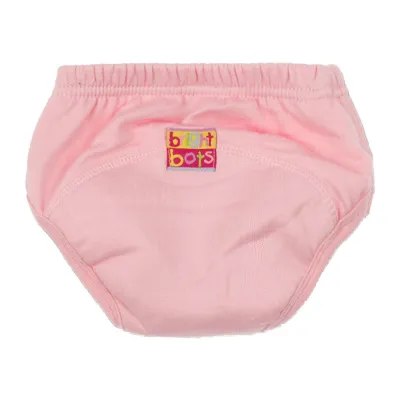
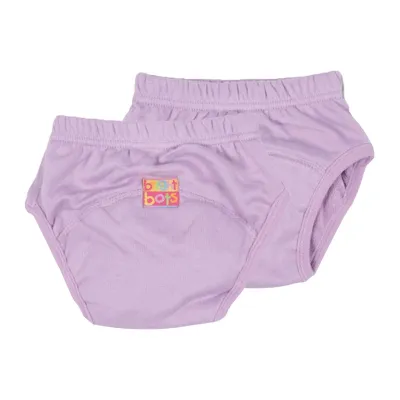
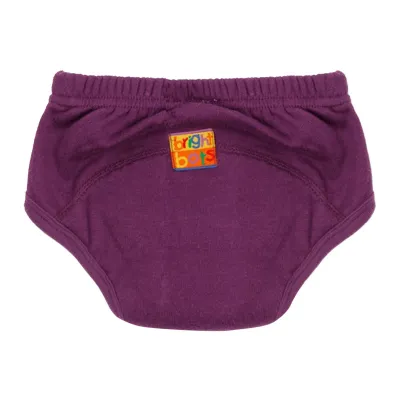
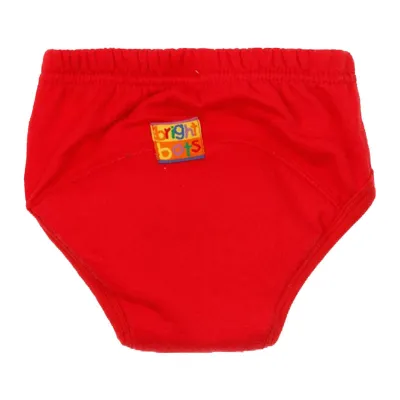
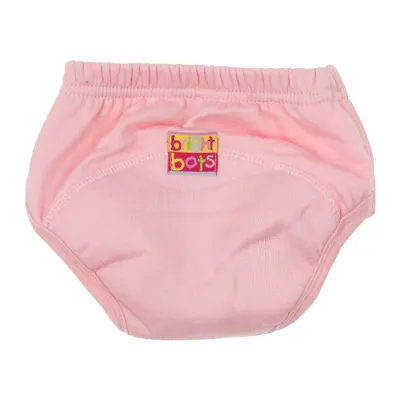
Prices are valid at publication and may change. Please refer to the product page for the latest price.
From an environmental perspective, the benefits of cloth training pants are particularly relevant to Singapore’s unique waste management landscape. In Singapore, solid waste that cannot be recycled is incinerated at waste-to-energy plants, and the resulting ash is shipped to the Semakau Landfill. Disposable diapers and training pants represent a substantial volume of single-use plastic and organic waste that goes directly into this process. By choosing reusable cloth alternatives, families can significantly reduce their household waste contribution, helping to conserve landfill space and lower the carbon emissions associated with the manufacturing, shipping, and disposal of thousands of single-use products.
How to Evaluate the Sustainability of Cloth Training Pants
Evaluating the sustainability of cloth training pants requires looking beyond generic marketing terms like ‘eco-friendly,’ ‘green,’ or ‘all-natural.’ Genuinely sustainable products are defined by their material composition, manufacturing ethics, and long-term durability. Parents should look for natural fibers such as organic cotton, bamboo, and hemp, or recycled synthetic materials like recycled polyester used in waterproof outer layers. Natural fibers are biodegradable at the end of their lifecycle and do not shed microplastics during washing, making them highly preferable for the inner layers that sit directly against the child’s skin.

To verify these sustainability claims, parents must look for independent, globally recognized textile certifications rather than relying solely on brand assertions. The Global Organic Textile Standard (GOTS) ensures that the harvesting of raw materials, environmentally and socially responsible manufacturing, and labeling meet strict criteria. Similarly, the Oeko-Tex Standard 100 certification guarantees that the finished fabric has been tested for harmful substances and is safe for human health, specifically for infants and toddlers. Parents should actively verify these certifications by checking the physical product labels, packaging, or official brand documentation.
Chemical safety is closely linked to material sustainability. Because training pants fit snugly around a toddler’s sensitive groin area, the absence of harsh chemical finishes, formaldehyde, heavy metals, and per- and polyfluoroalkyl substances (PFAS) is essential. Durable construction is another key pillar of sustainability; a pair of training pants that can withstand hundreds of hot washes and be reused for younger siblings or passed on to another family has a significantly lower environmental impact than a fragile product that degrades after a few months of use.
Finally, the brand’s packaging and shipping methods contribute to its overall ecological footprint. Eco-conscious brands prioritize minimal, plastic-free packaging, utilizing recycled cardboard, soy-based inks, or compostable mailers. When purchasing these products in Singapore, parents should also consider the transport footprint and seek out local distributors or retailers who consolidate shipments to reduce the environmental impact of individual international deliveries.
Top Sustainable Cloth Training Pants Brands Available in Singapore
Selecting the right brand of cloth training pants involves balancing environmental standards, functional design, and local availability. The following curated selection of sustainable brands highlights options that can be purchased directly in Singapore or reliably shipped to the country. These brands have been chosen based on their certified materials, durability, and performance during active potty training. However, because child development and body shapes vary widely, parents must always verify the manufacturer’s recommended weight ranges, sizing charts, and developmental stages for each specific model before making a purchase.
To help families plan their budgets, these brands are categorized by their primary strengths and broad price bands. While the initial investment in a stash of cloth training pants is higher than buying a few packs of disposables, the long-term savings are substantial. Reusable pants eliminate the recurring cost of weekly disposable purchases, especially when maintained properly to ensure they can be used throughout the entire potty-training journey.
Best Overall for Absorbency and Natural Materials
For parents seeking a versatile option that balances high ecological standards with reliable leak protection, the GroVia My Choice Trainer is an outstanding choice. This premium-tier training pant features a unique design that combines a hidden layer of blended hemp and organic cotton with a waterproof polyester polyurethane laminate (PUL) outer shell. The inner lining is made of soft, organic cotton, ensuring that only natural fibers touch the toddler’s skin. This material blend provides excellent absorbency for minor accidents while maintaining a trim profile under clothing.
One of the standout features of this design is its adjustability and ease of use. It includes stretchy side panels that allow toddlers to easily pull the pants up and down independently, fostering self-reliance. Additionally, the side panels feature hidden snaps, allowing caregivers to quickly remove the pants in the event of a messy accident without sliding soiled fabric down the child’s legs. This hybrid pull-up and snap-on functionality makes it highly adaptable to different stages of the potty-training process.
These training pants are widely available in Singapore through local eco-friendly baby boutiques and authorized online storefronts. However, parents should consider the practical trade-offs associated with this high-absorbency design. The dense natural fibers (hemp and organic cotton) require longer drying times compared to synthetic alternatives, which can be a challenge in Singapore’s humid climate. Additionally, they have a higher upfront cost per pair and require a dedicated washing routine to maintain their absorbency and prevent mineral buildup from local tap water.
Best for Sensitive Skin and Certified Organic Fabrics
Toddlers with highly sensitive skin, eczema, or contact dermatitis require materials that are exceptionally gentle and free from synthetic irritants. Thirsties Potty Training Pants are specifically designed to address these needs by prioritizing certified organic fabrics. The interior of these pants features four layers of soft, certified organic cotton, which provides a highly breathable barrier against the skin. The outer layer is made of waterproof TPU (thermoplastic polyurethane), which is heat-bonded rather than chemically bonded, reducing the presence of chemical residues.
The breathability of organic cotton is particularly advantageous in Singapore’s hot and humid tropical climate. Synthetic fabrics can trap heat and sweat, leading to friction, heat rash, and skin irritation around the waist and thighs. The lightweight, breathable construction of these training pants helps maintain a comfortable skin temperature, reducing the risk of flare-ups during active daytime play.
When choosing products for sensitive skin, parents must observe strict safety boundaries. If your child suffers from severe skin conditions, always consult a pediatrician or pediatric dermatologist before introducing new fabrics or laundry routines. Furthermore, verify the specific textile certifications, such as GOTS, directly on the physical product label, as manufacturing specifications can occasionally change. These pants are available through direct shipping from brand sites or specialized local green baby retailers in Singapore.
Best Budget-Friendly and Durable Option
For families seeking long-term value and outstanding durability, Blueberry Trainers offer a highly cost-effective sustainable solution. These training pants are designed to withstand the rigorous washing cycles required for reusable diapering products without losing their shape, elasticity, or waterproof integrity. The interior features a thick layer of cotton velour lined with microfiber for quick absorption, wrapped in a durable waterproof outer layer.
The robust construction of these pants means they can easily be reused for younger siblings or passed on to other families, significantly lowering the lifetime cost and environmental impact of the product. By investing in a durable set of reusable trainers, parents can save hundreds of dollars compared to the continuous purchase of single-use disposable training pants over a typical six-to-twelve-month potty-training period.
These trainers are readily available on established local e-commerce platforms and specialty retail sites in Singapore. They feature a simple, pull-up design with no snaps or complex parts, making them easy to wash and quick to dry compared to thicker hemp-based options. While they lack the snap-off convenience of some hybrid models, their simplicity and long-term durability make them a highly practical choice for budget-conscious, eco-friendly households.
Best Hybrid or All-in-One Design for Convenience
For busy parents, daycare environments, or travel, convenience is a major factor in maintaining a consistent potty-training routine. Bare and Boho offers an innovative hybrid and all-in-one design that bridges the gap between the convenience of disposables and the environmental benefits of cloth. This system features a reusable, waterproof outer shell with snap-in inserts made of organic cotton and bamboo. This modular design allows parents to simply snap out a wet insert and snap in a clean one, reusing the outer shell multiple times before it needs a full wash.
This hybrid mechanism significantly reduces water and energy usage during the laundry process, as caregivers wash fewer outer shells and focus primarily on the smaller inserts. The trim fit and stylish designs make them highly appealing for outings and visits to local playgroups in Singapore. The snap-in inserts also make it easier to adjust the level of absorbency based on the child’s needs, such as adding an extra insert for longer car rides or outings.
If parents choose to use biodegradable or compostable inserts with hybrid systems, they must follow proper disposal methods. According to Singapore’s National Environment Agency (NEA) waste management guidelines, biodegradable products must be disposed of in the general waste stream rather than composted at home, as municipal composting facilities for human waste do not exist locally. Additionally, parents should never flush any inserts down the toilet, even if labeled ‘flushable,’ as Singapore’s sewerage system is highly sensitive to blockages, and these materials do not break down quickly enough in local wastewater infrastructure.
How to Wash and Maintain Cloth Training Pants in Singapore's Humid Climate
Maintaining cloth training pants in Singapore’s tropical climate requires a consistent, low-risk care routine to ensure longevity, preserve waterproof layers, and prevent mold or odors. The high relative humidity in Singapore, which frequently exceeds 80 percent, creates an environment where bacteria and mildew can quickly multiply if wet fabrics are left damp for too long. Establishing a prompt and effective washing schedule is essential.
A standard, low-risk washing routine begins with handling solid waste. If an accident occurs, scrape any solid waste directly into the toilet and rinse the pants thoroughly. Store the wet pants in a dry pail or a breathable wet bag with good ventilation; do not soak them in a bucket of water, as standing water encourages bacterial growth and poses a safety hazard for toddlers. Run a short, cold pre-wash cycle with a small amount of detergent to flush out organic waste. Follow this with a long, warm main wash cycle (maximum 40°C to 60°C, depending on the manufacturer’s label) using an eco-friendly, cloth-safe detergent that is free from fabric softeners, optical brighteners, and heavy fragrances, which can leave residues and reduce absorbency.
Drying the pants completely is the most critical step in preventing mildew and musty odors. Air-drying in a well-ventilated outdoor area with direct sunlight is highly recommended, as natural UV rays act as a mild sanitizer and help fade stains. However, during Singapore’s monsoon seasons or high-humidity days, indoor drying can take over 24 hours. In these situations, use a fan to circulate air around the drying rack, or place the pants in a clothes dryer on a low-heat setting, provided the manufacturer’s care label explicitly permits tumble drying.
Always adhere to strict maintenance boundaries to protect your investment. Before using any harsh stain removers, chlorine bleach, fabric softeners, or high-heat drying settings, check the manufacturer’s specific care labels. These harsh chemicals and high temperatures can permanently degrade the waterproof polyurethane laminate (PUL or TPU) layers, causing them to crack or peel, and can destroy the elasticity of the waist and leg bands. If you notice any signs of delamination, cracking in the waterproof lining, or if the elastics lose their recovery, stop using the pants immediately and consult the manufacturer or a qualified textile professional, as compromised pants will leak and fail to function as intended.
Frequently Asked Questions (FAQ)
To help you navigate the practical aspects of transitioning to reusable training pants, we have compiled answers to some of the most common questions asked by parents in Singapore.
How many pairs of cloth training pants do I need for potty training?
The ideal number of cloth training pants depends on your child’s stage of potty training, daily accident frequency, and your laundry schedule. For parents who wash laundry every other day, a starting stash of 6 to 10 pairs is generally recommended. In the early stages of potty training, a toddler may have 3 to 5 minor accidents per day, requiring frequent changes. Because Singapore’s high humidity can prolong air-drying times, having a larger stash ensures you always have clean, dry pants available while the washed pairs are drying. If you wash daily or use a dryer, you can comfortably manage with a smaller stash of 5 to 7 pairs.
Can I use cloth training pants overnight?
Cloth training pants are specifically designed for daytime use to catch minor accidents as the child learns to recognize the urge to urinate; they are not constructed to handle heavy, continuous wetting overnight. Standard training pants lack the thick absorbent core and comprehensive leak guards found in overnight diapers. If you attempt to use daytime trainers overnight, you are likely to experience leaks that disrupt your child’s sleep. For nighttime protection, check the manufacturer’s guidelines to see if their trainers can accommodate natural fiber boosters, or transition to dedicated overnight cloth diapers or highly absorbent night-time trainers designed specifically for sleep.
Are bamboo training pants more eco-friendly than organic cotton?
Both bamboo and organic cotton offer distinct ecological advantages, but neither is universally superior. Bamboo is a highly sustainable crop that grows rapidly without pesticides and requires minimal water. However, converting bamboo stalks into soft fabric (usually rayon or viscose) typically involves intensive chemical processing that can have a significant environmental impact if not managed in a closed-loop system. Organic cotton requires more water to grow but is cultivated without synthetic pesticides and processed mechanically without harsh chemicals. To make an informed choice, look for transparent manufacturing practices and specific certifications, such as GOTS for organic cotton or Oeko-Tex Standard 100 for bamboo, to ensure the finished product is safe and sustainably made.

Community discussion
Share your experience or ask a question. Comments are reviewed before publication.