
Transitioning your toddler from diapers to underwear is a major milestone, but the environmental cost of disposable pull-ups can be daunting. For eco-conscious parents in Singapore, switching to reusable cloth training diapers offers a sustainable, cost-effective, and developmentally supportive alternative. Navigating the local market requires understanding which materials withstand the tropical climate, how to verify genuine eco-friendly claims, and how to balance absorbency with the sensory feedback your child needs to learn. By choosing the right cloth options, you can significantly reduce your household waste while helping your toddler transition to independent toileting with confidence.
Why Choose Eco-Friendly Cloth Training Pants?
The environmental impact of single-use baby products is a growing concern for modern families. Disposable training diapers contribute millions of tons of non-biodegradable waste to landfills globally each year. In Singapore, where domestic waste is incinerated and the ash sent to the Semakau Landfill, reducing daily waste is a highly impactful step. A single child can go through hundreds of disposable pull-ups during the potty training phase, which often lasts several months to a year. By choosing reusable cloth training pants, you dramatically lower your household’s ecological footprint, keeping plastic-lined disposables out of the waste stream.
Beyond environmental benefits, the financial savings of choosing reusable options are substantial. While the initial investment in a stash of cloth training pants is higher than buying a single pack of disposables, the long-term math favors reusables. Over the course of a typical potty training journey, families can save hundreds of dollars. These savings multiply if you plan to use the training pants for younger siblings or pass them on to friends. Because high-quality cloth training pants are built to endure dozens of wash cycles, they remain functional and durable throughout their lifecycle, representing a true investment in circular consumption.
Products mentioned in this guide
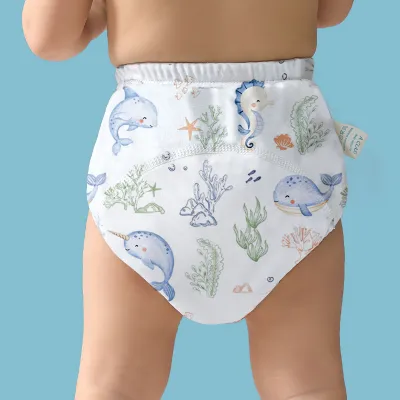
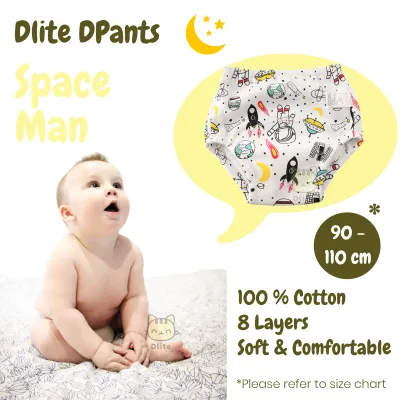
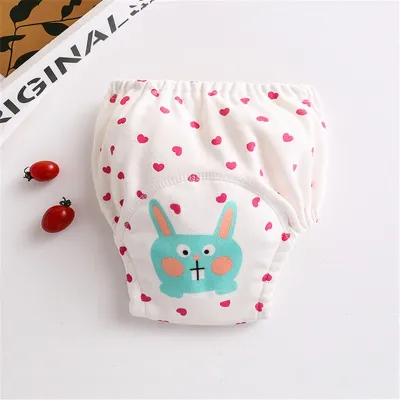
![[4 at $10.90] Baby Toilet Training Pants 6 Layers Reusable Cloth Diaper Waterproof Underwear Nappy Potty Highly Absorbent](https://img.lazcdn.com/g/p/8ddde1677384c797b9de2af14f2beb0f.png_400x400q80.png_.webp)
![[SG Ready Stock] 6-Layer Toilet Training Pants / Reusable Diaper / Toilet Potty Training Pants](https://img.lazcdn.com/g/ff/kf/Sea051da743f44d559f6bb9767a2d02f39.jpg_400x400q80.jpg_.webp)
![[SG Ready Stock] Baby Toddler Girls Boys 6 Layer Cotton Toilet Potty Training Pants Rewashable Underwear Diapers [Little Gems] BLO005](https://img.lazcdn.com/g/p/81afa0b07219e9cddc0d2f8d334f8fbc.jpg_400x400q80.jpg_.webp)
Prices are valid at publication and may change. Please refer to the product page for the latest price.
Perhaps the most significant practical benefit of cloth training diapers is the sensory feedback they provide to your toddler. Disposable training pants are engineered with highly absorbent chemical polymers that wick moisture away instantly, leaving the child feeling dry even after an accident. This lack of feedback can actually delay potty training, as the child has no physical cue that they have wet themselves. In contrast, cloth training pants allow the child to feel the uncomfortable sensation of wetness against their skin. This immediate physical feedback helps them connect the bodily urge to urinate with the resulting wetness, naturally accelerating their cognitive association and encouraging them to use the toilet.
Key Features to Look for in Sustainable Training Pants
Selecting the right reusable training pants involves looking past attractive prints and focusing on the structural and material design. Because these garments must withstand frequent washing and provide reliable protection, understanding their core features is essential.

Materials and Certifications When evaluating eco-friendly options, prioritize natural, biodegradable, or highly renewable fibers. Organic cotton, hemp, and bamboo are the leading choices for the absorbent inner layers. Organic cotton is highly breathable and gentle on sensitive skin, while hemp offers exceptional absorbency in a very slim profile. Bamboo is highly renewable and soft, though it often undergoes chemical processing to become fabric. To ensure these materials are genuinely sustainable and free from harmful chemicals, look for third-party textile certifications. The Global Organic Textile Standard (GOTS) verifies the organic status of textiles from harvesting through environmentally and socially responsible manufacturing. Similarly, the OEKO-TEX Standard 100 certification ensures that every component of the product, from the threads to the snaps, has been tested for harmful substances and is safe for your child’s delicate skin.
Absorbency vs. Wetness Feedback A successful training diaper must strike a delicate balance between containing accidents and teaching the child. Unlike standard cloth diapers, which are designed to keep a baby dry for hours, training pants require just enough absorbency to catch a single accident, preventing major puddles on your floors or car seats. Look for designs that feature a hidden water-resistant layer, typically made of Breathable Polyurethane Laminate (PUL), paired with a few layers of natural fiber absorbency. The inner lining should not be made of microfleece or stay-dry suede cloth, as these synthetic materials wick moisture away and defeat the purpose of sensory feedback. Instead, an organic cotton or bamboo inner lining allows the toddler to feel wet immediately.
Design and Fit To foster independence, training pants should mimic real underwear as closely as possible. Stretchy side panels are crucial, allowing your toddler to easily pull the pants up and down on their own when they feel the urge to go. This design builds self-reliance and mimics the mechanics of wearing adult underwear. However, for parents who worry about messy cleanups during the early stages of training, some brands offer side-snap options. Side snaps allow caregivers to remove wet or soiled pants quickly without sliding them down the child’s legs, minimizing mess. A trim fit is also desirable, ensuring the training pants fit comfortably under regular clothing without looking overly bulky.
Durability and Lifecycle Because training pants are washed frequently—often daily—the quality of construction is paramount. Examine the stitching, particularly around the leg casings and waistbands, to ensure they can withstand high-tension pulling and frequent agitation in the washing machine. High-quality elastics are vital; cheap elastics can quickly degrade in hot water or tropical climates, leading to sagging and leaks. Opt for brands that emphasize long-term durability and offer clear care guidelines, ensuring the garments can survive the rigorous washing routines required for reuse.
Navigating the Local Market: Shopping and Verification
For parents in Singapore, finding high-quality, eco-friendly cloth training diapers requires a mix of local sourcing and careful verification of product origins.
Local Availability Singapore has a growing ecosystem of eco-conscious parenting resources. While you might not find a vast selection of cloth training pants in standard department stores, specialized local eco-baby boutiques and dedicated baby-care retailers frequently stock reputable international and regional brands. These boutiques often provide physical showrooms or detailed online guides to help you assess the fabric texture and sizing before purchasing. Additionally, official brand storefronts on major e-commerce platforms offer direct access to authentic products, often accompanied by customer reviews that highlight how the products perform in local conditions.
Avoiding Greenwashing As demand for sustainable products rises, so does the prevalence of “greenwashing”—where products are marketed as environmentally friendly without substantive proof. To protect your investment, look closely at product labels and descriptions. Vague terms like “natural fibers,” “eco-friendly,” or “green” without supporting details are red flags. A transparent brand will explicitly state the exact fiber composition of each layer (e.g., “Outer: 100% organic cotton; Inner: 2 layers of hemp/cotton blend; Waterproof layer: 100% recycled PUL”). Reliable brands also publish their sustainability reports, supply chain details, and active certification numbers on their websites, allowing you to verify their environmental claims independently.
Shipping and Carbon Footprint When purchasing from overseas brands, the environmental impact of international shipping can offset some of the ecological benefits of using cloth. To minimize your carbon footprint, prioritize brands that have local distributors or regional warehouses within Southeast Asia. If you must order from international retailers, consider consolidating your purchases with other parents or buying a complete “starter pack” rather than making multiple small orders. This practice reduces packaging waste and the overall transport emissions associated with your purchase.
Caring for Cloth Training Pants in a Tropical Climate
Singapore’s hot, humid climate presents unique challenges for maintaining cloth diapers and training pants. High humidity can slow down drying times and encourage the growth of bacteria, mold, or mildew if the garments are not cared for correctly.
Washing Routine An effective, hygienic washing routine is essential to keep natural fibers clean and free from odor-causing bacteria. Always consult the manufacturer’s specific care instructions before establishing your routine, as some materials have unique temperature or detergent restrictions. A standard, low-risk routine begins with a cold pre-wash or rinse cycle without detergent to flush out urine and loose solids. Follow this with a warm main wash cycle (usually between 40°C and 60°C, depending on the manufacturer’s limit) using a baby-safe, residue-free eco-detergent. Avoid fabric softeners, bleach, and detergents containing optical brighteners or enzymes that can coat natural fibers, reducing their absorbency over time and potentially irritating your child’s skin.
Drying Strategies Drying thick, multi-layered cloth training pants in Singapore’s high humidity requires strategic planning. Whenever possible, line-dry your training pants outdoors in direct sunlight. Sunlight acts as a natural sanitizer and can help fade minor stains, though prolonged exposure to intense UV rays can eventually degrade PUL waterproof layers and elastics. If you must dry indoors—common in high-rise HDB flats—ensure the drying area is well-ventilated. Using a standing fan or a dehumidifier in the drying room can significantly speed up the process, preventing the damp, musty smell associated with slow-drying laundry. Only use a tumble dryer on a low-heat setting if the manufacturer’s care label explicitly permits it, as high heat can delaminate the waterproof PUL backing and ruin the elastics.
Preventing Odors and Mildew To prevent mold, mildew, and ammonia buildup, never store wet or soiled training pants in airtight plastic buckets or sealed wet bags for extended periods. Instead, use a highly breathable, open-air laundry basket or a mesh wet bag that allows air to circulate. If you notice a persistent ammonia smell or a sudden drop in absorbency, it may indicate a buildup of detergent residue or mineral deposits from local water. In such cases, a “strip wash” may be necessary to deep-clean the fibers. However, because stripping can be harsh on fabrics, always verify the process with the manufacturer’s care guidelines first to avoid voiding your warranty or damaging the delicate waterproof layers.
Practical Tips for a Smooth Potty Training Transition
Integrating cloth training pants into your daily routine requires a realistic approach and a clear understanding of your child’s developmental stage.
When to Introduce Before transitioning from high-absorbency cloth diapers to training pants, ensure your child is showing genuine signs of developmental readiness. These signs include staying dry for two or more hours at a time, showing interest in the toilet, communicating when they are about to eliminate, and being physically able to pull their pants down. Introducing training pants too early can lead to frequent, frustrating accidents for both caregiver and child. Training pants are designed for the transition phase when the child is actively learning to recognize their bodily cues, not as a direct replacement for full-time diapers.
Managing Outings Leaving the house during potty training can feel daunting, but a few practical preparations can keep your outings stress-free. Always carry a medium-sized, water-resistant wet bag with dual compartments—one for clean spares and one for wet garments. Pack at least two to three changes of cloth training pants, along with a spare set of outer clothes in case of leaks. Before leaving, and immediately upon arriving at your destination, plan a proactive toilet break. Regular, low-pressure prompts to use the restroom help build consistent habits and reduce the likelihood of accidents while you are on the go.
Nighttime vs. Daytime Use It is important to recognize that daytime active training and overnight sleep require entirely different levels of bladder control. Standard cloth training pants are designed to catch small, daytime accidents while the child is awake and active. They do not have the absorbency capacity required to hold a full bladder release during a long nap or overnight sleep. For sleep times, continue using high-absorbency cloth diapers, pocket diapers with heavy inserts, or specialized overnight cloth training pants that feature pocket openings for adding extra absorbent boosters. This approach prevents sleep disruptions and keeps bedding dry while your child continues their daytime training journey.
Frequently Asked Questions (FAQ)
Are bamboo training pants more eco-friendly than organic cotton?
Both materials offer clear environmental benefits over disposables, but they have different ecological footprints. Bamboo grows exceptionally fast, requires minimal water, and needs no pesticides, making it a highly sustainable agricultural crop. However, converting raw, woody bamboo into soft viscose fabric typically requires intensive chemical processing. Organic cotton, while requiring more land and water to cultivate, is processed mechanically without harsh chemical synthesis, and its organic certification ensures strict environmental standards are met from farm to factory. When choosing, consider both the agricultural impact and the manufacturing process of the specific brand.
How many pairs of cloth training pants do I need?
The ideal stash size depends on your washing frequency, machine capacity, and your child’s current progress. If you wash laundry every day, a starting stash of 6 to 8 pairs is usually sufficient for daytime use. If you prefer to wash every other day, or if your child is in the early stages of training and having multiple accidents daily, you may want to increase your collection to 10 to 12 pairs. Having a few extra pairs on hand reduces laundry stress, especially during rainy periods in Singapore when line-drying takes longer.
Can I use cloth training pants for overnight sleep?
Standard cloth training pants are generally not recommended for overnight sleep because they lack the absorbency needed to contain a full bladder release while your child is asleep. Using them overnight often leads to leaks, wet bedding, and disrupted sleep. For nighttime use, look for specialized overnight training pants that feature thicker absorbent cores and pocket openings where you can add extra inserts, or continue using high-absorbency cloth diapers until your child consistently wakes up dry.

Community discussion
Share your experience or ask a question. Comments are reviewed before publication.