
Potty training is a major developmental milestone for toddlers, but the transition from diapers to regular underwear often comes with numerous accidents. For environmentally conscious parents in Singapore, finding the right training pants kids can wear comfortably while protecting the home from leaks is a top priority. Eco-friendly cloth training pants offer a reusable, sustainable alternative to single-use disposable pull-ups. By choosing high-quality cloth options, families can significantly reduce waste, save money, and support their child’s developmental progress. Brands such as Bambino Mio, GroVia, Thirsties, and SmartBottoms provide reliable reusable training pants tailored to different toddler needs and body shapes.
Why Choose Eco-Friendly Cloth Training Pants?
Singapore generates thousands of tonnes of domestic waste daily, and single-use plastic-lined disposable diapers and pull-ups contribute significantly to this volume. Because these disposable products take hundreds of years to decompose, they place a heavy burden on the Semakau Landfill. Switching to reusable cloth training pants allows families to divert hundreds of single-use plastics from the local waste stream, making a tangible positive impact on the environment.
While the initial purchase price of a cloth training pant is higher than a single disposable pull-up, the long-term financial benefits are substantial. Toddlers typically undergo potty training for several months to over a year, and using multiple disposables daily adds up to a significant recurring expense. A modest stash of reusable pants can be washed and reused hundreds of times, paying for itself within a few months. Furthermore, high-quality cloth training pants are durable enough to be saved and reused for younger siblings, multiplying the financial savings for growing families.
Products mentioned in this guide
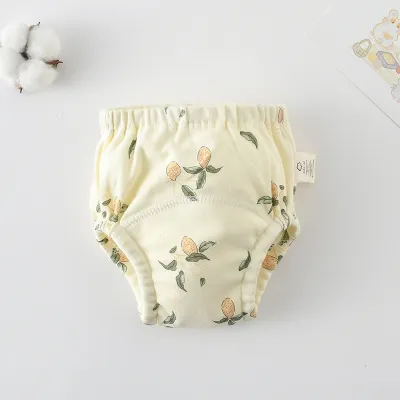
![[SG Ready Stock] Baby Toilet Training Pants 6 Layers Cotton Toddler Kid Potty Training Underwear Washable Cloth Diaper Children Day Gifts](https://img.lazcdn.com/g/p/3987f2eec680cd64554d9932f24c6993.jpg_400x400q80.jpg_.webp)
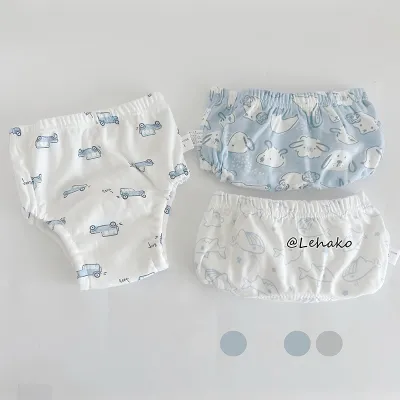
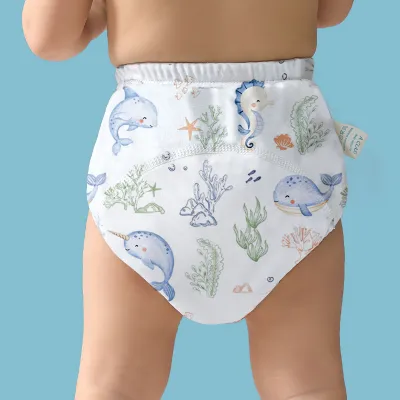
![[4 at $10.90] Baby Toilet Training Pants 6 Layers Reusable Cloth Diaper Waterproof Underwear Nappy Potty Highly Absorbent](https://img.lazcdn.com/g/p/8ddde1677384c797b9de2af14f2beb0f.png_400x400q80.png_.webp)
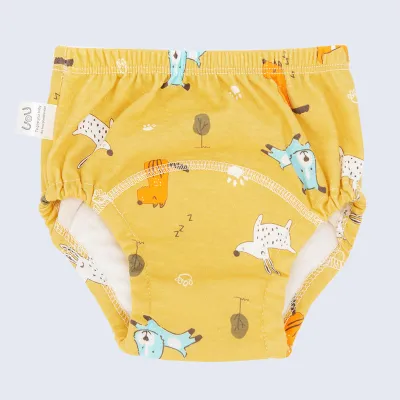
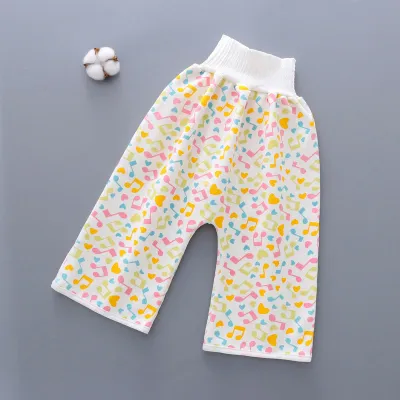
Prices are valid at publication and may change. Please refer to the product page for the latest price.
One of the most compelling reasons to choose cloth training pants is the sensory feedback they provide during potty training. Disposable pull-ups are engineered with super-absorbent polymers that instantly draw moisture away from the skin, keeping the child feeling dry even after a full bladder release. While convenient, this dry sensation prevents the toddler from connecting the physical sensation of urination with the wet consequence. Cloth training pants lack these chemical dry-zones, meaning the child immediately feels the dampness against their skin. This natural wetness feedback is a crucial learning cue, helping toddlers recognize their bodily signals faster and accelerating the transition to independent toilet use.
Key Features to Look for in Sustainable Training Pants
The waterproof outer layer is essential for containing minor leaks while your child learns. Most eco-friendly training pants utilize either TPU (thermoplastic polyurethane) or PUL (polyurethane laminate) for this purpose. While both materials effectively block moisture, TPU is bonded using a heat-lamination process rather than chemical solvents, making it a popular choice for parents seeking minimized chemical exposure. Some forward-thinking brands now offer outer shells made from recycled polyester, which repurposes post-consumer plastic bottles to add another layer of sustainability to the product.

The inner absorbent core is responsible for catching leaks, and parents can choose from several natural fiber options. Organic cotton is highly breathable, soft, and gentle on sensitive toddler skin. Bamboo is exceptionally absorbent, silky to the touch, and naturally cultivated without heavy pesticides. Hemp is the most absorbent natural fiber available, making it excellent for heavy wetters, though it tends to feel stiffer and takes longer to dry. Because material compositions vary, parents should always inspect the manufacturer’s product label to verify the exact fiber percentages, as some brands blend natural fibers with synthetic polyester to improve drying times or structural durability.
Unlike cloth diapers that often feature a microfleece or suedecloth “stay-dry” inner lining to keep babies comfortable, training pants intentionally omit these wicking layers. The inner lining is typically made of exposed organic cotton or bamboo. This design choice ensures that the child feels the dampness of an accident immediately, reinforcing the potty training process while still providing enough absorption to protect outer clothing and floors from minor spills.
With many brands claiming to be “green” or “eco-friendly,” it is vital to look for independent verification. Parents should check for recognized textile certifications such as Oeko-Tex Standard 100, which guarantees that the fabric has been tested for harmful substances and is safe for close skin contact. Another gold standard is the Global Organic Textile Standard (GOTS), which ensures the organic status of the textiles from harvesting through environmentally and socially responsible manufacturing. Rather than relying on vague marketing claims, parents should verify these certifications on the brand’s official website or physical product tags before purchasing.
Notable Eco-Friendly Cloth Training Pants Brands to Consider
Brands Emphasizing Natural and Organic Fibers
Bambino Mio and GroVia are prominent examples of brands that prioritize natural fibers in their training pant designs. Bambino Mio offers a classic pull-up style training pant featuring a soft cotton blend lining. This design includes a concealed water-resistant layer and an internal absorbent pad to catch small accidents. The pants are styled to look and feel like regular grown-up underwear, which can boost a toddler’s confidence and encourage independence during the potty training journey.
GroVia takes a highly functional approach with its My Choice Trainer. This product features a unique design with stretchy, interchangeable side panels and hidden side snaps. The snaps are incredibly useful for parents because they allow the training pants to be removed quickly and cleanly in the event of a messy accident, avoiding the need to slide a soiled garment down the child’s legs. The inner lining consists of a blend of organic cotton and hemp, providing excellent natural absorbency.
Both brands focus on slim-fit profiles that ensure the training pants can be worn discreetly under regular toddler clothing, such as shorts, dresses, or trousers, without creating the bulky appearance associated with traditional diapers. When purchasing these products, parents should check the current manufacturer specifications for the exact composition of the inner soaker pads, as brands occasionally update their material blends. Additionally, because natural fibers contain natural plant oils that inhibit absorbency initially, standard care instructions dictate that these garments must undergo a “prep wash” (washing and drying them 3 to 5 times) before their first use to reach maximum absorbency.
Brands Offering Hybrid or Adjustable Systems
For families seeking greater flexibility and customization, brands like Thirsties and SmartBottoms offer innovative adjustable and hybrid systems. Thirsties training pants feature a highly reliable design with multiple layers of organic cotton paired with a waterproof TPU outer shell. They provide a realistic wetness sensation while offering robust leak protection. The soft elastic waistband and leg openings are designed to prevent red marks on sensitive skin while keeping the pant securely in place.
SmartBottoms offers the Lil’ Trainer, which is designed with a customizable system. It includes a snap-in organic cotton insert that allows parents to adjust the level of absorbency based on the child’s current needs. For instance, parents can add an extra insert for car rides or long outings, and remove it when the child is at home and close to a toilet. This hybrid approach of pairing a reusable waterproof shell with customizable absorbent layers significantly reduces overall waste and laundry volume.
Many of these adjustable systems feature rise snaps on the front of the pant, similar to those found on modern cloth diapers. These snaps allow parents to adjust the overall length and fit of the garment, accommodating different toddler body shapes, thigh sizes, and sudden growth spurts. This adjustability extends the lifespan of the training pants, ensuring a single size can fit a child comfortably over many months. Parents should always verify the compatibility of specific inserts and accessories with the training pant shell before making additional purchases, as mixing brands may affect the fit and leak protection.
Caring for Cloth Training Pants in Singapore's Climate
Maintaining cloth training pants in Singapore’s tropical, high-humidity environment requires specific care to prevent bacterial growth, lingering odors, and fabric degradation. Proper storage and washing routines are key to keeping the fabrics fresh and functional.
Pre-Wash and Storage After an accident, any solid waste should be knocked directly into the toilet. Run the soiled training pants under cold tap water to rinse out residual urine, squeeze out the excess water, and place them in a dry pail or a wet bag with excellent airflow, such as a mesh bag. Avoid soaking the pants in a bucket of water, as standing water creates an anaerobic environment that encourages the growth of bacteria and produces strong ammonia odors.
Detergent Selection When washing, select a high-quality, residue-free laundry detergent. It is critical to avoid fabric softeners, optical brighteners, and chlorine bleach. Fabric softeners leave a chemical coating on the fibers that repels moisture, severely reducing the absorbency of the training pants. Chlorine bleach and harsh additives can break down the delicate waterproof TPU or PUL laminate layers (causing them to peel or crack) and degrade the elastic bands over time. Because Singapore’s municipal tap water is relatively soft, parents generally do not need to use excessive amounts of detergent; a standard dose is sufficient, followed by a thorough rinse cycle to ensure no soap residue remains in the fibers.
Drying Strategies for High Humidity Drying thick, absorbent cloth layers in Singapore’s humid climate can be challenging. Line-drying outdoors in the sun is highly beneficial, as natural sunlight acts as a mild sanitizer and helps fade stubborn stains. However, parents must avoid exposing the training pants to prolonged, direct, intense midday heat, as extreme temperatures can damage the elastic components and cause the TPU/PUL waterproof layers to delaminate. During the monsoon season or when drying indoors in HDB flats, place the training pants in a well-ventilated room near an electric fan, air circulator, or dehumidifier. This ensures the thick absorbent cores dry completely within 24 hours, preventing the development of musty mildew odors.
Where to Source and What to Verify Before Buying
Navigating the local market in Singapore requires careful selection to ensure you receive authentic, high-quality products that are safe for your child.
Purchasing Channels It is highly recommended to purchase eco-friendly cloth training pants directly from official brand websites, authorized local maternity and baby boutiques, or reputable online marketplaces that feature verified seller badges. Purchasing from unauthorized sellers or unverified platforms carries the risk of buying counterfeit products that may use substandard plastics, non-breathable materials, or unsafe chemical dyes.
Sizing and Fit Verification Unlike disposable diapers that rely heavily on weight ranges, cloth training pants require an accurate fit around the waist and thighs to prevent leaks. Parents should measure their child’s waist and thigh circumference using a soft measuring tape and compare these measurements against the brand’s specific size chart. Age-based sizing (such as “2T” or “3T”) is often inaccurate because toddlers of the same age can have vastly different body shapes. A proper fit should be snug enough to prevent gaps around the legs when the child moves, but loose enough to avoid leaving deep, red elastic marks on the skin. If skin irritation or persistent redness occurs, stop use immediately and consult a healthcare professional.
Hygiene and Return Policies Before finalizing a purchase, always review the retailer’s return and exchange policy. Due to strict hygiene regulations surrounding baby products, almost all local and international retailers prohibit the return or exchange of cloth diapering items once the packaging has been opened, or if the items have been washed or tried on. Ensuring you have measured your child correctly beforehand is essential to avoid costly sizing mistakes.
Local Support Look for brands that have active local distributors or dedicated parenting community groups in Singapore. These online forums and social media groups are excellent resources for troubleshooting washing routines, adjusting fits, and seeking advice from experienced local parents. They also provide access to a regulated second-hand market, allowing parents to buy pre-loved stashes or sell their own clean, well-maintained training pants once their child is fully potty trained.
Frequently Asked Questions (FAQ)
How many cloth training pants do I need for potty training?
The ideal number of cloth training pants depends on your child’s current stage of potty training, the frequency of accidents, and your household laundry schedule. In the early stages of training, when accidents are frequent, a child may go through 6 to 8 pairs of pants a day. If you plan to wash laundry every other day, a stash of 12 to 15 training pants is recommended to ensure you always have clean, dry pairs available. In the later stages of potty training, when the child is mostly dry and only experiences occasional slips, a smaller stash of 4 to 6 pairs is typically sufficient. Keep in mind that Singapore’s high humidity can extend drying times, so having a few extra pairs in rotation prevents running out of clean options during rainy periods.
Can cloth training pants hold a full bladder release like regular diapers?
No, cloth training pants are not designed to hold a full bladder release in the same way a regular diaper or high-absorbency cloth diaper does. The primary purpose of training pants is to catch small leaks, dribbles, and minor accidents while allowing the child to feel the wetness, which helps them learn to recognize the physical need to use the toilet. If a toddler experiences a complete, heavy bladder release, the liquid will likely saturate the absorbent core of the training pants and may leak onto outer clothing or floors. For nap times, overnight sleep, or long travel periods where access to a restroom is limited, parents should use highly absorbent overnight diapers, dedicated heavy-wetter cloth diapers, or specialized waterproof bed mats until the child is fully night-trained.

Community discussion
Share your experience or ask a question. Comments are reviewed before publication.