
Choosing the most eco-friendly cloth potty pants involves looking beyond generic green labels to evaluate the entire lifecycle of the product, focusing on certified organic raw materials, non-toxic waterproofing, and high-quality construction that ensures long-term durability. While many brands market their training pants as sustainable, true environmental responsibility depends on how the fabrics are sourced, whether the waterproofing layers are free from harmful chemicals, and how well the garments withstand hundreds of wash cycles. By focusing on certified organic fibers, non-toxic waterproofing, and robust construction, parents can significantly reduce their household waste while supporting ethical manufacturing.
Transitioning from diapers to potty pants is a major milestone for both toddlers and parents. This phase presents an excellent opportunity to minimize your household’s environmental footprint. However, navigating the market requires a critical eye, as greenwashing is common in the baby utility sector. Understanding the balance between material sustainability, manufacturing ethics, and practical usability will help you make an informed decision that aligns with your environmental values and your child’s comfort.
Defining True Sustainability in Cloth Potty Pants
To identify genuinely sustainable potty pants, caregivers must evaluate the entire lifecycle of the product, starting from raw material extraction. A truly eco-friendly brand considers the environmental cost of growing and harvesting fibers, the chemical processes used to turn those fibers into fabric, and the carbon footprint associated with manufacturing and shipping. For instance, conventional cotton farming relies heavily on synthetic pesticides and immense water consumption, whereas organic farming practices prioritize soil health and water conservation. Evaluating these upstream factors is essential to understanding a product’s true ecological footprint.
Products mentioned in this guide
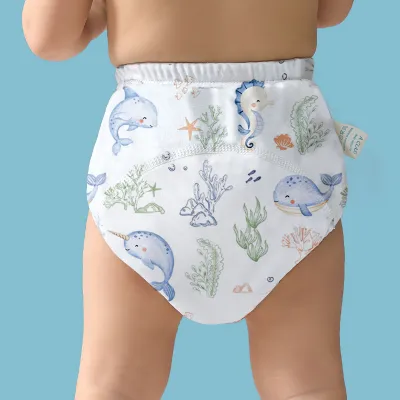
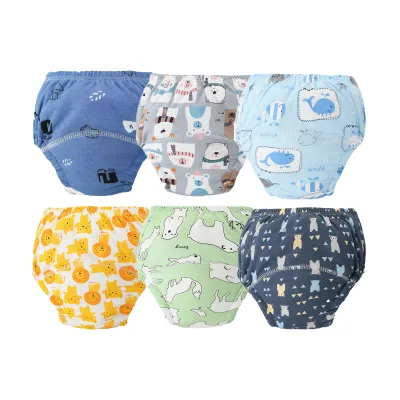
![[SG Local Stock] 6 Layers Baby Toilet Training Pants Breathable Waterproof Baby Diaper Pants Kids Potty Training Rewashable Diapers Panties Underwear Children Day Gifts](https://img.lazcdn.com/g/p/3c008923aebea28cff8035fa6d41ddb6.jpg_400x400q80.jpg_.webp)
![[SG Ready Stock] 6-Layer Toilet Training Pants / Reusable Diaper / Toilet Potty Training Pants](https://img.lazcdn.com/g/ff/kf/Sebc2e332f86f4f5bb981f9f4e8af78a34.jpg_400x400q80.jpg_.webp)
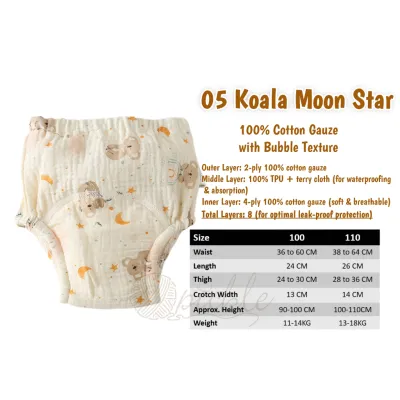
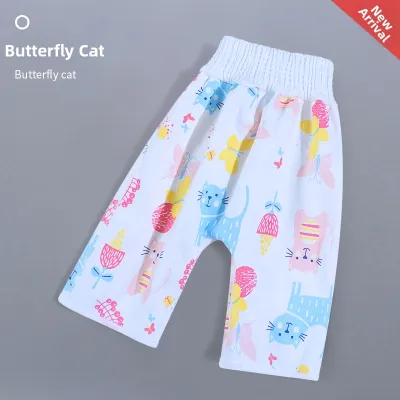
![[SG Ready Stock] Baby Toddler Girls Boys 6 Layer Cotton Toilet Potty Training Pants Rewashable Underwear Diapers [Little Gems] BLO005](https://img.lazcdn.com/g/p/2a916066007ab405e641b91f01fdee67.jpg_400x400q80.jpg_.webp)
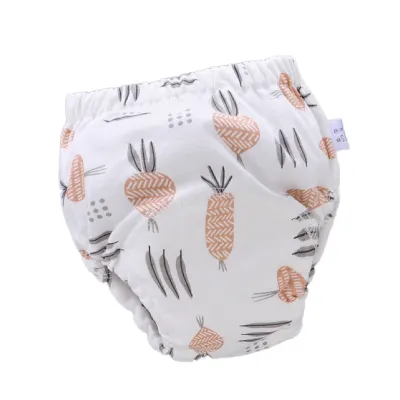
Prices are valid at publication and may change. Please refer to the product page for the latest price.
Durability and reusability are the cornerstones of textile sustainability. A single pair of potty pants must survive daily wear, frequent pulling up and down, and intensive washing. If a low-quality brand loses its elasticity, develops leaks, or tears after a few weeks of use, the environmental cost of replacing it defeats the purpose of choosing a reusable option. High-quality construction allows the pants to be washed hundreds of times, used for multiple children, or passed on to other families, multiplying their ecological value and keeping waste out of landfills.
Resource consumption during the consumer-use phase is another critical factor. While reusable potty pants eliminate the solid waste generated by single-use disposables, they do require water and electricity for washing. In municipal environments like Singapore, where water conservation is highly structured, the environmental impact of washing must be managed carefully. Using water-efficient, front-loading washing machines and washing full loads helps minimize this impact, ensuring that the cumulative resource consumption of reusable pants remains a fraction of the raw material extraction, manufacturing, and permanent landfill space required for thousands of single-use disposable training pants.
Comparing Eco-Friendly Materials and Fabrics
When comparing the fabrics used in cloth potty pants, natural and organic fibers are generally the most sustainable choices for the inner absorbent layers. Organic cotton is highly favored because it is grown without synthetic fertilizers or pesticides, making it gentle on both the earth and a toddler’s sensitive skin. Hemp is another exceptional sustainable fiber; it requires very little water to grow, has a high yield per acre, is naturally antimicrobial, and is incredibly durable. Hemp fibers are often blended with organic cotton to create a fabric that is both highly absorbent and soft to the touch.

Bamboo is a popular material that requires careful distinction between its processing methods. Mechanically processed bamboo, often called bamboo linen, is highly eco-friendly because it uses natural enzymes to break down the woody parts of the plant, preserving the fiber’s natural structure. However, most bamboo fabrics on the market are bamboo viscose or rayon. This chemical process uses harsh solvents like carbon disulfide to dissolve the plant matter into a synthetic spinning solution. While the resulting fabric is incredibly soft and absorbent, the chemical manufacturing process can be highly polluting unless the brand utilizes a closed-loop system that captures and recycles the solvents.
Waterproofing is another area where environmental trade-offs occur. Most cloth potty pants utilize a waterproof outer layer to prevent leaks. Thermoplastic polyurethane (TPU) is the preferred eco-friendly choice for this barrier. TPU is heat-bonded to the fabric without the use of chemical solvents, making it a cleaner and more stable option. In contrast, polyvinyl chloride (PVC) should be avoided entirely. The manufacturing and disposal of PVC release highly toxic dioxins and phthalates, which pose significant environmental and health risks. TPU remains flexible, durable, and safe throughout its usable life.
Dyeing and finishing processes also contribute to the environmental profile of potty pants. Unbleached and undyed fabrics are the gold standard for sustainability, as they eliminate the chemical runoff associated with textile processing. When color is desired, look for brands that use low-impact, non-toxic dyes that are free from heavy metals and toxic fixing agents. These dyes require less water during the rinsing process and do not release harmful chemicals into local waterways, protecting aquatic ecosystems and reducing the risk of skin irritation for your child.
How to Verify Brand Sustainability Claims and Avoid Greenwashing
To avoid falling victim to greenwashing, parents should look for recognized, independent third-party certifications on product tags and brand websites. The Global Organic Textile Standard (GOTS) is the leading standard for organic fibers, certifying that the product meets strict environmental and social criteria along the entire supply chain. Another crucial certification is the OEKO-TEX Standard 100, which guarantees that every component of the garment, including threads, snaps, linings, and dyes, has been rigorously tested for harmful substances and is safe for close contact with toddler skin.
Packaging is an easily observable indicator of a brand’s commitment to sustainability. A brand that claims to be eco-friendly but ships its products wrapped in multiple layers of single-use plastic wrapping is failing to address its overall environmental impact. Prioritize brands that utilize minimal, plastic-free packaging, such as FSC-certified cardboard boxes, recycled paper bands, or compostable mailers made from cornstarch. This attention to detail demonstrates a holistic approach to waste reduction and environmental stewardship.
Brand transparency is the ultimate test of sustainability. Reputable brands willingly share detailed information about their supply chains, including where their raw materials are grown, where the fabrics are woven, and the working conditions of the factories where the garments are sewn. Look for brands that actively support ethical labor practices and participate in circular economy initiatives, such as take-back programs or partnerships with textile recycling facilities. A brand’s willingness to disclose these details is a strong indicator of genuine environmental and social responsibility.
Balancing Eco-Friendliness with Practical Potty Training Needs
While maximizing eco-friendliness is important, the potty pants must also function effectively to prevent caregiver frustration. If the pants leak constantly or are difficult to clean, parents may feel tempted to return to single-use disposable pull-ups. One of the primary benefits of cloth potty pants is that they provide a wetness sensation. Unlike disposable training pants that use superabsorbent polymers to lock moisture away instantly, natural fibers allow the child to feel wet when they have an accident. This sensory feedback is crucial for potty training, helping the toddler connect the physical sensation of urinating with the wet result.
Ease of use is another practical consideration during the learning phase. Pull-up styles mimic adult underwear, fostering independence by allowing toddlers to pull them down and up on their own. This design is ideal for children who are already showing signs of readiness and can make it to the toilet in time. However, for early stages or children prone to bowel accidents, snap-on designs with side snaps are highly practical. Side snaps allow caregivers to remove the pants easily without pulling a messy accident down the child’s legs, minimizing cleanup stress.
Washing routine compatibility is essential for maintaining both hygiene and fabric integrity. Potty pants must be able to withstand frequent, rigorous washing without losing their shape, shrinking excessively, or degrading the elastic waistbands. Natural fibers like cotton and hemp are highly resilient and can handle regular laundering, but they do require proper care to maintain their absorbency. Ensuring that your chosen eco-friendly materials fit easily into your household’s existing laundry routine will make the transition to cloth potty training much smoother and more sustainable.
Extending Lifespan: Eco-Friendly Care and Maintenance
To maximize the environmental benefits of your cloth potty pants, it is essential to care for them using eco-friendly laundry practices. Wash the pants in full loads using energy-efficient machine cycles and cold or warm water, as heating water accounts for the majority of a washing machine’s energy consumption. Choose biodegradable, plant-based detergents that are free from optical brighteners, synthetic fragrances, and fabric softeners. Fabric softeners should be avoided entirely, as they leave a waxy residue on the fibers that severely reduces the absorbency of the potty pants over time.
Dealing with stains naturally is another way to protect both the environment and the fabric. Avoid harsh chemical bleaches, such as chlorine bleach, which can weaken natural fibers and degrade the waterproof TPU layer. Instead, utilize the natural bleaching and sanitizing power of sunlight by line-drying the pants outdoors. For stubborn stains, a paste made from sodium percarbonate (often sold as oxygen bleach) and water can be applied directly to the stain as a gentle, non-toxic pre-treatment before washing.
Proper drying and storage are critical for preserving the integrity of the waterproof layers and elastics. In warm, humid climates like Singapore, ensuring adequate ventilation during drying is essential to prevent mold and mildew growth. While line drying is the most eco-friendly method and protects the TPU layer from heat damage, ensure the pants are hung in a well-ventilated area. Avoid high-heat tumble drying, which can cause the waterproof layer to delaminate or melt, and can dry out the elastic waistbands, rendering the pants unusable. Store the clean, dry pants in a cool, dry place until their next use.
Frequently Asked Questions (FAQ)
Are cloth potty pants better for the environment than disposable training pants?
Yes, cloth potty pants are significantly better for the environment than disposable training pants over their entire lifecycle. While the initial manufacturing of cloth pants requires resources like water and energy, their ability to be washed and reused hundreds of times drastically reduces the volume of waste sent to landfills. A single child can use a small stash of reusable pants throughout their entire potty training journey, whereas disposable training pants generate thousands of pieces of non-biodegradable plastic waste. To maximize the environmental benefit, wash the cloth pants in full loads using energy-efficient settings and air-dry them whenever possible.
Can I compost or recycle cloth potty pants when my child outgrows them?
Whether you can compost or recycle cloth potty pants depends entirely on their material composition. If the pants are made from 100% natural fibers like organic cotton or hemp, those specific fabric portions can be composted once they are completely worn out, provided you carefully cut away and remove any synthetic components. However, the waterproof TPU outer layers, plastic snaps, and elastic waistbands are not compostable and must be disposed of separately. For these synthetic parts, look for specialized textile recycling programs or brand take-back initiatives that can process mixed-material garments responsibly.

Community discussion
Share your experience or ask a question. Comments are reviewed before publication.