
Finding the right eco-friendly cloth training pants in Singapore requires balancing environmental impact, local climate practicalities, and your child’s developmental stage. While many brands claim sustainability, the options truly worth buying are those that combine verified organic materials with durable construction capable of withstanding frequent washing. In Singapore’s humid weather, drying times and breathability become critical factors in your decision. By focusing on material transparency, functional design, and certified safety standards, you can select reusable training pants that support your child’s potty training journey while minimizing your household’s ecological footprint.
Evaluating these products involves looking beyond marketing buzzwords to understand the physical components of the garments. High-quality reusable options help toddlers transition away from disposable diapers by providing a balance of absorbency and wetness feedback. This guide outlines the essential criteria for assessing sustainable brands, comparing fabric performance, and verifying safety claims so you can make an informed purchase.
What Makes Cloth Training Pants Eco-Friendly?
To evaluate whether a brand’s training pants are genuinely sustainable, it is essential to understand the materials and manufacturing processes involved. Reusable training pants typically consist of an absorbent inner core and a water-resistant outer layer. Truly eco-friendly options prioritize natural, renewable fibers for the parts of the garment that touch your child’s skin. Materials such as organic cotton, bamboo, and hemp are biodegradable and require fewer chemical inputs during cultivation compared to conventional cotton or synthetic alternatives.
Products mentioned in this guide
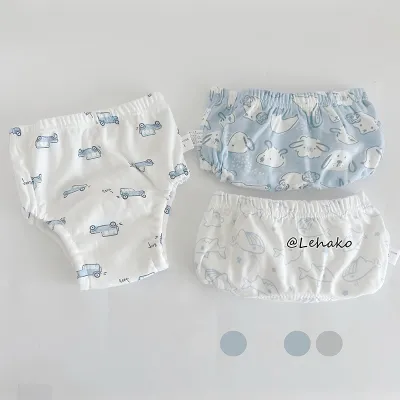
![[SG Ready Stock] Baby Toilet Training Pants 6 Layers Cotton Toddler Kid Potty Training Underwear Washable Cloth Diaper Children Day Gifts](https://img.lazcdn.com/g/p/3987f2eec680cd64554d9932f24c6993.jpg_400x400q80.jpg_.webp)
![[SG Local Stock] 6 Layers Baby Toilet Training Pants Breathable Waterproof Baby Diaper Pants Kids Potty Training Rewashable Diapers Panties Underwear Children Day Gifts](https://img.lazcdn.com/g/p/3c008923aebea28cff8035fa6d41ddb6.jpg_400x400q80.jpg_.webp)
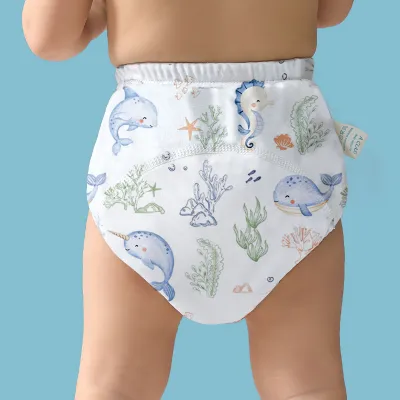
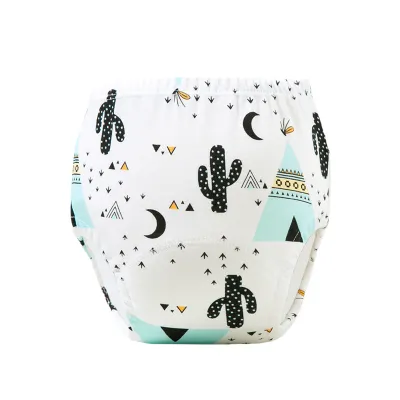
![[4 at $10.90] Baby Toilet Training Pants 6 Layers Reusable Cloth Diaper Waterproof Underwear Nappy Potty Highly Absorbent](https://img.lazcdn.com/g/p/197076b91cd3cd72b6ad2647e18e82e9.png_400x400q80.png_.webp)
Prices are valid at publication and may change. Please refer to the product page for the latest price.
The outer waterproof barrier, however, usually relies on synthetic materials like Polyurethane Laminate (PUL) or Thermoplastic Polyurethane (TPU). While these synthetics are not biodegradable, they are crucial for preventing leaks and extending the product’s usable life. A durable synthetic layer that allows a single pair of training pants to be washed and reused hundreds of times ultimately prevents significant amounts of disposable waste from entering landfills. When assessing a brand, consider how they balance these natural and synthetic components to achieve both performance and environmental responsibility.
The environmental impact of reusable training pants also depends heavily on household washing practices. In Singapore, where water and energy consumption are key environmental considerations, the ecological benefits of cloth training pants are maximized when you wash full loads, line-dry garments when possible, and avoid harsh chemical additives. Furthermore, the overall ecological footprint decreases dramatically when the products are durable enough to be passed down to younger siblings or shared within the community, making long-term durability a primary indicator of true sustainability.
Core Criteria for Selecting a Sustainable Brand
When searching for reliable cloth training pants, look for brands that demonstrate complete transparency regarding their supply chains and material sourcing. Reputable manufacturers openly disclose where their fabrics are grown, processed, and sewn. This information is typically accessible on their official websites or product packaging. Brands that hide behind vague marketing terms without providing detailed material breakdowns or manufacturing locations warrant closer scrutiny.

A sustainable brand must also successfully balance ecological materials with functional performance. Training pants that leak constantly will quickly be abandoned, defeating their environmental purpose. Look for designs that incorporate a hidden, breathable waterproof layer alongside the absorbent natural fibers. The construction should allow your toddler to feel the sensation of wetness—which is vital for potty training—while containing minor accidents long enough for you to reach a restroom.
Durability is another essential criterion for sustainability, as a product that wears out after a few washes contributes to premature waste. Examine the physical construction of the training pants for indicators of high-quality manufacturing. Look for reinforced, double-stitched seams that can withstand the tension of a toddler pulling the pants up and down independently. The elastic waistbands and leg casings should be robust yet gentle, maintaining their elasticity after dozens of hot water washes. Additionally, verify that the brand uses safe, colorfast dyes that will not bleed or fade rapidly, ensuring the garments remain appealing and functional for their entire lifespan.
Because fit is critical to preventing leaks and ensuring comfort, always consult the manufacturer’s specific size charts and weight guidelines before purchasing. A poorly fitting training pant can cause chafing or allow liquid to escape easily. Caregivers should supervise toddlers during use to monitor fit and ensure the child is comfortable. If your child develops a persistent rash or skin irritation, stop using the training pants immediately and consult a qualified healthcare professional.
Comparing Materials and Designs for Potty Training
The choice of fabric directly influences how quickly the training pants dry in Singapore’s humid climate and how comfortable they are for your child’s skin. Organic cotton is highly breathable and widely available, making it a reliable baseline option. Bamboo-derived fabrics offer excellent softness and high absorbency, which is beneficial for heavy wetters, though they often require longer drying times. Hemp is exceptionally durable and absorbent, but it can feel somewhat stiff unless blended with cotton or bamboo. Given the high humidity in Singapore, choosing a blend that balances high absorbency with reasonable line-drying times on your service yard rack is often the most practical approach.
The structural design of the training pants should match your child’s physical coordination and your daily routine. Pull-up styles with stretchy side panels are excellent for toddlers who are actively learning to use the toilet independently, as they mimic adult underwear and build confidence. Conversely, designs featuring side snap buttons are highly practical for the early stages of training. If your child has a major accident, snaps allow you to remove the soiled pants easily without pulling them down the legs, minimizing mess and simplifying cleanup.
Understanding the role of the “wetness sensation” is crucial when selecting inner lining materials. Unlike disposable diapers that use superabsorbent polymers to keep skin completely dry, cloth training pants are designed to let the child feel wet when an accident occurs. This physical feedback helps toddlers connect the sensation of bladder release with the need to use the toilet. When evaluating brands, check the inner lining material; organic cotton or bamboo velour linings are excellent for providing this sensory feedback, whereas stay-dry synthetic polyesters may delay the learning process by keeping the skin feeling dry.
Verifying Eco-Claims and Safety Certifications
To protect your child and avoid greenwashing, you must learn to verify the environmental and safety claims made by diaper brands. Look for globally recognized, independent third-party certifications rather than relying solely on a brand’s self-declared “green” labels. The Global Organic Textile Standard (GOTS) ensures that the fibers used are certified organic and that the entire supply chain meets strict ecological and social criteria. Another critical certification is the Oeko-Tex Standard 100, which guarantees that every component of the garment, including threads, buttons, and linings, has been tested for harmful substances and is safe for sensitive infant skin.
Greenwashing often manifests as vague, unsubstantiated claims on product listings, such as labeling a product “100% natural” or “eco-friendly” without specifying which parts of the garment those terms apply to. For instance, a brand might advertise “bamboo training pants” when only a small fraction of the lining contains bamboo rayon, while the rest is synthetic polyester. Always check the detailed material breakdown on the physical tag or the official product specification sheet to confirm the exact percentages of each fiber used.
Finally, review the manufacturer’s care instructions to ensure they align with sustainable practices. Brands that require dry cleaning, specialized chemical treatments, or excessive high-heat drying are less eco-friendly in practice. Sustainable cloth training pants should be washable in standard household machines using biodegradable, enzyme-free detergents. Proper care not only preserves the integrity of the waterproof laminate and elastic bands but also ensures the fabrics maintain their natural absorbency over time, preventing premature replacement.
Purchasing Channels and Pre-Buy Checks in Singapore
When purchasing cloth training pants in Singapore, sourcing them through authorized channels is vital to ensure you receive genuine, high-quality products. Authorized local baby boutiques and official brand stores on reputable online marketplaces are excellent starting points. Buying from these verified sellers reduces the risk of purchasing counterfeit goods that may use substandard plastics, unsafe dyes, or non-certified materials.
Before finalizing your purchase, carefully review the shipping origins and the retailer’s return policies. Because training pants are classified as personal hygiene items, most retailers do not accept returns or exchanges once the packaging has been opened, unless there is a clear manufacturing defect. Check the brand’s warranty terms regarding issues like delamination of the waterproof layer or premature snapping of the elastics. If you are ordering from overseas, factor in the environmental impact of long-distance shipping and potential delays in delivery.
Once your selected training pants arrive, you must perform the initial preparation steps recommended by the manufacturer before putting them on your child. Natural fibers like organic cotton and hemp contain natural oils that inhibit absorbency when new. To strip these oils and prime the fabric, you will typically need to wash the training pants two to three times using a gentle, residue-free detergent. Skipping this step can lead to immediate leaks, which may discourage both you and your toddler during the critical early days of potty training.
Frequently Asked Questions (FAQ)
How many pairs of cloth training pants do I need for potty training?
The ideal number of cloth training pants depends on your child’s current stage of training, their daily accident frequency, and your household laundry schedule. For toddlers just starting their potty training journey, who may experience multiple accidents a day, a starting inventory of 8 to 10 pairs is generally recommended if you wash laundry every other day. If you prefer to wash laundry less frequently, or if your home lacks rapid indoor drying options during Singapore’s rainy monsoon seasons, increasing your inventory to 12 or 15 pairs will ensure you always have a clean, dry pair on hand. As your child progresses and accidents become rare, you can gradually reduce the number of active pairs in circulation.
Can I use cloth training pants overnight during potty training?
Standard cloth training pants are designed to catch minor daytime accidents and are generally not absorbent enough to handle a full bladder release overnight. Using them during sleep without modification will likely result in wet bedding and disrupted sleep. If you wish to use reusable options at night, look for specialized overnight training pants that feature extra layers of absorbency and a more robust waterproof barrier, or insert a dedicated absorbent booster pad made of hemp or bamboo into the daytime pants. Alternatively, continuing the use of dedicated cloth diapers at night while using training pants during the day is a practical approach until your child consistently wakes up dry.
Community discussion
Share your experience or ask a question. Comments are reviewed before publication.