
Choosing the best eco-friendly diaper cloth options in Singapore involves looking beyond attractive marketing claims to evaluate raw material sourcing, manufacturing transparency, and the overall product lifecycle. While many brands claim sustainability, the most environmentally friendly choices are those that prioritize organic, minimally processed natural fibers, plastic-free packaging, and durable construction designed to last through multiple children.
Singapore’s tropical climate and soft municipal water supply introduce unique considerations for cloth diapering, from drying times to washing routines. By choosing high-quality, durable brands and caring for them sustainably, parents can significantly reduce their household waste and environmental footprint. Transitioning to reusable diapers is a highly effective way to divert thousands of single-use disposables from Singapore’s Semakau Landfill, provided caregivers select products built for longevity.
What Makes a Cloth Diaper Brand Truly Eco-Friendly?
To evaluate the true environmental impact of a diaper cloth brand, caregivers must look closely at how the raw materials are grown. Conventional cotton farming relies heavily on synthetic pesticides and fertilizers, which degrade soil health and pollute local water systems. In contrast, certified organic farming practices utilize crop rotation, natural pest management, and rain-fed irrigation, dramatically reducing the ecological footprint of the raw fibers before they are even woven into fabric.
Products mentioned in this guide
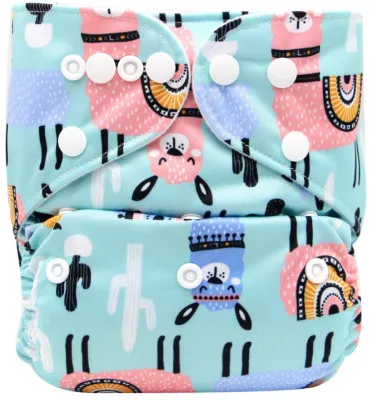
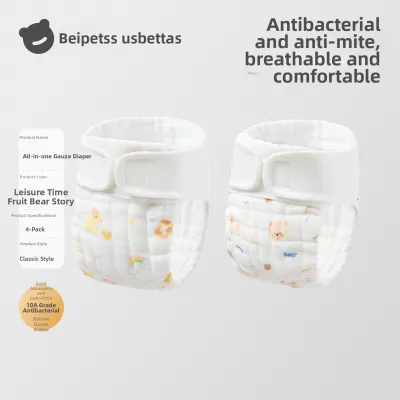
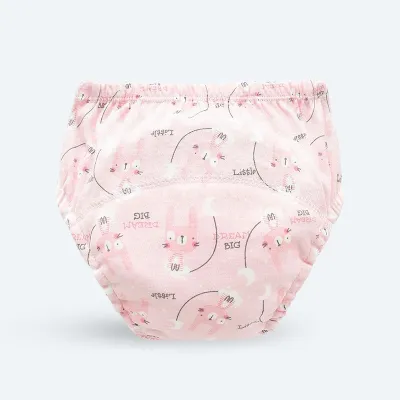
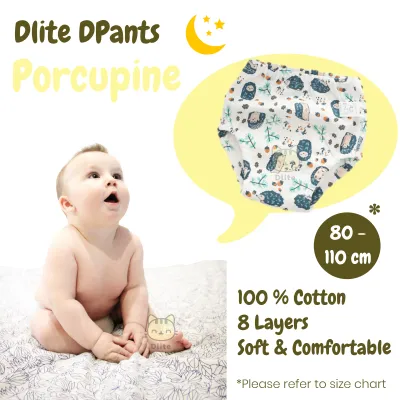
Prices are valid at publication and may change. Please refer to the product page for the latest price.
The manufacturing phase is another critical factor in determining a brand’s sustainability. Textile production is notoriously resource-intensive, requiring vast amounts of water and energy. Eco-conscious brands mitigate this by utilizing closed-loop manufacturing systems, where water and processing solvents are recycled rather than discharged into the environment. Furthermore, responsible brands prioritize non-toxic, heavy-metal-free dyes and adhere to fair labor practices, ensuring that the human cost of production is as low as the environmental cost.
Packaging choices offer an immediate indication of a brand’s commitment to the environment. Many mainstream baby products are individually wrapped in single-use plastic bags and shipped in plastic mailers, generating substantial waste. Truly sustainable brands opt for plastic-free packaging, utilizing FSC-certified cardboard boxes, paper bands, or compostable shipping mailers. Minimizing packaging materials altogether is the gold standard, as it reduces shipping weight and the associated transportation emissions.
Finally, parents must consider the product’s lifespan and end-of-life viability. Natural fibers like organic cotton and hemp are fully biodegradable at the end of their useful life, provided they are not blended with synthetic materials. However, almost all modern cloth diapers rely on a waterproof outer layer made from Polyurethane Laminate (PUL) or Thermoplastic Polyurethane (TPU), which are synthetic and do not biodegrade. The environmental value of these synthetic components lies entirely in their durability; a single high-quality diaper cover used hundreds of times prevents thousands of disposable diapers from entering the waste stream, making long-term durability a key metric of sustainability.
Sustainable Materials and Diaper Cloth Styles Compared
When selecting diaper cloth materials, parents must balance absorbency, drying times, and environmental processing footprints. Organic cotton is a highly reliable choice, offering excellent durability and balanced absorbency that improves with repeated washing. Because it is a natural fiber, it is gentle on sensitive skin and fully biodegradable at the end of its life cycle, making it a cornerstone of sustainable diapering.

Hemp is another exceptional material for eco-conscious families. It is a highly sustainable crop that requires minimal water, grows rapidly without pesticides, and produces more fiber per acre than cotton. Hemp fabric is incredibly absorbent and durable, making it ideal for heavy wetters or overnight use. However, because hemp fibers can become stiff when air-dried, they are almost always blended with organic cotton to maintain a soft, comfortable texture for babies.
Bamboo is a very popular diaper material, but it requires a crucial caveat regarding its processing. While raw bamboo is a highly sustainable, fast-growing plant that requires no pesticides, converting its tough woody stalks into soft fabric—typically bamboo viscose or rayon—is a highly chemical-intensive process. This manufacturing method often utilizes toxic solvents like carbon disulfide, which can pose environmental and health risks if not managed in a closed-loop system. Parents seeking the lowest chemical footprint should look for brands that explicitly use closed-loop lyocell processing or opt for organic cotton and hemp instead.
The style of the diaper also plays a significant role in its overall ecological footprint. Flats and prefolds represent the most traditional and sustainable style available. Consisting of simple, flat sheets of natural woven fabric, they contain no built-in waterproof layers, elastics, or snaps. This simplicity means they have a very low manufacturing footprint, wash clean easily with minimal detergent, and dry exceptionally fast in Singapore’s humid climate.
Conversely, modern styles like All-in-Ones (AIOs) and Pocket diapers offer convenience similar to single-use options but carry a higher environmental footprint. These styles integrate synthetic waterproof layers (PUL/TPU), elastics, and hook-and-loop fasteners directly into the diaper. Because these materials are fused together, they take much longer to dry, require more energy to wash thoroughly, and cannot be easily recycled or composted at the end of their lifespan. They are also more prone to shedding microplastics during the washing cycle.
| Material or Style | Absorbency | Drying Time | Eco-Impact | Best Use Case |
|---|---|---|---|---|
| Organic Cotton Flats | Moderate | Very Fast | Extremely Low | Daytime use, budget-friendly setups, and quick-drying needs in humid climates. |
| Hemp/Cotton Prefolds | Very High | Moderate to Slow | Very Low | Heavy wetters, naptime, overnight diapering, and long-term durability. |
| Bamboo Viscose Pockets | High | Slow | Moderate (due to chemical processing) | Parents transitioning from disposables who prioritize convenience and softness. |
| All-in-One (AIO) Diapers | Moderate to High | Very Slow | Moderate to High (due to synthetic layers) | Daycare use, babysitters, and families prioritizing maximum convenience. |
How to Spot Greenwashing and Verify Brand Claims
As the demand for sustainable baby products grows, so does the prevalence of greenwashing—the practice of making misleading or unsubstantiated claims about the environmental benefits of a product. In the diapering industry, a common tactic is the “halo effect,” where a brand prominently advertises a diaper as “natural bamboo diaper cloth” or “organic cotton diaper.” Upon closer inspection of the product label, caregivers may find that only a small percentage of the inner insert is natural fiber, while the rest of the diaper consists of standard synthetic polyester and polyurethane.
To protect against greenwashing, parents should look for independent, third-party certifications and learn how to verify them. The Global Organic Textile Standard (GOTS) is the gold standard for organic fibers, ensuring that the entire supply chain—from harvesting to manufacturing—meets strict environmental and social criteria. Another vital certification is the Oeko-Tex Standard 100, which tests finished textile products for harmful substances and heavy metals, ensuring they are safe for infant skin. Because certifications can be falsely claimed, parents should verify the brand’s license number directly on the official GOTS or Oeko-Tex online databases to ensure they are current and active.
Brand transparency is a key indicator of genuine sustainability. Ethical brands freely share detailed information about their supply chains, manufacturing locations, and fair labor practices. They do not hide behind vague terms like “eco-friendly” or “all-natural” without providing concrete data to back up their claims. A truly transparent brand will also provide clear, realistic instructions on how to care for their products to maximize their lifespan, as well as guidance on responsible disposal or recycling options.
Caregivers should also be wary of brands that encourage over-consumption through constant product drops, limited-edition prints, and excessive marketing. True sustainability lies in buying only what is necessary and using those items to the end of their functional life. Brands that focus on classic, versatile designs and high-quality construction are generally more aligned with eco-friendly principles than those driving fast-fashion trends within the baby industry.
Where to Shop for Sustainable Cloth Diapers in Singapore
For parents in Singapore, sourcing eco-friendly diaper cloth options locally is a highly effective way to minimize the carbon footprint associated with international shipping. Specialized local eco-baby boutiques and dedicated online retailers often curate vetted, high-quality international and regional brands. Shopping through these local channels not only supports the domestic green economy but also reduces the packaging and transport emissions of individual overseas deliveries.
When local sourcing is not possible and ordering directly from international brand websites is necessary, parents should evaluate the shipping methods and carbon footprint. Air freight emits significantly more greenhouse gases than sea freight. To mitigate this impact, caregivers can organize group buys with friends or local parenting communities to consolidate orders into a single shipment. Choosing slower, consolidated shipping options and selecting carbon-offsetting programs at checkout can also help neutralize some of the transport emissions.
Embracing the circular economy is one of the most powerful steps a parent can take. The most sustainable diaper is the one that has already been manufactured. Singapore has a vibrant pre-loved market, with active communities on online marketplaces and dedicated social media groups where parents buy, sell, or trade gently used cloth diaper stashes. Because high-quality cloth diapers are built to last for years, purchasing pre-loved items significantly extends their lifecycle and prevents them from premature disposal.
Additionally, local cloth diaper libraries and rental services are excellent resources for parents starting their journey. These services allow families to rent different styles and brands of diapers for a trial period before committing to a full purchase. This prevents the common and wasteful mistake of buying a complete set of diapers that may not fit the baby’s unique body shape or meet the family’s lifestyle needs, ensuring that every purchase made is intentional and long-lasting.
Eco-Friendly Washing and Care Practices
The environmental benefits of using diaper cloth can be easily compromised by resource-intensive washing routines. In Singapore, the municipal water supply is soft, which has a direct impact on how detergents perform. Soft water requires significantly less detergent to achieve a thorough clean compared to hard water. Over-dosing detergent in soft water leads to soap buildup in the fabric fibers, which can cause leaks, trap unpleasant odors, and irritate a baby’s delicate skin.
An efficient washing routine for Singapore’s tropical climate begins with a short pre-wash cycle using cold water and a small amount of detergent to flush away organic waste. This is followed by a long, heavy-duty main wash cycle. While hot water (up to 60°C) is highly effective for sanitizing and breaking down oils, parents must always check the diaper label and manufacturer guidelines first, as excessive heat can permanently damage waterproof TPU/PUL layers and degrade elastic components. If a baby develops a persistent diaper rash, consult a pediatrician or dermatologist to rule out yeast or bacterial infections before adjusting your sanitizing routine.
Selecting the right detergent is crucial for both the environment and the longevity of the diapers. Parents should choose biodegradable, plant-based detergents that are free from optical brighteners, synthetic fragrances, and artificial dyes. Fabric softeners must be strictly avoided, as they leave a chemical coating on the fibers that drastically reduces absorbency, rendering the diapers ineffective. Chlorine bleach should also be avoided for routine washing, as it rapidly degrades natural fibers like cotton and hemp; instead, opt for oxygen-based bleaches only when deep sanitizing is required.
Drying practices present an excellent opportunity to save energy and reduce utility costs. Singapore’s high tropical humidity can make air-drying a challenge, posing a risk of mildew if diapers remain damp for too long. To prevent this, hang diapers in well-ventilated indoor areas, near open windows, or outdoors where air circulation is high. Utilizing natural UV sunlight is a highly effective, zero-energy way to bleach out stubborn stains and naturally sanitize natural fibers. However, prolonged exposure to intense midday sun can dry out and crack waterproof laminates and damage elastics, so PUL covers should be dried in shaded, well-ventilated areas or brought indoors once dry.
Frequently Asked Questions (FAQ)
Are bamboo cloth diapers actually eco-friendly?
While bamboo is a highly sustainable, fast-growing plant that requires minimal water and no pesticides, the process of converting it into soft diaper cloth (bamboo viscose or rayon) is often chemically intensive. Many manufacturers use toxic solvents that can harm the environment if not managed responsibly. To ensure your bamboo diapers are truly eco-friendly, look for brands that utilize closed-loop manufacturing processes where chemicals are recycled, or choose organic cotton and hemp, which have a much lower chemical processing footprint.
How many cloth diapers do I need to start sustainably?
To diaper a baby full-time while washing every two to three days, a stash of 20 to 24 diapers is generally recommended. To maintain a sustainable approach, avoid the temptation to purchase a large collection of different brands and prints before your baby arrives. Starting with a small, versatile selection of one-size-fits-most options allows you to test the fit and absorbency, ensuring you only invest in products that work well for your baby and will be used to their full potential.

Community discussion
Share your experience or ask a question. Comments are reviewed before publication.