
Transitioning a toddler from diapers to independent toilet use is a major developmental milestone, yet it often comes with a significant spike in household waste. In Singapore, where environmental consciousness is growing alongside a practical need for efficient household routines, choosing the right baby training pants is a crucial decision for parents. Reliable cloth training pants offer a sustainable, cost-effective alternative to single-use disposable pull-ups, but navigating the options requires understanding what makes a brand both genuinely eco-friendly and dependable.
To make an informed choice, parents must balance material safety, absorbency, and durability. In Singapore’s hot and humid tropical climate, breathability is essential for preventing skin irritation, while the drying time of reusable fabrics presents a unique household challenge. By focusing on certified organic materials, robust construction, and practical designs, families can successfully navigate the potty training phase while minimizing their environmental footprint.
What Makes a Cloth Training Pant Eco-Friendly and Reliable?
Evaluating the environmental impact and performance of cloth training pants requires looking closely at their material composition, structural design, and expected lifespan. A truly sustainable product must not only utilize responsibly sourced fibers but also withstand the rigorous washing cycles required to maintain hygiene over many months of use.
Products mentioned in this guide
![[SG Ready Stock] Baby Toilet Training Pants Cotton Summer Breathable Kids Potty Training Pants Rewashable Diapers](https://img.lazcdn.com/g/p/4d301591498842b30b331bb768b7d2cf.jpg_400x400q80.jpg_.webp)
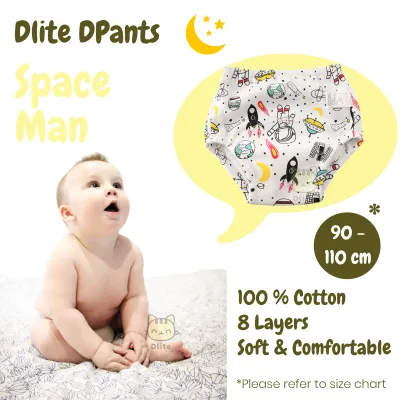
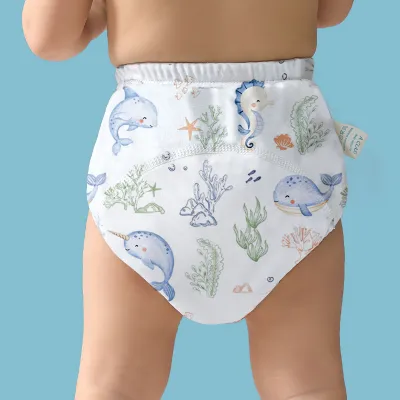
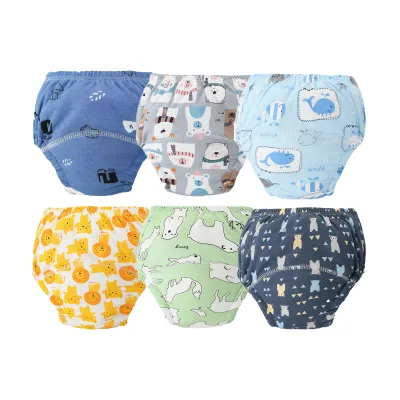
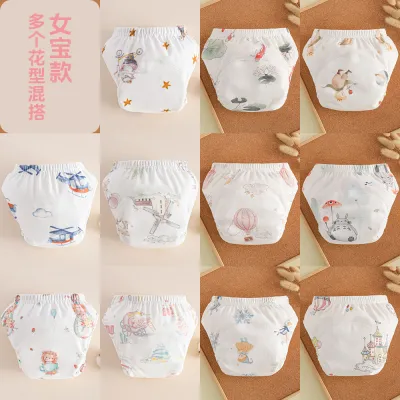
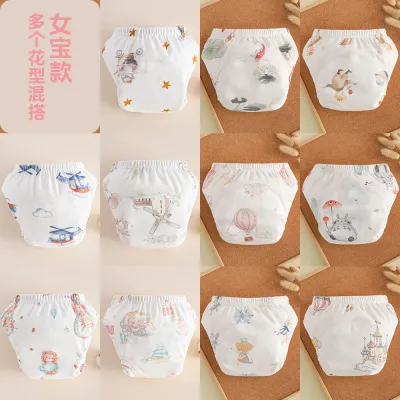
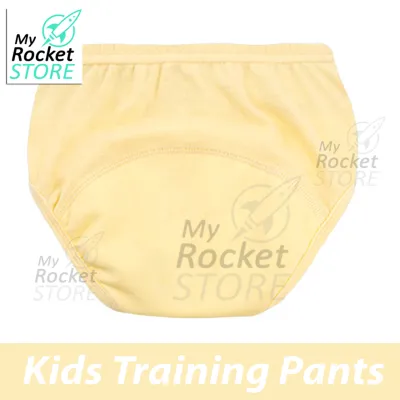
Prices are valid at publication and may change. Please refer to the product page for the latest price.
Eco-Friendly Materials
The materials used in baby training pants directly affect both the environment and your child’s skin health. Natural fibers—such as organic cotton, bamboo, and hemp—are highly favored for the layers that come into direct contact with the skin. Organic cotton is grown without synthetic pesticides or fertilizers, reducing soil degradation and water pollution at the source. Bamboo, often processed into bamboo rayon or viscose, is highly breathable and naturally soft, making it comfortable for sensitive skin. Hemp is exceptionally durable and has a lower environmental footprint than cotton, requiring minimal water and land to cultivate.
In contrast, synthetic fibers like polyester, microfiber, and nylon are petroleum-derived materials. While synthetics are often engineered to dry quickly, they do not offer the same level of breathability as natural fibers. In a humid climate like Singapore’s, high breathability is crucial for maintaining proper skin airflow and preventing heat rash or diaper dermatitis. Natural fibers allow air to circulate more freely, keeping the skin cool and comfortable during active daytime play.
Reliability and Absorbency
Unlike standard cloth diapers, which are designed to keep a baby’s skin completely dry for hours, cloth training pants serve a specific developmental purpose. They are engineered to balance absorbency with a deliberate sensation of dampness. When a toddler has a minor accident, the absorbent core catches the liquid to protect clothing and floors, but the inner lining allows the child to feel the wetness immediately.
This physical sensation is a vital cognitive cue. It helps the child connect the physical sensation of urinating with the feeling of wetness, reinforcing the biofeedback loop necessary for successful potty training. A reliable training pant must contain enough absorbent layers (typically two to four layers of natural fiber) to manage a single bladder release without leaking, while avoiding the excessive bulk of a full diaper, which can hinder a child’s movement and independence.
Durability as Sustainability
The true environmental benefit of any reusable product lies in its longevity. If a cloth training pant degrades, loses its elasticity, or suffers from delamination after only a few dozen washes, its overall ecological footprint can end up being comparable to, or worse than, high-quality disposables due to the resources consumed during manufacturing.
To ensure durability, parents should examine the quality of the stitching, the strength of the elastics around the waist and thighs, and the resilience of the waterproof outer barrier. The waterproof layer is typically made of Polyurethane Laminate (PUL) or Thermoplastic Polyurethane (TPU). High-quality laminates are heat-bonded rather than chemically glued, allowing them to withstand hundreds of wash cycles without cracking or peeling. Strong, gentle elastics are equally important; they must retain their stretch to prevent gaps that cause leaks, even after repeated stretching and washing.
Cloth Training Pants Brands to Explore in Singapore
When exploring cloth diapering options in Singapore, parents will find a variety of international and regional brands available through specialty baby boutiques and online marketplaces. Rather than relying on unverified claims of being the “best,” it is more practical to evaluate brands based on their design philosophies and material choices.

Brands Focusing on Organic and Natural Materials
Many parents prioritize brands that use certified organic fabrics for their training pants. These brands typically feature inner linings made of organic cotton, bamboo fleece, or hemp blends. These natural fibers are not only exceptionally soft against a toddler’s skin but also possess natural properties that help minimize odor buildup over time.
To ensure that a brand’s claims of being “organic” or “chemical-free” are genuine, parents should look for verifiable textile certifications. The Global Organic Textile Standard (GOTS) is the gold standard for organic fibers, ensuring environmental and social criteria are met along the entire supply chain. Another critical certification is Oeko-Tex Standard 100, which guarantees that the final textile product has been rigorously tested and is free from harmful levels of toxic substances. Parents can verify these certifications by checking the product tags, packaging, or looking up the brand’s certification number on the official GOTS or Oeko-Tex online databases.
While natural fibers offer superior eco-friendliness and skin comfort, they do come with a practical trade-off. Natural materials hold onto moisture tightly, which means they require significantly longer drying times than synthetic alternatives. In Singapore’s high-humidity environment, especially during the monsoon seasons, natural-fiber training pants may take a full day or more to line-dry completely indoors. Parents should plan their laundry schedules and purchase quantities accordingly to accommodate these longer drying cycles.
Brands Prioritizing Durability and Modular Designs
Another highly sustainable approach is the use of modular or hybrid training pants systems. These designs typically consist of a separate waterproof outer cover (or shell) and removable, replaceable absorbent inserts that snap or lay inside the cover.
Modular designs offer exceptional efficiency and waste reduction. If a child has a minor wet accident, parents can simply remove the wet insert, wipe down the waterproof interior of the shell, snap in a clean insert, and reuse the cover. This system significantly reduces the volume of laundry generated, as the outer shell does not need to be washed after every single use. It also extends the overall lifespan of the product; if an insert eventually degrades or loses absorbency, parents only need to replace the insert rather than the entire garment.
When evaluating modular systems, the quality of the waterproof cover is paramount. Most durable brands utilize TPU, which is bonded using heat rather than chemical solvents, making it a preferred choice for eco-conscious families. The interior of these covers is designed to be smooth and non-porous, allowing it to be easily wiped clean and dried quickly between uses. Before purchasing, parents should check if the manufacturer offers clear information regarding their warranty policies on snaps, elastics, and laminates, as well as the availability of individual replacement parts.
How to Verify Sustainability Claims Before Buying
As demand for eco-friendly baby products rises, so does the prevalence of vague or misleading marketing claims, commonly known as greenwashing. Parents must learn to critically evaluate product descriptions and brand claims when shopping on ecommerce platforms or in physical retail stores in Singapore.
One common area of confusion is the term “biodegradable.” Some single-use training pants are marketed as biodegradable or compostable. However, these materials typically require specific industrial composting facilities—which operate under high temperatures and controlled moisture levels—to break down effectively. In Singapore, household municipal waste is directed to waste-to-energy incineration plants, with the remaining ash sent to the Semakau Landfill. Because industrial composting of diapers is not currently part of Singapore’s public waste management infrastructure, “biodegradable” disposable pants will simply be incinerated along with general waste. Therefore, the most direct and effective eco-benefit comes from reusability—keeping waste out of the incineration stream altogether.
To verify a brand’s commitment to sustainability, look for concrete details rather than generic buzzwords. Genuine eco-friendly brands are transparent about their manufacturing origins, the ethical labor practices of their factories, and their packaging materials. Look for brands that ship their products in plastic-free, recyclable, or compostable packaging, and those that publish detailed transparency reports or environmental impact statements on their official websites. A brand that openly shares its supply chain details is far more likely to be a reliable partner in your sustainability journey.
Washing and Maintenance for Long-Lasting Use
To ensure that cloth training pants remain hygienic, absorbent, and durable throughout their entire lifespan, establishing a proper washing and maintenance routine is essential. Incorrect care can quickly damage waterproof membranes, degrade elastics, and cause fabric buildup that leads to leaks and odors.
- Pre-Rinsing and Storage: Always flush any solid waste directly into the toilet. If the training pants are wet, store them in a dry, breathable wet bag or pail until laundry day. Avoid soaking them in water for long periods, as this can encourage bacterial growth and weaken the fabrics.
- The Wash Cycle: Run a short, cold pre-wash or rinse cycle without detergent to flush out urine and residual waste. Follow this with a long, hot wash cycle (ideally between 40°C and 60°C, depending on the manufacturer's guidelines) using a standard, residue-free laundry detergent. Avoid using eco-detergents that contain natural oils, plant-based fats, or soap nuts, as these can leave a water-repellent residue on the fibers over time, severely reducing absorbency.
- Products to Avoid: Never use fabric softeners, dryer sheets, or chlorine bleach. Fabric softeners coat the natural fibers with a thin, lubricating layer that repels liquid, rendering the training pants useless. Chlorine bleach can quickly degrade the delicate PUL or TPU waterproof laminate and weaken the elastics, leading to premature product failure.
- Drying Methods: The most eco-friendly and fabric-preserving method is air-drying. Hang the training pants on a laundry rack in a well-ventilated area. When drying outdoors in Singapore, position the waterproof covers in the shade; direct, intense midday sunlight can overheat and damage the PUL/TPU laminate and elastics. Natural fiber inserts can be hung in direct sunlight, which helps naturally bleach out minor stains. If using a tumble dryer, ensure it is set to a low-heat or air-fluff setting, and only do so if the manufacturer's care label explicitly permits it.
Always read and follow the specific care instructions provided by the manufacturer of your training pants. Different brands use unique fabric blends and construction methods, and adhering to their guidelines is the best way to prevent damage, maintain performance, and ensure the product remains safe and comfortable for your child.
Frequently Asked Questions (FAQ)
Are cloth training pants completely leak-proof?
No, cloth training pants are not designed to be completely leak-proof in the same way as standard diapers. Their primary purpose is to catch minor, accidental leaks while allowing the child to feel the wetness, which is an essential part of the potty training learning process. If a child fully empties their bladder into the training pants, the liquid will eventually saturate the absorbent core and may leak through the seams or elastics if the garment is not changed immediately. They should be viewed as a transitional tool rather than a high-capacity diaper replacement.
How many pairs of cloth training pants do I need?
For parents in Singapore, it is highly recommended to start with a small trial batch of 3 to 5 pairs. This allows you to evaluate how the specific brand fits your child’s body shape, test the absorbency, and see how quickly the fabrics dry in your home environment. Once you are satisfied with a particular style, a typical full rotation consists of 10 to 15 pairs, assuming you wash laundry every two days. The exact number will depend on your child’s developmental stage, how frequently they have accidents, and your household’s washing and drying schedules.

Community discussion
Share your experience or ask a question. Comments are reviewed before publication.