
Quick Answer: Choosing Between Earth Mama and Alternative Balms
Finding the right diaper balm for your baby in Singapore’s warm, humid climate requires balancing effective moisture protection with gentle skin care. There is no single universal winner when comparing Earth Mama Diaper Balm to other popular alternatives. The ideal choice depends entirely on your baby’s current skin condition, individual sensitivities, and your diapering routine.
A plant-based, oil-rich formula like Earth Mama is typically preferred for daily preventative care and soothing mild dryness. Its botanical ingredients condition the skin without leaving a heavy, suffocating residue. However, if your baby is dealing with an active, severe diaper rash or significant wetness exposure, a traditional barrier cream containing zinc oxide or petroleum may be necessary to provide a robust, physical shield against moisture.
Before committing to any new product, it is highly recommended to perform a patch test on a small, unaffected area of your baby’s skin. Observing how their skin responds over twenty-four hours helps prevent widespread irritation and ensures the formulation is compatible with their unique skin barrier.
Products mentioned in this guide
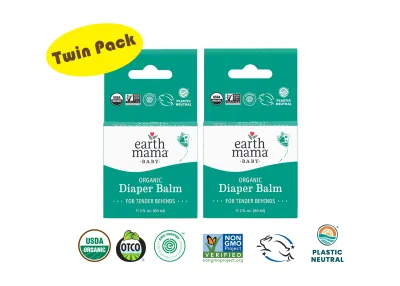
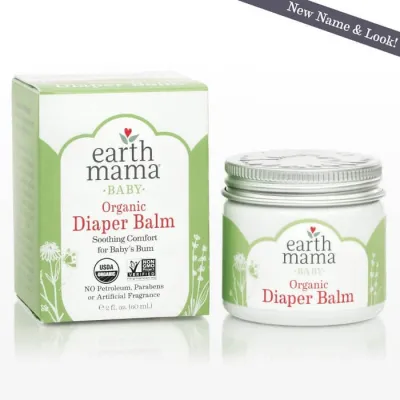
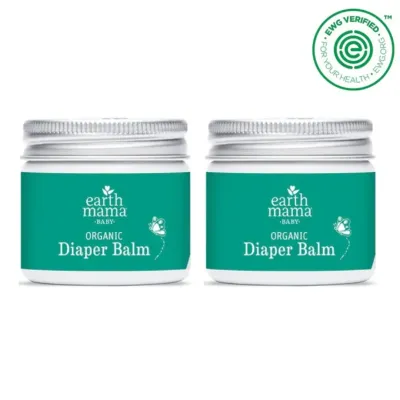
![[2-Pk] Earth Mama Organic Baby Diaper Balm Exp: 08/28](https://img.lazcdn.com/g/p/2d48adbcc8597e70ce76e65e1f4345d2.png_400x400q80.png_.webp)
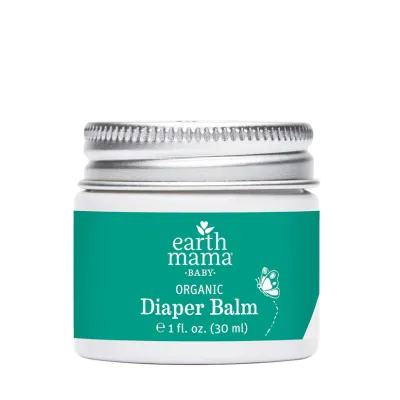
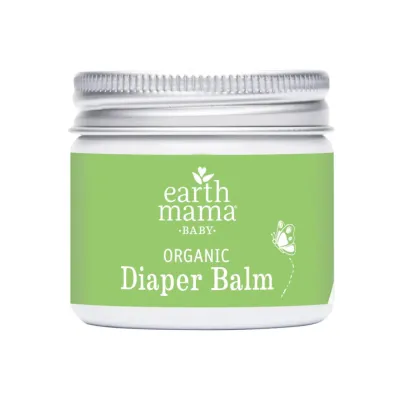
Prices are valid at publication and may change. Please refer to the product page for the latest price.
Decoding Ingredients: Plant-Based Balms vs. Traditional Barrier Creams
To make an informed comparison, parents must understand the fundamental differences in formulation philosophies between botanical balms and traditional barrier creams. These two categories rely on entirely different active ingredients to protect and soothe your baby’s delicate diaper area.

Plant-based balms, such as Earth Mama, typically utilize organic oils, herbal infusions, and natural butters like shea or jojoba. These ingredients work by absorbing slightly into the upper layers of the skin, delivering conditioning fatty acids and soothing properties directly to dry or chafed areas. They aim to support the skin’s natural recovery process while leaving a light, breathable protective layer.
In contrast, traditional barrier creams rely on heavy-duty active ingredients like zinc oxide, petrolatum, or dimethicone. Zinc oxide is a mineral that sits on top of the skin, creating an impenetrable physical barrier that repels urine and feces. Petrolatum and dimethicone act as occlusives, sealing in existing moisture while blocking external wetness from making contact with compromised skin.
While natural ingredients sound appealing, they are not inherently free from risks. Many botanical balms contain herbal extracts, essential oils, or natural fragrances like lavender, tea tree, or calendula. On highly sensitive or already broken skin, these natural compounds can act as allergens or irritants, potentially triggering contact dermatitis.
When reading product labels, parents should carefully check for potential allergens and synthetic additives. If your baby has extremely sensitive skin or a family history of eczema, a minimalist, fragrance-free clinical barrier cream may be safer than a complex botanical blend. Understanding these mechanisms allows you to choose a product based on whether you need to condition dry skin or block heavy moisture.
Practical Dimensions for Comparing Diaper Balms
Evaluating how a diaper balm performs during daily use involves looking beyond the ingredient list. Parents should consider several practical dimensions that directly impact convenience, comfort, and overall value.
Texture and Application
The physical texture of a balm determines how easily it spreads across irritated skin. Thick, zinc-heavy pastes can be chalky and stiff, requiring significant pressure to apply, which can cause painful friction on a sore baby. Conversely, oil-based balms tend to melt with body heat, gliding on smoothly with minimal effort. A balm that spreads easily reduces discomfort during diaper changes and ensures even coverage.
Cleanup and Staining
How a product washes off is another crucial factor for busy parents. Traditional zinc oxide and petroleum-based creams are notoriously difficult to wash off both the baby’s skin and your own hands, often requiring soap and gentle scrubbing. They can also leave stubborn white stains on clothing and permanently clog the fibers of cloth diapers. Plant-based balms generally wash away more easily, though their oil content can still leave greasy spots on certain fabrics if not pre-treated.
Scent and Sensory Experience
The sensory experience of a diaper product affects both the baby and the caregiver. Many clinical barrier creams are completely unscented, which is ideal for minimizing irritation but may carry a slightly medicinal odor. Botanical balms often feature pleasant, natural herbal scents derived from their ingredients. While these scents can make diaper changes more pleasant, parents must monitor whether the natural aromatics cause any respiratory or skin sensitivity in their infants.
Multi-purpose Utility
A versatile product can offer excellent value by serving multiple purposes in your household. Because plant-based balms are formulated with skin-conditioning oils, manufacturers often label them as suitable for other dry skin issues, such as drool rash, minor scrapes, dry elbows, or cradle cap. Heavy zinc barrier creams, however, are highly specialized and generally unsuitable for use outside the diaper area due to their drying and chalky nature.
Evaluating Value and Authenticity When Purchasing
With a wide variety of diapering products available in Singapore, smart purchasing decisions require evaluating both the actual cost-effectiveness and the authenticity of the products you buy.
To accurately compare different brands, avoid looking solely at the retail price of the container. Instead, calculate the cost per gram or ounce of the product. A premium botanical balm in a small tin may seem expensive, but because it is highly concentrated and lacks water fillers, a very small amount is often sufficient for each application. In contrast, a cheaper, water-based cream may require thick, frequent slathering, causing you to run through the tube much faster.
Ensuring product authenticity is critical when buying skincare for infants. The local market has seen a rise in parallel imports and counterfeit goods on various online marketplaces and ecommerce platforms. To guarantee you are receiving a genuine, safely stored product, purchase directly from official brand stores, authorized local distributors, or reputable pharmacies in Singapore. Proper storage is especially important for natural, preservative-free balms, as exposure to extreme heat and humidity during transit or warehousing can cause the oils to spoil or separate.
Additionally, consider the packaging durability and shelf life. Natural balms without synthetic preservatives often have shorter shelf lives once opened. Squeeze tubes are generally more hygienic than open jars or tins, as they prevent you from introducing bacteria from your fingers back into the product during diaper changes.
Safety Boundaries: When to Stop Using a Balm and Seek Help
While over-the-counter diaper balms are excellent for daily maintenance and mild irritation, they have clear limitations. Parents must know how to recognize when a diaper rash has escalated beyond the help of standard commercial balms.
Monitor your baby’s skin closely for visual signs that a product is not working or that the condition is worsening. If you notice increased redness, swelling, peeling, bleeding, or the appearance of pus-filled blisters, stop using the balm immediately. A rash that spreads rapidly beyond the diaper area to the abdomen, thighs, or back may indicate a yeast or bacterial infection, which requires targeted medical treatment rather than a simple barrier cream.
Furthermore, always stop using any new product immediately if your baby shows signs of an allergic reaction, such as hives, sudden itching, or increased discomfort after application. Continuously switching between different commercial brands in an attempt to self-treat a stubborn rash can further irritate the skin and delay proper healing.
If a diaper rash does not show noticeable improvement after a few days of consistent care, or if your baby develops a fever or seems unusually distressed, consult a pediatrician or a qualified healthcare professional. Professional guidance ensures your baby receives the correct diagnosis and treatment plan, keeping their skin healthy and comfortable.
Frequently Asked Questions (FAQ)
Can I use plant-based diaper balms with cloth diapers?
Before using any diaper balm with cloth diapers, you should always check the specific manufacturer’s warranty and care instructions. Many plant-based, oil-heavy balms can leave oily residues on synthetic diaper fabrics, which may cause the diapers to repel moisture instead of absorbing it. If you choose to use a botanical balm, consider using a disposable liner to protect the fabric, or adjust your washing routine with a specialized hot wash to ensure all oil residues are thoroughly removed.
How should I prepare the skin before applying any diaper balm?
Proper skin preparation is essential to ensure any diaper balm works effectively and safely. Always begin by gently cleaning the diaper area with lukewarm water and a soft cloth, or mild, alcohol-free wipes, removing all traces of urine and stool. Next, ensure the skin is completely dry before applying the balm; trapping moisture beneath a barrier cream or oil can actually worsen diaper rash. Finally, apply the balm in accordance with the product’s label instructions, using a thin layer for daily prevention or a thicker layer if you are addressing active irritation.

Community discussion
Share your experience or ask a question. Comments are reviewed before publication.