
Choosing the right diapering product for your baby involves balancing skin sensitivity, ingredient preferences, and daily convenience. Parents in Singapore often find themselves comparing plant-based options like Earth Mama Balm against traditional zinc oxide or petroleum-based barrier creams. The ideal choice depends on whether you are looking for a lightweight daily moisturizer to prevent friction or a heavy-duty physical barrier to block prolonged wetness.
By understanding how different formulations interact with your baby’s skin, you can establish a comfortable diapering routine. This guide provides a practical framework to evaluate Earth Mama Balm alongside other common diaper cream categories, helping you make an informed decision based on observable skin conditions and label instructions.
Understanding Your Baby's Skin Needs and Diaper Rash Signals
Before selecting any diapering product, it is essential to observe the specific state of your baby’s skin. The diaper area is highly susceptible to various forms of irritation due to constant moisture, warmth, and friction. Regularly inspecting the skin during diaper changes allows you to identify early signs of discomfort and choose a product that addresses the immediate issue.
Products mentioned in this guide
![[2-Pk] Earth Mama Organic Baby Diaper Balm Exp: 08/28](https://img.lazcdn.com/g/p/2d48adbcc8597e70ce76e65e1f4345d2.png_400x400q80.png_.webp)
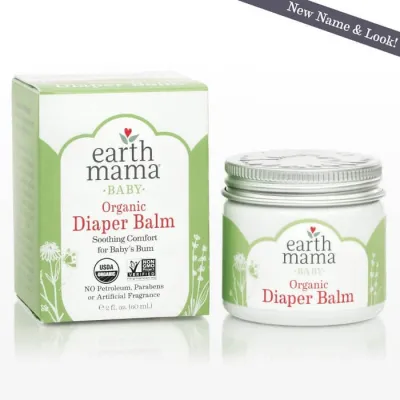
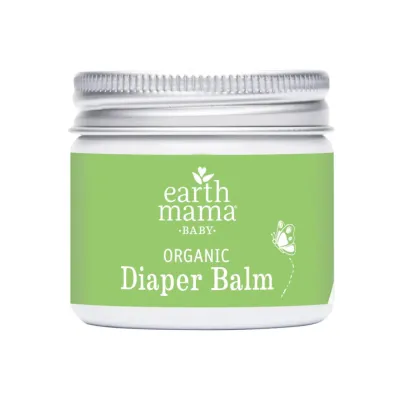
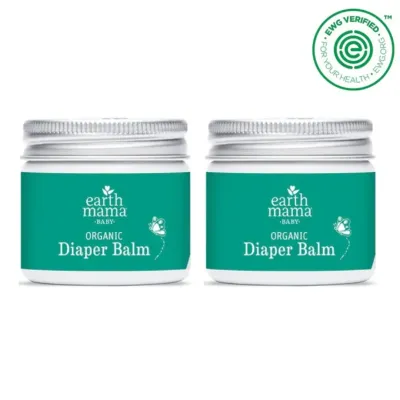
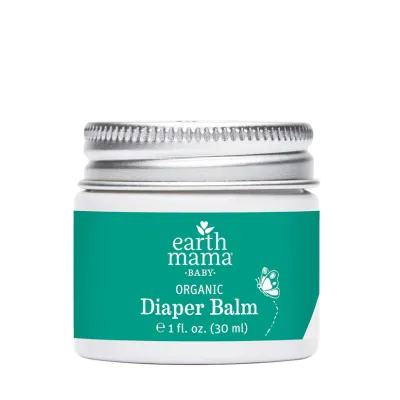
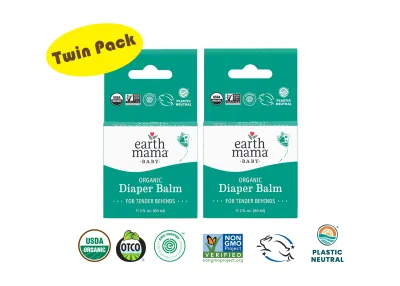
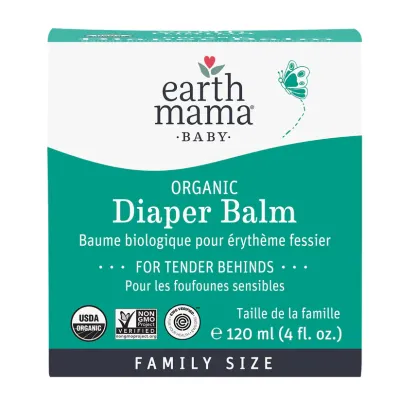
Prices are valid at publication and may change. Please refer to the product page for the latest price.
Mild friction irritation typically presents as light redness or chafing along the edges of the diaper, where the material rubs against the thighs or waist. This type of irritation often responds well to simple friction-reducing balms that soften the skin and provide a smooth glide. In contrast, moisture-induced irritation usually appears as a more generalized pinkness across the entire diaper contact area, requiring a product that can manage wetness.
It is also important to differentiate between standard chafing and potential allergic reactions or contact dermatitis. An allergic reaction may manifest as localized swelling, intense redness, or tiny bumps immediately following the introduction of a new diaper brand, wipe, or skincare product. If your baby has a known sensitivity to specific botanical extracts, synthetic fragrances, or preservatives, you must carefully scrutinize every product label before application.
The humid climate in Singapore can exacerbate these issues by trapping sweat and moisture inside the diaper. This environmental factor makes frequent diaper changes and thorough drying even more critical. Understanding whether your baby’s skin is reacting to friction, excess moisture, or an ingredient sensitivity is the first step in selecting the most appropriate soothing agent.
Evaluating Earth Mama Balm: Label Checks and Texture
When evaluating Earth Mama Balm, the product label is your primary source of reliable information. This balm is widely recognized for its plant-based formulation, but parents must verify the specific ingredients to ensure compatibility with their baby’s skin. Carefully review the ingredient list for plant-derived oils, herbal extracts, and natural butters, checking for any components that your baby might be sensitive to.

Because plant-based products often contain botanical extracts such as calendula or lavender, individual skin reactions can occur even with natural ingredients. If your baby has extremely sensitive skin or a family history of eczema, performing a patch test on a small, unaffected area of skin is a prudent step. Always check the manufacturer’s packaging for specific age recommendations and usage guidelines to ensure the product is suitable for your baby’s developmental stage.
Storage conditions are another crucial factor to verify on the product label, especially in warm tropical environments. Plant-based balms that rely on natural oils and beeswax can change consistency when exposed to heat, sometimes becoming grainy or melting entirely. Checking the label for storage instructions will help you determine if the balm needs to be kept in a cool, dark cupboard or if it can withstand typical room temperatures.
The texture and consistency of Earth Mama Balm also play a significant role in your daily diapering routine. Unlike thick, pasty creams, this balm typically has an oily, smooth texture that melts upon contact with the skin. This makes it easy to spread gently without dragging or pulling on delicate skin, but it also means it may leave a slick residue that requires different wiping techniques during subsequent diaper changes.
Comparing Earth Mama Balm with Other Diaper Cream Categories
To make an informed choice, it is helpful to contrast plant-based balms with traditional diaper cream categories. Traditional barrier creams often fall into two main groups: zinc oxide-based pastes and petroleum-based ointments. Each category has distinct physical properties, absorption rates, and protective mechanisms that suit different diapering scenarios.
Zinc oxide creams are characterized by their thick, white, and opaque consistency. They do not absorb into the skin; instead, they sit on the surface to form a physical, water-resistant shield that blocks moisture from feces and urine. This makes them highly effective for overnight use or during long stretches between changes, though they can be difficult to wipe off completely and may require a more thorough cleansing routine.
Petroleum-based ointments offer a semi-translucent, greasy barrier that helps seal in the skin’s natural moisture while keeping external wetness out. They glide on easily and are often used for both prevention and mild irritation. In comparison, plant-based balms like Earth Mama Balm tend to absorb more readily into the upper layers of the skin, providing hydration while leaving a lighter, non-opaque protective film.
When comparing these categories, you should also evaluate label claims regarding fragrance, hypoallergenic status, and third-party certifications. While many plant-based balms highlight organic ingredients, traditional creams may focus on being fragrance-free or dermatologist-tested. It is important to remember that terms like “hypoallergenic” are not universally standardized, so verifying the actual ingredient list remains the most reliable way to protect your baby’s skin.
Decision Framework: Which Balm Fits Your Baby's Routine?
Choosing between Earth Mama Balm and other diaper creams requires a clear decision framework based on your baby’s current skin condition and your lifestyle preferences. No single product is a universal solution for every diaper change, and many parents find it useful to keep more than one type of cream on hand.
You should consider choosing Earth Mama Balm if your primary goal is daily skin maintenance and friction prevention. Its lightweight, plant-based formula is ideal for babies with normal to dry skin who do not currently have a severe rash but need a gentle lubricant to prevent chafing. It is also a preferred option for parents who prioritize organic, plant-derived ingredients and prefer a product that is easy to spread and wash off.
Conversely, traditional thick barrier creams, particularly those containing zinc oxide, are better suited for situations requiring a robust physical shield. If your baby is experiencing frequent loose stools, teething-related diaper irritation, or is sleeping through the night without a diaper change, a thick paste provides the necessary barrier to protect the skin from prolonged exposure to wetness.
However, there are scenarios where neither product is appropriate. If your baby’s skin is broken, bleeding, oozing, or showing signs of a severe, spreading rash, you should avoid applying standard diaper creams and consult a pediatrician immediately. Always seek professional medical advice before introducing new skincare products if your baby has a history of severe allergies or chronic skin conditions.
Safe Application, Monitoring, and When to Seek Help
Proper application technique is just as important as choosing the right product for maintaining healthy skin. Before applying any balm or cream, ensure the diaper area is completely clean and dry. Applying a barrier product over trapped moisture can lock wetness against the skin, potentially worsening irritation rather than preventing it.
When applying Earth Mama Balm or any other diapering product, use clean hands and apply a thin, even layer over the areas prone to redness or friction. Avoid rubbing the product vigorously into the skin; instead, use gentle, patting motions to minimize irritation. If you are using a thick zinc oxide paste, apply it generously enough to form a visible white layer that prevents the diaper from touching the skin directly.
After introducing a new product, closely monitor your baby’s skin during subsequent diaper changes. Look for positive signs of improvement, such as a reduction in redness or a smoother skin texture. At the same time, watch for any adverse reactions, such as increased redness, swelling, or the appearance of a new rash, which may indicate an ingredient sensitivity.
You must stop using the product immediately and consult a healthcare professional if the diaper rash does not improve within a few days, or if it worsens despite regular care. Prompt medical attention is necessary if you observe signs of infection, such as pus, blisters, a fever, or if the baby seems unusually uncomfortable or in pain during diaper changes.
Frequently Asked Questions (FAQ)
Is Earth Mama Balm Suitable for Newborns?
To determine if Earth Mama Balm is suitable for a newborn, you should carefully review the manufacturer’s product label for specific age recommendations. Newborn skin is exceptionally thin, delicate, and highly permeable, making it more sensitive to topical ingredients than older babies’ skin. It is highly recommended to consult your pediatrician before applying any new skincare products, including plant-based balms, to a newborn’s skin to ensure it is safe and appropriate for their developmental stage.
Should You Wipe Off All Residual Cream During Changes?
When managing residual diaper cream during changes, you should refer to the manufacturer’s specific cleaning instructions for the product you are using. Generally, it is not necessary to aggressively scrub off all clean, leftover barrier cream if the area is not soiled with feces. Aggressive wiping can cause mechanical irritation and damage the skin’s natural barrier; instead, gently wipe away soiled areas and loose debris, leaving a clean base before applying a fresh layer of balm.
How Do Plant-Based Balms Compare to Zinc Oxide Creams?
The comparison between plant-based balms and zinc oxide creams depends largely on your baby’s individual skin type and the underlying cause of any skin irritation. Plant-based balms typically focus on skin conditioning, hydration, and reducing friction with lightweight oils, making them excellent for daily maintenance. Zinc oxide creams, on the other hand, provide a heavy, non-absorbent physical barrier designed to block moisture, which is often preferred for active irritation or prolonged wetness. Always check product labels to understand their intended use and active properties.

Community discussion
Share your experience or ask a question. Comments are reviewed before publication.