
Choosing between Earth Mama balm and other diaper balms depends on your baby’s skin sensitivity, the severity of the rash, and your preference for ingredient types. There is no single universal winner; the right choice aligns with specific daily care needs, diaper types, and pediatrician advice. While some parents prefer plant-based, botanical formulations for daily maintenance, others require heavy-duty zinc oxide or petrolatum-based barriers to manage acute flare-ups. Understanding how these formulations interact with your baby’s skin and your diapering routine is key to keeping your little one comfortable.
Key Factors to Compare When Choosing a Diaper Balm
The diaper area is a challenging environment due to constant exposure to moisture, friction, and digestive enzymes. A diaper balm’s primary job is to act as a physical shield, but the choice of ingredient base dictates how this shield performs. Plant oils (such as olive, jojoba, or sunflower oil) and beeswax offer a breathable, semi-permeable layer that allows the skin to function naturally while repelling light moisture. In contrast, petrolatum forms a highly occlusive seal that completely blocks moisture from entering or leaving the skin, while zinc oxide adds a physical powder barrier that deflects wetness and calms irritation.
Texture and spreadability are equally important when evaluating any diaper balm. A thick, sticky paste requires firm pressure to apply and remove, which can cause friction and discomfort on already sensitized skin. A smooth, oil-based balm glides on effortlessly, minimizing physical irritation during application.
Products mentioned in this guide
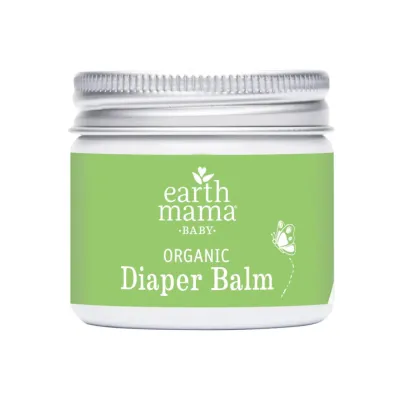
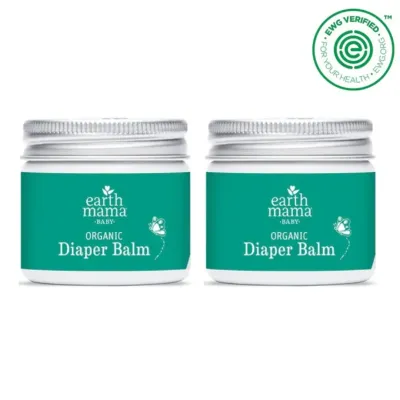
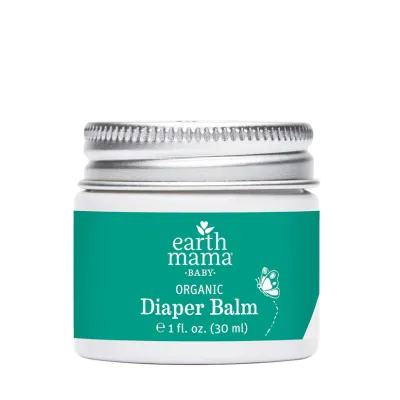
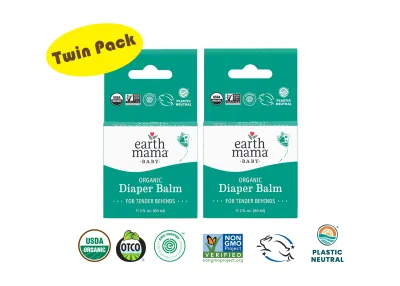
![[2-Pk] Earth Mama Organic Baby Diaper Balm Exp: 08/28](https://img.lazcdn.com/g/p/2d48adbcc8597e70ce76e65e1f4345d2.png_400x400q80.png_.webp)
Prices are valid at publication and may change. Please refer to the product page for the latest price.
Finally, diaper compatibility is a major consideration. Parents using cloth diapers must be cautious, as certain ingredients can build up on fabric fibers, reducing absorbency and causing leaks. Cleanup is another factor, especially in warm, humid climates where frequent diaper changes are standard. Some heavy creams require soap and water to remove completely, while lighter balms wipe away easily.
Earth Mama Balm Profile: What to Check on the Label
When evaluating Earth Mama balm, parents should carefully inspect the ingredient list on the packaging. The formulation typically features a base of organic olive oil, organic shea butter, and organic beeswax, enriched with herbal extracts such as organic calendula, organic St. John’s wort, and organic chickweed. These botanical ingredients are traditionally utilized for their skin-soothing and mild moisturizing properties.

However, because plant-derived ingredients contain natural complex compounds, they can occasionally trigger sensitivities in babies with highly reactive skin or eczema. It is highly recommended to perform a patch test by applying a tiny amount of the balm to a small, unaffected patch of skin, such as the inner forearm, and waiting 24 hours to check for redness or irritation.
Additionally, parents should verify the manufacturer’s instructions regarding age suitability, application frequency, and specific usage warnings. Some herbal balms are formulated for babies of all ages, while others may have specific guidelines for newborns. Checking these details ensures the product is used safely and effectively within your daily routine.
How Earth Mama Balm Compares to Other Common Formulations
Plant-based balms like Earth Mama differ significantly from traditional diaper creams in their physical properties and barrier mechanisms. While plant oils and waxes create a breathable, flexible layer, heavy occlusives like petrolatum and zinc oxide form a dense, impermeable wall. This functional difference affects how you monitor and manage your baby’s skin.
For instance, transparent or semi-translucent balms allow you to see the skin underneath clearly, making it easier to monitor redness and healing without having to wipe away the product. Opaque white pastes, on the other hand, completely mask the skin, requiring thorough removal to assess the state of a rash. Furthermore, the ease of cleanup varies widely; lighter oil-based balms wash away easily with mild baby soap, whereas heavy zinc pastes often require more vigorous cleansing, which can irritate delicate skin.
Plant-Oil and Beeswax-Based Balms
Plant-oil and beeswax-based formulations are characterized by their high breathability and skin-conditioning properties. Unlike synthetic occlusives, these natural ingredients allow the skin to breathe while still providing a protective barrier against external moisture. The oils are partially absorbed by the outer layers of the skin, delivering essential fatty acids that support the skin’s natural lipid barrier, while the beeswax sits on the surface to repel wetness.
This makes them exceptionally well-suited for daily preventative care, keeping healthy skin soft and resilient. They are also ideal for addressing mild redness or chafing before it develops into a full-blown rash. However, because they do not form an absolute, impermeable seal, they may not provide sufficient protection during severe, weeping diaper rashes where the skin is highly compromised and requires a heavy-duty moisture block.
Zinc Oxide and Petrolatum-Based Creams
Traditional diaper creams rely heavily on zinc oxide and petrolatum to manage active diaper dermatitis. Zinc oxide is a mineral that does not absorb into the skin; instead, it sits on the surface as a physical barrier, deflecting moisture, urine, and fecal enzymes. It also has mild astringent properties that help dry out wet, weeping rashes. Petrolatum acts as a powerful occlusive, locking in the skin’s natural moisture while completely shutting out external wetness.
These ingredients are highly effective for treating moderate-to-severe rashes where the skin barrier is broken and needs immediate, robust protection. However, these formulations come with trade-offs. They are thick, sticky, and notoriously difficult to wash off both the baby’s skin and clothing. If you use cloth diapers, zinc oxide and petrolatum can permanently stain and clog the fabric fibers, rendering them water-repellent and causing diaper leaks unless a protective liner is used.
Decision Framework: Which Diaper Balm Fits Your Baby's Needs?
To help you navigate these options, consider this practical decision framework based on your baby’s current skin condition and your diapering setup.
Choose Earth Mama or similar plant-based balms if:
- Your primary goal is daily prevention and maintaining healthy skin.
- You prefer a lightweight, breathable barrier that is easy to apply and wash off.
- Your baby has mild redness or chafing that does not require a heavy moisture block.
- You use cloth diapers and want a balm that is generally more compatible with fabric washing routines (though verification is still required).
Choose zinc oxide or petrolatum-based creams if:
- Your baby has an active, moderate-to-severe diaper rash with significant redness and irritation.
- You need a thick, impermeable barrier to protect the skin from constant wetness, especially overnight or during long stretches between changes.
- A pediatrician or healthcare provider has recommended a specific barrier paste to treat diaper dermatitis.
Neither option may be suitable if:
- The skin in the diaper area is broken, bleeding, oozing, or showing signs of a secondary infection. In these cases, cosmetic balms cannot replace targeted medical treatments, and you should seek professional medical advice.
Verify first before applying:
- Check the ingredient list for potential plant allergies if your baby has sensitive skin or eczema.
- If using cloth diapers, always check the diaper manufacturer's care guidelines. Even plant-based balms can sometimes leave residues on certain synthetic fabrics, so using a disposable or fleece liner is a safe precautionary measure.
Safe Application and When to Consult a Pediatrician
Applying diaper balm safely requires more than just choosing the right product; the application technique itself plays a critical role in skin health. Before applying any balm or cream, ensure the diaper area is thoroughly clean and completely dry. Trapping moisture beneath a barrier layer—whether it is a plant-based oil or a heavy petrolatum—can create a warm, damp environment that encourages bacterial and fungal growth, potentially worsening the rash. This is particularly important in warm, humid climates like Singapore, where moisture evaporates slowly. Gently pat the skin dry with a clean, soft towel or allow it to air-dry completely before application. Apply a thin, even layer of the balm, focusing on areas prone to chafing and wetness.
If your baby’s rash does not improve within a few days, or if you notice signs of a fungal or bacterial infection—such as bright red skin with distinct borders, small red bumps (satellite lesions) spreading beyond the diaper area, peeling, or pustules—stop using the balm and consult a pediatrician. A healthcare provider can diagnose the underlying cause and prescribe appropriate treatments, such as antifungal or mild topical steroid creams, which should not be combined with over-the-counter balms without professional guidance.
Frequently Asked Questions (FAQ)
Can I use Earth Mama balm with cloth diapers?
Yes, Earth Mama balm is generally considered more compatible with cloth diapers than traditional zinc oxide or petrolatum-based creams because its plant oils and beeswax wash out of fabrics more easily. However, some synthetic diaper fabrics, such as microfleece or polyester suedecloth, can still experience oil buildup over time, which may affect their absorbency and cause diaper leaks. To prevent this, it is highly recommended to check your cloth diaper manufacturer’s specific care guidelines. If you are concerned about buildup, using a biodegradable disposable liner or a reusable fleece liner can protect the diaper fabric while allowing you to use the balm safely.
How often should I apply diaper balm during a rash?
During an active diaper rash, the standard practice is to apply a protective layer of balm or cream after every single diaper change. This ensures that the baby’s skin remains continuously shielded from the irritating effects of urine and stool. Always clean and dry the skin thoroughly before each reapplication to avoid trapping moisture. Be sure to read the specific product’s label directions for any usage limits, and adjust your routine based on your pediatrician’s advice. For daily preventative care when no rash is present, applying the balm once or twice a day—such as before bedtime or during long car rides—is often sufficient to maintain a healthy skin barrier.

Community discussion
Share your experience or ask a question. Comments are reviewed before publication.