
Drypers SuperDry stands out in Singapore’s highly competitive diaper market as a reliable, cost-effective option known for its robust overnight absorbency. However, choosing the absolute best diaper is never a one-size-fits-all decision; it depends heavily on your baby’s unique skin sensitivity, physical movement level, current bladder capacity, and your household budget.
While Drypers SuperDry offers exceptional value and high-capacity fluid retention, other popular options like MamyPoko and Pampers excel in different areas. MamyPoko is widely celebrated for its plush, cloth-like softness and ultra-stretchy waistbands, whereas Pampers is often preferred for its incredibly slim, lightweight profile and rapid moisture-wicking capabilities.
Because every baby’s physical build and developmental stage differ, understanding how these brands compare across key performance dimensions is crucial. Let us break down how each brand performs in real-world scenarios so you can make an informed choice for your little one.
Products mentioned in this guide
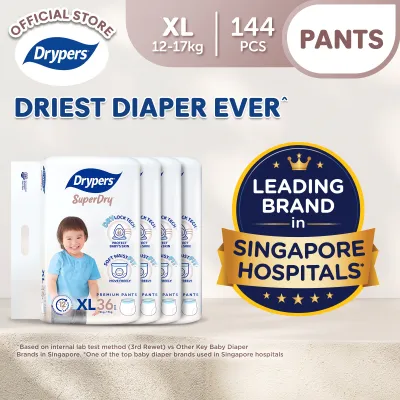
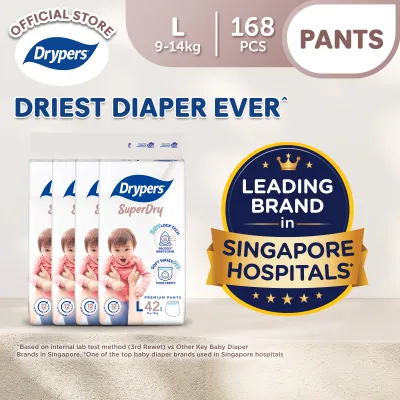
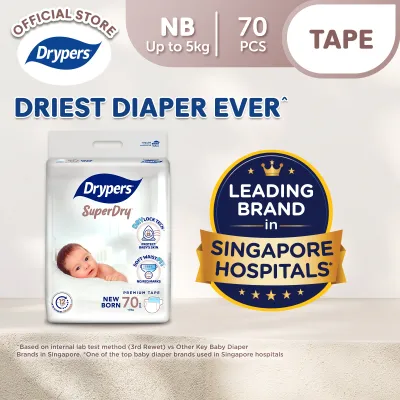
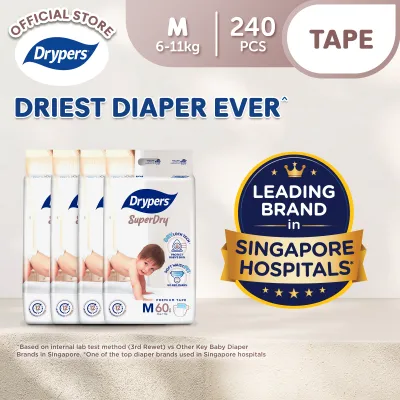
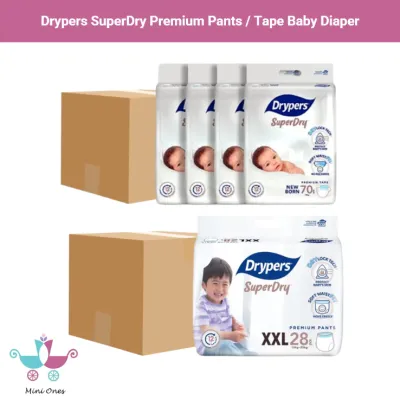
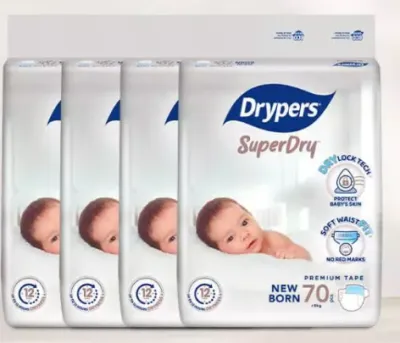
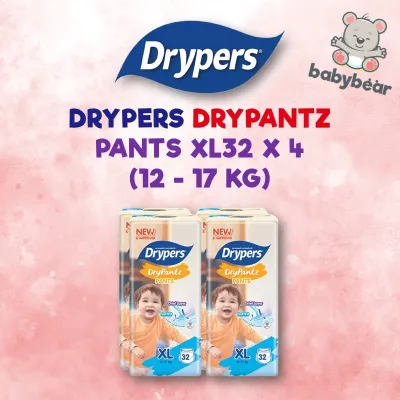
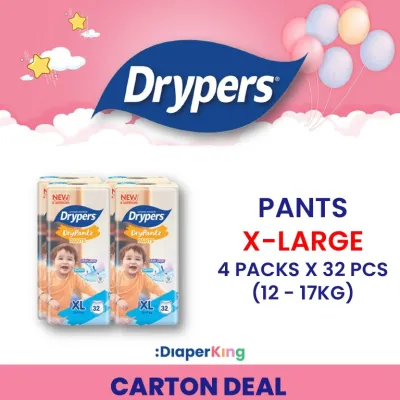
Prices are valid at publication and may change. Please refer to the product page for the latest price.
Quick Answer: Matching the Right Diaper to Your Baby's Needs
Finding the perfect diaper involves balancing several competing factors. Your baby’s daily routine, physical shape, and skin health will dictate which brand feels most comfortable and keeps them dry throughout the day and night.
Drypers SuperDry is generally engineered with a focus on high absorbency and long-lasting dryness, making it a popular choice for parents seeking an affordable, heavy-duty diaper that can handle long stretches of sleep. It is particularly well-suited for families looking to maximize their diaper budget without sacrificing overnight reliability.
In contrast, MamyPoko places a premium on physical comfort and flexibility. Its diapers are often designed with exceptionally soft, cloth-like materials and generous stretch zones that accommodate active babies, particularly those with rounder bellies or chunkier thighs.
Pampers takes a different design approach, focusing on an ultra-thin, contoured profile. This slim design minimizes bulk between the legs, allowing for unrestricted movement, while utilizing fast-acting dry-top sheets that quickly draw liquid away from delicate skin to prevent wetness-induced irritation.
It is important to remember that these are general brand characteristics. Your baby’s unique anatomy, sleeping positions, and activity levels will ultimately determine how well a diaper fits and performs. By diving deeper into the specific dimensions of absorbency, fit, and cost, you can align these brand strengths with your baby’s immediate developmental needs.
Absorbency and Leak Protection: Overnight vs. Daytime Performance
Absorbency is arguably the most critical function of any disposable diaper. A diaper must not only absorb liquid quickly but also lock it away securely to prevent rewetting—where moisture is squeezed back onto the baby’s skin under their body weight.

Drypers SuperDry utilizes a core design featuring targeted absorption zones and a rapid dry-top sheet. This system is engineered to distribute liquid evenly across the core, drawing wetness deep into the absorbent material and away from the surface. To verify these performance claims in your own home, you can perform a simple check: after a full night of sleep (typically 8 to 12 hours), feel the diaper’s outer weight and gently touch the inner lining with a dry tissue. A high-performing diaper will feel heavy with locked-in liquid, yet the inner surface should remain remarkably dry to the touch.
MamyPoko approaches absorbency with technology designed to prevent the diaper from sagging as it fills. By using specialized channels that distribute liquid evenly along the length of the core, MamyPoko aims to maintain the diaper’s structural integrity. This even distribution is particularly beneficial for active toddlers, as it prevents the heavy “wet bag” effect that can pull the diaper down and cause gaps at the waist.
Pampers, on the other hand, is renowned for its proprietary lock-away channels. These channels are engineered to absorb liquid instantly and lock it deep within the core’s Super Absorbent Polymer (SAP) beads. This design ensures that even when the diaper is subjected to pressure—such as when a baby sits, rolls, or crawls—the moisture remains trapped, keeping the baby’s skin dry and minimizing the risk of diaper rash.
When choosing between styles, keep in mind that tape diapers allow a more customized fit at the waist, which can help prevent leaks for newborns and younger infants who spend most of their time lying down. On the other hand, pants diapers—often favored once babies start crawling or standing—feature a 360-degree elastic waistband that distributes tension more evenly but requires precise sizing to prevent sagging.
When monitoring your baby’s diaper performance, there are several physical signs to watch out for. Excessive sagging is a clear indicator that the diaper’s core has reached its functional limit or that the liquid is not distributing properly. Another critical sign is gel leakage, where tiny, clear SAP beads escape the core and end up on your baby’s skin. While these beads are non-toxic, their presence indicates that the diaper’s physical barriers have broken down, often due to oversaturation or physical stress on the diaper.
Additionally, look for red marks around the waist or thighs after a long period of use. A heavy, wet diaper can pull downward, causing the elastic bands to dig into your baby’s skin. If you notice these red marks or experience frequent leaks even when the diaper is not completely full, it may be a sign that the diaper’s absorbency capacity no longer matches your baby’s growing bladder.
It is vital to recognize that a baby’s absorbency requirements are dynamic. A diaper brand or size that provides flawless overnight protection for a three-month-old may struggle to keep up at nine months, as the baby’s single-void volume increases significantly. Regularly assessing your baby’s wetness levels and adjusting your diaper choice or sizing accordingly will help maintain skin health and prevent sleep-disrupting leaks.
Comfort, Fit, and Breathability in a Humid Climate
Singapore’s tropical climate, characterized by high temperatures and persistent humidity, presents a unique challenge for diaper wearers. Trapped heat and moisture can quickly lead to skin irritation, chafing, and heat rash. Therefore, a diaper’s fit and breathability are just as important as its absorbency.
MamyPoko has built a strong reputation among local parents for its exceptionally soft, stretchy waistbands and leg gathers. This design is highly forgiving for babies with chunky thighs or rounder tummies, as the elastic stretches easily to accommodate movement without digging into the skin. The cloth-like texture of the outer cover also reduces friction against the skin, which is a common trigger for localized redness and irritation.
Pampers offers a contrasting fit profile, focusing on a slim, contoured shape. By reducing the overall bulk of the diaper, Pampers aims to mimic the natural curves of a baby’s body. This slim profile is particularly advantageous for babies who are learning to roll, crawl, or walk, as there is less material bunched between their legs to restrict their natural gait.
Drypers SuperDry balances its high-capacity core with specific breathability features designed for warm climates. The diaper is constructed with micro-pores on the back sheet, which are engineered to allow hot air and moisture vapor to escape while keeping liquid safely contained inside. This continuous air circulation helps keep the baby’s skin cool and dry, reducing the likelihood of sweat rash in Singapore’s humid conditions, especially when playing in non-air-conditioned environments like local parks or outdoor playgrounds.
To ensure your baby is comfortable, establish a practical checklist to run through during diaper changes:
- Check for red marks: Inspect the inner thighs, groin creases, and lower back for deep, persistent red lines left by tight elastics.
- Observe movement: Watch your baby play; if they seem to struggle to sit comfortably or if the diaper bunches awkwardly, the fit may be incorrect.
- Monitor skin temperature: Feel the skin under the diaper during a change; if it feels excessively hot, sweaty, or clammy, the diaper’s breathability may be insufficient.
- Look for localized rash: Pay close attention to areas where the diaper’s edges touch the skin, as friction combined with sweat can quickly cause localized rashes.
Remember that comfort is highly subjective and depends entirely on your baby’s unique body shape. A diaper that fits a baby with a slender build perfectly might gap at the legs of a more robust baby, leading to leaks. Conversely, a diaper designed for thicker thighs might bunch up and cause chafing on a slimmer baby. Finding the right fit often requires experimenting with different brands to see how their specific cuts align with your baby’s physical frame.
Calculating True Value and Cost per Diaper
With babies going through thousands of diapers before they are toilet trained, diapering costs represent a significant portion of a young family’s monthly budget. To make an accurate financial comparison, parents must look beyond the shelf price of a single pack and calculate the true cost per diaper.
To calculate the cost per diaper, divide the total price of the pack by the number of diapers inside. Because diaper manufacturers pack different quantities depending on the size (with larger sizes having fewer diapers per pack) and the product line, comparing pack prices directly can be highly misleading. For example, if a pack of 60 diapers costs S$18, the cost per diaper is S$0.30. If a premium pack of 40 diapers costs S$22, the cost per diaper is S$0.55. Over a month of using six diapers a day, this difference of S$0.25 per diaper adds up to S$45 in savings, which can be redirected to other baby essentials like formula or wipes.
In Singapore, diaper prices can vary widely depending on where and when you shop. Major supermarkets like FairPrice and Cold Storage, along with local pharmacies such as Watsons and Guardian, frequently run promotional discounts, bundle deals, or loyalty program rewards. Additionally, official brand stores on major e-commerce platforms often offer exclusive online vouchers, subscription discounts, and massive price drops during monthly shopping festivals. Taking advantage of these sales can significantly lower your long-term diapering expenses.
While it can be tempting to stock up on a great deal, parents should exercise caution before bulk-buying a new brand or a larger size. Babies grow at unpredictable rates, and a size that fits perfectly today might become too tight within a couple of weeks, leaving you with unused packs. Furthermore, your baby’s skin might develop an unexpected sensitivity or allergic reaction to a specific brand’s materials or fragrances. It is always safest to test a single pack thoroughly before committing to a bulk purchase.
It is also important to compare equivalent product tiers when evaluating value. Most major brands offer both standard and premium product lines—such as Pampers Premium Care versus Pampers Baby-Dry, or MamyPoko Royal Soft versus MamyPoko Standard. Premium lines naturally command a higher price point due to their use of ultra-soft materials, advanced wetness indicators, and specialized skin-protection technologies. When comparing Drypers SuperDry to its competitors, ensure you are comparing it to standard-tier products to get an accurate picture of its value proposition.
Decision Framework: Which Brand Fits Your Priorities?
To finalize your diaper purchasing decision, it helps to align each brand’s strengths with your family’s specific priorities, your baby’s physical needs, and your daily routine. Use the following conditional framework to guide your choice:
Choose Drypers SuperDry if:
- Your primary goal is securing reliable overnight leak protection without paying premium prices.
- Your baby has a high urine output, requiring a diaper with a robust, high-capacity absorbent core.
- You want a highly cost-efficient diaper that delivers consistent daytime and nighttime performance for budget-conscious households.
Choose MamyPoko if:
- Your baby has sensitive skin that is prone to friction-induced redness and chafing from diaper edges.
- You prioritize an ultra-soft, cloth-like feel with highly elastic waistbands that comfortably fit active, growing babies.
- You do not mind a slightly bulkier diaper profile in exchange for superior physical comfort and a secure, wrap-around fit.
Choose Pampers if:
- You prefer a very slim, lightweight diaper that minimizes bulk and allows your baby complete freedom of movement during active play.
- Your baby’s skin responds best to fast-wicking, dry-top-sheet technologies that pull moisture away instantly.
- You are comfortable paying a slightly higher price per piece for a streamlined, modern diaper design.
Verify first if:
- Your baby has a history of severe, persistent, or unexplained diaper rash. In these cases, do not rely solely on general brand comparisons or marketing claims.
- Always consult a pediatrician or a qualified healthcare professional to identify potential triggers and receive medical advice.
- Look for diapers that carry specific dermatological testing labels, hypoallergenic certifications, or fragrance-free formulations, and carefully inspect the product's packaging for manufacturer warnings and ingredient lists before use.
Safe Testing and Transitioning Tips for Parents
Switching to a new diaper brand or transitioning up to a larger size should always be done carefully to protect your baby’s delicate skin and prevent unexpected leaks.
When trialing a new diaper, always purchase the smallest available pack size first. Many brands also offer sample packs through their official websites or parenting clubs, which is an excellent, low-risk way to test the fit and material before spending money on a full pack.
Once you have the new diapers, initiate a three-day observation period. During this trial, use the new diaper during both active daytime play and long, uninterrupted nighttime sleep. Carefully monitor your baby for any signs of skin redness, localized irritation, or fit issues like gaping at the legs or sagging at the waist. If you notice any adverse skin reactions, stop using the diaper immediately and consult a medical professional.
Finally, keep in mind that frequent diaper changes remain the single most effective, evidence-backed strategy for preventing diaper rash. No matter how advanced a diaper’s absorbency technology is or how dry its top sheet claims to be, leaving a wet or soiled diaper on a baby for too long will inevitably irritate their skin. Regularly checking and changing your baby’s diaper—especially after bowel movements—is far more critical to their skin health than any brand’s marketing promises.
Frequently Asked Questions (FAQ)
Can I use Drypers SuperDry for overnight sleep and Pampers for daytime?
Yes, mixing and matching diaper brands is a highly practical and popular strategy among parents in Singapore. Using a high-capacity, budget-friendly diaper like Drypers SuperDry for long overnight stretches ensures your baby stays dry and sleeps soundly without breaking the bank. Meanwhile, using a slimmer, more flexible diaper like Pampers during the day allows your baby to crawl, walk, and play with maximum physical freedom. This hybrid approach optimizes both your baby’s comfort and your household diapering budget.
How do I know if I need to size up my baby's diaper?
There are several clear, physical signs that indicate it is time to move up to the next diaper size. Look out for deep, persistent red marks around your baby’s thighs or waist, which suggest the elastics are too tight. Frequent leaks or blowouts—even when the diaper is not fully saturated—often mean the diaper’s physical coverage is no longer sufficient. Additionally, if the waistband sits too far below the belly button or if you struggle to fasten the tape tabs comfortably, your baby has likely outgrown the current size. Remember that the weight ranges printed on diaper packaging are general guidelines; your baby’s unique body shape, tummy roundness, and thigh thickness are the true indicators of a proper fit.

Community discussion
Share your experience or ask a question. Comments are reviewed before publication.