
Finding the right diaper for your baby in Singapore’s humid climate is a balancing act between absorbency, skin comfort, and household budget. While Drypers, Pampers, and Mamypoko are household names across the island, no single brand holds a universal crown. The ideal choice depends heavily on your baby’s unique body shape, skin sensitivity, and daily activity levels. By understanding how each brand designs its products, you can build a customized diapering strategy that keeps your baby dry and comfortable day and night.
Quick Verdict: Matching Diaper Brands to Your Baby's Needs
Selecting between Drypers, Pampers, and Mamypoko comes down to matching their specific design philosophies with your baby’s daily routine. For active daytime wear where mobility and a slim profile are key, a lighter diaper with high stretch is often preferred. Conversely, for long overnight stretches, parents typically look for maximum core capacity and robust leak guards, even if the diaper feels slightly bulkier.
Because every baby has a unique physical build—from chubby thighs to slim waists—a diaper that fits one infant perfectly might cause leaks or red marks on another. Furthermore, manufacturers frequently update their materials, waistband designs, and absorbent technologies. It is always wise to check the latest packaging details and product lines rather than relying solely on historical reviews.
Products mentioned in this guide
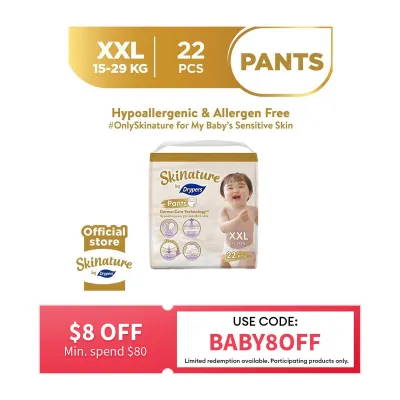
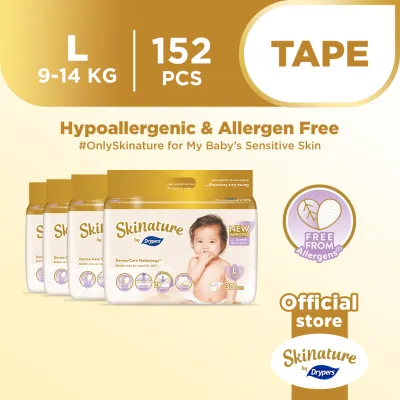
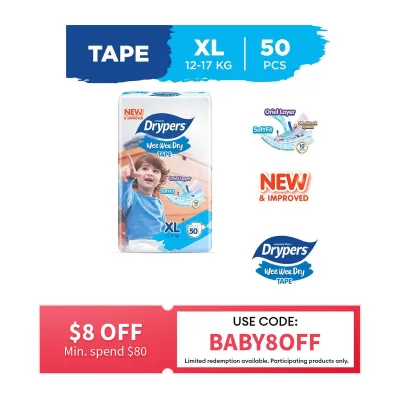
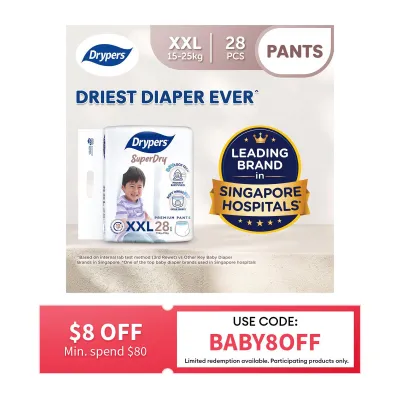
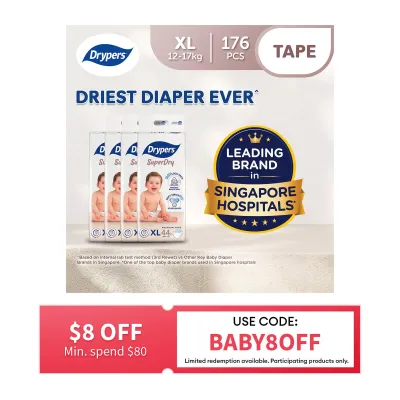
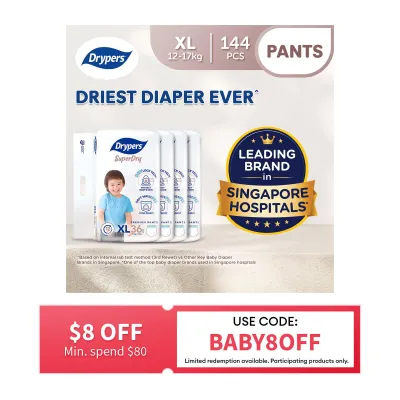
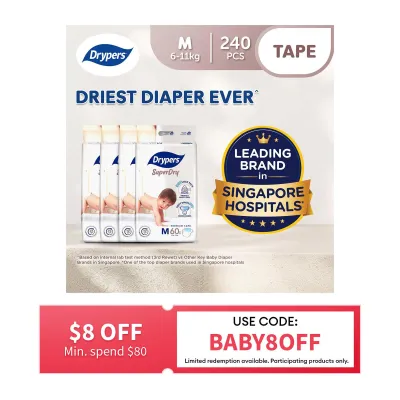
Prices are valid at publication and may change. Please refer to the product page for the latest price.
Core Comparison Dimensions: Absorbency, Fit, and Skin Comfort
To make an objective comparison, parents must look past marketing buzzwords and focus on observable design features. Evaluating a diaper involves assessing three primary pillars: how it absorbs moisture, how it conforms to your baby’s body, and how it treats delicate skin in a tropical environment.

Absorbency is not just about how much liquid a diaper can hold, but how quickly it draws wetness away from the skin. Look for diapers featuring specialized distribution channels, which prevent liquid from pooling in one spot and causing the diaper to sag. High-quality leak guards—the elasticized barriers around the legs—are equally critical; they should stand upright to catch sudden messes. Many modern diapers also include a wetness indicator line on the exterior that changes color when wet, helping you avoid unnecessary changes.
Fit and mobility dictate how well the diaper moves with an active baby. A diaper with excellent waistband elasticity and flexible side tabs will stay secure without restricting breathing or digestion. Pay close attention to the leg cuffs; they must be snug enough to prevent leaks but soft enough to avoid chafing. A bulky diaper might offer high capacity but can sometimes restrict a crawling or walking baby’s natural movements.
Skin comfort is paramount in Singapore’s year-round heat and humidity. Trapped moisture and heat can quickly lead to contact dermatitis or heat rash. When evaluating materials, feel the inner liner for softness and check the packaging for breathability claims, such as micro-pores that allow hot air to escape. If your baby has highly sensitive skin, prioritize fragrance-free and hypoallergenic options to minimize the risk of chemical irritation.
Drypers: Design Features and Ideal Use Cases
Drypers is a highly visible brand in Singapore, widely recognized for offering practical, everyday diapering solutions. When examining Drypers packaging, look for features highlighting customized fit systems, such as adjustable tape tabs and elastic waistbands designed to secure the diaper comfortably around the baby’s waist. Many of their product lines incorporate specialized absorbent channels designed to distribute liquid evenly.
Parents frequently observe that Drypers diapers provide a sturdy, reliable fit that holds up well during daytime play. The materials are designed to be durable, making them a popular choice for families seeking a balance between structural integrity and comfort. While some parents note that certain entry-level Drypers lines feel slightly more structured compared to ultra-thin alternatives, they offer dependable coverage for standard daily wear.
Given these design characteristics, Drypers is often highly suited for daytime routines. Because babies are changed more frequently during waking hours, a reliable, structurally sound diaper provides excellent utility. It allows for easy monitoring and frequent changes without stretching the household budget, making it a staple for active daytime use.
Pampers: Design Features and Ideal Use Cases
Pampers has long focused on technological innovation, particularly in minimizing diaper thickness while maximizing absorption speed. On their packaging, you will typically find references to unique absorbent channels and ultra-thin cores designed to lock wetness away rapidly. Their designs often feature highly stretchable side panels that conform closely to the baby’s natural contours.
Common feedback from parents highlights the lightweight, slim profile of Pampers diapers, which allows babies to move freely without bulky fabric bunching between their legs. The waistband security is highly regarded, particularly for babies who are transitioning from crawling to walking. Parents also note that the inner liners are exceptionally soft to the touch, which helps reduce friction against delicate skin during high-movement periods.
These features make Pampers an excellent candidate for both active daytime wear and transition periods. The slim design fits neatly under clothing, while the rapid absorption technology is beneficial for babies who dislike the sensation of wetness. It is particularly suited for parents who prioritize a low-profile, highly flexible diaper that mimics the feel of regular underwear.
Mamypoko: Design Features and Ideal Use Cases
Mamypoko is highly regarded for its focus on plush comfort and heavy-duty absorbency. Their packaging frequently highlights cotton-like softness, deep pocket designs to catch loose stools, and advanced airflow systems designed to release heat and moisture. Many of their premium lines feature extra-thick absorbent zones designed to handle multiple wettings over extended periods.
Parents often observe that Mamypoko diapers feel incredibly soft and cushiony, providing a gentle wrap around the baby’s waist and thighs. This makes them a frequent choice for babies with rounder builds, as the generous cuts and soft elastics rarely leave deep red marks. While the extra cushioning can make the diaper appear slightly bulkier than ultra-thin competitors, the trade-off is often a highly secure, leak-resistant fit.
Because of this substantial absorbent capacity and focus on skin breathability, Mamypoko is a popular choice for overnight use. The thick core can manage several hours of sleep without leaking, allowing both baby and parents to enjoy uninterrupted rest. It is also highly suited for long outings where immediate diaper changes might be challenging.
Evaluating Price per Diaper and Sizing Consistency
When managing household expenses in Singapore, comparing diaper prices requires looking beyond the shelf price of a single pack. Because pack sizes vary significantly between brands and diaper sizes, the only accurate way to measure value is to calculate the cost per individual diaper. To do this, divide the total price of the pack by the number of pieces inside. For example, a pack costing S$24 containing 60 diapers yields a cost of S$0.40 per piece, whereas a S$20 pack containing 40 diapers costs S$0.50 per piece. Keeping a simple spreadsheet or using your phone’s calculator at the supermarket can reveal substantial long-term savings.
Sizing consistency is another crucial factor that complicates direct comparisons. A “Size M” diaper is not uniform across Drypers, Pampers, and Mamypoko. Each brand uses its own proprietary cut, elastic tension, and weight guidelines. A baby who fits perfectly in a Pampers Size M might find a Drypers Size M too snug, or a Mamypoko Size M slightly loose. Always refer to the weight ranges printed on the packaging as a starting point, but let your baby’s physical build guide the final choice.
To secure the best value, avoid buying single packs at retail prices whenever possible. Instead, look for bulk purchasing options, carton deals, or subscription services on official brand stores and major online marketplaces. Many parents in Singapore find that buying by the carton during major online shopping events or setting up recurring monthly deliveries offers the most competitive pricing and saves the hassle of transporting bulky boxes home.
Final Decision Guide: Building Your Diaper Strategy
Finding the perfect diaper setup rarely happens on the first try. A highly effective approach is the trial pack strategy. Before committing to a full carton of any brand, purchase small travel packs or request samples directly from official brand websites. This allows you to test the diaper’s fit, absorbency, and skin compatibility over a few days without a significant financial commitment.
Many experienced parents also adopt a dual-brand strategy to optimize both comfort and budget. For instance, you might use a highly cost-effective, lightweight diaper like Drypers for daytime hours when changes are frequent, and switch to a high-capacity, ultra-soft diaper like Mamypoko or Pampers for overnight sleep or long stroller outings. This hybrid approach ensures your baby remains comfortable during high-risk leak periods while keeping daily diapering costs manageable.
Regardless of the brand you choose, always monitor your baby’s skin and behavior for clear stop conditions. If you notice persistent leaks despite correct fastening, deep red indentations around the waist or thighs, or recurring diaper rash that does not clear up with standard barrier creams, it is time to reassess. These signs indicate that the diaper’s fit or material composition is not compatible with your baby’s body shape or skin sensitivity. If skin irritation persists or worsens, stop using the brand immediately and consult a qualified pediatrician.
Frequently Asked Questions (FAQ)
Can I use different diaper brands for daytime and nighttime?
Yes, using different diaper brands for daytime and nighttime is a highly practical strategy. During the day, babies are active and changed frequently, making a thinner, highly flexible diaper ideal for preventing chafing and allowing free movement. At night, a diaper with a thicker, high-capacity absorbent core is preferable to handle long hours of sleep without leaking. When mixing brands, monitor your baby’s skin closely to ensure they do not react to the different materials or elastic designs used by each manufacturer.
How do I know if my baby needs to size up in a specific brand?
Your baby may need to size up if you observe physical signs of poor fit, even if their weight still falls within the range printed on the box. Look for deep red marks or indentations on your baby’s thighs or waist after removing the diaper. Frequent leaks or blowouts, especially when the absorbent core is not fully saturated, also indicate the diaper is too small to contain messes. Additionally, if the fastening tabs struggle to reach the designated landing zone on the front panel without pulling the waistband too tight, it is time to transition to the next size.

Community discussion
Share your experience or ask a question. Comments are reviewed before publication.