
Finding the right diaper for your baby in Singapore’s warm, humid climate is a highly individual process. While many parents compare Drypers SuperDry Size M with other popular brands to find the ultimate solution for absorbency and leak protection, the truth is that no single diaper performs identically for every infant. A diaper’s performance depends heavily on your baby’s unique body shape, active movement patterns, and individual urine volume rather than the brand name alone.
Because physical fit and daily usage conditions dictate how well a diaper prevents leaks, this guide avoids unverified performance claims. Instead, it provides a practical, observation-based framework to help you evaluate diaper structures, test fit at home, and make an informed decision based on your baby’s actual needs.
Key Features That Drive Absorbency and Leak Protection
To understand how different diapers perform, it helps to look at the physical and structural elements that make up a modern disposable diaper. The core of the diaper is responsible for drawing liquid away from the skin and locking it inside. Most brands use a blend of superabsorbent polymers (SAP) and wood pulp to achieve this. When liquid enters the core, the SAP particles absorb it and swell into a gel, preventing the liquid from squeezing back out when your baby sits or rolls.
Products mentioned in this guide



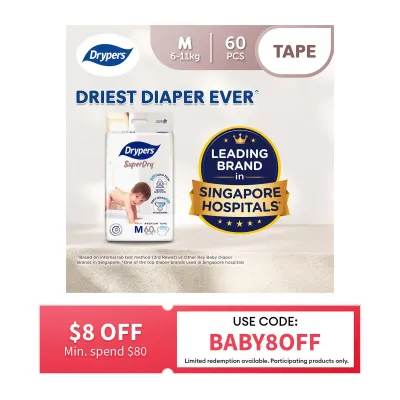

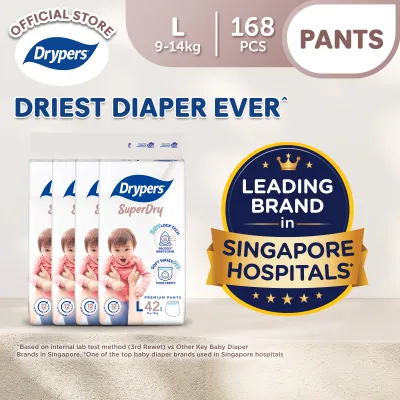
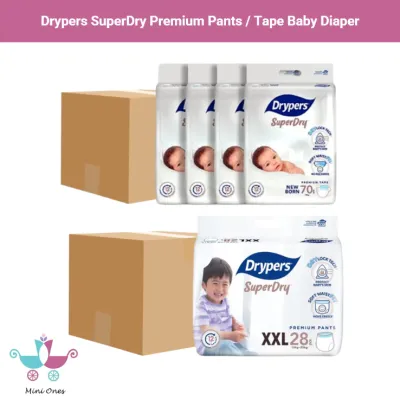
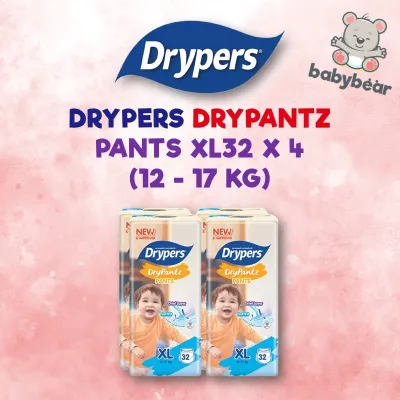
Prices are valid at publication and may change. Please refer to the product page for the latest price.
Beyond the core, the leg cuffs serve as the primary physical barrier against leaks. High-quality diapers typically feature a double-layered leg guard system. The inner cuff should stand upright against the baby’s skin to contain sudden liquid surges, while the outer cuff flares outward to provide a secondary seal. The flexibility and tension of the elastic in these cuffs determine whether they stay flush against the thigh during active play without leaving deep red marks.
In Singapore’s tropical climate, breathability is another critical feature to consider. A diaper with a breathable backsheet allows heat and moisture vapor to escape, which helps keep your baby’s skin cool and dry. Many diapers also include a wetness indicator line on the outside. This strip changes color when exposed to moisture, giving caregivers a clear visual cue that the diaper is reaching its capacity before a leak occurs.
Inspecting Drypers SuperDry Size M Specifications and Fit
When evaluating Drypers SuperDry Size M, start by verifying the manufacturer’s recommended weight range on the packaging. Size M diapers across various brands generally cater to babies weighing between 6 and 11 kilograms, but these ranges are guidelines rather than absolute rules. If your baby is near the upper limit of this range, the diaper may lack the physical volume needed to contain larger amounts of urine, even if it technically still fits around the waist.

Examine the physical structure of the diaper before putting it on your baby. Feel the waistband to assess its elasticity and stretch. A flexible, stretchy waistband helps secure the diaper against the lower back, which is particularly important for preventing blowouts when your baby is lying down. Check the stiffness of the leg guards; they should feel soft to the touch but possess enough structural integrity to stand upright when the diaper is opened.
Observe the core thickness and the presence of a wetness indicator. A thinner core does not necessarily mean lower absorbency, as modern SAP technology allows for high liquid retention without excessive bulk. However, a very thin core might sag more quickly once wet. Note the placement of the adhesive tapes or the stretch of the pants waistband, ensuring they allow for symmetrical fastening without restricting your baby’s breathing or abdominal movement.
A Practical Framework for At-Home Diaper Comparison
To determine whether Drypers SuperDry Size M or an alternative brand offers better protection for your baby, you can conduct a structured at-home comparison over several days. Begin by assessing the physical fit immediately after fastening the diaper. Run two fingers along the inside of the waistband; it should feel snug but comfortable. Next, check the leg openings to ensure there are no visible gaps between the elastic and your baby’s thighs, especially when they bend their knees.
Monitor the diaper’s condition during and after use. After your baby has worn the diaper for a few hours, observe how the absorbent core behaves. Does the core sag heavily between the legs, or does it distribute the liquid evenly? Gently touch the inner lining of a wet diaper during a change; it should feel relatively dry to the touch, indicating that the moisture has been successfully drawn away from the skin.
Keep a simple log of any leak incidents, noting the specific scenario in which they occurred. Distinguish between daytime leaks, which often happen during active play or sitting upright, and nighttime leaks, which typically occur when your baby is sleeping in one position for several hours. If leaks occur consistently in one brand but not another under the same conditions, it suggests that the diaper’s specific cut or elastic tension is better suited to your baby’s current body shape.
Decision Framework: Which Diaper Should You Choose?
Your final choice should be guided by direct observations of fit, comfort, and dryness rather than marketing claims. You should choose Drypers SuperDry Size M if it consistently maintains a secure fit without creating leg gaps, keeps your baby’s skin dry to the touch during changes, and does not cause skin redness. If the diaper matches your baby’s physical contours and prevents leaks during both active play and sleep, it is a suitable match for your child.
Conversely, you should consider trying an alternative brand if you observe frequent core sagging, clumping of the absorbent material, or consistent leaks despite correct application. If the elastic bands leave deep, persistent red marks on your baby’s thighs or waist, the diaper’s cut may be too tight or the elastic too stiff for their body shape. In such cases, a brand with a wider waistband or softer leg cuffs may provide better comfort.
Before switching brands entirely, always verify if your baby is approaching the weight limits of Size M. If your baby is near the upper limit, upgrading to Size L of the same brand often resolves leak issues because the larger size offers a higher absorbent capacity and a taller waist rise. Conversely, if your baby is at the lower end of the weight range and experiences leaks, sizing down or adjusting the fastening tapes more snugly may be the solution.
Purchasing Safely and Evaluating Value in Singapore
When purchasing diapers in Singapore, ensuring product authenticity and storage quality is essential for maintaining diaper performance. Buy your diapers from official brand stores or authorized retailers on major online marketplaces to avoid counterfeit products or poorly stored stock. Diapers stored in humid, non-temperature-controlled warehouses can absorb atmospheric moisture before use, which significantly reduces their effective absorbency.
Upon receiving your delivery, inspect the packaging integrity. The outer plastic should be completely sealed without punctures or tears. Locate the batch code and manufacturing date printed on the pack; this information is crucial if you need to contact the manufacturer regarding quality issues.
To evaluate the true value of Drypers SuperDry compared to other brands, calculate the cost per diaper piece rather than comparing pack prices directly. Divide the total price of the pack in S$ by the number of diapers inside. This calculation allows you to make an accurate financial comparison across different pack sizes, promotional bundles, and subscription options, helping you balance your household budget with your baby’s comfort.
Frequently Asked Questions (FAQ)
How Often Should You Change a Size M Diaper to Prevent Leaks?
As a general guideline, a Size M diaper should be changed every two to four hours during the day, or immediately after your baby has a bowel movement. Regular changes are vital for maintaining skin health, especially in Singapore’s warm climate where trapped moisture can quickly lead to diaper rash. Even if a diaper has high absorbency, leaving it on for too long increases the risk of skin irritation and eventual leaks.
You can identify when a diaper has reached its practical limit by checking the wetness indicator or performing a quick physical check. If the indicator line has fully changed color, or if the diaper feels heavy, warm, and saggy to the touch, it is time for a change. For overnight sleep, you may want to apply a fresh diaper immediately before your baby goes to bed and consider sizing up if they consistently wake up wet, as larger sizes contain more absorbent material to handle longer periods without a change.

Community discussion
Share your experience or ask a question. Comments are reviewed before publication.