
Comparing Drypers Super Dry to other popular diaper brands in Singapore requires evaluating how well a diaper’s specific design matches your baby’s unique body shape, skin sensitivity, and your household budget. No single diaper brand offers a universal solution for every infant, as factors like local humidity, individual activity levels, and physical growth stages heavily influence performance. To find the ideal option, parents must look past marketing claims and establish a systematic comparison method. This involves assessing physical design features, monitoring real-world performance, and calculating the actual cost per unit. By focusing on observable results rather than brand reputation, you can determine whether Drypers Super Dry or an alternative brand provides the best balance of comfort and utility for your family.
In Singapore’s warm and humid climate, diaper performance is closely tied to skin health and daily comfort. Parents often find themselves navigating a vast array of choices on online marketplaces and supermarket shelves, making a structured evaluation framework essential. Rather than relying on generic recommendations from online forums, assessing diapers through direct observation allows you to tailor your choice to your baby’s current developmental stage. This guide outlines the key criteria you should use to compare Drypers Super Dry with other market options, ensuring your selection supports both your baby’s well-being and your financial planning.
Key Factors to Compare: Absorbency and Leak Protection
To evaluate and verify absorbency claims across different diaper brands, start by checking the packaging labels for stated core materials and structural features. Many modern diapers utilize superabsorbent polymers distributed in specific patterns to channel wetness away from the skin. Look for details regarding the distribution of these layers and whether the diaper includes a wetness indicator—a color-changing strip that helps caregivers identify when a change is needed without opening the diaper. While these specifications provide a baseline, they do not guarantee how the diaper will perform under real-world conditions.
Products mentioned in this guide
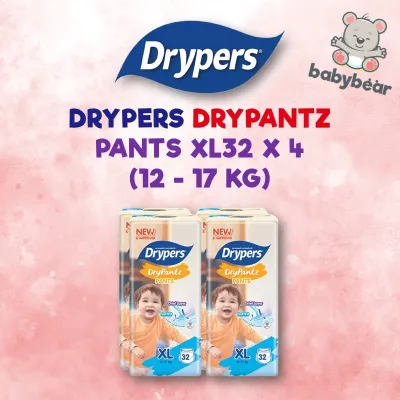
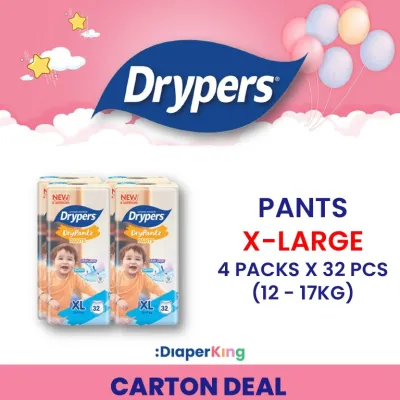
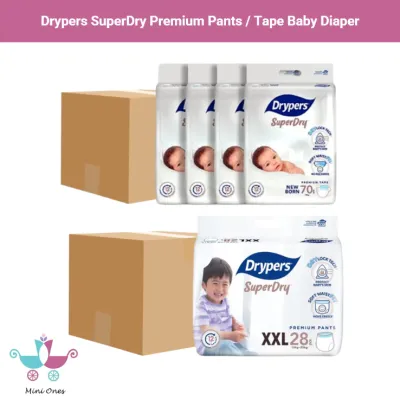
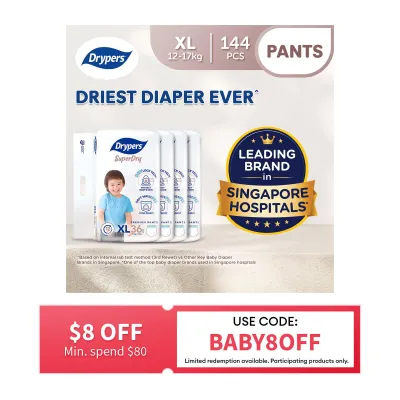
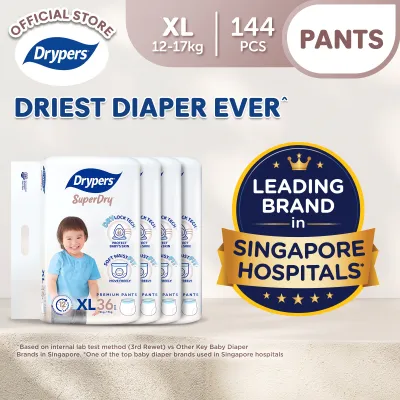
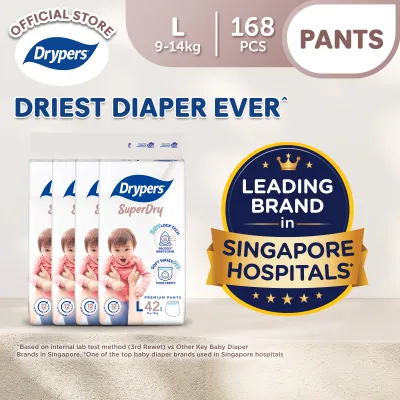
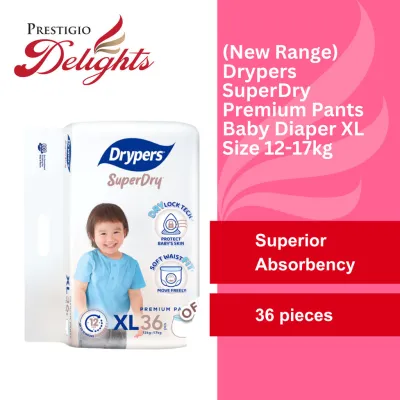
Prices are valid at publication and may change. Please refer to the product page for the latest price.
Observing real-world performance during actual use is the most reliable way to assess absorbency. Monitor how the diaper handles liquid volume by checking for sagging and feeling the inner liner during changes. A diaper should lock moisture deep within its core, leaving the surface material dry to the touch even when the diaper is heavy. Pay close attention to overnight dryness; if your baby wakes up with damp skin or wet sleepwear, the diaper’s core may not have the capacity or speed required to handle extended wear, indicating a need to explore options with higher absorption rates.
Leak protection is equally dependent on the physical fit around the leg cuffs and waistband. Sizing and cut dimensions vary significantly between brands, meaning a specific size in Drypers Super Dry may fit differently than the same size in another popular brand. Inspect the double-layered leg elastics, often referred to as leak guards, to ensure they stand upright and wrap snugly around your baby’s thighs without leaving deep gaps. The waistband should also sit securely against the back to prevent blowouts, particularly for active babies who crawl or roll frequently. Always refer to the manufacturer’s weight guidelines on the packaging as a starting point, but remain prepared to adjust based on your baby’s unique proportions.
Evaluating Comfort, Breathability, and Skin Health
Assessing comfort, breathability, and skin health requires a hands-on approach to evaluate how different materials interact with your baby’s delicate skin. Begin by physically feeling the inner and outer liners of Drypers Super Dry and comparing them to alternative brands. The materials should feel soft and non-abrasive to the touch, especially around the high-friction areas of the thighs and waist. Additionally, carefully read the ingredient labels on the packaging to check for the presence of added fragrances, lotions, or dyes, which are sometimes introduced to mask odors but can trigger allergic reactions or irritation in sensitive infants.

In Singapore’s tropical climate, breathability is a critical factor in preventing heat rash and diaper dermatitis. High humidity can trap warm, moist air inside the diaper, creating an environment where bacteria and yeast thrive. Review the manufacturer’s specifications for breathable outer covers or micro-pores designed to let air circulate while keeping moisture contained. If a diaper lacks sufficient ventilation, you may notice your baby’s skin feels unusually warm or damp during changes, which is a strong indicator that a more breathable alternative is required.
Carefully monitor your baby’s skin for any signs of redness, chafing, or localized rashes after introducing a new diaper brand. Establishing a clear baseline of your baby’s skin tolerance helps you identify adverse reactions early. If you observe persistent redness that does not resolve with regular diaper changes and the application of a standard barrier cream, discontinue use of that specific brand immediately. While manufacturer guidelines can offer helpful context on hypoallergenic testing, they cannot guarantee individual compatibility; always consult a qualified pediatrician if skin irritation persists or worsens.
Calculating Value: Price per Diaper and Pack Sizes
Calculating the true value of a diaper brand requires looking beyond the retail price of a single pack, as pack sizes and sheet counts vary widely across different brands and sizes. To establish an accurate comparison, calculate the exact cost per diaper in S$ using a simple formula: divide the total price of the pack by the number of individual diapers contained inside. For example, if a pack costs S$18.00 and contains 60 diapers, the cost per diaper is S$0.30. Performing this calculation allows you to compare Drypers Super Dry against competitors on an equal footing.
To optimize your household budget, factor in the various purchasing channels and promotional discounts available in Singapore. Major online marketplaces, official brand stores, and local supermarkets frequently offer bulk buying options, carton deals, and subscription services that significantly lower the cost per unit. Keep track of these promotional cycles, but ensure you are comparing the discounted cost per diaper rather than just the overall savings percentage, as some bulk packages may still carry a higher unit cost than alternative brands on regular sale.
Finally, weigh the calculated financial cost against the diaper’s observed performance in your daily routine. A lower-priced diaper may seem highly economical on paper, but if its lower absorbency requires you to change your baby twice as often, or if frequent leaks result in extra laundry cycles, the overall cost of ownership rises. Conversely, a slightly more expensive diaper that keeps your baby dry for longer periods may reduce the total number of diapers used per day, ultimately delivering better long-term value for your family.
Decision Framework: When to Choose Drypers Super Dry or Alternatives
Selecting the right diaper involves a conditional decision-making process based on your baby’s physical needs, skin tolerance, and your family’s financial priorities. You should choose Drypers Super Dry if your real-world observations confirm that its fit prevents leaks, its absorbency keeps your baby dry throughout their typical wear cycle, and its calculated cost per diaper aligns comfortably with your monthly household budget. For many families, this brand serves as a reliable, cost-effective staple that meets all standard diapering requirements without premium pricing.
On the other hand, you should consider alternative diaper brands if your baby experiences frequent leaks, blowouts, or unexplained skin irritation that suggests a poor fit or material sensitivity. Additionally, if price fluctuations on online marketplaces cause the cost per diaper to exceed your budget limits, exploring other value-focused or premium alternatives is a practical step. Never feel obligated to stick to a single brand if your baby’s growth or changing activity levels begin to compromise the diaper’s performance.
Before committing to bulk carton purchases of a new brand or transitioning to a larger size, always verify compatibility by purchasing small trial packs or requesting manufacturer samples. This cautious approach allows you to test the diaper’s fit, absorbency, and skin reaction over a few days without risking a significant financial loss on unused stock. Ensure that any transition between sizes or brands is accompanied by close caregiver supervision, checking the fastening tabs and leg cuffs regularly to guarantee a secure and comfortable fit as your baby grows.
Frequently Asked Questions (FAQ)
How do I know if I need to size up my baby's diaper?
You can identify the need to transition to a larger diaper size by looking for specific physical indicators during daily changes. Look for deep red marks or indentations on your baby’s thighs or waist, which indicate the elastics are too tight. Frequent leaks or blowouts despite proper fastening, and difficulty pulling the adhesive tabs to the designated landing zone on the waistband, are also clear signs. If the diaper’s rise is too low, failing to cover the buttocks fully or sitting well below the belly button, it is time to move to the next weight range specified by the manufacturer.
Can I mix different diaper brands for day and night use?
Yes, mixing different diaper brands for day and night use is a highly practical and common strategy among parents. You can utilize highly absorbent diapers for overnight sleep to ensure your baby remains dry and comfortable for up to twelve hours, promoting uninterrupted rest. During the daytime, when changes are much more frequent, you can switch to lighter, more breathable, and cost-effective options like Drypers Super Dry. When employing this strategy, continue to monitor your baby’s skin closely to ensure they do not develop sensitivities to the different materials used by each brand.

Community discussion
Share your experience or ask a question. Comments are reviewed before publication.