
Selecting the right diaper for a baby with sensitive skin is a highly individualized process. While Drypers Skinature is designed with skin-soothing features, determining whether it or another premium brand is the ideal choice depends entirely on your baby’s specific skin triggers. These triggers typically include moisture retention, physical friction, or reactions to specific botanical extracts and lotions.
In a warm and humid climate, diaper selection becomes even more critical. High humidity can trap moisture and heat against your baby’s delicate skin, accelerating the breakdown of the skin barrier and leading to diaper dermatitis. To make an informed decision, parents must look beyond marketing claims and evaluate diapers based on objective, observable performance criteria.
This guide establishes a clear framework to compare Drypers Skinature against competing premium diapers. By understanding how to verify label claims and monitor real-world performance, you can identify the diaper that best supports your baby’s skin health.
Products mentioned in this guide
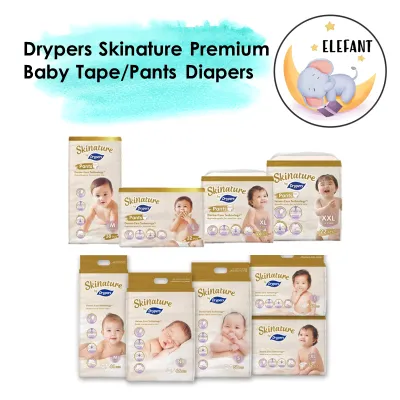
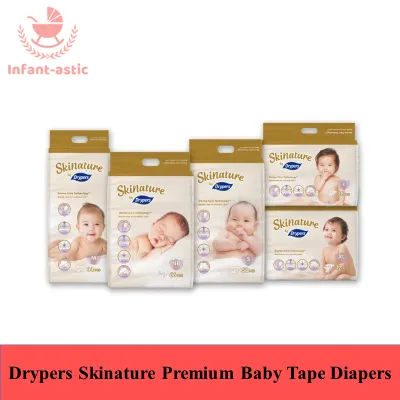

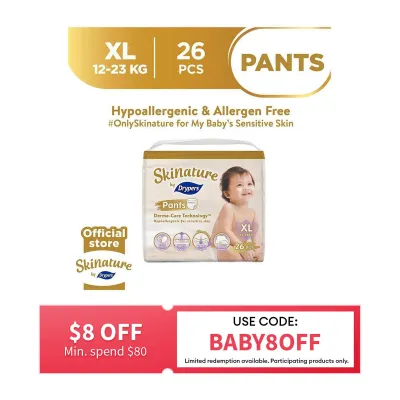
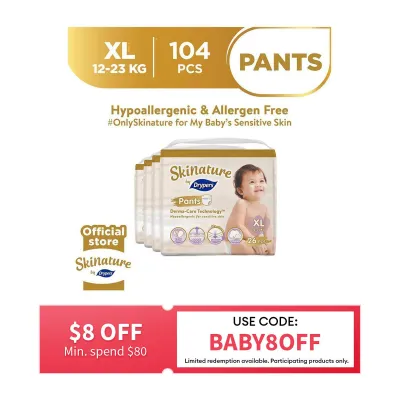
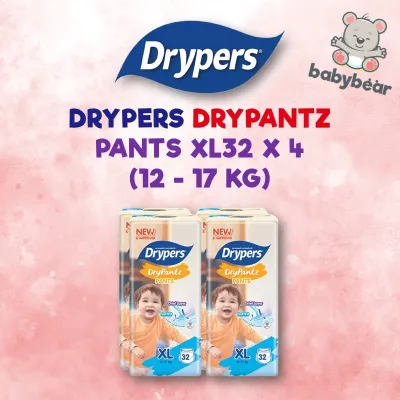
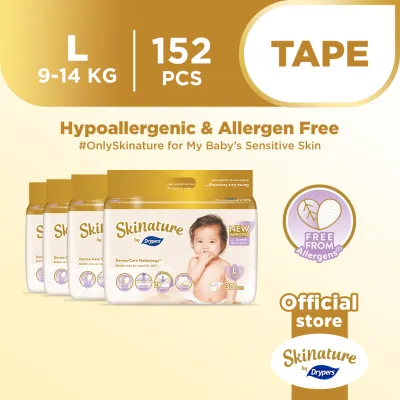
Prices are valid at publication and may change. Please refer to the product page for the latest price.
Core Criteria for Evaluating Sensitive Skin Diapers
To objectively compare Drypers Skinature with other premium brands, you need to focus on four core performance areas rather than relying on brand reputation alone.
First, moisture management is the foundation of skin protection. A high-quality diaper must absorb liquid rapidly and lock it deep within its core, preventing wetness from rewetting the baby’s skin. Prolonged contact with urine breaks down the skin’s natural defenses, making it highly susceptible to irritation and infection.
Second, material composition directly influences physical comfort. The top-sheet, which is the layer in direct contact with your baby’s skin, must be exceptionally soft to minimize friction. Additionally, you must consider whether the diaper contains added lotions, botanical extracts, or is completely plain, as these ingredients can either soothe or irritate sensitive skin depending on your baby’s unique sensitivities.
Third, breathability is essential for temperature regulation. A diaper with a highly breathable backsheet allows heat and moisture vapor to escape while keeping liquid contained. In tropical environments, superior air circulation prevents the microclimate inside the diaper from becoming overly hot and humid, which is a primary cause of heat rash.
Finally, chemical and fragrance disclosures provide transparency. Parents of babies with sensitive skin should look for clear labeling regarding hypoallergenic testing, fragrance-free formulations, and chlorine-free bleaching processes. These certifications help you identify potential chemical irritants before they touch your baby’s skin.
Material and Skin Contact: What to Check on the Label
When comparing Drypers Skinature to other premium diapers, the product label is your first line of defense. Drypers Skinature is known for incorporating specific skin-soothing features, but you must verify these claims against your baby’s known sensitivities.

Start by inspecting the packaging for a complete list of materials and any added ingredients. Some premium diapers feature top-sheets infused with natural extracts like aloe vera, chamomile, or vitamin E to help protect the skin barrier. While these additives can be beneficial for many infants, babies with highly reactive skin or diagnosed eczema may react to botanical extracts. If your baby has extremely sensitive skin, you may want to compare these infused options against minimalist premium diapers that feature a completely plain, additive-free top-sheet.
Next, look for specific safety and manufacturing certifications. Verify whether the diaper is explicitly labeled as fragrance-free, as added perfumes are a common trigger for contact dermatitis. You should also check for “dermatologically tested” labels and look for indications of elemental chlorine-free (ECF) or totally chlorine-free (TCF) bleaching processes, which reduce the presence of chemical residues in the diaper materials.
Finally, evaluate the physical texture of the top-sheet and waistbands. Gently run your fingers over the material to assess its softness. A premium diaper should feel smooth and cloth-like, with no rough edges or stiff plastics that could rub against your baby’s thighs or waist during movement.
Absorbency and Breathability: Observing Real-World Performance
While label claims provide a helpful starting point, observing how a diaper performs in daily use is the most reliable way to assess its suitability for sensitive skin.
Begin by monitoring the diaper’s wetness indicator, if available, and checking the surface of the top-sheet during changes. Immediately after your baby urinates, the diaper should feel dry to the touch. If you notice surface dampness, pooling, or if your baby’s skin feels wet during a change, the diaper’s core may not be absorbing liquid quickly enough. This residual moisture is a primary driver of diaper rash.
You should also observe how the diaper behaves as it fills. A high-quality diaper core should distribute liquid evenly without clumping or sagging excessively. When a diaper sags, the saturated core can pull away from the body or, conversely, press wet material directly against the skin when the baby sits down. Check the weight and integrity of the diaper core when fully saturated to ensure it maintains its shape and keeps wetness locked away.
Breathability can be assessed by feeling the outside of the diaper during changes. In a humid environment, a breathable outer cover will often feel slightly warm or damp on the outside, indicating that heat and moisture vapor are successfully escaping. If the baby’s diaper area feels excessively sweaty or hot when you open the diaper, the backsheet may lack the ventilation required to keep the skin cool and dry.
Fit and Friction: Minimizing Physical Chafing
Even the most absorbent diaper can cause skin irritation if the fit is incorrect. Physical friction from a poorly fitting diaper can damage the outer layer of your baby’s skin, leading to red marks, chafing, and localized rashes.
When evaluating Drypers Skinature against other premium options, pay close attention to the design of the waistband and leg cuffs. The elastic bands should be highly stretchable and soft, creating a gentle but secure seal. Leg cuff gathers should stand upright to prevent leaks, but they must not dig into your baby’s delicate skin. A good fit allows you to easily slide two fingers under the waistband and one finger around the leg openings without resistance.
Keep in mind that different premium diaper brands use distinct sizing cuts. Some brands are designed with a narrower crotch and higher waist, while others feature a wider, more generous cut. If your baby has chubby thighs or a rounder tummy, a diaper with a narrower cut may cause chafing even if the baby falls within the recommended weight range on the packaging.
Always monitor your baby’s skin for red marks or indentations around the waist and thighs. These marks are a clear signal that the diaper is too tight, the cut is incompatible with your baby’s body shape, or it is time to transition to the next size up. Adjusting the size early can prevent friction-induced skin breakdown.
How to Decide: Matching Diaper Features to Your Baby's Needs
Choosing between Drypers Skinature and other premium diapers requires matching specific product features to your baby’s unique skin profile and your daily routine.
You may find Drypers Skinature to be the right choice if your baby’s skin tolerates and benefits from its specific soft materials and any integrated skin-soothing features. It represents a strong option for parents seeking a balance of premium skin protection and practical everyday value for regular daytime use.
Conversely, you should opt for a minimalist premium alternative if your baby has highly reactive skin, severe allergies, or diagnosed eczema. In these cases, diapers that are completely free of botanical extracts, lotions, and any added substances minimize the risk of contact allergies, providing a strictly bare and neutral environment for the skin.
If your baby is a heavy wetter or frequently experiences leaks and skin irritation overnight, prioritizing a high-absorbency premium brand with an extra-large capacity core may be necessary. These diapers are engineered to lock away large volumes of liquid over extended periods, keeping the skin dry during long sleep stretches.
Before making any major changes, remember that a baby’s skin can react to sudden transitions. If your baby has a diagnosed skin condition, severe diaper rash, or persistent eczema, always consult a pediatrician or dermatologist. They can help you identify specific allergens and recommend a comprehensive skin-care regimen alongside your diapering choices.
Frequently Asked Questions (FAQ)
How often should I change a diaper for a baby with sensitive skin?
For babies with sensitive skin, it is generally recommended to change diapers every two to three hours during the day, or immediately upon noticing that the diaper is wet or soiled. Relying on the wetness indicator can help you minimize unnecessary changes while ensuring your baby does not sit in a wet diaper. Bowel movements must always be cleaned up immediately, as the combination of stool and urine is highly irritating to the skin and rapidly triggers diaper rash.
Can I use diaper cream with diapers that have built-in lotions?
Yes, you can generally use diaper barrier creams with diapers that feature built-in lotions, but you should apply the cream in a thin, even layer. Applying an excessively thick layer of petroleum-based or zinc oxide cream can transfer to the diaper’s top-sheet, potentially clogging the pores of the material and reducing its ability to absorb urine quickly. Always check the diaper manufacturer’s guidelines for specific compatibility, and consult a pediatrician if your baby develops a severe or persistent rash.
What is the best way to test a new premium diaper brand?
The safest way to test a new premium diaper brand is to purchase a small trial pack or request samples before committing to a bulk purchase. Introduce the new diaper during the daytime so you can monitor your baby’s skin closely. Observe the diaper area during each change over a 24 to 48-hour period, looking for any signs of redness, localized chafing, unusual warmth, or allergic reactions. If the skin remains clear and dry, the diaper is likely a safe match for your baby.

Community discussion
Share your experience or ask a question. Comments are reviewed before publication.