
Every baby has a unique body shape, skin sensitivity, and urination pattern, meaning there is no single diaper brand that works universally for every infant. Rather than relying on generalized rankings or social media recommendations, finding the right diaper requires a structured comparison framework. Evaluating Drypers Size S against other mainstream brands available in Singapore involves assessing fit, absorption, comfort, and overall cost. By focusing on these practical performance metrics, you can make an informed, condition-based decision that prioritizes your baby’s well-being and your household budget.
Because infant growth is highly individual, a diaper that fits one baby perfectly might cause leaks or discomfort for another of the exact same weight. This guide outlines how to run your own home trials, interpret manufacturer guidelines, and calculate the true value of your diaper purchases. With a systematic approach, you can minimize diaper rash, prevent unexpected blowouts, and ensure your baby remains comfortable throughout the day and night.
Understanding Size S Fit and Weight Ranges
When evaluating Drypers Size S against alternative brands, the first step is to verify if your baby falls within the recommended weight range. Most manufacturers print these weight guidelines clearly on the packaging, typically spanning from three to eight kilograms for Size S. However, these numbers are approximate starting points rather than absolute rules, as babies with different body proportions may require a size change sooner than expected.
Products mentioned in this guide
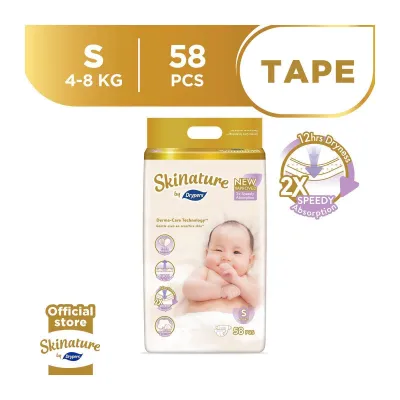
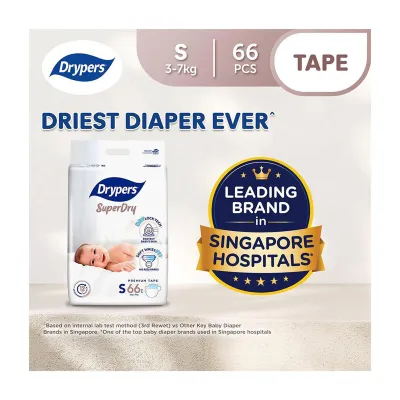
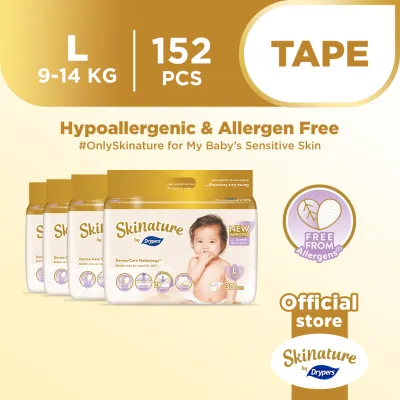
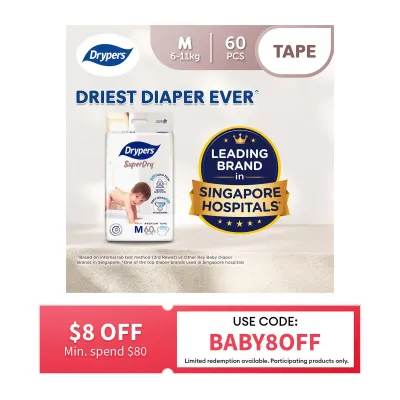
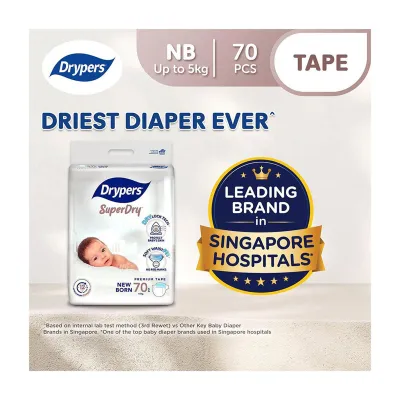
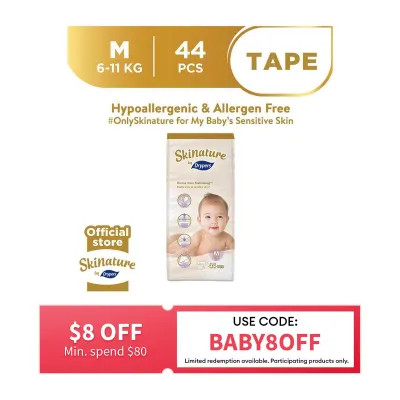
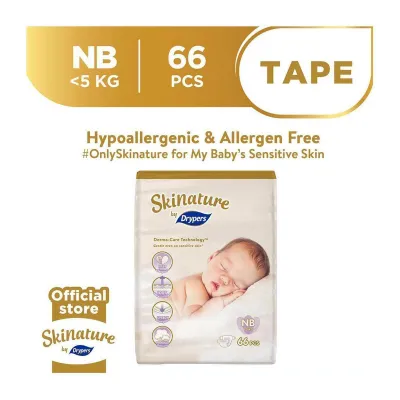
Prices are valid at publication and may change. Please refer to the product page for the latest price.
Physical fit indicators provide a much more accurate measure of suitability than weight alone. During diaper changes, check for deep red marks around your baby’s thighs or waist, which indicate that the elastic bands are too tight. The diaper should sit comfortably just below the belly button, and you should be able to slide two fingers easily under the waistband and leg cuffs without feeling excessive resistance.
It is also important to recognize that “Size S” dimensions, cut shapes, and elasticity vary significantly between brands. Some brands design their diapers with a wider waist and shorter rise, while others feature a narrower, longer cut. If your baby has chubby thighs or a rounder belly, a brand with highly stretchable side panels and waistbands will offer a more secure fit than a stiffer, more rigidly structured alternative.
Before purchasing bulk boxes of Drypers Size S or any other brand, always verify the specific weight recommendations and sizing charts on the individual packaging. Because sizing standards are not uniform across the industry, transitioning between brands often requires a quick reassessment of how the diaper sits on your baby’s unique frame.
Comparing Absorption and Leak Prevention
To evaluate the absorption capacity and leak prevention of Drypers Size S compared to other options, you must look closely at the core technology and real-world performance. Diaper manufacturers utilize various core designs, such as channel systems or distributed absorbent polymers, to draw moisture away from the skin. You can inspect these technology claims on the product labels or official brand materials to understand how each diaper is engineered to handle liquid.

Monitoring real-world performance during heavy wetting periods, such as overnight sleep or long outings, is the most reliable way to test these claims. Observe whether the diaper sag heavily after a few hours or if the outer surface feels damp to the touch. A high-performing diaper should lock moisture deep within its core, keeping the inner liner dry and preventing liquid from re-wetting your baby’s skin.
Leak guards around the leg cuffs play a critical role in preventing messy blowouts, especially for active babies. Evaluate the height, flexibility, and secure fit of these double-layered barriers to ensure they stand upright when the diaper is worn. If the leg cuffs gap when your baby moves, or if they dig too deeply into the skin, the risk of leaks increases regardless of the core’s absorption capacity.
Since independent clinical data comparing specific brand performance is rarely available, you can perform a simple check at home. After your baby has worn a diaper for a few hours, gently press a dry paper towel against the inner liner; if the towel remains dry, the diaper is successfully wicking moisture away. If the liner feels wet, it may be time to test an alternative brand with a different core structure.
Evaluating Comfort, Breathability, and Skin Health
Singapore’s humid, tropical climate makes breathability and material softness essential factors in maintaining your baby’s skin health. When comparing Drypers Size S with other brands, physically feel both the inner and outer liners to assess their texture. Look for rough seams, stiff fastening tabs, or rigid edges that could rub against your baby’s delicate skin during movement.
Breathability features, such as micro-pores on the outer backsheet, allow hot air and moisture to escape while keeping liquid contained. Diapers that lack adequate ventilation trap heat and humidity inside, creating an environment that increases the likelihood of diaper rash. Choosing materials that promote continuous airflow is particularly important during warm afternoons or long nap times.
Carefully track your baby’s skin condition whenever you introduce a new diaper brand. Watch for early signs of friction, localized redness, or persistent diaper rash around the waistband and leg cuffs. Because babies have highly sensitive skin, even minor differences in adhesives, fragrances, or synthetic fibers can trigger localized irritation.
If your baby develops persistent skin irritation, redness, or diaper rash that does not improve with regular diaper changes and barrier creams, stop using the diaper immediately. Consult a pediatrician or qualified healthcare professional to address the irritation and determine if your baby requires specialized, hypoallergenic, or fragrance-free diapering products.
Assessing Value: Price Per Piece and Usage Patterns
Determining the true financial value of Drypers Size S compared to other brands requires looking beyond the retail price of a single pack. To calculate the actual cost, divide the total price of the pack by the number of diapers inside to find the price per piece in S$. This calculation allows you to make direct, objective comparisons across different pack sizes and brands.
When shopping in Singapore, compare prices across physical supermarkets, specialty baby stores, and online marketplaces. You can often lower your baseline cost per diaper by taking advantage of bulk buying options, subscription services, or seasonal promotional events on ecommerce platforms. However, avoid buying massive quantities of a single size until you are certain the fit and performance suit your baby.
Your baby’s daily usage rate is another critical factor in the value equation. A lower-priced diaper that requires more frequent changes due to poor absorption or sagging may end up costing more over time than a slightly more expensive diaper that keeps your baby dry for longer periods. Frequent changes also disrupt your baby’s sleep patterns, adding an intangible cost to your daily routine.
To find the most cost-effective balance, keep a simple log for a few days to track how many diapers of each brand you actually use. Multiplying the daily usage rate by the price per piece will reveal the true daily cost of each option, helping you make a budget-friendly choice without compromising on quality.
Decision Framework: Choosing the Right Diaper for Your Baby
Selecting the right diaper brand comes down to a balance of fit, performance, skin tolerance, and budget. You should choose Drypers Size S if your initial trial period confirms that the diaper fits your baby securely, prevents leaks during normal use, and remains comfortable without causing any skin irritation or redness. If it meets these criteria while fitting comfortably within your household budget, it represents a highly practical choice.
Conversely, you should transition to an alternative brand if your baby experiences persistent leaks, frequent blowouts, or poor fit around the leg cuffs despite proper application. If you notice unexplained skin sensitivities, redness, or chafing, switching to a brand with different materials or a softer texture is necessary to protect your baby’s skin.
Before making a final decision, verify whether your baby is currently experiencing a growth spurt or transitioning between sizes. Sometimes, issues like frequent leaks or tight waistbands are not a failure of the brand itself, but rather a sign that your baby is ready to move up to the next size. Always prioritize your baby’s immediate comfort and physical feedback over brand loyalty or minor price differences.
Frequently Asked Questions (FAQ)
How do I know when to move my baby from Size S to Size M?
Several physical signals indicate that your baby is ready to transition from Size S to Size M. If your baby’s weight consistently approaches or exceeds the upper limit stated on the Size S packaging, it is time to consider upgrading. You should also look for practical signs, such as frequent leaks despite correct fastening, deep red marks on the thighs or waist, and a waistband that sits significantly below your baby’s belly button.
Can I mix different diaper brands for day and night use?
Yes, mixing different diaper brands for day and night use is a highly practical strategy used by many parents. You might choose a lighter, highly breathable diaper for active daytime hours when changes are more frequent, and reserve a thicker, more absorbent diaper for overnight sleep. If you adopt this approach, monitor your baby’s skin closely to ensure they do not develop sensitivities from switching between different materials and adhesives.

Community discussion
Share your experience or ask a question. Comments are reviewed before publication.