
Finding the right diaper pants in Singapore’s warm, humid climate requires balancing reliable leak protection, skin breathability, and household budget. While DryPantz is a popular choice for many local households, comparing it to other leading diaper pants brands involves looking beyond marketing claims to evaluate how each product performs on your baby’s unique body. The ideal diaper pant is one that matches your child’s current growth stage, movement level, and skin sensitivity while remaining financially sustainable for daily use.
Rather than relying on generic rankings or universal recommendations, parents can use a structured evaluation process. By understanding the key design elements of diaper pants and conducting simple, observable checks at home, you can determine whether DryPantz or an alternative brand offers the best fit and value for your family.
Key Dimensions for Comparing Diaper Pants
When comparing diaper pants, absorbency capacity and leak guard design are the primary defenses against messy accidents. Daytime diaper pants need to be lightweight and flexible to allow for easy movement, while overnight options require a higher concentration of superabsorbent polymers (SAP) to lock away moisture for up to twelve hours. Double-layered leg cuffs are also essential, as they act as physical barriers to prevent side leaks when your baby rolls over or sits down.
Products mentioned in this guide
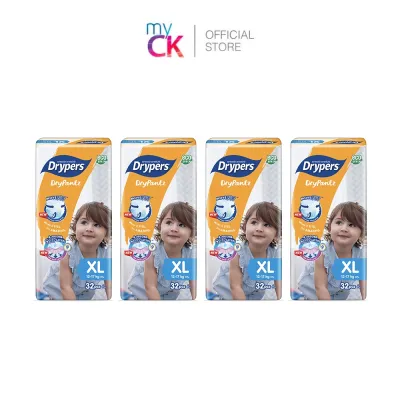
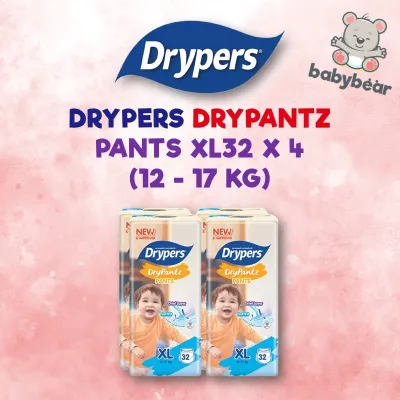
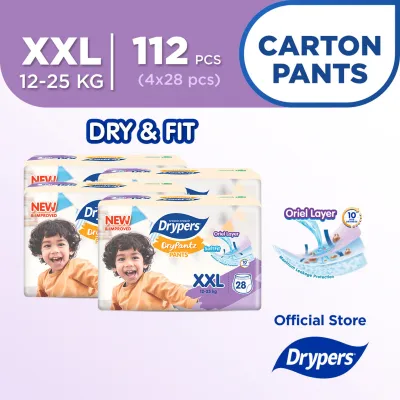
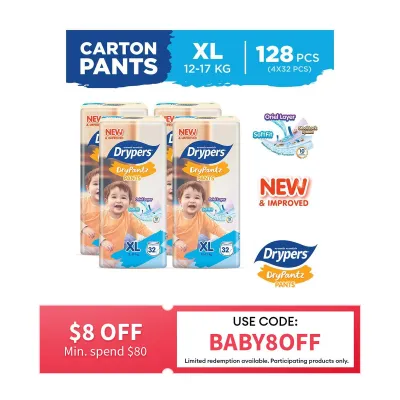
![[1 Carton] Drypers DryPantz (Sizes M L XL XXL)](https://img.lazcdn.com/g/p/5e3e411e79777887deee5a23ddca4550.png_400x400q80.png_.webp)
![[1 Carton] Drypers DryPantz Size XXL (28s x 4)](https://img.lazcdn.com/g/p/e2e4b54ae87017f1cbdecead7b9d34c6.png_400x400q80.png_.webp)
![[1 Carton] Drypers DryPantz Size XL (32s x 4)](https://img.lazcdn.com/g/p/84c4032708ef76d9f35228b001ebeae6.png_400x400q80.png_.webp)
![[Single Pack] Drypers Drypantz (Sizes M L XL XXL)](https://img.lazcdn.com/g/p/12b0c1ec36aeb444b364e0a40905e3ed.png_400x400q80.png_.webp)
Prices are valid at publication and may change. Please refer to the product page for the latest price.
Material breathability and inner lining texture directly impact your baby’s skin health, especially in tropical climates. High humidity can trap heat and moisture inside the diaper, creating an environment prone to diaper rash and bacterial growth. Look for diaper pants that feature micro-porous outer covers to let hot air escape, alongside ultra-soft, textured inner sheets that minimize direct skin contact with wetness. A reliable wetness indicator is another helpful feature, changing color to signal exactly when a change is needed before irritation develops.
Waistband elasticity and overall cut determine how comfortably the diaper pants sit on your baby’s body. Babies come in all shapes—some have rounder bellies, while others have chubbier thighs. A high-quality waistband should stretch easily to accommodate movement and expansion after feeding, without leaving deep red marks on the skin. The leg openings must also strike a balance, fitting snugly enough to prevent gaps without pinching the delicate thigh area.
Finally, calculating the cost per piece is crucial for long-term budgeting. Diaper prices vary significantly based on pack sizes, bulk carton options, and promotional bundles. To find the true value, divide the total price of the pack by the number of diapers inside. A slightly more expensive pack with a higher diaper count may actually offer a lower cost per piece than a cheaper, smaller pack.
How to Evaluate DryPantz Against Competitors
To make an objective comparison, start by reading the product packaging of DryPantz and competing brands. Look closely at the manufacturer’s specifications, including the materials used, hypoallergenic claims, and any dermatological testing certifications. Keep in mind that these certifications are voluntary and vary by brand, so they should be treated as items to verify rather than absolute guarantees of safety. Note the recommended weight range on the packaging, as diaper sizing is based on weight rather than age.

Conducting a physical fit test on your baby is the most reliable way to assess a brand’s suitability. Put the diaper pant on your baby and slide two fingers comfortably under the waistband; if it feels tight or leaves deep red indentations after an hour of wear, the size is too small or the cut is incompatible with your baby’s shape. Observe your baby during active play to check for any gaping around the legs, which is a common cause of leaks when babies transition from crawling to walking.
Track real-world absorbency by monitoring how the diaper performs during your daily routine. Note how many hours the diaper lasts before feeling heavy or sagging, and touch the inner lining during a change to check for surface dryness. If the lining feels damp to the touch shortly after a change, the diaper’s distribution layer may not be drawing moisture away quickly enough. Keep a simple log of any leaks, noting whether they occur during high-activity daytime hours or during overnight sleep.
To compare costs accurately, track the retail prices of DryPantz and alternative brands across local supermarkets and official online marketplaces. For example, if a pack of DryPantz costs S$16.00 and contains 40 pieces, the cost per piece is S$0.40. Compare this directly with the cost per piece of alternative brands in the same size category. Be sure to compare regular retail prices as well as typical subscription or bulk carton discounts, as these can significantly lower your ongoing expenses.
Decision Framework: Matching Diaper Pants to Your Baby's Needs
If your baby is a heavy wetter or sleeps through the night without a change, prioritize diaper pants designed specifically for maximum absorbency. These diapers typically feature a thicker core and reinforced overnight leak guards. While these options may carry a higher cost per piece, using a premium, high-capacity diaper solely for nighttime sleep can prevent sleep disruptions and reduce the overall number of diaper changes required per day.
For highly active babies who are crawling, cruising, or walking, ultra-thin and highly flexible diaper pants are often the most practical choice. These designs minimize bulk between the thighs, allowing for natural hip movement and unrestricted play. Look for brands that emphasize 360-degree stretch and lightweight materials, which help keep your baby comfortable and cool during active daytime hours in warm weather.
Evaluate DryPantz or similar mid-range alternatives if their stated material specifications, fit profile, and cost per piece align with your daily routine. Many parents find that a reliable, cost-effective diaper pant is perfect for daytime use when changes are frequent, while a more specialized diaper can be reserved for outings or overnight sleep. This hybrid approach allows you to optimize your budget without compromising on your baby’s comfort.
If your baby has known skin sensitivities, eczema, or a history of contact dermatitis, proceed with extra caution. Always verify the ingredient list on the packaging and look for fragrance-free, chlorine-free options. If you notice persistent redness, swelling, or a rash that does not clear up with regular barrier cream, stop using the diaper brand immediately and consult a qualified pediatrician for professional medical advice.
Smart Purchasing and Trial Strategies
Before committing to bulk cartons of DryPantz or any other diaper brand, start by purchasing small trial packs or requesting samples. Babies grow rapidly, and their body shapes change as they transition between developmental milestones. Testing a small quantity first allows you to verify the fit, absorbency, and skin compatibility without the financial risk of holding unused, ill-fitting inventory.
When purchasing diaper pants online, always verify the authenticity of the seller. Buy directly from official brand stores or authorized distributors on major e-commerce platforms to ensure you receive genuine products that have been stored and transported under proper conditions. Check the packaging for clear manufacturing and batch dates, and inspect the outer seal to ensure it has not been tampered with.
Monitor your baby’s skin closely during the first few days of trying a new brand. Establish clear criteria for when to switch, such as recurring leaks, waistband chafing, or signs of mild skin irritation. If a particular brand consistently fails to prevent leaks despite correct sizing, or if your baby shows signs of discomfort, it is a clear indication to transition to an alternative brand with a different cut or material composition.
Frequently Asked Questions (FAQ)
Can I mix different diaper brands for day and night use?
Yes, mixing different diaper brands is a highly practical and cost-effective strategy. Many parents use a lightweight, budget-friendly diaper pant like DryPantz for frequent daytime changes, and switch to a premium, high-absorbency brand for overnight sleep. This approach ensures your baby stays dry and comfortable during long stretches of sleep while keeping your overall diapering costs manageable.
How do I know if a diaper pant is too small or too large?
Signs that a diaper pant is too small include deep red marks around your baby’s waist or thighs, frequent blowouts, or the waistband sitting well below the belly button. Conversely, if the diaper gaps at the legs, sags excessively even when dry, or slides down when your baby crawls, it is likely too large. Always refer to the manufacturer’s weight guide on the packaging as a starting point for adjusting sizes.

Community discussion
Share your experience or ask a question. Comments are reviewed before publication.