
Managing your baby’s diaper area in a warm, tropical climate requires a clear understanding of the products you use. If you are trying to decide whether drapolene cream is the right choice for your little one, the answer depends entirely on the current state of your baby’s skin.
Drapolene is primarily an antiseptic cream formulated to treat and prevent minor infections in existing diaper rashes. Unlike standard barrier creams, its main job is to target the bacteria that can worsen irritated skin, rather than simply blocking moisture out.
In contrast, other popular diapering products fall into different categories. Zinc oxide pastes focus on creating a heavy, waterproof physical shield against wetness, while petroleum or provitamin ointments are designed for daily skin conditioning and friction reduction.
Products mentioned in this guide
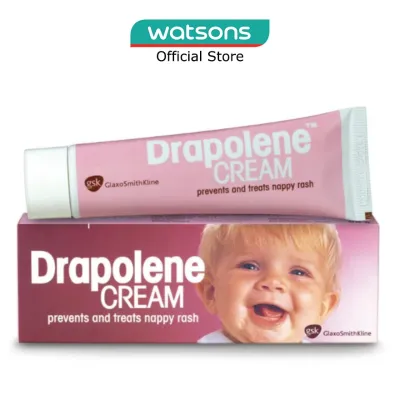
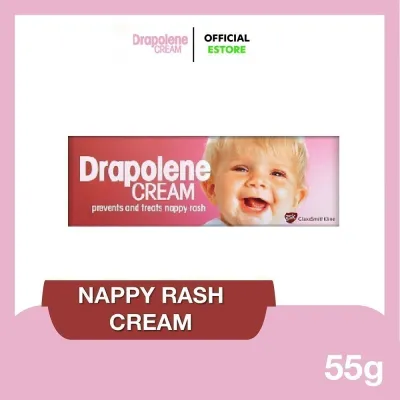
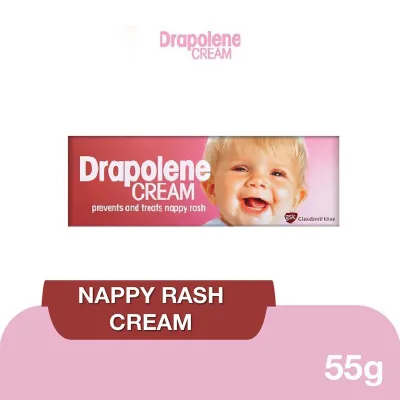
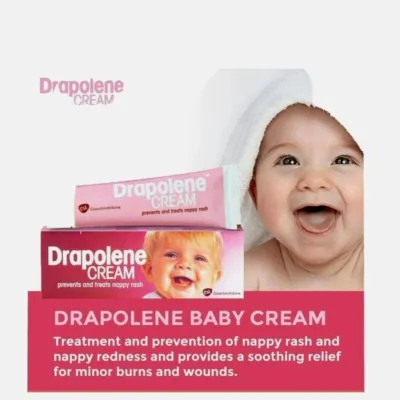
![[Exp2027] Drapolene Cream | Nappy Rash Cream for baby](https://img.lazcdn.com/g/p/01d7dbe051d9e8ad59f3be00878e54cb.png_400x400q80.png_.webp)
![[3 Pack] DRAPOLENE Cream for nappy rash 55g](https://img.lazcdn.com/g/p/0cd577d7eb5bd51f39511f50d21f66cd.jpg_400x400q80.jpg_.webp)
![[Bundle of 3] Drapolene Cream 55g (Nappy Rash)](https://img.lazcdn.com/g/p/2632ebe0b4fbdb3f48fafbe76317fb0b.png_400x400q80.png_.webp)
Prices are valid at publication and may change. Please refer to the product page for the latest price.
Ultimately, the best choice for your diapering routine depends on your immediate goal. If your baby is currently experiencing redness, irritation, or a mild rash that needs active treatment, Drapolene is highly suitable. If you are looking for daily, routine protection to keep wetness away during long sleep stretches, a physical barrier or conditioning ointment may be more appropriate.
Understanding Drapolene Cream: Ingredients, Texture, and Primary Use
To make an informed comparison, it is helpful to look closely at what makes up drapolene cream. This classic formulation relies on two active antiseptic agents: benzalkonium chloride and cetrimide. These ingredients work together to cleanse the skin and neutralize the bacteria that thrive in warm, wet diaper environments.
When urine mixes with stool, bacteria break down the urea into ammonia, which is highly alkaline and irritating to a baby’s delicate skin. The antiseptic properties in Drapolene help prevent this bacterial breakdown, reducing the likelihood of secondary infections in skin that is already chafed or compromised.
Physically, Drapolene is easily recognizable by its distinct pink color, which comes from its specific formulation. It has a thick, paste-like texture that is substantial enough to stay in place, yet it remains relatively easy to spread across irritated skin compared to some heavy-duty clay-like pastes. It also features a characteristic, clean scent that many parents find helpful for neutralizing diaper odors.
According to manufacturer guidelines, Drapolene is intended for the relief of diaper rash and the soothing of minor burns or sunburns. It is designed to treat active irritation and prevent infection on compromised skin, rather than serving as a simple, everyday lubricant.
How Drapolene Compares to Other Common Nappy Cream Categories
Singapore’s high humidity and year-round warmth create a unique challenge for baby skincare. Sweat and moisture can easily become trapped inside a diaper, leading to rapid skin breakdown and diaper dermatitis. Understanding how different categories of creams function helps you choose the right tool for these environmental challenges.

Drapolene vs. Zinc Oxide Barrier Pastes
Zinc oxide barrier pastes represent one of the most common solutions for diaper rash prevention and management. These products work by creating a thick, physical, and completely waterproof shield over the baby’s skin. Because zinc oxide does not absorb into the skin, it sits on the surface to block urine, stool, and friction from making direct contact with the epidermis.
When comparing textures, zinc oxide pastes are generally much thicker, whiter, and more cohesive than Drapolene. While Drapolene’s pink paste spreads with relatively light pressure, high-concentration zinc oxide creams can feel heavy, sticky, and sometimes stubborn to wash off. This thick consistency is highly effective at sealing out moisture, but it can make routine cleanups during diaper changes more labor-intensive.
The primary use cases for these two options differ significantly. Zinc oxide is the traditional choice for overnight protection or during long outings when immediate diaper changes might not be possible, as it provides a lasting physical wall against wetness. Drapolene, with its antiseptic action, is typically preferred when the skin barrier is already broken, red, or showing signs of mild infection, as it actively sanitizes the area rather than just blocking external fluids.
Drapolene vs. Petroleum and Provitamin Healing Ointments
Another major category includes petroleum-based ointments and provitamin B5 (dexpanthenol) formulations. These products focus primarily on locking in the skin’s natural moisture, reducing friction between the diaper and the skin, and supporting the skin’s natural recovery process. Unlike Drapolene, they do not contain active antiseptic ingredients to fight off bacterial growth.
In terms of application and daily cleanup, petroleum and provitamin ointments are highly user-friendly. They are generally thin, translucent, and slide easily over the skin without requiring much pressure to spread. During a diaper change, these ointments wipe away cleanly with a standard baby wipe, leaving very little residue behind compared to both antiseptic creams and heavy zinc pastes.
The decision of when to use an ointment versus Drapolene comes down to prevention versus treatment. Ointments are ideal for daily, routine maintenance to prevent chafing and dry skin, especially for babies with sensitive skin who do not currently have an active rash. If that protective barrier fails and a red, irritated, or potentially infected rash develops, transitioning to an antiseptic cream like Drapolene is often the next logical step to address the underlying bacterial threat.
Evaluating Effectiveness, Application, and Everyday Value
When choosing a diapering product, parents must weigh how well a cream works, how easy it is to use daily, and whether it represents a sensible financial choice.
Effectiveness is never absolute; it is highly dependent on the specific skin condition you are trying to address. Antiseptic creams are highly effective at managing bacterial activity on compromised skin, whereas physical barriers are superior at preventing wetness from reaching healthy skin. Before selecting any product, always verify the manufacturer’s label for specific age suitability, active ingredient concentrations, and any potential allergen warnings.
Texture plays a direct role in how comfortable the application process is for your baby. Thicker pastes, including both Drapolene and heavy zinc oxide creams, require a gentle touch during application to avoid irritating already sore skin. Because these formulas are designed to adhere to the skin, they can be difficult to remove completely with water alone; using a soft, damp cloth or a gentle baby wipe, sometimes paired with a smear of baby oil, can help lift the residue without harsh rubbing.
Everyday value and cost-effectiveness should be evaluated by looking at price-per-gram or price-per-milliliter across local pharmacies, drugstores, and online marketplaces in Singapore. While a tube of daily preventative ointment might be priced similarly to a tube of Drapolene (often ranging between S$10 and S$20 depending on the retailer and size), their long-term cost impact is different. Because treatment-focused antiseptic creams are typically used only when a rash appears, a single tube can last for several months, making it a highly economical addition to your baby care kit.
Decision Guide: Which Nappy Cream Should You Buy?
To help you make the right choice for your baby’s diapering routine, consider this straightforward decision framework based on your immediate needs:
Choose Drapolene if:
- Your baby has developed a mild, active diaper rash that is red, irritated, or showing signs of chafing.
- You want an antiseptic treatment to prevent secondary bacterial infections in compromised skin.
- You are looking for a reliable, targeted treatment cream to keep in your home medicine cabinet for occasional flare-ups.
Choose a Zinc Oxide paste if:
- You need a heavy-duty, waterproof physical barrier to protect your baby's skin during long sleep stretches overnight.
- Your baby is highly sensitive to wetness and frequently develops rashes from diaper moisture.
- You are traveling or spending long periods outdoors where diaper changes might be delayed.
Choose a Petroleum/Provitamin ointment if:
- You want a lightweight, transparent, everyday preventative layer for routine diaper changes.
- Your primary goal is to reduce friction and maintain skin hydration rather than treating an active infection.
- You prefer a product that is exceptionally easy to apply and wipes off cleanly without leaving a thick residue.
Verify first if:
- You are unsure about your baby's skin sensitivities or potential allergies to specific preservatives or fragrances.
- The product label indicates specific age restrictions or usage guidelines that do not align with your baby's current developmental stage.
Safe Application and When to Consult a Pediatrician
Regardless of the product you choose, proper application is essential for protecting your baby’s skin. The most critical step in any diapering routine is to clean the diaper area gently and ensure it is completely dry before applying any cream or ointment. Applying a barrier or treatment cream over damp skin can trap moisture against the epidermis, which can worsen irritation and encourage bacterial or fungal growth.
Always read the manufacturer’s instructions on the packaging to determine the correct application thickness and frequency. A thin, even layer is generally sufficient to provide protection or treatment without overloading the skin or causing excessive transfer to clothing.
While minor diaper rashes are common, parents must remain vigilant for signs of more serious skin conditions. If your baby’s rash becomes severe, begins to bleed, develops blisters or pus-filled bumps, is accompanied by a fever, or does not show noticeable improvement after a few days of consistent over-the-counter care, stop using the product immediately. In these situations, consult a pediatrician or qualified healthcare professional in Singapore to receive an accurate diagnosis and targeted medical treatment.
Frequently Asked Questions (FAQ)
Can I use Drapolene cream for every nappy change?
While some parents use Drapolene as a preventative measure, antiseptic creams are generally formulated for treating and protecting compromised skin. Because it contains active antiseptic ingredients designed to target bacteria, it is typically best reserved for when irritation or redness is present. For daily, routine use at every diaper change on healthy skin, a mild, non-medicated barrier ointment is often more suitable. Always check the specific product label for manufacturer guidelines, and consult a pediatrician if you are considering long-term, every-change application for a newborn.
Will the pink color of Drapolene stain my baby's clothes or nappies?
Yes, the distinct pink pigment in Drapolene can temporarily transfer to light-colored clothing, bedding, or cloth diapers if it is applied too thickly or before it has a chance to settle. To minimize the risk of staining, apply a thin, even layer of the cream and allow it a moment to absorb slightly before putting on a fresh diaper. Ensuring the diaper is fastened securely will also help reduce shifting and prevent the cream from rubbing off onto outer clothing or sleepwear. If transfer does occur, standard baby-safe laundry detergents are typically effective at removing the temporary discoloration.

Community discussion
Share your experience or ask a question. Comments are reviewed before publication.