
Doraemon diapers and other character-themed diapers are highly popular among parents because the playful designs can make diaper changes more engaging for babies and toddlers. However, the colorful prints on the outside of a diaper are entirely cosmetic and do not influence how well the diaper performs. The actual absorbency, leak protection, and skin comfort depend entirely on the diaper’s underlying structural design, the quality of its absorbent core, and the manufacturer’s specific production standards. To find the suitable option for your baby, you must look past the licensed characters and evaluate the physical construction of the diaper.
When comparing Doraemon diapers to other character options, the key is to identify the actual manufacturer behind the brand. Many licensed character diapers are produced by established diaper manufacturers who use their standard diaper chassis as the base. This means a Doraemon diaper may share the exact same structural design and materials as a plain diaper or a different character diaper from the same manufacturer. By understanding how to evaluate these structural components, you can make an informed decision based on performance and value rather than just the outer design.
Understanding the Core Differences in Character Diapers
To understand how character diapers compare, it helps to look at the anatomy of a modern disposable diaper. The diaper is divided into two primary parts: the outer printed backsheet and the inner absorbent core. The outer backsheet is where the Doraemon or other character illustrations are printed. This layer is typically made of a breathable, non-woven fabric composite designed to prevent liquid from leaking while allowing heat and moisture vapor to escape. The printing process uses baby-safe inks that do not affect the diaper’s performance or safety.
Products mentioned in this guide
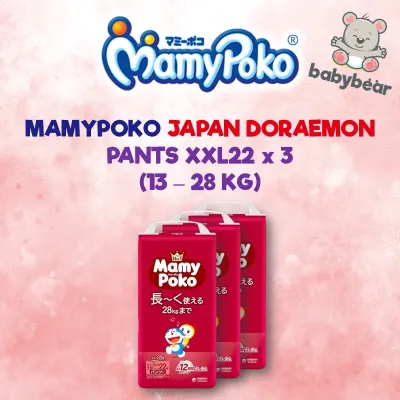
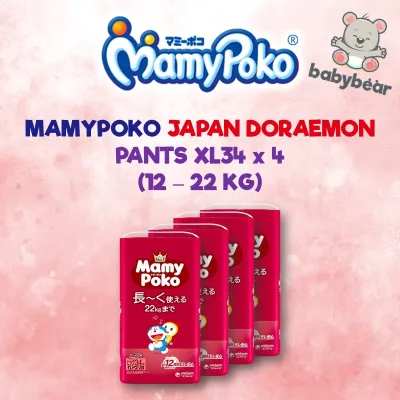
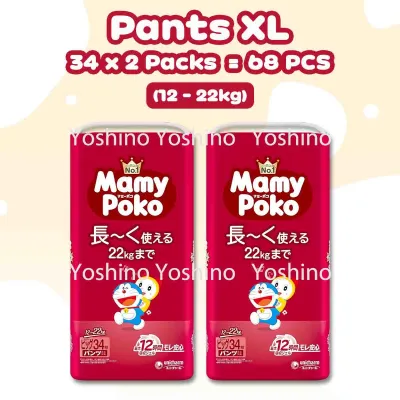
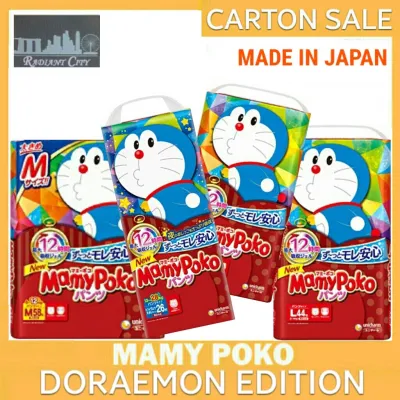
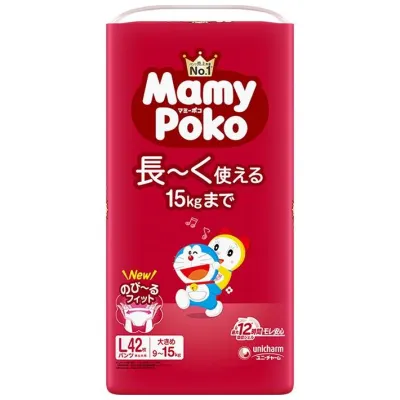
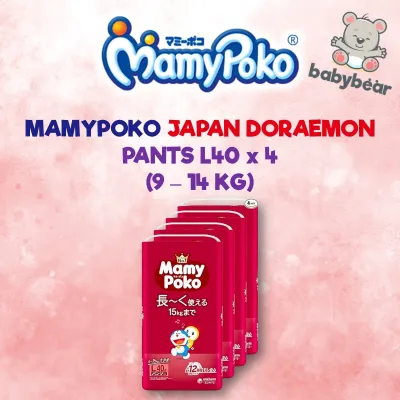
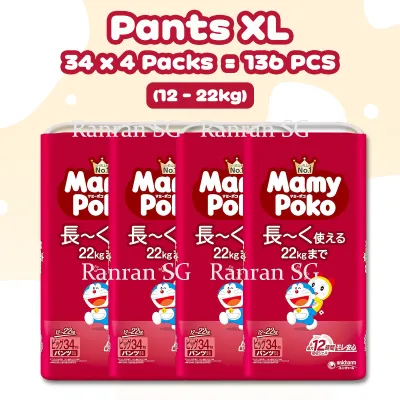
Prices are valid at publication and may change. Please refer to the product page for the latest price.
The inner absorbent core is where the actual liquid management takes place. This core is typically composed of Superabsorbent Polymers (SAP) mixed with wood fluff pulp. The SAP absorbs liquid and locks it away in a gel form, while the fluff pulp helps distribute the liquid throughout the core. Because the core is completely separate from the outer printed layer, a Doraemon print does not make a diaper inherently more or less absorbent than a plain white diaper or one featuring a different character.
Furthermore, diaper manufacturing often involves original equipment manufacturers (OEMs) or licensing agreements. A single manufacturer might secure the rights to print Doraemon on one product line and a different popular character on another line, while using the exact same absorbent core and chassis design for both. Therefore, the performance of these diapers is often identical because they come from the same factory. To verify this, always check the diaper packaging for the manufacturer’s name, country of origin, and material composition. Comparing these details will help you determine if you are choosing between two structurally identical diapers with different prints.
Key Criteria to Evaluate Absorbency
Absorbency is the most critical function of any diaper, especially for overnight use or long outings. When comparing Doraemon diapers to other character brands, you should first inspect the packaging for specific absorbency indicators. Look for terms such as “overnight,” “extra dry,” or specific absorbency ratings often represented by clock hours or droplet icons. Keep in mind that these ratings are defined by each manufacturer individually, so they are most useful for comparing different models within the same brand rather than across different brands.

Next, examine the physical structural features that contribute to leak prevention. Open the diaper and look for the Acquisition Distribution Layer (ADL), which is a colored or textured sub-layer directly beneath the top sheet. The ADL is designed to quickly draw liquid away from the baby’s skin and distribute it evenly along the length of the absorbent core, preventing pooling in one spot. Additionally, inspect the height and elasticity of the double-layered leak guards around the leg openings. Taller, more flexible leak guards provide a stronger physical barrier against side leaks and blowouts.
To compare the absorbency of different character diapers objectively, you can perform a simple and safe water-pour test at home. Lay a Doraemon diaper and a competing character diaper flat on a clean, waterproof surface. Measure a consistent amount of room-temperature water—such as 100 milliliters for a medium size or 150 milliliters for a large size—to simulate a typical toddler void. Pour the water steadily onto the center of each diaper at the same rate.
Use a timer to observe how quickly the liquid is absorbed into the core of each diaper. After two minutes, gently press a dry, clean paper towel onto the surface of each diaper using a light, even pressure. Inspect the paper towels to see which diaper leaves less wet residue, indicating a drier top sheet that will keep your baby’s skin comfortable. Finally, pick up the wet diapers and gently bend them to check for core clumping or shifting. A high-quality core should hold its shape and distribute the liquid evenly without clumping into heavy, uncomfortable lumps.
Assessing Comfort and Skin Friendliness
A diaper can be highly absorbent, but if it is stiff or abrasive, it will cause discomfort and skin irritation. Evaluating comfort requires a combination of tactile inspection and careful observation of your baby’s skin during use. Start by feeling the inner lining of the diaper that directly touches your baby’s skin. High-quality diapers often feature a textured, quilted, or 3D-embossed top sheet. This textured design minimizes the surface area of the diaper in direct contact with the skin, which helps reduce friction and allows air to circulate more freely.
Next, assess the flexibility and softness of the outer shell and the waistband. The waistband of a pants-style diaper should be highly elastic yet soft to the touch. Stretch the waistband of the Doraemon diaper and compare its resistance to other character diapers. A waistband that is too stiff can restrict your baby’s movement and cause discomfort, while one that is too loose may lead to sagging and leaks. Check the leg cuffs as well; they should be made of soft, non-woven materials that do not feel scratchy or stiff.
The ultimate test of comfort is how your baby’s skin reacts to the diaper in real-world conditions. In warm, humid tropical climates like Singapore, heat and moisture can quickly build up inside a diaper, increasing the risk of diaper rash or heat rash. After your baby has worn the diaper for a few hours, inspect the waistline and thighs for red marks, deep indentations, or chafing.
If you notice persistent redness, irritation, or signs of overheating, stop using that specific diaper model immediately. Always ensure you are using the correct size, as a diaper that is too small will cause friction regardless of how soft the materials are. If a diaper rash develops and does not improve within a few days, or if it appears blistered, oozing, or infected, consult a qualified pediatrician or healthcare professional for guidance.
Comparing Value and Sizing Across Brands
Sizing standards vary significantly between different diaper manufacturers. A size “L” Doraemon diaper from one brand may have a completely different physical cut, waistband stretch, and weight range than a size “L” diaper featuring a different character from another brand. Always cross-reference the weight ranges printed on the packaging rather than relying solely on the letter size. If your baby is near the upper limit of a weight range, or if they have a rounder tummy or chubbier thighs, it is generally advisable to size up to ensure a comfortable fit and prevent leaks.
To compare the financial value of Doraemon diapers against other character options, you must calculate the cost per piece in S$. Diaper packs come in varying quantities, making direct pack-to-pack price comparisons misleading. To find the cost per piece, divide the total retail price of the pack by the number of diapers inside. For example, a pack costing S$22.00 containing 44 diapers results in a cost of S$0.50 per piece, whereas a pack costing S$25.00 containing 56 diapers results in a lower cost of approximately S$0.45 per piece.
Keep in mind that character-themed diapers often carry a price premium due to the licensing royalties paid to the intellectual property owners. When comparing a Doraemon diaper to another character diaper, evaluate whether the price difference is justified by superior structural features, such as a more advanced absorbent core or softer materials, or if you are simply paying more for the specific character print. To optimize your budget, look for promotional bundles, bulk carton discounts, or subscription options on online marketplaces, which can significantly lower the cost per piece.
Decision Framework: Choosing the Right Character Diaper
Choosing between Doraemon diapers and other character diapers comes down to a systematic evaluation of your baby’s unique needs, physical build, and your household budget. You can use a simple decision framework to guide your purchase.
Choose Doraemon diapers if the manufacturer’s base model fits your baby’s body shape securely without leaving red marks, the absorbency successfully prevents leaks during daily use or overnight sleep, and the cost per piece aligns with your monthly diapering budget. If the Doraemon print also makes diaper changes more cooperative and enjoyable for your toddler, it adds practical value to your daily routine.
Choose alternative character diapers if your baby is an exceptionally heavy wetter or has highly sensitive skin, and another brand’s base model features a more advanced acquisition distribution layer, taller leak guards, or a more breathable outer shell. Your priority should always be the structural performance and skin compatibility of the diaper rather than the character printed on the outside.
Before committing to a bulk purchase of any new character diaper brand, always buy a single small pack or request a sample first. Test the new diaper during daytime hours when you can monitor your baby closely. Check the fit around the waist and legs, observe how well the diaper handles movement during active play, and inspect your baby’s skin during changes for any signs of redness or irritation. If the diaper performs well over a trial period of a few days, you can confidently transition to purchasing larger quantities.
Frequently Asked Questions (FAQ)
Are character diapers less absorbent than plain white diapers?
No, the presence of character prints on the outer backsheet does not inherently reduce the diaper’s absorbent capacity. The printing process uses safe inks on the outermost layer, which is completely separate from the inner absorbent core. However, because character diapers often carry licensing fees, some budget brands might use simpler core designs to keep retail prices competitive. Always verify the manufacturer’s specifications and core construction rather than assuming performance based on the outer design.
How can I prevent leaks when switching to a new character diaper brand?
When switching brands, first ensure the leg cuffs are fully flared outward rather than tucked inward, as tucked cuffs are a primary cause of leaks. Check that the waistband is snug but allows you to easily slide two fingers between the diaper and your baby’s tummy. If you notice leaks occurring frequently despite proper placement, or if your baby is at the upper end of the current size’s weight range, consider sizing up to accommodate more volume and provide a wider physical coverage area.

Community discussion
Share your experience or ask a question. Comments are reviewed before publication.