
In Singapore, ensuring your child’s safety during every car journey is both a safety priority and a legal obligation. If your child is under 1.35 meters tall, they legally require an approved child restraint system—which frequently means using a car booster seat once they outgrow their forward-facing harnessed seat. While age and weight are helpful indicators for choosing the right gear, height is the definitive metric that determines whether your child can legally ride with a standard seatbelt alone.
Navigating the transition from a fully harnessed car seat to a booster seat, and eventually to a standard vehicle seatbelt, requires a clear understanding of local traffic laws and physical developmental milestones. Rushing these transitions can expose your child to severe risks, while delaying them unnecessarily can cause discomfort. This guide outlines Singapore’s legal framework, details the physical and behavioral signs of readiness, compares booster types, and provides a practical test to determine when your child can safely graduate to a standard seatbelt.
Singapore's Legal Requirements for Child Car Restraints
Under the Singapore Road Traffic Act, anyone below the height of 1.35 meters must be secured with an appropriate child restraint system (CRS) when riding in a motor vehicle. This law applies to all private vehicles, including private hire cars (such as Grab, Gojek, Ryde, or Tada). The traffic police enforce this rule strictly, and failing to comply can result in a composition fine, demerit points for the driver, or court prosecution for repeat offenses.
Products mentioned in this guide
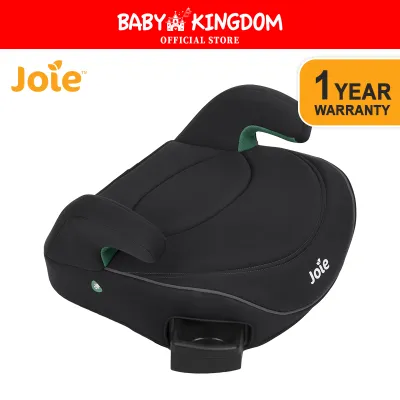
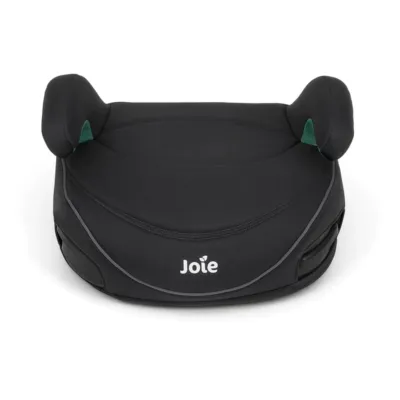
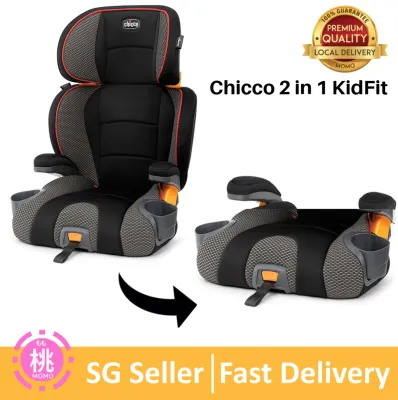
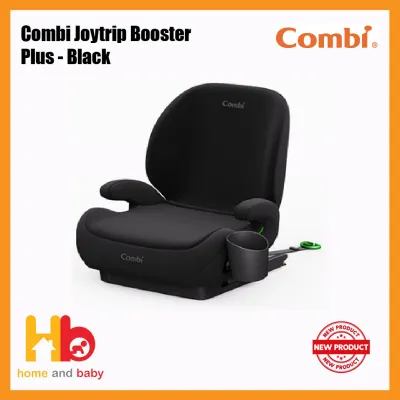
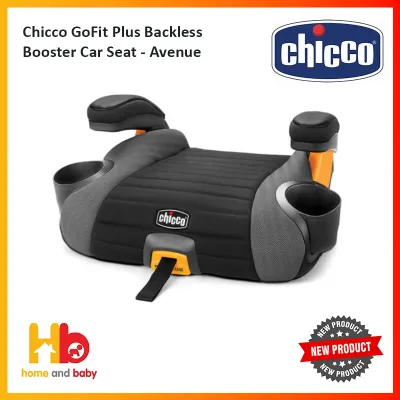
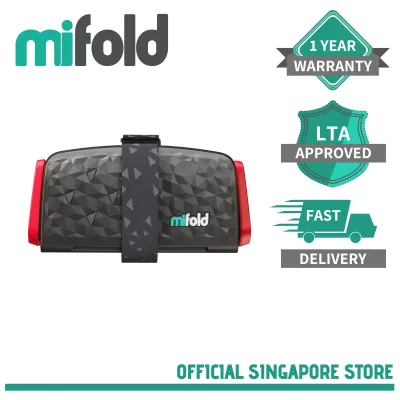
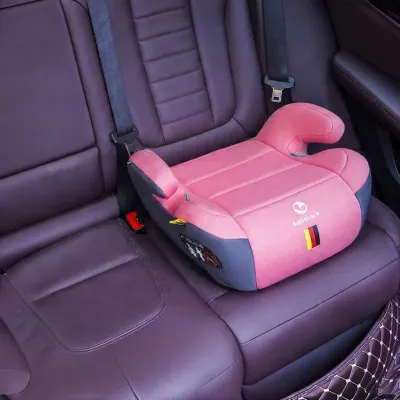
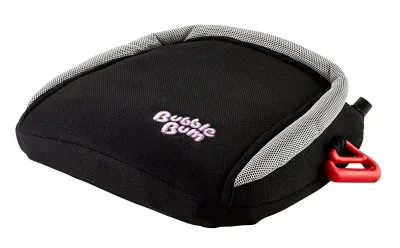
Prices are valid at publication and may change. Please refer to the product page for the latest price.
While the law focuses primarily on the 1.35-meter height threshold, age and weight serve as secondary guidelines to help parents select the correct category of restraint. For instance, younger children require rear-facing or forward-facing seats with built-in five-point harnesses, whereas older, taller children transition to belt-positioning booster seats. It is important to remember that age alone does not exempt a child from the height requirement; a ten-year-old child who is 1.32 meters tall must legally still use a booster seat or other approved restraint.
Parents should note that public taxis are currently exempt from this legal requirement under Singapore law, as they are treated as public transport. This exemption exists for practical reasons, but it does not alter the laws of physics. In a collision, an unrestrained child in a taxi faces the exact same risks as one in a private vehicle. For this reason, many safety-conscious parents choose to carry portable booster seats or ride-sharing-friendly travel harnesses when traveling by taxi.
Because regulations, enforcement policies, and specific exemptions can evolve, parents should regularly verify the latest guidelines on the official Singapore Traffic Police or Land Transport Authority (LTA) portals. Furthermore, the legal limit of 1.35 meters represents the absolute minimum standard for compliance. Best safety practices, supported by international pediatric and automotive safety organizations, suggest keeping your child in a booster seat until they fully fit the vehicle’s seatbelt system, which often requires a height of 1.45 meters or more.
Signs Your Child is Ready to Transition to a Booster Seat
Transitioning from a forward-facing car seat with an internal harness to a belt-positioning car booster seat is a major milestone, but it must not be done prematurely. Your child is physically ready to make this transition only when they have fully outgrown the maximum height or weight limits of their forward-facing harnessed seat. You can verify these limits by checking the manufacturer’s instruction manual or the orange certification sticker on the shell of your current car seat.

To determine if your child has outgrown their harnessed seat, look at the position of the shoulder straps and the top of their head. In a forward-facing harnessed seat, the straps should emerge at or slightly above the child’s shoulders. If the harness slots are now below your child’s shoulders, or if the top of their ears have reached the top edge of the car seat shell, they have outgrown the seat’s physical capacity. At this stage, moving to a booster seat is necessary to keep them secure.
Physical size is only half of the equation; behavioral maturity is equally critical. A booster seat does not have its own built-in harness to hold your child in place. Instead, it relies on the vehicle’s standard three-point lap and shoulder belt. Therefore, your child must be mature enough to sit properly in the booster seat for the entire duration of every trip. This means they must not slouch, lean sideways to look out the window, bend over to reach toys on the floor, or pull the shoulder belt under their arm or behind their back.
If your child still falls asleep frequently in the car and slumps forward, or if they constantly play with the seatbelt buckle, they are not yet behaviorally ready for a booster seat. In such cases, it is safer to keep them in a forward-facing harnessed seat with a higher weight and height capacity. Rushing into a booster seat before a child can maintain proper sitting posture leaves them vulnerable to severe head, neck, and abdominal injuries during sudden braking or a collision.
High-Back vs. Backless Booster Seats: Choosing the Right Fit
When shopping for a car booster seat in Singapore, you will encounter two primary styles: high-back boosters and backless boosters. Both styles serve the same fundamental purpose—elevating your child so that the vehicle’s adult seatbelt rests securely across the strongest parts of their skeletal frame. However, they offer different levels of protection, support, and convenience.
High-back booster seats are highly recommended for younger children who are just transitioning from a harnessed seat. These models feature a structured backrest with integrated side-impact protection wings, which cushion the child’s head, neck, and torso in a side-angle collision. Additionally, high-back boosters feature built-in shoulder belt guides that keep the vehicle’s seatbelt positioned precisely across the middle of the collarbone, preventing it from riding up against the neck.
Backless booster seats are compact, lightweight, and highly portable, making them a popular choice for carpooling, taxi travel, or smaller vehicles. They are generally best suited for older, taller children who have outgrown the backrest of a high-back booster but still need a lift to ensure a proper seatbelt fit. It is crucial to note that backless boosters do not provide side-impact protection or head support. Therefore, they should only be used in vehicle seats that have built-in headrests extending at least to the top of the child’s ears to prevent whiplash.
Before purchasing either type, always check the manufacturer’s product label to verify the specific height and weight limits. In Singapore, look for approved safety certification marks, such as the European standard (UN ECE R44/04 or R129/i-Size), which indicate the seat has undergone rigorous crash testing. Never select a booster seat based solely on its design or convenience without first confirming that your child falls within the manufacturer’s approved physical specifications.
Is Your Child Ready to Graduate from a Booster Seat? The 5-Step Test
Graduating from a booster seat to riding with only the vehicle’s seatbelt is a transition that parents often rush once a child nears the legal height of 1.35 meters. However, adult seatbelts are designed to fit a fully grown adult frame, typically at least 1.5 meters tall. To ensure your child’s body can safely withstand the forces of a crash without a booster, you should perform the industry-standard “5-Step Test” inside your specific vehicle.
To conduct the test, have your child sit directly on the vehicle’s seat without the booster, buckle the seatbelt, and observe their posture against these five conditions:
- The Back Test: Does your child sit all the way back against the vehicle's seatback cushion without slouching?
- The Knee Test: Do your child's knees bend comfortably over the front edge of the seat cushion while their back remains flat against the seat?
- The Shoulder Belt Test: Does the shoulder belt rest flat across the center of their shoulder, positioned between the neck and the outer arm?
- The Lap Belt Test: Is the lap belt positioned as low as possible, touching the upper thighs and hips rather than riding up onto the soft tissue of the stomach?
- The Durability Test: Can your child comfortably maintain this exact seating position for the entire duration of the ride, even when they are tired or asleep?
If the answer to any of these five questions is “no,” your child is not yet ready to ride without a booster seat. Even if they have technically reached the legal height limit of 1.35 meters, their skeletal structure is still too small for the vehicle’s seatbelt to protect them effectively. Using a seatbelt alone prematurely can lead to “seatbelt syndrome,” where the lap belt inflicts severe internal organ damage and spinal injuries during a crash.
It is also important to remember that seatbelt fit varies significantly between different vehicles. A child might pass the 5-Step Test in a compact sedan with shallow seats, but fail it in a large SUV or a private hire vehicle with deep, plush seats. For this reason, you should perform this test in every vehicle your child rides in regularly, and be prepared to keep a portable booster seat on hand for vehicles where the built-in belt does not yet fit them correctly.
Safety Checks and Common Mistakes to Avoid
Even the highest-rated car booster seat cannot protect your child if it is installed or used incorrectly. One of the most common mistakes parents make is improper seatbelt routing. Always thread the vehicle’s lap belt through the lower guides or armrests of the booster seat as directed by the manufacturer. The lap belt must lie flat across the upper thighs or pelvis, never across the abdomen. The shoulder belt must feed through the shoulder guide (on high-back models) and rest securely on the collarbone, never tucked under the child’s arm or behind their back.
Another common hazard involves clothing. While Singapore’s tropical climate means heavy winter coats are rarely an issue, families frequently transition into heavily air-conditioned environments like shopping malls, cinemas, or airport terminals. Avoid letting your child wear thick, puffy jackets or bulky sweaters while buckled into their booster seat. The bulky material compresses instantly during a collision, creating dangerous slack in the seatbelt that can allow the child to slip out of the restraint.
Additionally, parents often forget to secure the booster seat when the child is not riding in the vehicle. An unsecured, empty booster seat becomes a heavy, dangerous projectile during sudden braking or a collision, potentially striking and injuring the driver or other passengers. If your booster seat is equipped with ISOFIX connectors, keep it clicked into the vehicle’s anchor points at all times. If it does not have ISOFIX, buckle the vehicle’s seatbelt over the empty booster seat whenever you drive without your child.
Finally, treat your booster seat as a safety device with a limited lifespan. Always check the manufacturer’s expiration date, which is typically stamped on the bottom of the plastic shell. Over time, exposure to Singapore’s high heat and humidity can degrade the plastic components, compromising their structural integrity. Furthermore, if a booster seat is ever involved in a moderate to severe vehicle collision, it must be replaced immediately, even if there is no visible damage, as internal stress fractures may prevent it from protecting your child in a future impact.
Frequently Asked Questions (FAQ)
Can a child under 1.35m sit in the front seat in Singapore?
In Singapore, the general safety recommendation is that children under the age of 13 should always ride in the rear seat of the vehicle. This is primarily due to the extreme force of front airbag deployment, which can cause severe head and neck injuries to smaller individuals. Legally, if a child under 1.35 meters must ride in the front seat, they must be secured in an appropriate, approved child restraint system. However, you must verify the latest Traffic Police guidelines and your vehicle manufacturer’s manual regarding front airbag deactivation before placing any child restraint in the front passenger seat.
Are backless booster seats legally allowed in Singapore?
Yes, backless booster seats are legally allowed in Singapore, provided they are approved child restraint systems that meet recognized international safety standards (such as UN ECE R44/04 or R129). They are acceptable for securing children under the 1.35-meter height limit by properly positioning the vehicle’s three-point seatbelt. However, while legally compliant, high-back boosters are highly recommended by safety experts for younger or smaller children because they offer critical side-impact protection and head support that backless models lack.

Community discussion
Share your experience or ask a question. Comments are reviewed before publication.