
When travelling on Singapore roads, keeping your child secure in a vehicle is a primary responsibility for every parent. If you are wondering whether your child is ready to transition to a booster seat, the decision depends on their physical height rather than their age alone. In Singapore, passengers under 1.35 metres tall must be secured using an approved child restraint, which often means a booster seat once they outgrow their harnessed car seat.
While age is a helpful developmental milestone, it does not dictate how a vehicle’s seatbelt fits across your child’s skeletal frame. A booster seat plays a critical role in bridging the gap between a toddler car seat and the adult seatbelt system. Understanding the local regulations, physical indicators, and proper fit requirements will help you make an informed decision to keep your child secure on every journey.
Singapore's Booster Seat Rules: The 1.35m Height Threshold
Under the Road Traffic Act in Singapore, the Traffic Police mandate that all passengers under the height of 1.35 metres must be secured with an appropriate child restraint, which includes booster seats or car seats. This regulation applies to all private passenger vehicles operating on public roads. Failing to comply not only risks legal penalties but, more importantly, exposes your child to severe safety risks in the event of sudden braking or a collision.
Products mentioned in this guide
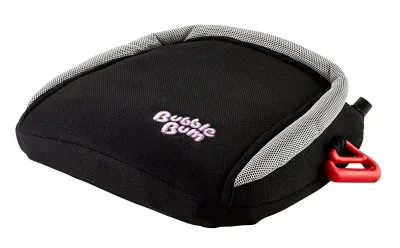
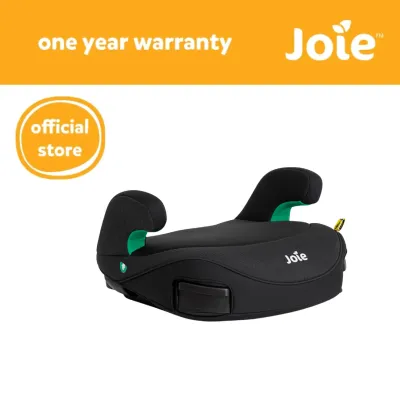
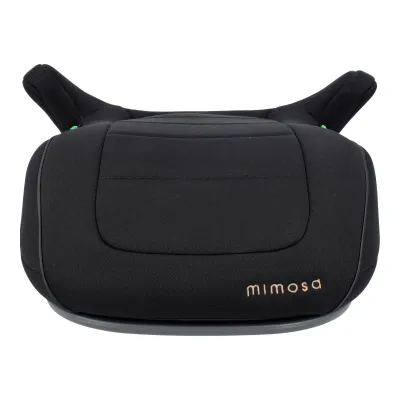
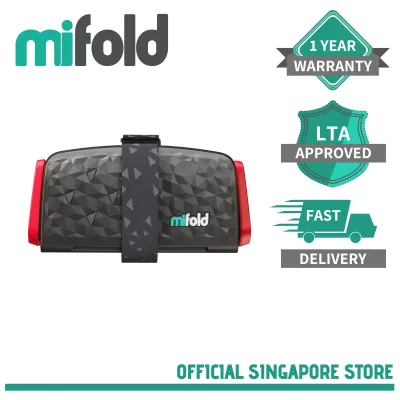
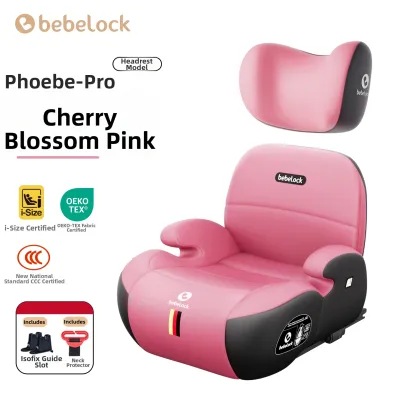
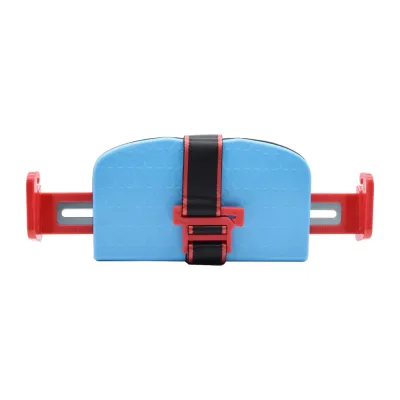
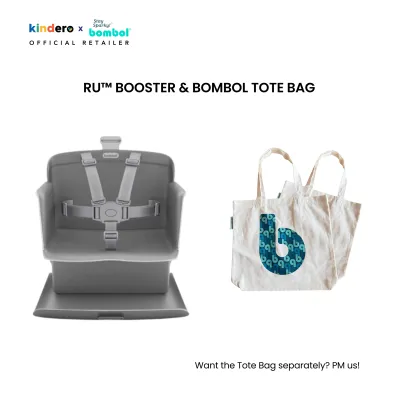
Prices are valid at publication and may change. Please refer to the product page for the latest price.
The 1.35m threshold is a scientifically backed safety baseline. Vehicle seatbelts are engineered specifically for adult bodies, which generally require a height of at least 1.45 metres to fit correctly. When a child who is too short sits directly on a vehicle seat without a booster seat, the lap belt rides up over their soft abdomen, and the shoulder belt rests across their neck or face. In a crash, this poor seatbelt geometry can cause severe internal organ injuries, spinal damage, or neck trauma—a condition often referred to as seatbelt syndrome.
While age is often used as a general guideline by manufacturers, Singapore’s legal framework prioritizes height because skeletal development and body proportions vary widely among children of the same age. A child may reach the age of seven or eight but still fall below the 1.35m mark, meaning they legally and physically still require a booster seat. Parents should regularly verify the most current legal wording, exemptions, and enforcement details directly on the official Singapore Traffic Police or Land Transport Authority (LTA) websites, as transport regulations and safety standards can be updated periodically.
Signs Your Child Has Outgrown Their Forward-Facing Car Seat
Transitioning your child to a booster seat too early is a common mistake that can compromise their safety. A forward-facing car seat with a five-point harness provides superior protection by distributing crash forces across the strongest parts of a child’s body. You should only consider moving your child to a booster seat once they have fully outgrown their harnessed seat.

Checking the Harness and Height Limits
To determine if your child has outgrown their forward-facing seat, you must first inspect the specific limits set by the manufacturer. Locate the physical safety sticker on the car seat shell or refer directly to the product manual. These documents outline the maximum weight and height capacities allowed for the harness mode.
There are three key visual checkpoints to monitor during regular growth checks:
- The head position: The top of your child's ears must not reach or exceed the top edge of the car seat's hard plastic headrest or shell.
- The harness height: For forward-facing seats, the shoulder straps must emerge from the slots at or slightly above your child's shoulders; if the slots are below the shoulders even at the highest adjustment, the seat is outgrown.
- The weight limit: Your child's weight must not exceed the maximum weight limit specified for the internal harness system.
Reaching any single one of these limits—weight, height, or harness slot height—means the seat is fully outgrown, even if your child seems comfortable and fits within the other parameters. Always verify these limits from your specific seat’s documentation rather than relying on product names or generic age suggestions.
Behavioral and Comfort Signals
While physical measurements are the primary indicators, your child may also exhibit behavioral or comfort signals when their car seat becomes too cramped. They might complain about restricted legroom, struggle with shoulder space, or find the harness uncomfortable even when adjusted correctly. You might also notice the harness straps twisting frequently because the fit is too tight across their torso.
However, discomfort alone is not a valid reason to transition to a booster seat prematurely. If your child complains but still falls well within the height and weight limits of their harnessed seat, you should keep them in that seat. A booster seat requires a level of behavioral maturity that younger toddlers do not possess; they must be able to sit relatively still without slouching, leaning over, or pulling the seatbelt out of position for the entire duration of the ride.
How to Measure Your Child and Check Booster Seat Fit
To ensure your child is ready for a booster seat and that the seat functions correctly, you must obtain precise physical measurements and perform a hands-on fit check.
Measuring Height and Weight Accurately
To get an accurate height measurement, have your child remove their shoes and stand flat against a straight wall. Ensure their heels, buttocks, shoulders, and the back of their head touch the wall. Use a flat ruler or book resting horizontally on top of their head to mark the wall, then measure from the floor to that mark with a tape measure. For weight, use a reliable digital scale while the child is wearing light clothing.
Compare these exact figures against the specifications of the booster seat you plan to use. Every booster seat has a designated minimum height and weight requirement. Placing a child in a booster seat before they meet these minimum specifications is highly dangerous, as the vehicle’s seatbelt will not route correctly over their smaller frame. Always verify these limits in the product manual before purchase.
The Seatbelt Positioning Check
Unlike a harnessed car seat, a booster seat does not restrain your child directly. Instead, it lifts your child’s body so that the vehicle’s adult seatbelt fits safely across their skeletal structure. When your child is seated in the booster, you must perform a visual check of the seatbelt’s path:
- The lap belt: This portion must lie flat and snug across your child's upper thighs and pelvis. It must never rest on or across the soft belly, as this can cause severe internal injuries during a sudden stop.
- The shoulder belt: This strap must cross the center of your child's shoulder and chest. It should lie flat and secure, avoiding the neck or face, and must not slip off the outer edge of the shoulder.
Most high-back booster seats feature built-in belt routing guides or adjustable headrests designed to position the shoulder belt correctly. Ensure you thread the belt through these guides exactly as directed by the manufacturer’s instructions.
The 5-Step Seatbelt Fit Test: When to Ditch the Booster
Even if your child has reached the legal height threshold of 1.35 metres in Singapore, they may not be physically ready to transition to using a vehicle seatbelt alone. To safely diagnose whether your child can ditch the booster seat, you should perform the universally recognized 5-step seatbelt fit test in the specific vehicle they will be riding in.
1. The Backrest Test Have your child sit all the way back against the vehicle’s seat backrest. Their back and bottom should be completely flush against the seat cushion without any slouching.
2. The Knee Test Look at your child’s knees as they sit fully back. Their knees must bend comfortably and naturally over the front edge of the vehicle’s seat cushion. If their legs stick straight out or their knees bend before the edge of the seat, they will inevitably slouch forward, causing the lap belt to ride up onto their stomach.
3. The Shoulder Belt Test Examine where the shoulder belt crosses your child’s upper body. It must lie flat across the center of the shoulder, resting between the neck and the arm. If the belt rubs against their neck or face, or slips off their shoulder, they still require a booster seat to adjust the routing.
4. The Lap Belt Test Check the position of the lap belt. It must sit as low as possible, touching the upper thighs and hips. It must not ride up onto the soft abdominal area.
5. The Behavior Test Assess whether your child can maintain this exact sitting position for the entire duration of your journey. If they tend to slouch, wiggle, lean sideways, or tuck the shoulder belt under their arm or behind their back, they are not yet mature enough for a regular seatbelt and should remain in a booster seat.
If the answer to any of these five steps is “no,” your child is not yet ready to transition to a seatbelt alone. They should continue using a booster seat for optimal safety, regardless of their age or whether they have reached the 1.35m legal height limit.
What to Do Next: Choosing the Right Booster or Transitioning
Once you have assessed your child’s measurements and physical readiness, you can determine the correct action path for their safety.
- Path A (Not Ready for a Booster): If your child still fits within the height and weight limits of their forward-facing harnessed car seat, keep them there. The five-point harness remains the safest method of restraint for young children.
- Path B (Ready for a Booster): If they have outgrown their harnessed seat but do not yet pass the 5-step seatbelt fit test, transition them to a booster seat. You will need to choose between a high-back booster and a backless booster. High-back boosters are highly recommended for younger or smaller children because they provide built-in side-impact protection, head support, and precise shoulder belt routing guides. Backless boosters are more compact and portable, making them suitable for older, taller children who already have good torso control and only need a lift to ensure the lap belt fits correctly.
- Path C (Ready for a Seatbelt Only): If your child is at least 1.35 metres tall and successfully passes all five steps of the seatbelt fit test, they can safely transition to using the vehicle's seatbelt alone.
Before making any changes, check the applied product’s label and the treated item’s manufacturer instructions. If instructions conflict, the item is unidentified, or the use is not covered, stop and consult the manufacturer or a qualified professional. Because vehicle travel safety depends on multiple variables, no restraint can guarantee absolute safety in every scenario. If you are unsure about the correct installation or fit, stop use and consult a certified child passenger safety professional.
Frequently Asked Questions (FAQ)
Do children need a booster seat in Singapore taxis and private hire cars?
In Singapore, public taxis are legally exempt from the child restraint requirement because they are classified as public transport. However, safety experts strongly advise using a portable travel booster seat even in taxis, as the physical laws of a crash remain the same. Conversely, private hire cars booked via mobile apps are not exempt from the law. Any child under 1.35 metres travelling in a private hire car must use an appropriate child restraint. When booking private hire rides, you must bring your own portable travel booster or select specialized family-friendly ride tiers that provide pre-installed car seats.
Can my child sit in the front seat with a booster seat in Singapore?
Legally, a child under 1.35 metres can sit in the front passenger seat of a vehicle in Singapore, provided they are secured in an approved booster seat or child restraint. However, safety organizations universally recommend that the rear seat is the safest place for children. Front passenger airbags deploy with extreme force and can cause severe head or neck injuries to a child in a booster seat. If you must place your child in the front seat, slide the vehicle seat as far back as possible away from the dashboard, and consult your vehicle’s manual to deactivate the passenger airbag if possible.
What is the difference between a high-back and a backless booster?
A high-back booster features a built-in backrest and head support, which provides essential side-impact protection and keeps the vehicle’s shoulder belt aligned correctly across the child’s chest. This type is ideal for younger children transitioning out of a harnessed seat. A backless booster consists only of a seat cushion that lifts the child up so the lap belt sits low on their hips. Backless models are highly portable and suitable for older, taller children who no longer need upper body support but still require a height boost for proper belt positioning.

Community discussion
Share your experience or ask a question. Comments are reviewed before publication.