
Breastfeeding is a deeply rewarding journey, but it often comes with physical adjustments that can cause discomfort. If you are experiencing sore nipples, constant milk leakage, or difficulty with your baby latching due to flat or inverted nipples, you might be looking for a practical solution. Breast shells are specialized, wearable accessories designed to address these specific challenges. Unlike soft, absorbent breast pads that sit flat against your skin, breast shells are hollow, dome-shaped cups that slip directly into your bra. They provide a physical barrier between your sensitive skin and your clothing, helping to manage milk flow and protect healing tissue.
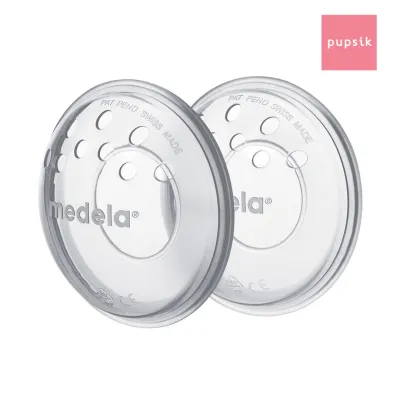
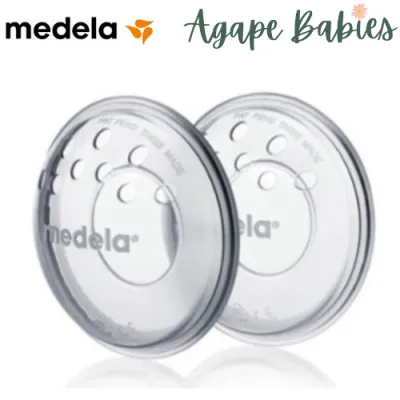
A typical breast shell consists of two main components: a hard, protective outer plastic shell and a soft, flexible inner silicone membrane or ring that rests gently against your breast. The hard outer shell features ventilation holes to allow air to circulate around the nipple, which is crucial for skin recovery, while also creating a secure void that prevents your bra from rubbing against irritated areas. The soft inner backing ensures a comfortable fit and helps seal the shell against your skin to collect any leaking milk. Understanding how these components work together is the first step in deciding whether adding breast shells to your daily routine will offer the relief and convenience you need.
Key Signs You Might Benefit from Breast Shells
Determining whether breast shells are right for you depends on observing your body’s specific responses during the early weeks of breastfeeding. While some parents find standard nursing pads sufficient, others require a more structured solution to manage discomfort and milk flow. By identifying your primary breastfeeding challenges, you can determine if the physical design of a breast shell aligns with your daily comfort and feeding goals.
Products mentioned in this guide
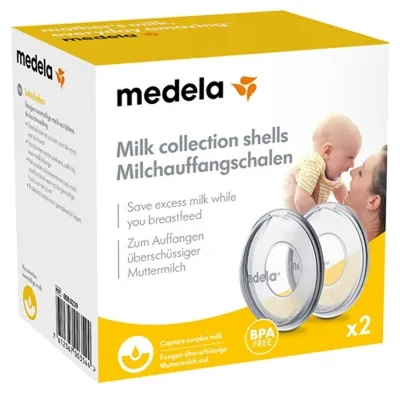
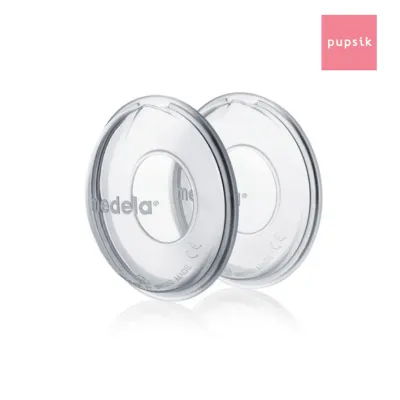
Prices are valid at publication and may change. Please refer to the product page for the latest price.
Dealing With Frequent Milk Leaks
Many breastfeeding parents experience a strong, unpredictable let-down reflex, especially in the opposite breast while nursing or pumping. If you find that standard absorbent breast pads quickly become saturated, heavy, or soggy, breast shells can offer a more efficient alternative. Heavy leaking can lead to damp clothing and constant skin exposure to moisture, which can cause irritation over time.
Breast shells act as active collection cups rather than simple absorbers. Instead of trapping moisture against your skin, the hollow dome collects the leaking milk in a clean, dry chamber. This keeps your skin dry and prevents the cold, damp sensation associated with wet fabric pads. However, managing this collected milk requires strict hygiene; you must empty the shells regularly and clean them according to the manufacturer’s instructions to prevent bacterial growth.
Experiencing Sore, Cracked, or Sensitive Nipples
Nipple soreness is a common challenge during the initial stages of breastfeeding, often exacerbated by the constant friction of clothing or nursing bras rubbing against sensitive skin. If even the lightest touch of fabric causes discomfort, breast shells can provide immediate relief by creating a protective shield. The rigid outer dome holds your clothing away from the nipple, allowing the area to rest and heal without constant irritation.
While shells are excellent for preventing friction, they are not a cure for underlying issues. If you observe open wounds, bleeding, deep cracks, or signs of infection such as localized warmth or unusual discharge, you should stop using breast shells immediately and consult a healthcare professional or a certified lactation consultant. Additionally, you must ensure the shell fits your breast anatomy correctly; an improperly sized shell can apply excessive pressure to the surrounding tissue, which can restrict milk flow and worsen existing soreness.
Navigating Flat or Inverted Nipples
If you have flat or inverted nipples, your baby may find it difficult to establish a deep, comfortable latch during the first few weeks of feeding. You can observe how your nipples behave by gently compressing the areola; if the nipple retracts or remains flat, it can make latching a challenge. Breast shells can be used between feeding sessions to help draw the nipple outward.
The soft silicone backing of the shell applies a gentle, continuous pressure around the base of the nipple, encouraging it to project forward into the hollow dome. It is important to understand that while breast shells can assist in preparing the nipple for a feed, they are not guaranteed medical correction devices. Because every individual’s anatomy is unique, consulting a lactation specialist is highly recommended to assess whether using shells for this purpose is appropriate and safe for your specific anatomy.
When You Should Avoid or Stop Using Breast Shells
While breast shells offer valuable protection and collection benefits, they are not suitable for every situation, and improper use can lead to complications. It is essential to monitor your breasts daily for any signs of discomfort or skin changes. If you experience symptoms of milk stasis, such as hard lumps, localized pain, or redness, you should avoid using breast shells. The circular pressure from the inner ring can compress milk ducts, potentially worsening engorgement or contributing to blocked ducts and mastitis.

Active skin infections are another critical contraindication. Conditions like thrush thrive in warm, dark, and moist environments. Because breast shells trap humidity close to the skin, wearing them during an active fungal or bacterial infection can worsen the condition and delay healing. If you suspect you have thrush or another skin infection, keep the area dry, discontinue shell use, and seek medical advice.
You should also stop using breast shells immediately if you notice deep skin indentations, increased pain, or a sudden restriction in your milk flow. These are clear indicators that the shells are either poorly fitted or being worn for too long. Severe nipple damage or persistent pain should never be managed solely with over-the-counter barrier solutions; always seek a professional medical evaluation to address the root cause of your breastfeeding difficulties.
Practical Tips for Choosing and Using Breast Shells
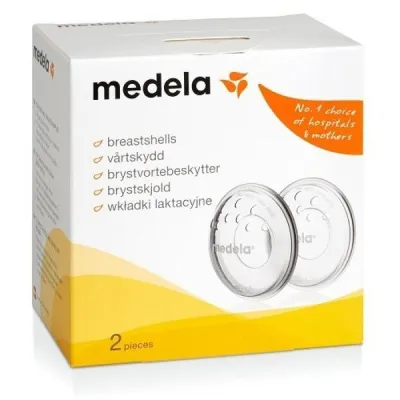
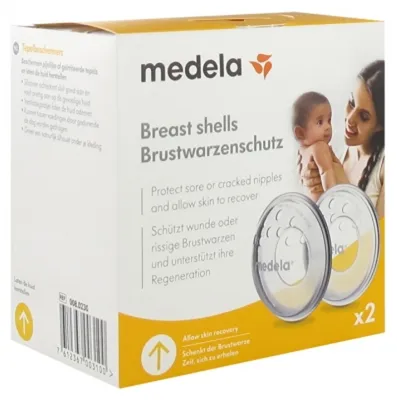
Selecting the right breast shells and using them correctly is vital for maintaining breast health and ensuring comfort. When shopping, look for reputable options like the Medela breast shell or other trusted brands that offer clear sizing guidelines and high-quality, food-grade materials. Always review the manufacturer’s instructions carefully to understand the recommended wear time limits, assembly steps, and cleaning routines specific to that product.
In warm and humid climates, such as in Singapore, managing moisture and hygiene is particularly important. To prevent skin maceration and bacterial growth, limit the time you wear breast shells to short intervals, typically between feedings, rather than wearing them continuously throughout the day. Check your skin health daily, looking for any redness, irritation, or pressure marks, and adjust your usage frequency based on your personal comfort and healing progress.
When purchasing breast shells in Singapore, expect to find them at major baby specialty stores or online marketplaces for around S$15 to S$30 per set, depending on the brand and included accessories. Safe handling of any collected milk is another crucial consideration. You must consult local health guidelines or a healthcare professional regarding the safety of feeding milk collected in shells to your baby. Because the milk sits close to body heat inside the shell, it may not be suitable for storage or feeding if it has been held at room temperature for too long. Always prioritize hygiene by washing the shells with mild soap and water, and sterilizing them according to the manufacturer’s guidelines before each use.
Frequently Asked Questions (FAQ)
Can I wear breast shells while sleeping?
It is generally not recommended to wear breast shells while sleeping. When you lie down, your body weight and movement can cause the hard outer shell to press unevenly against your breast tissue. This localized, prolonged pressure can compress your milk ducts, leading to painful blockages, engorgement, or even mastitis. For overnight protection against leaks, it is safer to use soft, breathable, and absorbent breast pads, and always check your specific product’s manufacturer guidelines for overnight safety warnings.
Is the milk collected in breast shells safe to feed my baby?
Whether you can safely feed collected milk to your baby depends on how long the milk has been in the shell and the temperature of your environment. Because breast shells hold milk close to your warm body, bacteria can multiply quickly. You should consult local health guidelines or a lactation specialist for specific safe-handling rules. If you cannot guarantee that the milk was collected hygienically and transferred to a refrigerator or freezer within a safe timeframe, it is best to discard it to protect your baby’s health.

Community discussion
Share your experience or ask a question. Comments are reviewed before publication.