
Deciding between a dedicated toilet squat stool and a regular step stool for potty training comes down to your child’s physical comfort, confidence, and natural posture. While a specialized squat stool is designed to elevate a toddler’s knees above their hips to mimic a natural squatting position, a standard flat step stool can be entirely sufficient if your child can already rest their feet flat and maintain a secure, relaxed posture. The primary goal of any bathroom footrest during this transition is to eliminate dangling feet, which can cause anxiety and physical tension during bowel movements.
When toddlers transition from a low, floor-level potty chair to a standard adult toilet, the sudden height difference can be intimidating. Without proper foot support, children often feel as though they might fall into the bowl, leading them to tense their pelvic floor muscles and hold back bowel movements. Providing a stable platform for their feet is one of the most effective ways to build confidence and establish a healthy, stress-free bathroom routine.
Understanding the Squatting Position for Toddler Bowel Movements
Elevating a toddler’s feet while they sit on an adult toilet significantly alters their body mechanics. When a child sits on a standard toilet seat with their legs dangling, their hips form a 90-degree angle, which naturally tightens the puborectalis muscle. This muscle acts as a sling around the lower rectum, maintaining continence but also creating a bend that can make passing stool more difficult for a small child.
Products mentioned in this guide
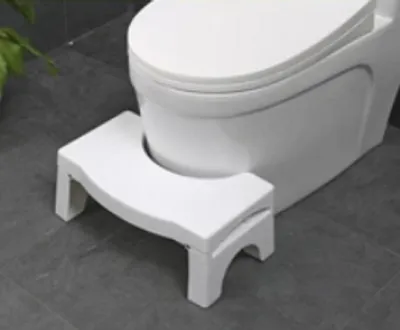
![[SG Stock]Anti Slip Design Bathroom Chair Squat Step Stool Potty Toilet Portable Sturdy Footstool Toilet Training](https://img.lazcdn.com/g/p/6aef88552f03e0481efb01a91808244c.jpg_400x400q80.jpg_.webp)
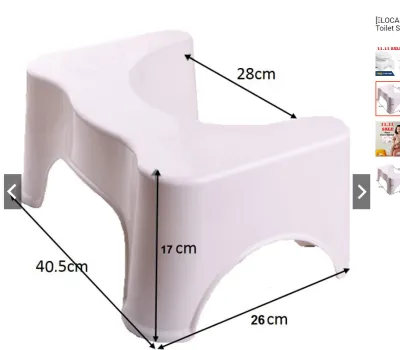
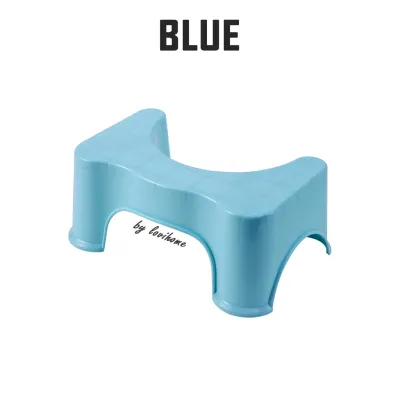
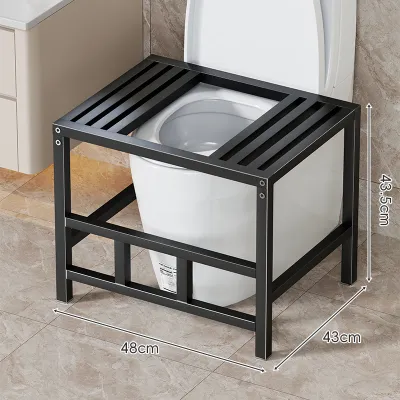
Prices are valid at publication and may change. Please refer to the product page for the latest price.
By raising the feet so that the knees are positioned slightly above the hips, the angle between the torso and thighs decreases to approximately 35 degrees. This posture mimics a natural squatting position, which helps relax the puborectalis muscle and straightens the rectal path. For a toddler whose abdominal muscles are still developing, this physical alignment reduces the effort required to pass stool comfortably.
It is important to understand that this guide focuses on physical support, ergonomic comfort, and building potty training confidence. While proper posture supports natural, comfortable elimination, a toilet stool is a physical aid rather than a medical treatment. If your child experiences chronic digestive discomfort, pain, or persistent issues, you should consult a qualified healthcare professional for guidance.
Signs Your Child Might Benefit from a Toilet Squat Stool
Observing your child’s physical posture and behavior during toilet visits can help you decide if a specialized squat stool is necessary. One of the most common physical signs is dangling feet, which leaves the child without a stable base to push against or balance themselves. If you notice your child leaning forward excessively, gripping the edges of the toilet seat tightly, or constantly shifting their weight, they are likely struggling to feel secure on a standard flat step stool.

Behavioral signals can also indicate that the current bathroom setup is causing discomfort. A child who shows sudden reluctance to use the adult toilet, exhibits visible straining, or begins withholding bowel movements may be reacting to the physical strain of an unsupported posture. When a child associates the toilet with instability or physical effort, they may resist training altogether, leading to setbacks in their progress.
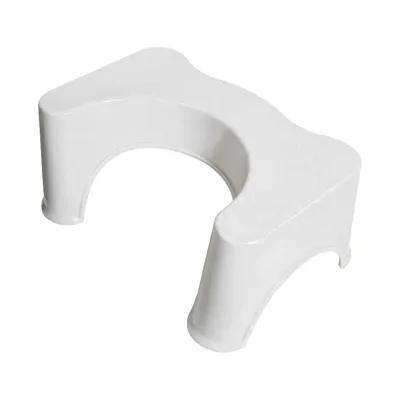
The transition from a floor-level potty to an adult toilet is a key trigger for introducing a specialized stool. A dedicated squat stool typically features a curved design that wraps around the base of the toilet, providing a much wider and more stable platform than a standard step stool. This wrap-around design allows the child to step up easily, turn around safely, and plant their feet wide apart, which helps them feel fully supported and secure.
When a Regular Step Stool Is Enough
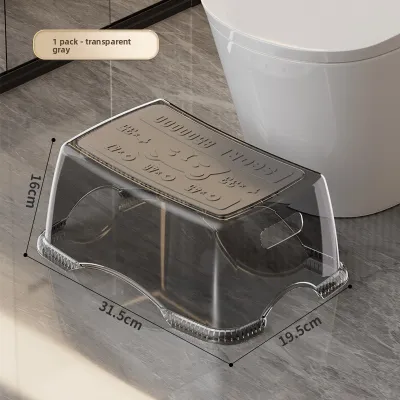
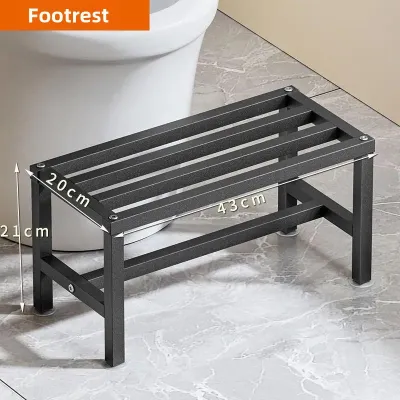
A specialized squat stool is not a mandatory purchase for every family, and a basic, flat step stool is often completely adequate. If your child is physically ready, they may easily climb up the step stool, turn around, and sit with their feet resting flat on the platform. If this setup allows them to maintain a comfortable, upright posture with their knees slightly bent, a standard stool is serving its purpose well.
You can confidently stick with a regular step stool if your child is already demonstrating successful, stress-free toilet habits. If they are having regular, comfortable bowel movements without straining, showing anxiety, or resisting toilet visits, there is no urgent need to change their setup. A simple step stool that provides basic height and stability is doing exactly what your child needs to feel grounded.
Practical bathroom constraints also play a major role in this decision. Standard step stools are typically lightweight, compact, and easy to move aside when adults need to use the toilet. If you have a small bathroom layout or share a single bathroom among multiple family members, a simple step stool that can be tucked into a corner or under the sink is often the most practical and clutter-free solution.
How to Choose and Set Up the Right Stool for Your Toilet
When selecting any stool for your bathroom, safety and stability must be your top priorities. Look for models that feature robust, non-slip rubber grips on the bottom to prevent the stool from sliding on tiled bathroom floors. The top surface should also have a textured, slip-resistant pattern to ensure your child has secure footing, even when stepping with wet feet or socks. Always check the manufacturer’s specified weight limits and ensure the stool has a wide, flared base to prevent tipping when weight is shifted to the edges.
Height alignment is another critical factor to consider relative to your specific toilet seat. Measure the height of your toilet bowl and compare it to the height of the stool to ensure it will raise your child’s knees to a comfortable angle. A stool that is too low will leave their legs dangling, while one that is too high might make it difficult for them to balance or sit back comfortably on the seat insert.
Maintenance and hygiene are especially important in humid bathroom environments, such as those found in Singapore. Choose stools made from durable, non-porous plastics that are easy to wipe down with mild soap and water. Regularly inspect the underside of the stool and the rubber grip pads for any signs of mold, mildew, or wear, and replace the stool if the non-slip material begins to degrade or lose its grip on the floor.
Frequently Asked Questions (FAQ)
Can a toilet squat stool help with toddler constipation?
A toilet squat stool can support comfortable elimination by naturally aligning the body and relaxing the pelvic floor muscles, which makes passing stool physically easier. However, a stool is a physical positioning aid, not a medical device, and it cannot cure or treat underlying digestive issues. If your child experiences persistent constipation, pain, or bleeding, you should consult a pediatrician for a proper medical evaluation.
At what age should I introduce a step stool for potty training?
Rather than relying on a specific chronological age, you should introduce a step stool based on your child’s physical milestones and developmental readiness. Look for signs such as the ability to climb steps safely, balance independently, and follow simple instructions. This readiness typically aligns with the start of active toilet training, and parents should always provide close supervision and physical assistance during early use to prevent slips or falls.
Do I need a special toilet seat insert along with the squat stool?
Yes, using a secure toilet seat insert alongside a squat stool is highly recommended for a complete and safe potty training setup. Without a reducer seat, a toddler may feel insecure or risk slipping into the wide opening of an adult toilet bowl, which can cause anxiety. Combining a stable footrest with a properly fitted seat insert provides full-body support, allowing your child to sit comfortably and focus on training with confidence.

Community discussion
Share your experience or ask a question. Comments are reviewed before publication.