
Deciding whether to purchase a suction bowl for your baby’s weaning stage depends largely on your child’s developmental progress, feeding style, and your home environment. While some parents find these specialized kids bowls to be indispensable tools that prevent daily mealtime chaos, others find that standard bowls work perfectly well. There is no single correct choice, as every baby develops motor skills and behavioral patterns at their own pace.
In Singapore, where families often seek efficient ways to manage household routines, selecting the right feeding gear can streamline cleanup and make mealtimes more enjoyable. However, before investing in a full set of suction tableware, it is highly beneficial to assess your baby’s specific feeding habits, your dining surfaces, and the developmental purpose behind their mealtime play. This guide will help you evaluate whether a suction bowl is a necessary addition to your weaning toolkit or if standard kids bowls are sufficient for your needs.
Signs Your Baby Might Need a Suction Bowl
As babies transition to solid foods around the age of six months, they begin to explore their physical environment with intense curiosity. One of the clearest signs that your baby could benefit from a suction bowl is their tendency to slide, tip, or lift their dish during meals. If you find yourself constantly catching a sliding bowl or wiping up spills caused by a sudden swipe of a tiny hand, a secure suction base can provide much-needed stability.
Products mentioned in this guide

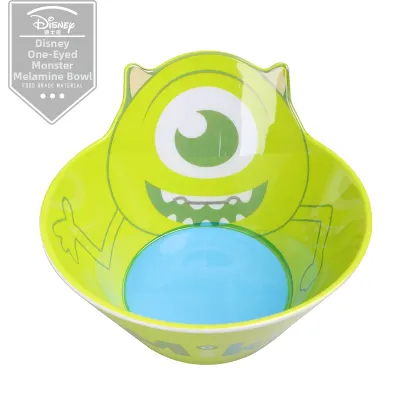
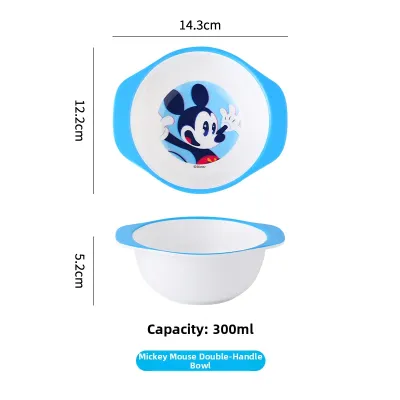

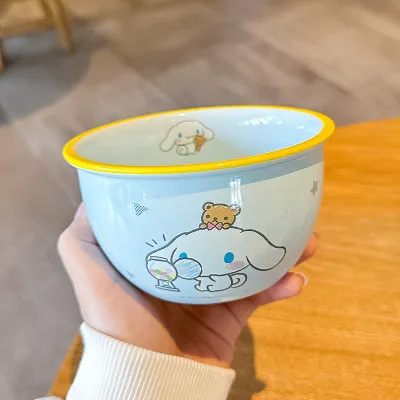
Prices are valid at publication and may change. Please refer to the product page for the latest price.
This behavior is closely tied to your baby’s developing motor skills and arm strength. During the early stages of self-feeding, infants lack the refined hand-eye coordination required to scoop food smoothly. They often use their entire arm to reach for the bowl, which can easily push a lightweight, standard dish off the highchair tray. A suction bowl anchors the dish in place, allowing your baby to focus their energy on grasping the food rather than chasing a moving target.
It is also helpful to observe whether your baby is engaging in normal sensory exploration or if they have developed a habit of flipping the bowl. Babies learn about gravity and cause-and-effect by dropping objects to see where they land and what sound they make. If your baby treats the bowl itself as a toy to be flipped and thrown, a suction base can gently disrupt this habit. By keeping the bowl firmly attached to the tray, you redirect their attention back to the textures and tastes of the food.
When a Standard Kids Bowl Is Enough
Despite the popularity of suction tableware, a standard kids bowl is often entirely sufficient for many feeding scenarios. If you are practicing traditional weaning where you spoon-feed purees to your baby, they will not have direct contact with the bowl. In this case, you will be holding the dish yourself, making a suction base unnecessary. A simple, lightweight bowl is much easier for you to hold, wash, and store during these early weeks.

As your child grows into an older toddler, they will naturally begin to outgrow the phase of throwing and dropping objects. Once a child understands basic table boundaries and has developed the coordination to scoop food without pushing the bowl around, standard kids bowls become the more practical, long-term option. These standard dishes are often easier to stack in kitchen cabinets and can transition into everyday family use as your child grows.
Furthermore, the physical environment of your dining area plays a major role in how well suction tableware functions. Suction bases rely on creating an airtight vacuum seal, which requires a completely smooth, flat, and non-porous surface. If your family dines on a textured wooden table, a matte-finished highchair tray, or a surface with deep grain, even the strongest suction mechanism will fail to adhere. In these situations, a standard bowl paired with a non-slip silicone placemat may be a more effective and versatile solution.
How to Evaluate Suction Bowl Features for Your Needs
If you decide that a suction bowl is the right choice for your household, you should carefully evaluate several product specifications before making a purchase. First, verify the compatibility of the suction base with your specific highchair model. Some highchair trays are slightly curved or have textured surfaces that prevent a secure seal. Checking the manufacturer’s dimensions and surface recommendations can save you from purchasing an incompatible item.
Material safety and maintenance are equally critical. Look closely at the manufacturer’s instructions regarding temperature limits. While many modern kids bowls are made of food-grade silicone or plastic, their tolerance for microwave heating, dishwasher cycles, and steam sterilizers varies significantly. Some suction bases are detachable to prevent heat damage during sterilization, so verify these care instructions to ensure the product fits your cleaning routine.
Always verify the recommended age range, weight limits, and specific method of use in the product documentation. Never assume a bowl is suitable for your baby’s developmental stage based on the product name alone; instead, consult the manufacturer’s warnings and ensure active caregiver supervision during every meal. Additionally, safety standards, material certifications (such as BPA-free claims), and product recalls are dynamic. Parents should independently verify these certifications on the official manufacturer website or packaging before introducing any new kids bowls to their child.
Finally, consider the physical shape of the bowl. For babies practicing self-feeding, a bowl with an inward-curving lip or a raised edge is highly beneficial. This design helps them push food against the side of the bowl to load their spoon, reducing frustration and encouraging independent eating. The depth of the bowl should also match their portion sizes; a bowl that is too deep may block their line of sight, while one that is too shallow will not contain liquids or purees effectively. If you observe persistent difficulties with swallowing, chewing, or a strong aversion to textures, stop using self-feeding tools and consult a pediatrician or a pediatric occupational therapist for professional guidance.
Practical Tips for Managing Mealtime Messes Beyond the Bowl
While suction bowls are excellent tools, they are not a complete solution for the inevitable mess of weaning. To manage mealtime challenges holistically, start by adjusting the presentation of the food. Offering finger foods that are easy for your baby to grasp—such as soft-cooked vegetable batons or fruit slices—reduces the likelihood of them getting frustrated and throwing the food out of the bowl.
Equipping your dining space with the right accessories can also dramatically simplify cleanup. A high-quality silicone bib with a wide, open pocket is highly effective at catching dropped food before it reaches your baby’s lap or the floor. For the surrounding area, placing a washable splash mat or an easy-to-wipe plastic sheet under the highchair protects your flooring from stray splatters, which is especially useful in Singapore apartments with tiled or parquet flooring.
Behavioral strategies are just as important as physical tools. When your baby throws food or attempts to pull the bowl off the tray, try to respond calmly and neutrally. Reacting with high energy—even if it is to say “no” dramatically—can inadvertently reinforce the behavior, as babies often repeat actions that get a strong reaction from caregivers. If they continue to throw food, it may be a sign that they are full or bored, indicating it is time to end the meal.
Frequently Asked Questions (FAQ)
Why does my baby keep throwing food out of the bowl?
Food throwing is a completely normal developmental milestone. Babies are natural scientists; they throw food to explore gravity, observe how different textures land on the floor, and listen to the sounds they make. It is also a primary way for pre-verbal infants to communicate. If they are full, tired, or simply do not want a specific food, throwing it is a clear signal of their state. Lastly, they are testing cause-and-effect relationships, watching closely to see how you react and whether you will pick the item up.
Can suction bowls completely prevent mealtime messes?
No, suction bowls cannot completely eliminate mealtime messes. While a strong suction base prevents the entire bowl of food from being flipped onto the floor, it does not stop your baby from using their hands to smear, drop, or throw individual pieces of food. Weaning is inherently a sensory, messy process that is vital for motor skill development. A suction bowl should be viewed as a tool to prevent major spills, but it must be combined with appropriate bibs, floor protection, and consistent behavioral guidance to keep mealtimes manageable.

Community discussion
Share your experience or ask a question. Comments are reviewed before publication.