
Potty training is a major developmental milestone that requires patience, consistency, and the right tools to help your toddler feel secure. When transitioning from diapers to a standard adult toilet, many children experience anxiety about the size of the seat or the coldness of the surface. A toilet seats cover can bridge this gap by providing a physical barrier that adds comfort, reduces slipping, and makes the toilet feel less intimidating. Choosing between disposable and reusable toilet seat covers depends on whether your training occurs primarily at home or on the go, as well as your preferences regarding laundry routines and environmental impact.
Identifying Your Potty Training Routine and Needs
To select the most practical option, start by analyzing where your child spends most of their day. If your family travels frequently, visits local parks, or spends weekends at shopping malls, public restrooms will play a significant role in your potty training journey. Conversely, if your toddler is primarily at home or attending a structured preschool with child-sized facilities, your needs will center around a consistent domestic routine.
Sensory preferences are another critical factor to observe. Some children are highly sensitive to the temperature and texture of toilet seats, reacting negatively to cold plastic or rough paper. A soft, cushioned surface can make them feel secure, while a slippery or unstable cover might trigger fear of falling in.
Products mentioned in this guide
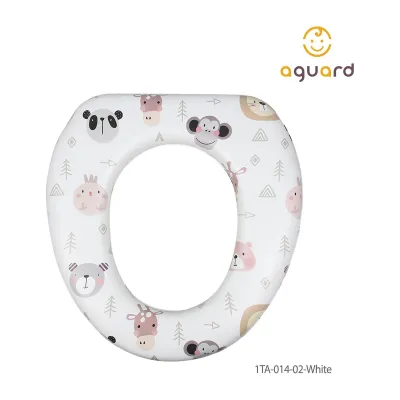
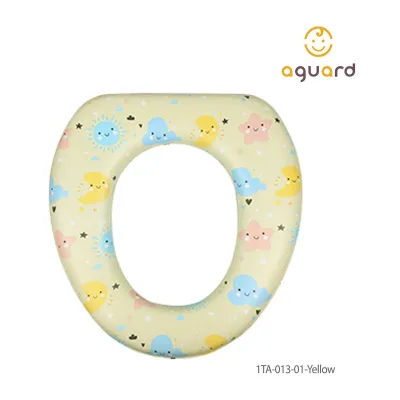
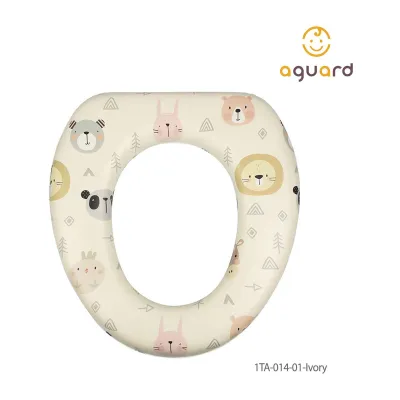
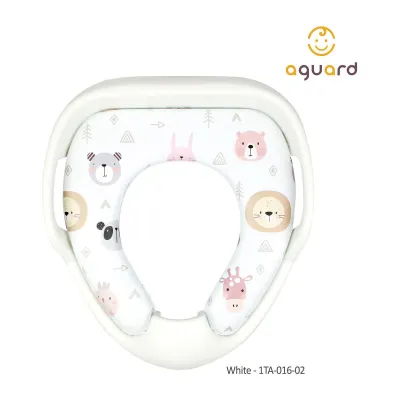
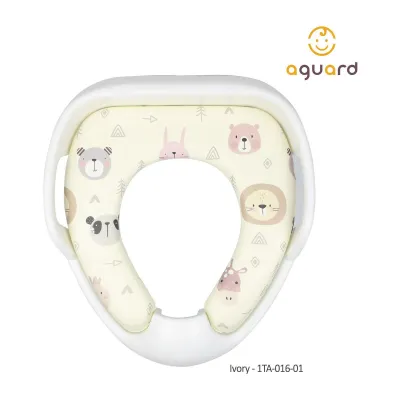
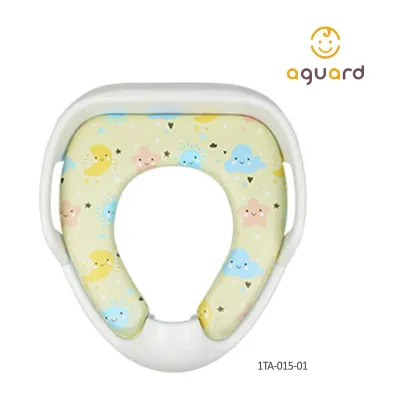
![Nature Love Mere [Nature Love Mere] Full Silicone Portable Potty Cover - Grey](https://img.lazcdn.com/g/p/dbad6ddff399288a3332c9183df337c7.jpg_400x400q80.jpg_.webp)
Prices are valid at publication and may change. Please refer to the product page for the latest price.
Caregiver capacity also shapes this decision. Consider your daily laundry volume and whether you have the time to wash, dry, and sanitize reusable gear. If your schedule is already packed, the convenience of a single-use option might outweigh other considerations, whereas families looking to minimize waste may prefer a washable alternative.
Disposable Toilet Seat Covers: Pros, Cons, and Best Use Cases
Disposable toilet seat covers are designed for maximum convenience, particularly when navigating public spaces. These single-use barriers are typically made from lightweight paper or thin plastic films, allowing them to fold flat into compact travel packs. They fit easily into diaper bags, purses, or even pockets, making them highly accessible when a toddler suddenly announces they need to use a public restroom.

The primary advantage of a disposable cover is the immediate hygiene barrier it provides in high-traffic environments. Many public toilets are not cleaned frequently enough to meet a parent’s standards for a training toddler, who may hold onto the sides of the seat for balance. A disposable cover that drapes over the front and sides of the bowl prevents direct contact with unsanitary surfaces.
However, these covers come with ongoing financial and environmental costs. Because they are discarded after a single use, the expense accumulates over months of potty training. From an environmental perspective, even biodegradable paper options contribute to waste streams, and plastic-lined versions are not easily recyclable.
Stability can also be a challenge with disposable designs. Lightweight paper covers can easily shift, tear, or blow away with minor drafts or when a toddler moves. Some disposable options feature small adhesive strips to keep them in place, but these require extra setup time and may not stick well to damp or textured plastic seats.
Reusable Toilet Seat Covers: Pros, Cons, and Best Use Cases
Reusable toilet seat covers offer a durable, comfortable, and cost-effective solution for consistent home use. These covers are often made from thick, padded fabrics, silicone, or plush materials that provide a warm and inviting surface for your child. By softening the hard edges of a standard toilet seat, they help reduce the physical discomfort that can make toddlers hesitant to sit down.
At home, a reusable cover establishes a familiar routine. Toddlers thrive on predictability, and having a dedicated, comfortable seat cover can signal that it is time to use the toilet. Because they are designed for repeated use, these covers generally feature robust non-slip backings, suction cups, or secure fastening straps that prevent them from sliding around during use.
The main trade-off with reusable covers is the maintenance routine required to keep them sanitary. Caregivers must regularly wash and dry these items to prevent bacteria and moisture buildup. If a cover is made of fabric, it must be laundered frequently, which requires having multiple covers on rotation so one is always available while others are in the wash.
While the upfront cost of a reusable cover is higher than a single pack of disposables, it represents a one-time investment. Over the course of several months or even years of potty training, a few high-quality washable covers can save money compared to constantly purchasing single-use packs. They also significantly reduce household waste, aligning with eco-conscious parenting goals.
Key Comparison Factors for Toilet Seat Covers
When deciding between these two options, comparing them across specific functional dimensions can help clarify which fits your lifestyle. Hygiene management, setup speed, and long-term costs are the primary areas where these products diverge.
In public restrooms, disposable covers excel because they do not require you to carry a soiled item back home. You simply use, discard, and wash your hands. Reusable covers can be used in public, but they require a waterproof wet bag for transport after use, adding an extra step to your outing.
Setup time is another practical consideration. A toddler who is learning to recognize bodily cues often cannot wait long once they reach the bathroom. Disposable covers must be unfolded and positioned quickly, which can be tricky if they lack adhesive. Reusable covers with suction cups or snap-on designs can be installed rapidly at home, but carrying them into a public stall and aligning them while holding a squirming child can be cumbersome.
| Feature | Disposable Covers | Reusable Covers |
|---|---|---|
| Primary Environment | Public restrooms, travel, malls | Home, preschool, familiar spaces |
| Material Comfort | Thin paper or plastic, minimal padding | Padded fabric, plush, or soft silicone |
| Stability | Low to moderate (may slip without adhesive) | High (suction cups, straps, or non-slip backing) |
| Maintenance | None (discard after use) | Regular washing, sanitizing, and drying |
| Environmental Impact | High waste generation | Low waste, durable for long-term use |
| Long-Term Cost | Recurring purchases required | One-time upfront investment |
How to Choose the Right Toilet Seat Cover for Your Toddler
Choosing the right toilet seat cover comes down to mapping your child’s training stage and your daily habits. If your routine involves frequent outings, long commutes, or travel around Singapore, keeping a pack of disposable covers in your bag is highly practical. They offer peace of mind in public spaces where cleanliness is unpredictable.
If your potty training is centered at home, a reusable cover is generally the more comfortable and economical choice. It provides the stability and warmth your toddler needs to feel secure during the initial, anxious phases of training.
Many families find that a hybrid approach works best. You can install a comfortable, washable reusable cover on your home toilet to build confidence and routine, while keeping a pack of disposable covers in your diaper bag for emergencies when away from home. Before purchasing any cover, always verify the dimensions of your toilet seat and check for secure, non-slip features to ensure a safe fit.
Frequently Asked Questions (FAQ)
Do toilet seat covers fit all public toilets?
Public toilet seats come in various shapes, including round, oval, and elongated open-front designs. While many disposable covers are designed with a generous, universal cut to drape over most standard seats, they may not cover exceptionally large or uniquely shaped commercial toilets perfectly. For reusable covers, it is essential to measure your home toilet seat and compare it against the manufacturer’s specifications before purchasing, as some are designed specifically for round or elongated bowls.
How should I maintain hygiene with reusable covers?
To maintain proper hygiene, always follow the manufacturer’s specific washing instructions, as materials like silicone, foam, and fabric require different care. Fabric covers should be washed frequently in hot water with a mild, baby-safe detergent and dried thoroughly to prevent mold or mildew growth. Having at least two or three reusable covers on rotation ensures you always have a clean one ready while the others are being laundered or dried.
Are toilet seat covers necessary for potty training?
While toilet seat covers are not strictly mandatory to complete potty training, they are highly useful tools for building confidence and maintaining hygiene. They help reduce a toddler’s fear of falling into a large toilet bowl by narrowing the opening and providing a stable surface. Additionally, they protect sensitive skin from cold surfaces and public germs, making the overall bathroom experience much more positive for both the child and the caregiver.

Community discussion
Share your experience or ask a question. Comments are reviewed before publication.