
Choosing how to manage breast milk leakage is one of the many practical decisions you will make during your breastfeeding journey. Nursing pads, also known as breast pads, are essential accessories designed to absorb leaked milk, protect your clothing, and keep your skin dry and comfortable. The choice between disposable and reusable nursing pads depends on your daily routine, skin sensitivity, laundry habits, and budget.
While disposable pads offer unmatched convenience for busy days and travel, reusable pads provide a cost-effective, eco-friendly, and highly breathable alternative for home use. Many mothers find that a hybrid approach—combining both types—offers the most practical balance for their breastfeeding journey. By evaluating your personal priorities and daily schedule, you can easily find the option that fits seamlessly into your lifestyle.
Key Factors to Consider When Choosing Nursing Pads
Selecting the right nursing pad requires looking at your daily physical needs and household routine. Your milk supply changes significantly from the early postpartum weeks to later stages of lactation, which directly impacts how much absorbency you require. Understanding these shifting needs helps you avoid discomfort and unnecessary expenses.
Products mentioned in this guide
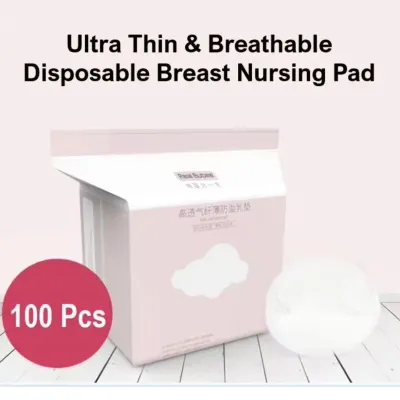
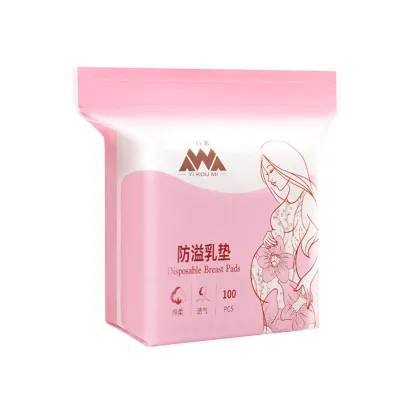
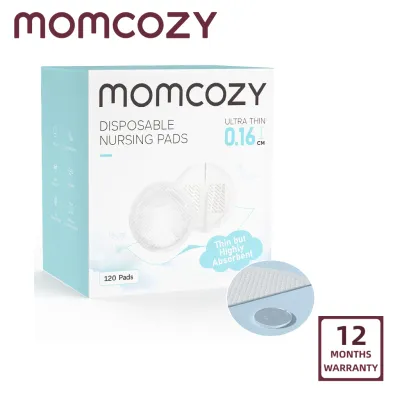
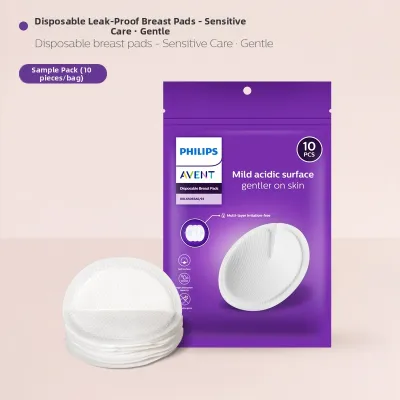
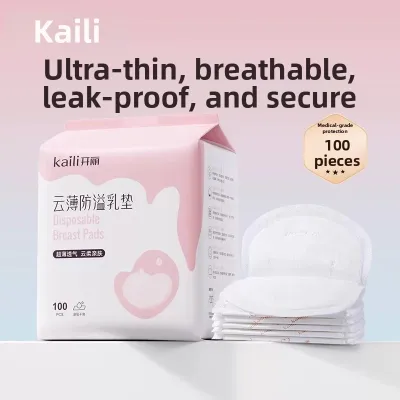
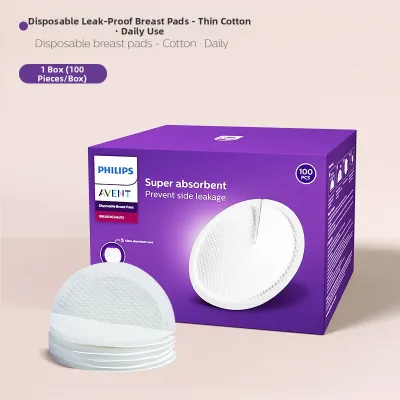
![[Singapore Seller] 50/100 Pc Disposable Adult Nursing Pad Incontinence Sheet for Elderly Pregnancy Maternity Infant Baby Urines Adult Diaper Diapers | Local Ready Stock](https://img.lazcdn.com/g/p/8b1dda71ab622cb47d5fea2eed8fee7b.jpg_400x400q80.jpg_.webp)
Prices are valid at publication and may change. Please refer to the product page for the latest price.
First, assess your daily leakage volume and how often you will need to change your pads. In the early weeks of breastfeeding, your body is still regulating its milk supply, often resulting in sudden let-downs and heavy leaking. If you experience frequent, heavy leaks, you will need highly absorbent pads that can be changed quickly to prevent moisture from sitting against your skin.
Skin sensitivity and breathability are equally critical. The breast area is highly sensitive, especially when adjusting to latching and pumping. Constant exposure to moisture can lead to sore nipples, chafing, or skin conditions like contact dermatitis. Choosing a pad with excellent breathability helps maintain a healthy skin barrier and reduces the risk of bacterial or fungal infections.
Your household laundry capacity and daily routine also play a major role. Reusable pads require regular washing and thorough drying to remain hygienic. If you already run daily laundry loads, adding a few small pads is a minor adjustment. However, if your laundry schedule is less frequent, or if you struggle with drying clothes in Singapore’s high humidity, managing a reusable rotation requires more planning.
Finally, define your budget flexibility for upfront versus ongoing costs. Disposable pads require continuous purchases, which can accumulate into a significant expense over several months or years of breastfeeding. Reusable pads require a higher upfront investment but can be washed and reused hundreds of times, offering substantial long-term savings.
Disposable Nursing Pads: Pros, Cons, and Best Use Cases
Disposable nursing pads are designed for single-use convenience and are widely available in local baby boutiques and online marketplaces. They typically feature a superabsorbent polymer core that locks moisture away from the skin, a soft non-woven top sheet, and a waterproof outer backing. Most models include adhesive strips on the back to secure the pad inside your nursing bra, preventing it from shifting as you move.

These pads are incredibly convenient for busy lifestyles. They require zero cleanup; you simply peel them off and discard them. This makes them ideal for travel, long outings, or returning to the workplace, where washing and storing wet fabric pads is impractical. They are also highly reliable for overnight use due to their high absorbency, allowing you to sleep longer without worrying about leaks.
However, the convenience of single-use pads comes with trade-offs. The recurring cost can become substantial over time, especially if you change them frequently throughout the day. From an environmental perspective, disposable pads contribute to landfill waste, as they are not biodegradable. Additionally, some mothers find that the plastic backing sheets can trap heat and moisture, which may cause discomfort or irritation in warm, humid conditions.
When shopping for disposable options, check the product labels for breathable outer layers, fragrance-free materials, and chlorine-free processing to minimize the risk of skin reactions. Identifying scenarios where single-use pads offer the most practical support—such as during family vacations or busy workdays—can help you maximize their benefits while managing your budget.
Reusable Nursing Pads: Pros, Cons, and Best Use Cases
Reusable nursing pads are washable, eco-friendly alternatives made from various fabric layers. The inner layer, which sits against your skin, is often made of soft, natural fibers like bamboo velour, organic cotton, or hemp. The middle layer contains absorbent materials, while the outer layer typically features a breathable, waterproof fabric like Thermoplastic Polyurethane (TPU) to prevent leaks from reaching your clothes.
The primary benefit of reusable pads is their long-term cost-effectiveness. Purchasing a few multi-packs of washable pads can cover your entire breastfeeding journey, saving you money compared to buying monthly boxes of disposables. They are also much gentler on the environment, drastically reducing household waste. Many mothers prefer the plush, natural feel of cotton or bamboo against sensitive, cracked, or sore nipples, as these fabrics tend to be more breathable than synthetic disposable backings.
The main drawback is the maintenance. Reusable pads must be washed regularly to prevent sour milk odors and bacterial growth. In Singapore’s humid climate, drying fabric pads completely can take time, especially if you prefer to air-dry them. If they remain damp for too long, they can develop mildew or musty smells. You will need a larger inventory of pads to ensure you always have dry pairs available while others are in the wash.
To ensure maximum comfort and protection, look for contoured reusable pads that mimic the natural shape of your breast, as flat circular pads can sometimes bunch up and show through thin clothing. These are ideal for home-based routines, mothers with sensitive skin prone to contact dermatitis, and those looking to minimize household waste.
Disposable vs. Reusable Nursing Pads Comparison
To help you weigh your options, the table below compares how both pad types perform across critical decision-making dimensions.
| Feature | Disposable Nursing Pads | Reusable Nursing Pads |
|---|---|---|
| Upfront Cost | Low (per box) | Moderate to High (multi-packs) |
| Long-term Cost | High (recurring purchases) | Low (one-time investment) |
| Daily Convenience | High (use and discard) | Moderate (requires washing and drying) |
| Skin Feel | Synthetic, dry-touch | Soft, natural fibers (bamboo/cotton) |
| Breathability | Variable (can trap heat) | High (natural fabrics are highly breathable) |
| Environmental Impact | High (landfill waste) | Low (washable and reusable) |
| Security | Excellent (adhesive strips) | Moderate (relies on bra fit to stay in place) |
When choosing between these options, remember to check current product labels and manufacturer specifications for specific absorbency claims and material compositions. Actual performance can vary based on the brand and the specific fabrics used.
How to Decide: Matching Pads to Your Lifestyle
To make your final decision, consider how each option aligns with your daily habits, physical comfort, and personal values.
Choose disposable nursing pads if:
- You have limited time or energy for extra laundry loads.
- You travel frequently, commute often, or are returning to an office environment.
- You experience heavy, unpredictable let-downs and need maximum, instant absorbency.
- You prefer the security of adhesive strips to keep the pads firmly in place during physical activity.
Choose reusable nursing pads if:
- You want to minimize your household waste and reduce your environmental footprint.
- You want to save money over a long breastfeeding journey.
- You have sensitive skin or sore nipples that benefit from soft, natural, and highly breathable fabrics.
- You have a reliable laundry routine and a suitable space to dry fabrics thoroughly.
Consider a hybrid approach if:
- You want the best of both worlds. You can wear comfortable, breathable reusable pads while relaxing at home, and switch to adhesive-backed disposables when going out, traveling, or during overnight sleep. This approach helps manage your laundry load while keeping single-use waste to a minimum.
Regardless of the type you choose, prioritize your skin health. If you experience persistent skin irritation, redness, itching, or signs of a fungal infection (such as thrush), stop using the current pad type immediately, keep the area dry, and consult a lactation consultant or healthcare professional for guidance.
Frequently Asked Questions (FAQ)
Can I use both disposable and reusable nursing pads together?
Yes, a hybrid system is highly practical. You can wear comfortable, breathable reusable pads at home where changing them is easy, and switch to adhesive-backed disposables when going out or during overnight sleep. This approach helps manage your laundry load while keeping single-use waste to a minimum.
How often should I change my nursing pads to prevent skin irritation?
You should change your nursing pads as soon as they feel damp or saturated. Leaving wet material against your skin can encourage bacterial or fungal growth. Perform regular visual and tactile checks, ensure proper air circulation, and follow any specific care instructions from your healthcare provider.
Do reusable nursing pads lose their absorbency over time?
Yes, reusable pads can gradually lose absorbency due to fabric wear or detergent buildup. Avoid fabric softeners, which coat the fibers and block moisture absorption. Inspect your pads regularly for thinning fabric or leakage, and replace them when they no longer keep you dry, rather than following a strict calendar timeline.

Community discussion
Share your experience or ask a question. Comments are reviewed before publication.