
Choosing the right breast pads is a personal decision that directly impacts your daily comfort, budget, and skin health during your breastfeeding journey. Breast pads, also known as nursing pads, are essential accessories designed to absorb leaked breast milk, protecting your clothing and keeping sensitive skin dry. In Singapore’s hot and humid tropical climate, selecting the right type of pad is even more critical, as trapped heat and moisture can quickly lead to skin irritation. There is no single “correct” choice; instead, the ideal option depends on how you balance convenience, long-term costs, and material preferences.
Quick Answer: Which Breast Pad is Right for You?
The choice between disposable and reusable breast pads is not a matter of one being objectively superior, but rather which one aligns with your daily routine, financial goals, and physical needs.
Disposable breast pads are best suited for mothers who prioritize maximum convenience, have an active on-the-go lifestyle, or are returning to a busy workplace. They are also highly effective for those experiencing heavy milk leakage, as their synthetic cores are engineered to lock away large volumes of moisture quickly. Because they require zero washing, they eliminate laundry chores during an already demanding phase of life.
Products mentioned in this guide
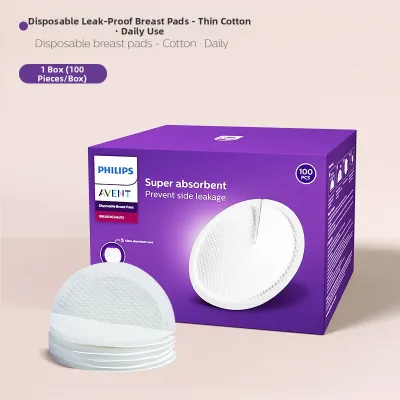
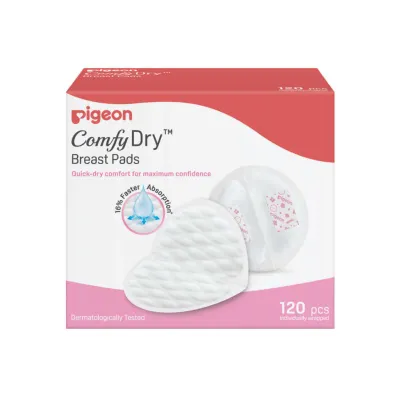
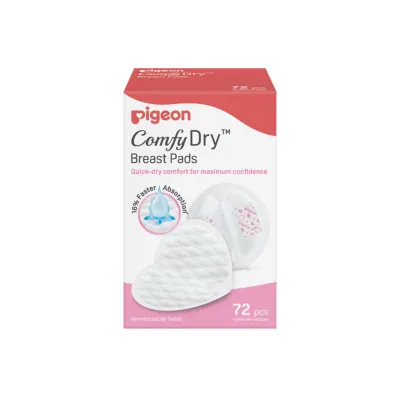
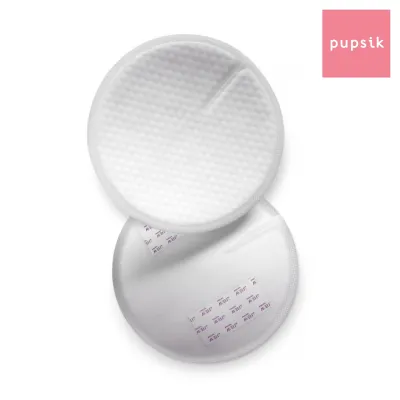
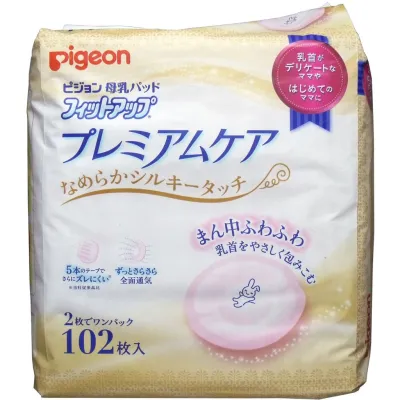
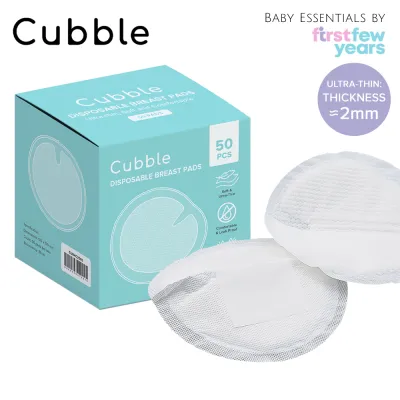
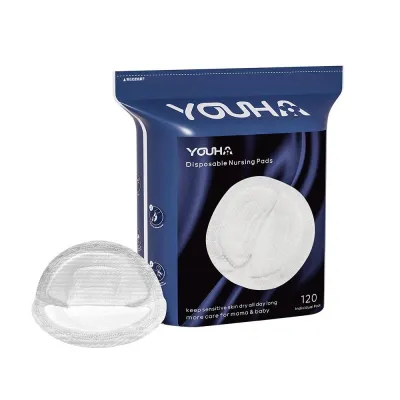
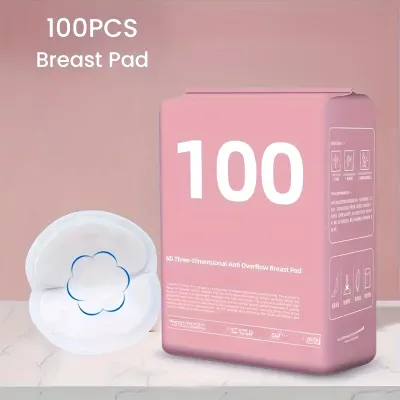
Prices are valid at publication and may change. Please refer to the product page for the latest price.
Reusable breast pads are ideal for eco-conscious mothers who wish to minimize household waste, those looking to save money over a breastfeeding journey of several months, and mothers with highly sensitive skin. Made from natural fibers like cotton or bamboo, reusable pads offer superior breathability and a softer feel against tender skin. This makes them highly comfortable in warm climates, provided you are willing to manage the regular washing routine.
Core Differences at a Glance
While both disposable and reusable breast pads serve the same primary function—absorbing leaked milk to keep your skin dry and protect your clothing—they achieve this goal through entirely different designs and materials. Disposables rely on advanced synthetic engineering to maximize fluid retention in an ultra-thin profile, whereas reusables utilize the natural absorbency of woven textiles to provide a soft, washable barrier.

Because individual brands vary widely in terms of thickness, shape, and material blends, you should always check specific product packaging and manufacturer instructions before purchasing. The table below outlines the fundamental differences between these two options across key performance and lifestyle categories.
| Attribute | Disposable Breast Pads | Reusable Breast Pads |
|---|---|---|
| Material Composition | Synthetic non-woven fabrics, plastic waterproof backing, and super-absorbent polymer (SAP) cores. | Natural or synthetic textiles such as bamboo, organic cotton, polyester fleece, and polyurethane laminate (PUL). |
| Absorbency Mechanism | Chemical polymers turn liquid into a gel, locking moisture deep inside the pad. | Layered fabric fibers absorb and hold liquid mechanically within the weave. |
| Daily Convenience | High; single-use, individually wrapped, and easily discarded after use. | Moderate; requires regular washing, rinsing, and thorough drying before reuse. |
| Cost Structure | Low upfront cost, but requires continuous, recurring purchases over time. | Higher initial purchase price for a set, but virtually free to use thereafter. |
| Eco-Friendliness | Low; contributes directly to daily household solid waste and landfill accumulation. | High; washable and reusable hundreds of times, significantly reducing waste. |
Evaluating Your Daily Routine and Convenience
Your daily schedule and where you spend most of your time are major factors when deciding which breast pads to use. If you are returning to an office environment in Singapore or travel frequently, disposable breast pads offer unmatched convenience. They are lightweight, flat, and individually wrapped, making them easy to slip into a handbag, pump bag, or desk drawer. When a pad becomes wet during a busy workday, you can simply replace it and discard the old one in a restroom bin. There is no need to carry damp, soiled pads in your bag throughout the day, which is a major advantage if you do not have private storage or washing facilities at your workplace.
Conversely, if you work from home, are on maternity leave, or have a flexible schedule that keeps you close to home, reusable breast pads fit seamlessly into your routine. Changing a reusable pad at home is straightforward, and you can immediately place the damp pad into a dedicated wet-bag or laundry basket. However, you must factor in the laundry commitment. Reusable pads must be washed frequently to maintain hygiene. In Singapore’s humid climate, line-drying thick fabric pads can take a significant amount of time, especially if your laundry area does not receive direct sunlight. You may need to purchase a larger supply of reusable pads to ensure you always have dry pairs available while others are in the wash.
Discreetness and fit under clothing also depend on your wardrobe choices. Disposable pads are typically very thin and often feature adhesive strips on the back to secure them firmly inside your nursing bra, preventing them from shifting as you move. This makes them highly discreet under thin or form-fitting office wear. Reusable pads are generally thicker and lack adhesive backings, relying instead on the friction and snug fit of your nursing bra to stay in place. While some high-quality reusables are contoured to match the breast’s natural shape, thicker flat designs may occasionally bunch up or create visible outlines under tight clothing.
Budget and Long-Term Cost Considerations
To understand the true cost of breast pads, you must look beyond the initial price tag and consider the entire duration of your breastfeeding journey. Disposable breast pads have a very low entry barrier. A single box of disposables is relatively inexpensive, making it an easy purchase when you are preparing your nursery. However, because they are single-use, these costs accumulate continuously. If you use an average of six pads per day over a six-month period, you will go through more than one thousand pads. Over a year or more of breastfeeding, this recurring expense can add up to a substantial sum.
Reusable breast pads require a higher upfront investment. You will need to purchase multiple pairs—typically between eight and twelve pairs (16 to 24 individual pads)—to ensure you do not run out between laundry cycles. While a single pack of high-quality washable pads costs more than a box of disposables, this is a one-time purchase. Once you own a sufficient supply, your ongoing costs are limited to the marginal expense of water, electricity, and mild laundry detergent.
To calculate your personal break-even point, you can use a simple framework based on your expected usage. Compare the cost of buying a continuous supply of disposables for your planned breastfeeding duration against the cost of a complete set of reusable pads. For example, if a box of 60 disposable pads costs approximately S$12 to S$15, and you use 6 pads a day, one box will last only 10 days. Over six months, you would need about 18 boxes, costing between S$216 and S$270. In contrast, three packs of reusable pads (containing 6 pads each) might cost a total of S$60 to S$90 upfront. Even when factoring in minor laundry costs, the reusable option typically becomes more economical within the first two to three months of use.
Because retail prices, packaging sizes, and shipping fees vary across different brands and local retailers in Singapore, you should check current prices for your preferred brands before making a bulk purchase. If you plan to breastfeed for a year or are planning for future children, the long-term savings offered by reusable pads become even more pronounced.
Skin Sensitivity, Breathability, and Comfort
The physical comfort of your breast pads is highly dependent on their material composition and how they interact with your skin. This is especially true during the early weeks of breastfeeding when nipples can be tender, cracked, or highly sensitive. Reusable breast pads are often favored by mothers with sensitive skin because they are made from natural, breathable fibers. Organic cotton, bamboo, and silk are exceptionally soft to the touch and do not contain the synthetic chemicals or fragrances sometimes found in disposable options. Bamboo, in particular, is highly praised for its silk-like texture and natural moisture-wicking properties, which help soothe irritated skin.
In contrast, disposable breast pads are made from synthetic materials, including a waterproof plastic outer lining and an inner core containing super-absorbent polymers (SAP). While SAP is incredibly efficient at turning liquid breast milk into a dry gel, the plastic backing can restrict airflow. In Singapore’s hot, tropical climate, this lack of breathability can trap heat and perspiration against your skin. The resulting warm, dark, and damp environment is a breeding ground for friction, chafing, and skin irritation. More seriously, it significantly increases the risk of developing thrush (a fungal yeast infection caused by Candida albicans) on your nipples, which can be highly painful and difficult to resolve while breastfeeding.
If you have known skin allergies, eczema, or highly sensitive skin, it is essential to read product labels carefully. Look for breast pads that are explicitly labeled as hypoallergenic, dermatologically tested, or free from added fragrances, chlorine, and dyes. Many high-quality disposable brands now offer ultra-breathable versions designed to minimize heat retention, which are worth verifying if you prefer the convenience of disposables but worry about skin irritation.
Regardless of whether you choose disposable or reusable pads, the most critical factor for maintaining skin health and preventing infections is frequent changing. Leaving any wet pad against your skin for an extended period compromises the skin barrier and invites bacterial or fungal growth. Always change your breast pads as soon as they feel damp. If you experience persistent nipple pain, unusual itching, redness, or symptoms of an infection, stop using your current pads and consult a doctor or a certified lactation consultant immediately.
Environmental Impact and Sustainability
For many modern mothers, the environmental footprint of baby care products is a key deciding factor. Disposable breast pads contribute directly to the global issue of single-use plastic waste. Because they are composed of synthetic fibers, plastic backings, and chemical absorbent gels, they are not recyclable. Over a typical breastfeeding journey of several months, a single mother can easily discard over a thousand individual pads, all of which end up in landfills or incineration facilities. In Singapore, where domestic waste is incinerated and the resulting ash is sent to the Semakau Landfill, reducing solid waste is a highly tangible way to support local sustainability efforts.
Reusable breast pads offer a far more sustainable profile. A single set of washable pads can be used hundreds of times, preventing a significant amount of plastic and paper packaging from entering the waste stream. While reusables do require water, energy, and detergent to wash, their overall ecological footprint is substantially lower than the manufacturing, shipping, and disposal lifecycle of thousands of single-use pads.
Some manufacturers offer biodegradable or eco-friendly disposable breast pads made from plant-based plastics or unbleached bamboo fibers. While these options present an appealing middle ground, you should verify their compostability claims carefully. Many biodegradable plastics require industrial composting facilities to break down effectively, which are not widely available for household waste in Singapore. Consequently, even eco-friendly disposables will likely be incinerated along with general waste, though they may still have a lower carbon footprint during production compared to purely petroleum-based synthetics.
The Hybrid Approach: Mixing Both Types
You do not have to limit yourself to just one type of breast pad. Many mothers find that a hybrid approach—using both disposable and reusable pads depending on the situation—provides the ultimate balance of convenience, comfort, and cost-effectiveness. This strategy allows you to leverage the unique strengths of each type without feeling restricted by their individual drawbacks.
A common hybrid routine involves using reusable breast pads while at home during the day and overnight. This takes advantage of their superior breathability and comfort when you are in a relaxed environment with easy access to laundry facilities. Then, when you head out for errands, social gatherings, or return to work, you can switch to disposable pads. This ensures you have a discreet, highly secure, and easily replaceable pad that can be discarded on the go, eliminating the need to carry wet fabric pads in your bag.
Adopting a hybrid system also helps manage your laundry load. Because you are not relying solely on reusables, you will not need to wash them as frequently, reducing the pressure to dry them quickly in humid weather. It also extends the lifespan of your reusable pads, making your initial investment last even longer.
If you are unsure which option will suit you best, it is highly recommended to start with a small starter pack of both types. Purchase one box of high-quality disposable pads and one small pack of reusable bamboo or cotton pads before your baby arrives. This allows you to test both materials against your skin, assess your actual milk leakage levels, and see how each type fits into your daily routine before committing to a large bulk purchase of either.
Final Decision Framework
To make your final decision, take a moment to evaluate your daily habits, budget, and physical comfort against the following criteria.
Choose Disposable Breast Pads If:
- You prioritize maximum daily convenience and want to minimize your laundry chores.
- You are returning to an office environment or travel frequently, requiring quick and discreet changes on the go.
- You experience exceptionally heavy let-downs or leakage that requires the rapid, gel-locking absorption of synthetic polymers.
- You prefer a very thin, highly discreet profile with adhesive backing to secure the pad inside your bra.
Choose Reusable Breast Pads If:
- You want to minimize your long-term household expenses and are planning to breastfeed for several months or years.
- You have highly sensitive skin, eczema, or are prone to nipple soreness, and prefer the soft, breathable feel of natural fibers like bamboo or organic cotton.
- You are committed to reducing your environmental footprint and want to avoid contributing to landfill waste.
- You have convenient, daily access to laundry facilities and do not mind adding a small, regular washing task to your routine.
Verify First If:
- You have a history of recurrent thrush, mastitis, or severe skin allergies. In these cases, consult a lactation consultant or doctor to establish a strict hygiene protocol and determine which material is safest for your specific condition. Always follow the manufacturer's care and washing instructions for reusable pads to ensure they are thoroughly sanitized.
Frequently Asked Questions (FAQ)
How often should I change my breast pads?
You should change your breast pads immediately as soon as they become wet or soiled. Even if they only feel slightly damp, it is highly recommended to change them at least every 3 to 4 hours during the day. Leaving wet pads against your skin creates a warm, moist environment that compromises your skin barrier and significantly increases the risk of developing painful fungal infections like thrush, as well as bacterial infections.
Can I use breast pads while sleeping?
Yes, you can and should use breast pads while sleeping if you experience nighttime milk leakage. To manage nocturnal leaks comfortably, opt for highly absorbent options such as specially designed nighttime disposable pads or thick, multi-layered reusable bamboo pads, and ensure you change them immediately upon waking. For added peace of mind and protection against heavy leaks, consider using a high-quality waterproof mattress protector on your bed.

Community discussion
Share your experience or ask a question. Comments are reviewed before publication.