
Quick Answer: Top Ingredients for Sensitive Skin
Managing your baby’s skin health requires understanding how different topical formulations interact with delicate, developing tissue. When searching for an effective cream for rashes, parents must navigate a vast array of products, especially in warm, humid climates like Singapore where trapped moisture can quickly exacerbate skin irritation. The most reliable diaper rash creams generally rely on three primary categories of active ingredients: zinc oxide to provide a physical barrier, petroleum-based ointments to lock in moisture, and soothing botanical extracts like calendula to calm inflammation.
Choosing the ideal product depends heavily on whether you are looking to prevent everyday irritation or treat an active, red rash. For daily prevention, a light, moisture-locking ointment is often sufficient to protect the skin from friction. However, when an active rash develops, a thicker barrier paste containing zinc oxide is necessary to shield the compromised skin from the irritating effects of urine and stool. For babies with highly sensitive skin, the simplicity of the formula is just as critical as the active ingredients themselves; selecting minimalist products that are entirely free from synthetic fragrances, essential oils, and harsh preservatives is the most effective way to prevent further contact dermatitis.
Match the Ingredient to the Rash Type
Not all diaper rashes are identical, and applying the wrong formulation can sometimes delay healing or even worsen the irritation. To select the most effective cream for rashes, caregivers should first identify the underlying cause of the skin distress. Diaper dermatitis generally falls into three main categories, each requiring a distinct approach to ingredient selection and care.
Products mentioned in this guide
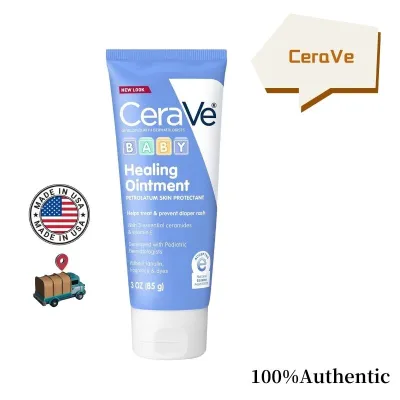
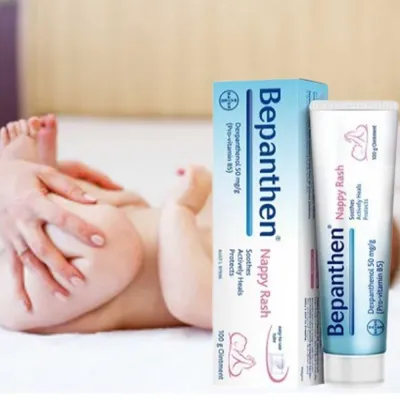
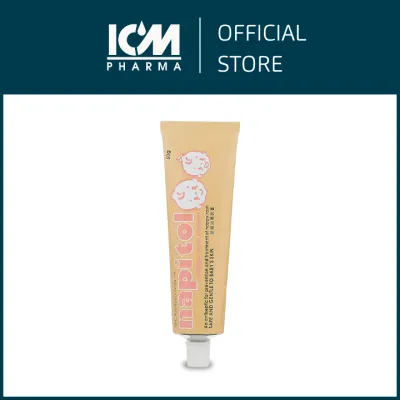
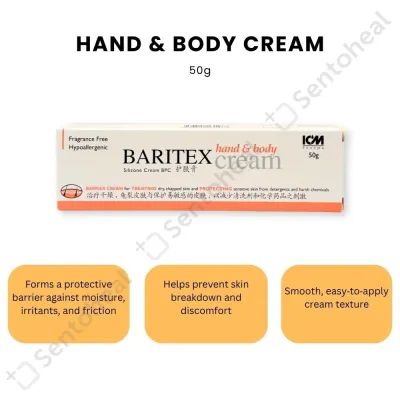
Prices are valid at publication and may change. Please refer to the product page for the latest price.

Irritant contact dermatitis is the most common form of diaper rash, typically triggered by prolonged exposure to wetness, urine, and stool, combined with the friction of the diaper rubbing against the skin. In Singapore’s year-round humid weather, this type of rash can develop rapidly as sweat and moisture become trapped. The primary line of defense for irritant contact dermatitis is a robust barrier cream. Formulations containing zinc oxide or petrolatum are highly effective here, as they create a physical shield that prevents wetness from directly contacting the skin while reducing chafing.
Allergic reactions present differently, often appearing as widespread redness or a localized reaction to specific triggers, such as the synthetic fragrances in wet wipes, diaper materials, or certain preservatives in skincare products. If your baby has highly sensitive skin, a rash may flare up suddenly after introducing a new product. In these cases, treatment begins by identifying and removing the offending trigger. Parents should transition to hypoallergenic, minimalist formulas that contain the fewest ingredients possible, avoiding any products with added scents, parabens, or complex botanical blends until the skin fully recovers.
Yeast infections, primarily caused by the overgrowth of Candida albicans, represent a distinct condition that standard barrier creams cannot cure. A yeast rash typically presents as a bright red, swollen area with distinct, small red spots (known as satellite lesions) spreading beyond the main rash boundary, often settling deep within the skin folds. Because yeast thrives in warm, moist environments, it is a frequent concern for local parents. If you suspect a yeast infection, standard over-the-counter barrier creams will not clear the issue. You must consult a pediatrician or qualified healthcare professional, who can evaluate the skin and prescribe a targeted topical antifungal treatment.
Key Active Ingredients in a Cream for Rashes and How They Work
Understanding the science behind how different active ingredients interact with the skin barrier allows parents to make informed decisions at the pharmacy. Rather than relying on brand names, focusing on the ingredient label ensures you choose a product tailored to your baby’s current skin condition.
Zinc Oxide for Barrier Protection
Zinc oxide is widely considered the gold standard ingredient for treating active diaper dermatitis. As a mineral compound, zinc oxide acts as a physical barrier that sits on top of the skin rather than absorbing into it. This physical presence blocks moisture, digestive enzymes, and acids present in urine and stool from making contact with the baby’s vulnerable skin barrier. Additionally, zinc oxide possesses mild astringent properties that help dry out excess moisture while soothing localized inflammation.
When selecting a zinc oxide cream, it is important to pay close attention to the concentration of the active ingredient, which typically ranges from 10% to 40%. Lower concentrations, generally between 10% and 15%, have a lighter, creamier texture that is easy to apply and wipe away, making them excellent for daily preventative care. Higher concentrations, ranging from 20% to 40%, create a much thicker, pastier barrier designed to treat moderate to severe active rashes. Parents should always check the specific product label for exact percentages and strictly follow the manufacturer’s usage guidelines.
One common characteristic of high-concentration zinc oxide pastes is that they can be incredibly thick and difficult to wipe off completely during diaper changes. This persistent coverage is entirely normal and actually beneficial, as it ensures the protective barrier remains intact even after the diaper is soiled. Avoid scrubbing the skin vigorously to remove the leftover paste, as this mechanical friction can cause further damage to the healing tissue; instead, gently cleanse only the top layer of waste and apply a fresh layer of cream over the remaining clean paste.
Petroleum-Based Ointments for Moisture Locking
Petroleum-based ingredients, such as white petrolatum and mineral oil, function as highly effective occlusives. Instead of creating a heavy mineral barrier like zinc oxide, these ointments form a slick, semi-permeable layer over the skin. This layer serves two primary purposes: it locks in the skin’s natural moisture to prevent trenespidermal water loss, and it significantly reduces friction between the diaper and the baby’s skin.
One of the greatest advantages of high-quality petrolatum is its exceptionally low allergenic potential. Because pure petrolatum contains no complex plant proteins or synthetic additives, it is highly tolerated by babies with extremely sensitive, reactive, or eczema-prone skin. It rarely triggers contact dermatitis, making it a safe baseline product for daily diapering routines.
However, parents should clarify that petroleum-based ointments are primarily preventative. They are highly effective at maintaining healthy skin and protecting against mild redness, but they do not possess the active drying, astringent, or heavy barrier properties of zinc oxide. If your baby has developed a weeping, moderate-to-severe rash, switching from a simple petroleum ointment to a dedicated zinc oxide paste is usually necessary to facilitate healing.
Botanical Extracts Like Calendula for Soothing
Many modern baby skincare products incorporate plant-based botanical extracts to leverage their natural properties. Calendula, derived from the marigold flower, is one of the most popular additions, alongside aloe vera and chamomile. These ingredients are valued for their ability to calm irritated skin, reduce localized redness, and support the natural recovery process of the skin barrier.
Despite their popularity, parents must approach botanical ingredients with a degree of caution, keeping in mind that “natural” does not automatically mean “allergy-proof.” Plant extracts contain complex organic compounds that can act as sensitizers, potentially triggering allergic contact dermatitis in babies with highly reactive skin or underlying plant allergies. This risk is particularly relevant if there is a family history of eczema or environmental allergies.
To ensure safety, always review the full ingredient list to identify any potential botanical allergens. Before applying a new plant-based cream to the diaper area, it is highly recommended to perform a patch test. Apply a tiny amount of the product to a small, healthy patch of skin on your baby’s arm or leg and monitor the area for 24 hours. If any redness, swelling, or irritation occurs, stop using the product immediately and consult a professional.
Common Irritants to Avoid in Rash Creams
When evaluating skincare products for sensitive skin, what is left out of the formula is often just as important as the active ingredients included. Many commercial products contain additives that can irritate compromised skin, prolonging the duration of a diaper rash.
Fragrances and Parfum: Added scents are among the most frequent culprits behind contact dermatitis in infants. This category includes not only synthetic perfumes but also natural essential oils, such as lavender, tea tree, or citrus oils. While these scents may make a product smell appealing to parents, they serve no therapeutic purpose and introduce unnecessary risk to an already compromised skin barrier. For sensitive skin, always opt for products explicitly labeled as fragrance-free.
Harsh Preservatives: These are another group of ingredients to watch out for on the product label. Preservatives like parabens, methylisothiazolinone (MI), and formaldehyde-releasers (such as DMDM hydantoin) are sometimes used to extend shelf life, but they can be highly irritating to broken or raw skin. When these chemicals penetrate a damaged skin barrier, they can cause stinging, burning, and increased inflammation.
Drying Alcohols: Alcohols such as ethanol, denatured alcohol, or isopropyl alcohol should also be avoided in diaper area care. While fatty alcohols like cetearyl or cetyl alcohol are non-irritating and act as beneficial emollients, simple drying alcohols strip the skin of its natural lipids, leading to severe dryness and immediate stinging upon application to raw skin.
Caregivers should avoid relying solely on prominent front-label marketing claims such as “hypoallergenic,” “dermatologist tested,” or “natural.” Because these terms are not strictly regulated by standardized global guidelines, they do not guarantee that a product is safe for your baby’s specific sensitivities. The most reliable approach is to turn the tube over and carefully verify the actual ingredient list on the back of the packaging before making a purchase.
Safe Application and When to Seek Medical Help
Even the most advanced formulation will not perform effectively if it is applied incorrectly. Establishing a proper application routine is essential to maximize the protective qualities of your diaper rash cream while minimizing the risk of trapping moisture.
Preparation: The first step in safe application is thorough preparation. The diaper area must be completely clean and gently patted dry with a soft cloth or allowed to air-dry fully before any cream is applied. Applying a heavy barrier cream over damp skin is counterproductive, as it traps moisture directly against the skin barrier, which can rapidly worsen the rash—especially in humid environments. Avoid rubbing the skin dry, as this mechanical friction can further damage the fragile epidermis.
Application Technique: When applying the cream, use the “frosting a cake” method. Rather than rubbing the cream completely into the skin like a standard moisturizing lotion, apply a thick, visible, and continuous layer over the entire diaper area. This thick layer acts as a true physical shield, preventing urine and stool from penetrating through to the skin.
Medical Red Flags: While most minor diaper rashes resolve with diligent home care, parents must remain vigilant for signs that indicate a more serious issue. Stop home treatment and consult a doctor or pediatrician immediately if you observe any of the following medical red flags:
- The rash begins to bleed, ooze pus, or develop blisters.
- The rash is accompanied by a fever or signs of systemic illness.
- The irritation spreads significantly beyond the diaper area to the abdomen, back, or limbs.
- There is no visible improvement after 3 to 4 days of consistent home care and frequent diaper changes.
Frequently Asked Questions (FAQ)
Can I use adult rash cream on my baby?
You should strongly avoid using adult rash creams or general-purpose adult ointments on babies unless explicitly directed by a pediatrician. Infant skin is significantly thinner, more permeable, and more susceptible to absorbing topical chemicals than adult skin. Adult formulas often contain much higher concentrations of active ingredients, different pH balancers, or strong fragrances and preservatives that can cause severe irritation, chemical burns, or systemic toxicity in infants. Always select products formulated specifically for babies and verify their safety guidelines.
How long should it take for a diaper rash to clear up?
A mild irritant diaper rash typically shows noticeable improvement within 2 to 3 days of consistent barrier cream application, combined with frequent diaper changes and periods of air-drying. However, if the rash persists beyond 3 to 4 days without improvement, worsens in appearance, or begins to show signs of infection such as blistering or oozing, you should stop home treatment immediately. Consult a healthcare professional to obtain an accurate diagnosis and ensure your baby receives the correct targeted treatment.

Community discussion
Share your experience or ask a question. Comments are reviewed before publication.