
Finding the right disposable diaper in Singapore’s warm, humid climate is a balancing act between your baby’s comfort, skin health, and your household budget. While legacy brands like Pampers and Huggies have long dominated local supermarket shelves, newer entrants like Diaper King have gained traction by offering a highly competitive, value-focused alternative primarily through online marketplaces. Deciding whether to switch requires looking beyond brand names to evaluate how each diaper’s specific materials, fit, and absorbency match your baby’s current developmental stage and your daily routine.
Because every baby has a unique body shape and skin sensitivity, there is no single diaper brand that works perfectly for every infant. Parents must learn to assess structural features, read ingredient lists, and calculate true costs to make an informed decision. By understanding what to look for on product packaging and how to conduct simple at-home tests, you can confidently choose a diaper that keeps your baby dry without overstretching your monthly budget.
Understanding the Contenders: Brand Positioning and Core Features
Diaper King enters the Singapore market with a clear, value-focused positioning strategy designed to appeal to budget-conscious parents. Unlike traditional brands that invest heavily in physical retail distribution and mass-media marketing, Diaper King relies primarily on direct-to-consumer sales through online marketplaces and local e-commerce platforms. This streamlined supply chain allows them to offer lower baseline prices, positioning themselves as an accessible everyday option for families who go through multiple diaper changes a day.
Products mentioned in this guide
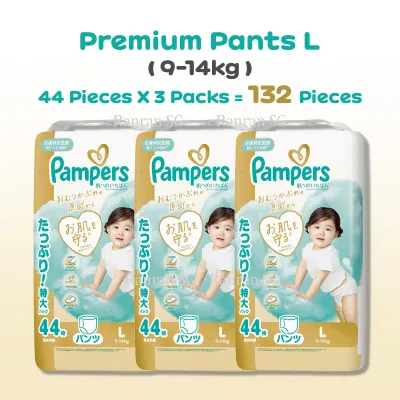
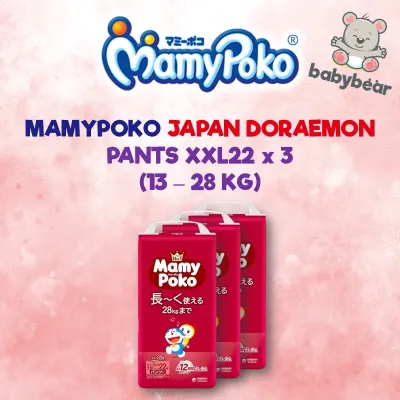
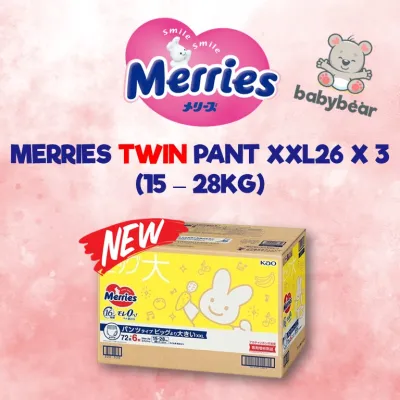
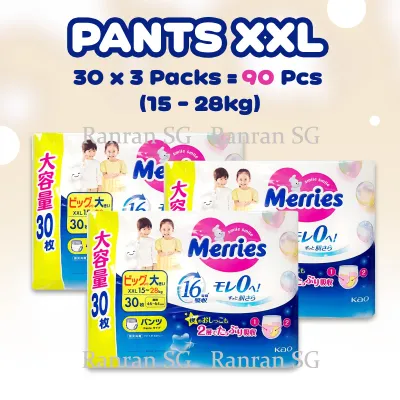
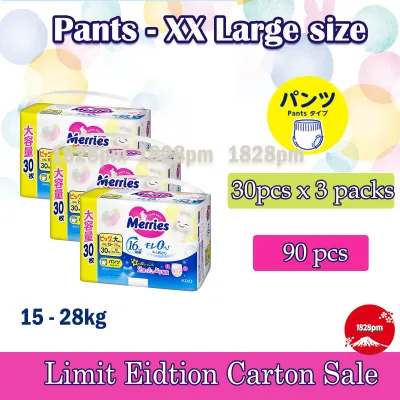
Prices are valid at publication and may change. Please refer to the product page for the latest price.
In contrast, legacy brands like Pampers and Huggies operate on a multi-tiered product structure. Both brands offer standard lines designed for everyday use, alongside premium tiers that feature advanced materials, enhanced softness, and specialized designs for active babies or overnight wear. These established brands are widely available across Singapore, from large hypermarkets to 24-hour convenience stores, making them highly accessible for emergency top-ups but generally more expensive per piece at standard retail prices.
When comparing these brands, parents should carefully inspect the product packaging for specific features rather than relying solely on brand reputation. Look for details on the claimed core technology, such as the presence of channel designs or wetness indicators that change color when the diaper is full. Most importantly, always verify the manufacturer’s size chart and weight guidelines on the packaging. Because sizing standards vary significantly between brands, a medium size in one brand may not offer the same fit or weight range as a medium in another.
Comparing Absorbency and Leak Protection
To evaluate how well a diaper prevents leaks, parents must look closely at the core absorbent materials specified by the manufacturer. Modern disposable diapers rely on Superabsorbent Polymers (SAP) blended with wood pulp to draw moisture away from the skin. Premium lines from Pampers and Huggies often feature proprietary channel designs that distribute liquid evenly across the core, preventing the diaper from sagging or clumping when wet. When researching Diaper King or other value brands, check the product specifications to see if they utilize similar channel technologies or a uniform SAP distribution to manage wetness.

Conducting a simple at-home test can help you objectively compare the absorbency of different brands before committing to a bulk purchase. To do this, lay a fresh diaper flat and pour a measured amount of lukewarm water—approximately 100ml to 150ml to simulate multiple baby voids—onto the center of the core. Allow the liquid to absorb for three minutes, then press a dry paper towel firmly onto the surface. A diaper with high absorbency and quick-drying capabilities will leave the paper towel dry, indicating that moisture is locked away from your baby’s skin.
Even the most absorbent diaper can fail if external conditions are not optimal. Leakage often occurs not because of poor material quality, but due to improper sizing, active physical movement, or high urine volume during long sleep stretches. If a diaper is too small, it will quickly saturate and overflow; if it is too large, gaps around the legs will allow liquid to escape. When transitions like crawling or walking begin, the physical shifting of the diaper can also compromise the leak barriers, requiring a shift to a more elastic pant-style diaper.
Evaluating Fit, Comfort, and Skin Sensitivity
An effective diaper must provide a secure yet gentle seal around your baby’s waist and thighs to prevent chafing and leaks. When examining diaper construction, compare the elasticity of the waistband and the design of the leg cuffs. High-quality diapers feature double-layered leg guards with strong stretch recovery, allowing the diaper to expand and contract as your baby breathes and moves. Observe whether the elastic bands leave deep red marks on your baby’s skin, which is a clear indicator that the diaper is either too tight or constructed with stiff, non-yielding materials.
Singapore’s high humidity makes babies particularly susceptible to diaper rash and skin irritation, making material safety a top priority. Parents should actively check ingredient and material labels on diaper packaging for dermatological testing claims, hypoallergenic certifications, and fragrance-free formulations. While premium tiers of Huggies and Pampers often highlight organic cotton blends or pH-balancing topsheets, you should verify these claims against independent certification labels rather than taking marketing terms at face value.
Persistent dampness and friction are the primary triggers for skin irritation. If you notice localized redness, chafing, or a bumpy rash in the diaper area, it may indicate that the diaper’s topsheet is not keeping the skin sufficiently dry, or that your baby is sensitive to a specific material or fragrance used in the diaper. If these symptoms appear, stop using the product immediately, increase the frequency of diaper changes, and allow the skin to air-dry. If the irritation does not improve within a few days, or if it blister or bleeds, consult a qualified pediatrician for professional medical advice.
Price and Value Analysis: Cost Per Diaper and Purchasing Channels
To determine the true economic value of any diaper brand, parents must calculate the cost per piece rather than comparing the price of a single pack. Because pack counts vary widely between brands, sizes, and product tiers, divide the total price of the pack by the number of diapers inside. For example, a pack costing S$18.00 containing 60 diapers results in a cost of S$0.30 per piece. Keep in mind that the cost per piece naturally increases as your baby grows into larger sizes, as larger diapers contain fewer pieces per pack.
While Diaper King typically maintains a lower everyday cost per piece, the price gap between value brands and premium legacy brands can shift dramatically during major online shopping events in Singapore. During monthly double-day sales (such as 10.10 or 11.11) on popular ecommerce platforms, brands like Pampers and Huggies often offer steep discounts, bulk vouchers, and free shipping. Calculating the promotional cost per diaper during these events can help you decide if upgrading to a premium line fits within your budget.
When purchasing diapers in bulk online to maximize savings, taking safety precautions is essential. Always verify the authenticity of the seller by purchasing from official brand stores or highly rated, authorized distributors on local e-commerce platforms. Check the product description or contact the seller to confirm the expiration or manufacturing dates, as diaper materials can degrade if stored in humid warehouse conditions for too long. Additionally, review the platform’s return and exchange policies, ensuring you can exchange unopened packs if your baby suddenly outgrows their current size.
How to Decide: Which Brand Fits Your Baby's Needs?
Choosing between Diaper King, Pampers, and Huggies depends on your family’s daily routine, budget, and your baby’s physical development. Diaper King is an excellent choice if your primary goal is to minimize monthly diapering expenses, and your baby has standard daytime absorbency needs. Because value-focused diapers are highly economical, they are ideal for situations where you can maintain a frequent changing schedule, such as when your baby is at home with a caregiver or attending infant care where regular changes are mandated.
On the other hand, legacy brands like Pampers or Huggies are highly suitable if your baby requires specialized, high-capacity overnight protection to support uninterrupted sleep. These brands are also preferable if your baby has highly sensitive skin that reacts to standard materials, requiring the specific dermatological formulations found in premium, fragrance-free lines. Furthermore, if you travel frequently or prefer the convenience of being able to buy a replacement pack quickly at a nearby local supermarket or convenience store, the widespread availability of these established brands offers peace of mind.
Before making a permanent switch to any new diaper brand, always perform a trial run. Purchase a single small pack to test the fit, absorbency, and skin compatibility over a few days. If your baby has a history of severe diaper rash, eczema, or known material allergies, do not introduce new diaper brands without careful monitoring. Always consult a pediatrician or a qualified healthcare professional before switching products if your baby has active skin conditions.
Frequently Asked Questions (FAQ)
How do I know if a diaper brand is causing diaper rash?
To determine if a diaper brand is causing a rash, observe the location and appearance of the redness. A rash caused by sensitivity to diaper materials or fragrances typically presents as localized redness or contact dermatitis directly where the diaper touches the skin, such as the waistband or leg cuffs. In contrast, a moisture-related rash usually develops in the warm, damp skin folds of the groin. If you suspect the diaper material is the cause, switch to a fragrance-free, hypoallergenic alternative, keep the area clean and dry, and monitor the skin. If the rash persists, spreads, or causes distress, consult a pediatrician.
Should I use different diaper brands for daytime and nighttime?
Using different diaper brands for daytime and nighttime is a highly practical and cost-effective strategy for many parents in Singapore. For daytime use, when diaper changes are frequent, a budget-friendly option like Diaper King can help reduce overall costs without compromising hygiene. For nighttime, switching to a premium, high-absorbency diaper from Pampers or Huggies can provide the extended leak protection needed for long, uninterrupted sleep. However, if your baby has highly sensitive skin, using a single, trusted brand that you know does not cause irritation across both day and night may be the safest approach.

Community discussion
Share your experience or ask a question. Comments are reviewed before publication.