
When setting up a nursery in a compact Singapore home, such as a modern HDB flat or a cozy condominium apartment, space is always at a premium. Choosing the right diaper changing station is not just a matter of aesthetics; it directly impacts your daily routine, physical comfort, and your baby’s safety. For most small nurseries, a multi-functional dresser-top changing pad or a highly compact foldable station works best, as these designs maximize vertical space or can be tucked away entirely when not in use. The ideal solution must balance a minimal physical footprint with safe, comfortable access for caregivers who will use the station multiple times a day.
To make an informed decision, you must evaluate how each design fits into your specific room layout. A diaper changing station should streamline your daily routine without creating physical bottlenecks in the bedroom. By analyzing your available space, understanding the unique benefits of each design type, and adhering to crucial safety clearances, you can create a highly functional, space-optimized nursery that serves your family well throughout your child’s infancy.
Assessing Your Nursery Layout and Space Constraints
Before purchasing any nursery furniture, you must accurately assess the physical dimensions of the room. Singapore bedrooms, particularly in newer BTO (Built-To-Order) flats, often range from 9 to 11 square meters. This limited footprint means that every centimeter counts. Start by using a high-quality measuring tape to map out the exact floor area of the room, noting the positions of structural pillars, windows, electrical outlets, and built-in wardrobes.
Products mentioned in this guide
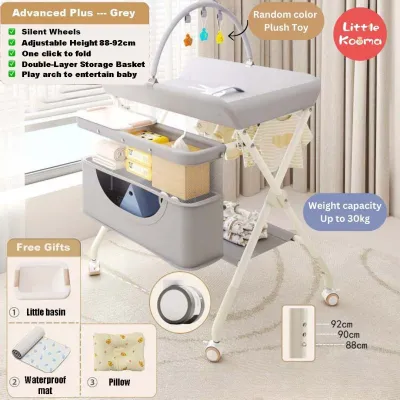

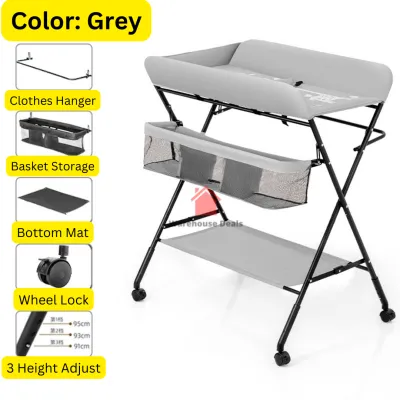
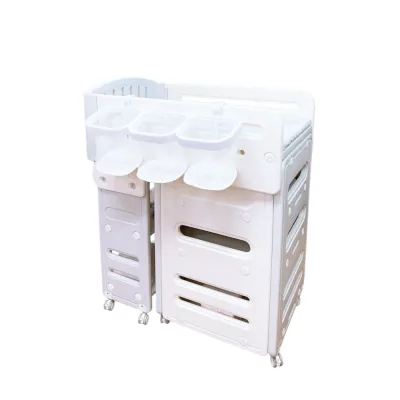
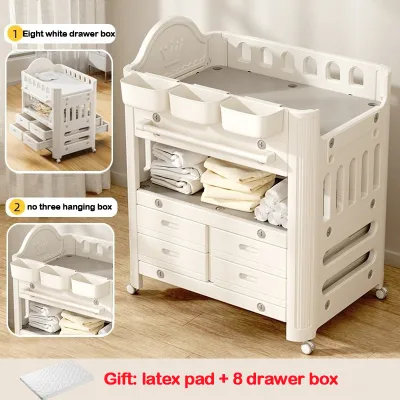
![[SG SELLER] Multifunctional Diaper Changing Table Foldable Strong Load Bearing Baby Care Table Baby Diaper Changing Table Massage Touch Bath Table](https://img.lazcdn.com/g/p/a84244d8c8d4139f7d675c82cc9ebfd2.jpg_400x400q80.jpg_.webp)
Prices are valid at publication and may change. Please refer to the product page for the latest price.
When planning the layout, you must account for the dynamic flow of the room rather than just the static furniture pieces. This means measuring the swing radius of the nursery entry door, wardrobe doors, and any low-hanging cabinet doors. A changing station placed too close to a door frame can block entry or lead to accidental collisions when another family member enters the room. You should aim to maintain a clear walking path of at least 60 to 70 centimeters throughout the room to allow for comfortable movement, especially when carrying a sleeping baby.
To visualize how different changing station designs will impact your space, map out the floor plan on graph paper or use a digital room planning application. Draw your essential furniture pieces—such as the baby cot, wardrobe, and nursing chair—to scale. This visual exercise allows you to experiment with different placements, such as utilizing tight corners or alcoves, before committing to a heavy furniture purchase. It also helps you identify whether a permanent freestanding unit is viable or if a non-permanent, space-saving design is required to keep the room functional.
Comparing Diaper Changing Station Designs for Compact Nurseries
Different diaper changing station designs offer distinct advantages depending on your space limitations, storage needs, and budget. To find the best fit, you must compare how portable, dresser-top, and freestanding models perform in a restricted environment.

Portable and Foldable Changing Stations
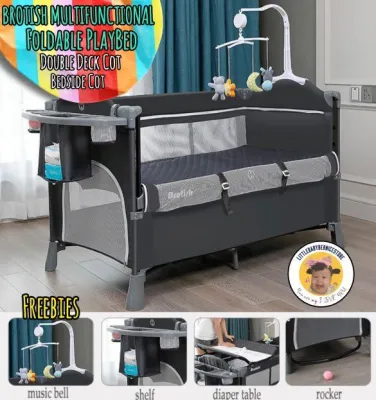
Portable and foldable changing stations are highly effective solutions for extremely tight spaces or multi-use rooms where a permanent piece of furniture is impractical. Portable changing pads are lightweight, cushioned surfaces that can be placed on secure, flat areas like a parent’s bed or a sturdy dining table during use, and then slid under a cot or stood upright in a wardrobe when finished. Foldable changing tables feature lightweight metal or wooden frames that collapse flat, allowing you to store them behind a door or inside a utility closet when they are not needed.
While these non-permanent options excel at saving floor space, they require careful handling and strict adherence to safety guidelines. When using a portable pad, you must always place it on a completely flat, stable, and non-slip surface that can fully support the pad without any risk of sliding. Foldable freestanding units must be inspected regularly to ensure their locking mechanisms are fully engaged before placing your baby on the surface. Always check the manufacturer’s documentation for weight limits—which are typically lower than those of permanent furniture—and verify that the mattress or pad thickness complies with safety standards to prevent roll-over or suffocation hazards.
Dresser-Top Changing Tables
For parents looking to maximize utility without adding extra furniture, a dresser-top changing setup is often the most efficient choice. This configuration involves placing a secure wooden changing topper or a contoured changing pad directly on top of a standard chest of drawers. By combining clothing storage and diapering functions into a single footprint, you eliminate the need for a separate, dedicated changing table, leaving more open floor space in the nursery for play and movement.
To execute this setup safely, you must ensure the changing pad or topper matches the dimensions of the dresser top perfectly, with absolutely no overhang. Any overhang compromises the stability of the pad and poses a severe safety risk. Furthermore, because a dresser contains drawers that will be opened and closed frequently, you must install heavy-duty anti-tip wall anchors to secure the dresser to the wall. This prevents the entire unit from tipping forward under the shifting weight of an active baby or when multiple drawers are pulled open simultaneously.
Freestanding Changing Tables
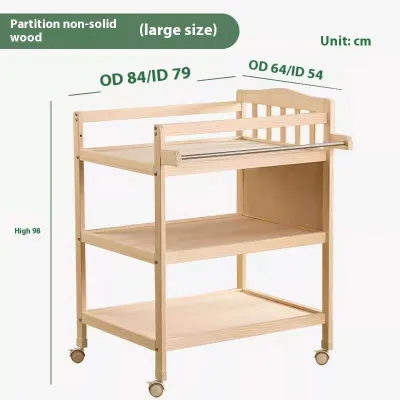
Traditional freestanding changing tables are standalone units dedicated solely to diaper changes and supply storage. These tables typically feature two or three open shelves beneath the changing surface, providing quick, one-handed access to diapers, wipes, towels, and fresh clothes. While they do require a permanent, dedicated footprint in the nursery, their open-shelf design can make a small room feel less cramped and visually heavy than a solid chest of drawers.
A freestanding table works best when placed in a dedicated corner of the nursery that has adequate clearance on all sides. However, because these units cannot be easily repurposed once your child outgrows diapers, they have a shorter functional lifespan than a standard dresser. Before choosing this option, carefully measure the table’s depth and width against the narrowest walkways in your nursery to ensure it will not permanently disrupt the room’s flow or block access to other essential furniture.
Essential Clearances and Installation Requirements
Installing a diaper changing station in a small room requires precise spatial planning to ensure the area is safe for your baby and comfortable for you. The most critical measurement to plan for is the caregiver standing zone. You must allow for a clear, unobstructed space of at least 60 to 75 centimeters directly in front of the changing station. This zone ensures you can stand comfortably, bend over to tend to your baby, and reach into lower shelves or drawers without hitting your back against walls, cots, or other furniture.
Positioning is equally vital when it comes to environmental safety hazards. You must place the changing station well away from windows to prevent any risk of a growing child reaching the glass, screens, or window grilles. Keep the station completely clear of window blind cords, curtain pull strings, and electrical cords, as these present severe strangulation and entanglement hazards. Additionally, avoid placing the station directly under air conditioning units to protect your baby from cold drafts during changes, and ensure the unit does not block access to light switches, electrical outlets, or household distribution boards (DB boxes).
If you select a wall-mounted foldable changing station to save floor space, proper installation is paramount. Singapore homes feature a mix of structural concrete walls and drywall partition walls. Wall-mounted units must be anchored securely to withstand both the weight of the station and the dynamic weight of a growing, moving baby. For concrete walls, you must use a hammer drill, high-quality masonry drill bits, and heavy-duty plastic or metal wall plugs. If mounting onto drywall, you must locate the internal wooden or metal studs using a stud finder and secure the unit directly into them; never rely on simple plasterboard anchors for load-bearing baby furniture. Always follow the manufacturer’s exact installation instructions and weight capacity ratings.
Safety and Ergonomics in Compact Changing Areas
Caregiver ergonomics are often overlooked in nursery design, yet they are crucial for preventing chronic physical strain. Diaper changes occur up to 10 to 12 times a day during the newborn phase, requiring constant bending. To protect your back, select a changing station height that aligns closely with your waist or hip level—typically between 85 and 100 centimeters from the floor. If parents are of significantly different heights, look for models with adjustable legs, or choose a dresser-top setup where the dresser height is comfortable for the primary caregiver.
In a compact nursery, a tight layout can actually be leveraged as a safety advantage. Because space is limited, you can easily design a setup where all essential changing supplies—including diapers, wipes, diaper rash creams, and spare clothes—are stored within arm’s reach. This eliminates the need to turn your back on the baby or step away to grab a forgotten item. The golden rule of baby changing is to keep at least one hand on your baby at all times; a well-organized, compact station makes this rule effortless to follow.
When purchasing any changing station or pad, do not rely solely on marketing descriptions or attractive designs. Always locate and read the product labels to verify the manufacturer’s specified weight limits, age recommendations, and safety certifications. Look for recognized safety standards, such as those from the Juvenile Products Manufacturers Association (JPMA) or European safety certifications (EN standards). If a product’s safety instructions conflict with your planned layout—such as requiring a specific wall clearance that your room cannot accommodate—you must prioritize safety and choose an alternative model.
Common Space-Planning Mistakes to Avoid
To ensure your nursery remains functional and safe, avoid these common space-planning errors when selecting and placing your diaper changing station:
- Mistake 1: Ignoring the depth of the changing table. Many parents focus only on the width of the table along the wall, forgetting that a deep table will protrude into the room's main walkway, restricting movement and making it difficult to stand comfortably in front of the unit.
- Mistake 2: Forgetting to account for door and drawer swing paths. Placing a changing station in a position that blocks the bedroom door, wardrobe doors, or the drawers of the changing unit itself can make daily tasks incredibly frustrating and cause unnecessary wear on your furniture.
- Mistake 3: Skipping anti-tip straps on dresser-top setups. Assuming a heavy wooden dresser is stable enough on its own is a dangerous misconception. When multiple drawers are pulled open or a child pulls down on the top edge, the center of gravity shifts rapidly, making wall anchoring an absolute necessity.
- Mistake 4: Choosing deep drawers in narrow spaces. Selecting a dresser-top station with deep drawers in a narrow room can prevent you from fully opening the drawers if they hit the edge of the cot or bed, rendering valuable storage space completely inaccessible.
Frequently Asked Questions (FAQ)
Can I use a regular dresser as a changing table?
Yes, you can safely use a standard dresser as a changing table if it meets specific safety criteria. The dresser must be at an ergonomically comfortable height for diaper changes, have a flat, stable top surface, and be deep enough to fully support a contoured changing pad without any overhang. You must secure the changing pad to the dresser using the manufacturer’s provided safety straps or a wooden topper frame, and you must anchor the dresser securely to the wall with anti-tip hardware to prevent tipping when drawers are opened.
What is the standard height for a diaper changing station?
While there is no single universal standard, most diaper changing stations range in height from 85 to 105 centimeters. This range is designed to accommodate the average height of adult caregivers and reduce the need for excessive bending, which can cause lower back strain over time. Before purchasing, it is highly recommended to test different table heights in-store or measure the height of your own hip bone to determine what level feels most comfortable for you.
Do foldable changing tables need to be mounted to the wall?
It depends entirely on the specific design of the foldable changing table. Wall-mounted foldable models must be anchored securely into wall studs or concrete walls using heavy-duty hardware to support the weight of the unit and the baby. Freestanding foldable models, on the other hand, do not mount to the wall; they rely on a wide, interlocking frame for stability. When using freestanding foldable models, you must place them on a completely flat, even floor and strictly adhere to the manufacturer’s weight and age limits to prevent accidental tipping.

Community discussion
Share your experience or ask a question. Comments are reviewed before publication.