
To find the right diaper caddy organizer in Singapore, you must match the material, structural reinforcement, and compartment design to your daily parenting routine. While premium designer brands focus on structural longevity and elegant materials like vegan leather or woven cotton rope, value-driven brands prioritize lightweight, highly portable materials like polyester felt with extensive exterior pockets.
In Singapore’s tropical, high-humidity climate, material choice also dictates how much maintenance your caddy will require. Synthetic felt can trap dust and pill over time, while untreated canvas may absorb ambient moisture if kept in non-air-conditioned spaces, making wipe-clean vegan leather or washable cotton highly practical alternatives. Choosing the right brand category ultimately depends on whether you view the caddy as a temporary utility item or a multi-year nursery investment.
Quick Guide: Matching Diaper Caddy Types to Your Parenting Routine
Every parenting routine is unique, meaning there is no single diaper caddy organizer that fits every household perfectly. Identifying how you plan to use the organizer daily will help you narrow down the ideal material, weight, and structural design.
Products mentioned in this guide
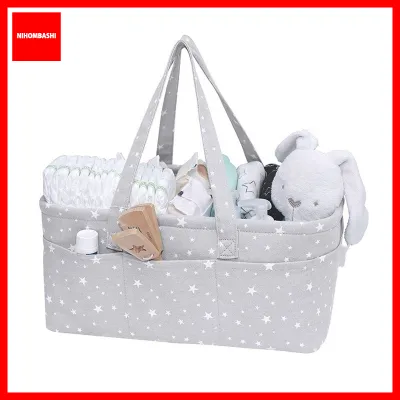
![[Local Shop] Baby Diaper Caddy Organizer Nursery Room Storage Bag](https://img.lazcdn.com/g/p/97b826d1268580040c9334c054e0a4ad.jpg_400x400q80.jpg_.webp)
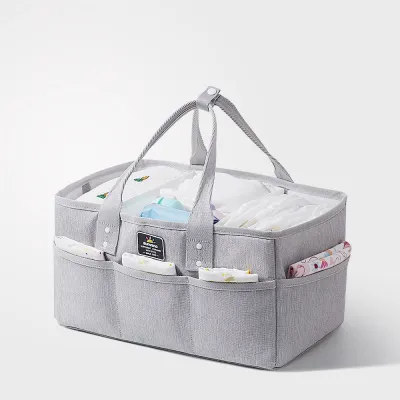
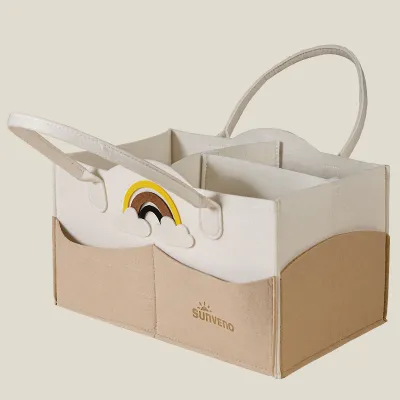
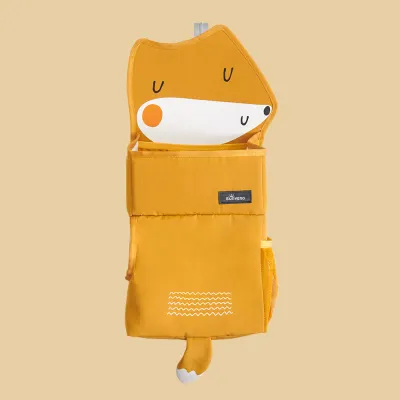
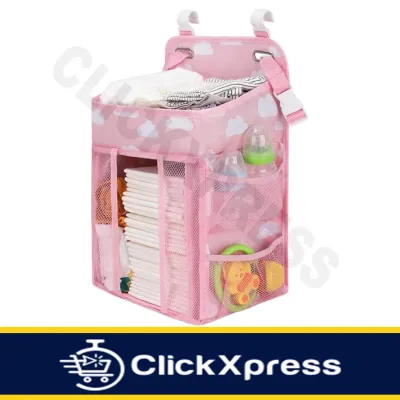
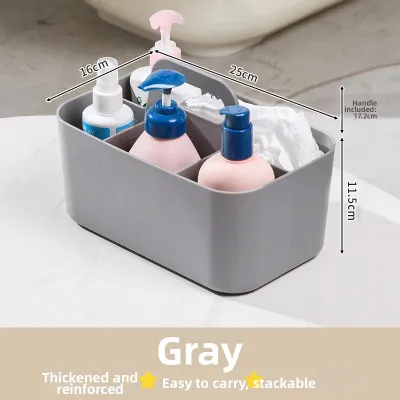
Prices are valid at publication and may change. Please refer to the product page for the latest price.
Stationary Nursery Storage is best suited for parents who want a dedicated changing station centerpiece. If the caddy will live permanently on a changing table or a chest of drawers, weight is not a major concern. You should prioritize premium woven rope, structured canvas, or vegan leather brands that offer excellent structural rigidity and complement your nursery decor.
Portable Travel Caddies are designed for parents who frequently move diapering essentials between rooms, such as from a bedroom to a living room, or pack them into a car boot for weekend trips to visit family. For this routine, lightweight materials like polyester felt or thin canvas with reinforced, comfortable handles are ideal, as they minimize carrying fatigue.
Multi-Purpose Toddler Transition options are for parents looking for a long-term investment. If you want the caddy to transition into toy storage, a book bin, or a craft organizer once your child is toilet trained, look for brands that feature fully removable internal dividers and neutral, non-babyish designs that blend easily into other areas of your home.
Key Dimensions for Evaluating Build Quality and Features
Material Durability and Aesthetics
Polyester felt is the most common material for budget-friendly caddies because it is lightweight and naturally holds its shape. However, low-grade felt under four millimeters in thickness is highly prone to pilling from friction and can attract lint or pet hair. In humid environments, felt can also absorb ambient moisture, meaning it requires regular airing out to prevent musty odors.

Canvas and woven cotton offer a classic, softer aesthetic that fits beautifully into Scandinavian or minimalist nursery designs. These fabrics are highly durable and, in many cases, machine washable, which is a massive advantage for cleaning up accidental diaper cream leaks or liquid spills. However, they lack inherent rigidity, meaning they may sag when empty unless they feature internal plastic or cardboard stiffeners.
Vegan leather (polyurethane) and tightly coiled cotton rope represent the premium tier of the market. Vegan leather is exceptionally easy to clean, requiring only a quick wipe with a damp cloth to remove oils, creams, or water, and it is completely unaffected by humidity. Coiled cotton rope provides a beautiful, textured look and excellent durability, though it can be heavier to carry and more difficult to spot-clean if liquid stains penetrate the fibers.
Compartment Layout and Customization
Most diaper caddies utilize a large central compartment divided by a removable, T-shaped insert. This insert is typically secured to the inner walls using hook-and-loop (Velcro) fasteners. High-quality brands use full-length, non-scratch Velcro strips that run the entire height of the inner walls, ensuring the dividers stay firmly in place even when heavy items press against them.
Exterior pockets are essential for organizing smaller items that you need to grab quickly with one hand, such as thermometers, pacifiers, or hand sanitizer. Look for brands that offer deep, elasticized slip pockets rather than shallow, loose ones. Shallow pockets can allow small items to slip out and get lost when you lift or transport the caddy.
As your baby transitions through different development stages—from a newborn requiring frequent diaper changes to an active toddler using larger pull-up pants—the storage needs of your caddy will shift. Always verify the age-appropriateness of the items stored within the caddy; small grooming tools, nail clippers, and creams must be kept in secure, zippered compartments or placed entirely out of reach of curious children under active caregiver supervision.
Portability and Everyday Handling
The point where the handles attach to the caddy body is the most common area for wear and tear. Premium brands reinforce these stress points with double-cross (X) stitching, metal rivets, or heavy-duty leather loops. Basic fabric loops stitched directly into the top seam without reinforcement are highly susceptible to tearing over time under the weight of heavy wipe dispensers.
Structural stability is crucial when carrying a fully loaded caddy by its handles. If the walls cave inward when lifted, they can crush delicate items or pop open cream tubes. Look for brands that incorporate rigid piping along the top rim and a removable, reinforced baseboard to keep the caddy upright and stable during transport.
For families living in compact apartments or those who travel frequently, a collapsible design is highly beneficial. Some structured caddies allow you to remove the bottom board so the entire unit can fold completely flat. This makes it easy to pack into a suitcase or tuck away in a drawer when it is not in use.
How Leading Brand Categories Compare in the Local Market
Premium and Designer-Focused Brands
Premium and designer brands in Singapore typically price their organizers between S$40 and S$80. These products are designed for parents who view the diaper caddy as a stylish home accessory rather than just a utility item.
These caddies are constructed from high-grade materials such as water-resistant vegan leather, double-layered organic canvas, or structured rattan. They often feature metal hardware, debossed logos, and sophisticated, neutral color palettes like sage, oat, or slate that look right at home in a modern living room.
Their primary value lies in their exceptional longevity and aesthetic appeal. Because they are highly structured and made from durable materials, they easily transition into elegant living room storage for magazines, remote controls, or throw blankets once the diapering years are over.
However, these premium options are significantly heavier than felt alternatives, making them less practical for carrying long distances. They also require specific cleaning methods; vegan leather cannot be machine washed, and woven rattan must be kept dry to prevent mold in Singapore’s tropical climate.
Value-Driven and Highly Functional Brands
Value-driven brands are the workhorses of the nursery, with prices typically ranging from S$15 to S$30 on local ecommerce platforms. They prioritize maximum storage capacity and lightweight portability over high-end aesthetics.
These caddies are usually made from thick polyester felt or lightweight polyester canvas. They feature simple, highly practical layouts, often including up to eight exterior pockets and highly flexible, removable dividers that let you customize the interior space easily.
They offer outstanding utility for daily, high-frequency use. Because they are incredibly lightweight, it requires very little effort to carry diapering essentials from room to room or toss the entire organizer into the car boot for a day out.
On the downside, the aesthetic of these caddies is highly utilitarian and may not blend well with premium home decor. Over time, polyester felt will inevitably pill, and light-colored felt is highly susceptible to permanent staining from diaper creams, oils, or liquid spills.
Eco-Conscious and Sustainable Brands
Eco-conscious brands cater to environmentally mindful parents, with prices generally ranging from S$35 to S$60. These brands focus on natural, baby-safe materials and sustainable manufacturing processes.
Typical features include the use of certified organic cotton, natural jute, or recycled post-consumer plastic felt. These brands avoid harsh chemical dyes, synthetic coatings, and plastics, opting instead for water-based inks and natural fiber stitching.
Their main value proposition is peace of mind. Parents can rest assured that the materials are completely safe to place directly next to a newborn’s crib, with no risk of chemical off-gassing or skin irritation from synthetic residues.
However, natural, untreated fibers like organic cotton or jute are highly absorbent. If baby oil or liquid soap spills inside, it can leave permanent dark stains that are difficult to remove. Additionally, because they lack synthetic stiffeners, these caddies tend to have a softer, floppier shape unless they are fully packed.
Feature and Specification Verification Checklist
To help you compare different models on local online marketplaces or in-store, use this practical verification checklist to evaluate key specifications before making a purchase.
| Specification Dimension | What to Verify | Why It Matters in Singapore |
|---|---|---|
| Base Footprint Dimensions | Check if the length is between 33cm and 38cm, and the width is at least 15cm. | Fits standard changing tables and narrow shelves without hanging over the edge. |
| Material & Humidity Resistance | Look for water-resistant polyester, wipe-clean vegan leather, or washable cotton. | Prevents mold, mildew, and musty odors in non-air-conditioned spaces during the monsoon season. |
| Handle Attachment & Stitching | Look for double-cross (X) stitching, metal rivets, or reinforced leather loops. | Prevents handles from tearing when carrying heavy wipe dispensers and glass baby oil bottles. |
| Divider Attachment Style | Ensure full-length Velcro strips are used rather than small corner tabs. | Keeps dividers firmly in place so heavy items do not slide underneath and clutter the bottom. |
| Care & Cleaning Instructions | Check if the item is machine washable, spot-clean only, or wipe-clean. | Essential for managing inevitable diaper cream leaks, milk spills, and dust accumulation. |
| Weight Capacity & Rigidity | Verify if it has a removable reinforced baseboard or built-in plastic panels. | Prevents the caddy from sagging or collapsing inward when lifted by a single handle. |
Before finalizing your purchase, always check recent buyer reviews on local shopping platforms. Pay close attention to user-uploaded photos taken after several months of use to see if the caddy has maintained its shape or if the material has started to pill.
Final Decision Framework: Which Caddy Should You Choose?
Choose a Premium/Designer Caddy if: You plan to keep the organizer in a highly visible area of your home, such as the living room or a beautifully styled nursery, and you want a durable piece that will transition seamlessly into stylish home storage (like a book or toy bin) once your child is toilet trained.
Choose a Value/Felt Caddy if: Your primary need is portability and budget-friendly utility. If you live in a multi-story home or frequently move between rooms and need a lightweight, pocket-heavy organizer that you will not mind replacing after a year or two of intense wear, this is your best option.
Choose an Eco-Friendly Caddy if: You prioritize natural, non-toxic, and sustainable materials in your baby’s environment. This option is ideal if you prefer soft, organic textiles over synthetic plastics or leathers and are willing to spend extra time spot-cleaning any spills.
Verify First if: You have limited space. Measure your changing table, bedside drawer, or car boot before buying to ensure the caddy’s footprint fits perfectly. If you plan to travel often, ensure the caddy can fold completely flat.
Frequently Asked Questions (FAQ)
Can a diaper caddy be used for purposes other than diapering?
Yes, the modular nature of a diaper caddy makes it incredibly versatile. Once your baby outgrows diapers, you can remove the internal T-divider to create a single large storage bin. It works perfectly for storing children’s board books, soft toys, art and craft supplies, or coloring books. Many parents also repurpose them as car trunk organizers for cleaning cloths and emergency supplies, or as bathroom organizers for toiletries and hair accessories.
How do I clean and maintain a felt or canvas diaper caddy?
For felt caddies, avoid machine washing as it can cause the wool or synthetic fibers to shrink, warp, or pill excessively. Instead, use a lint roller to remove dust and pet hair, and spot-clean stains using a damp cloth with a tiny drop of mild baby-safe detergent. For canvas caddies, check the care label; if they do not contain rigid cardboard inserts, they can often be machine washed on a cold, gentle cycle inside a laundry bag. Always air-dry canvas caddies thoroughly in a well-ventilated area to prevent mold growth, especially in Singapore’s humid climate.
What is the ideal size for a diaper caddy in a compact Singapore home?
For most Singapore apartments, a diaper caddy measuring approximately 33cm to 38cm in length, 22cm to 25cm in width, and 18cm in height strikes the perfect balance. This footprint is large enough to hold a full day’s supply of diapers (about 12 to 15 diapers), a standard tub of wipes, and several creams or accessories, yet small enough to sit comfortably on a standard changing table, chest of drawers, or narrow shelf. If space is exceptionally tight, look for vertical designs or caddies with abundant external pockets to maximize storage without expanding the base footprint.

Community discussion
Share your experience or ask a question. Comments are reviewed before publication.